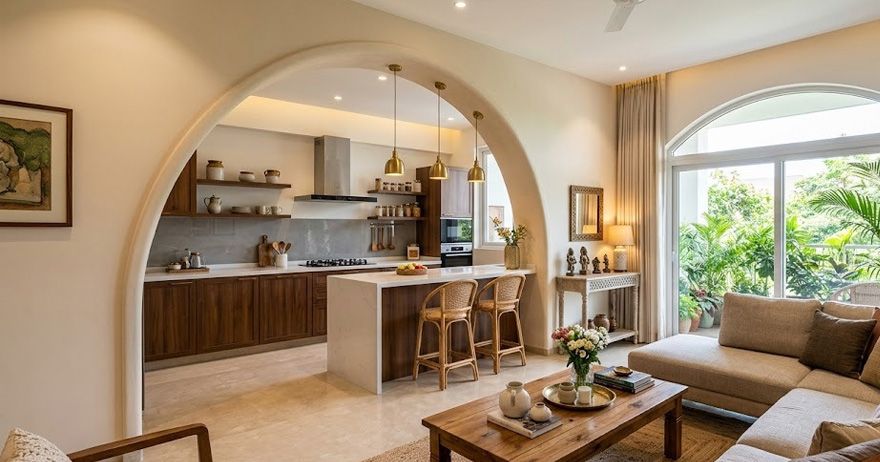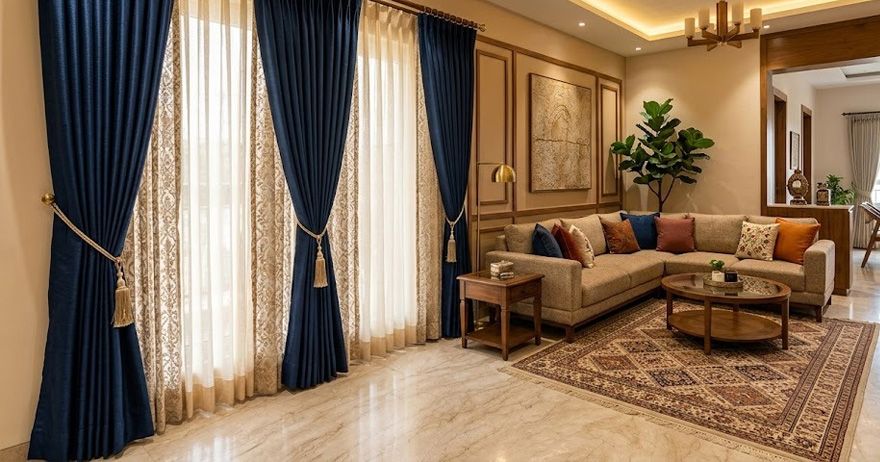




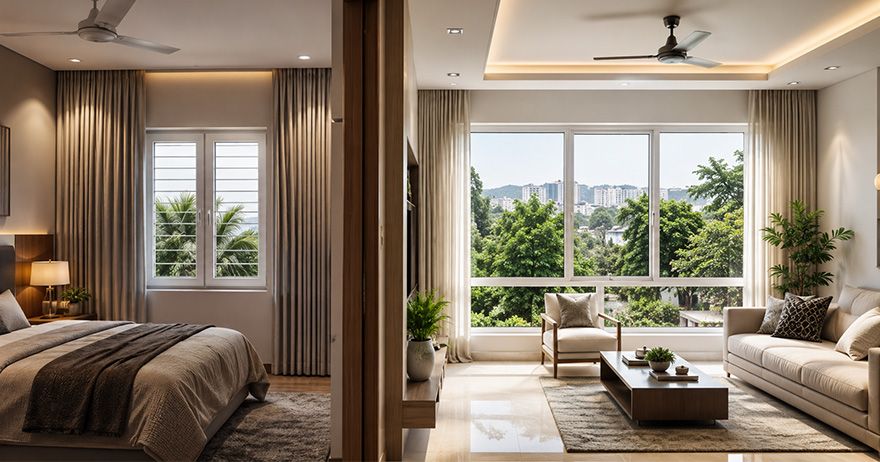
Bedroom windows and living room windows serve different purposes, which is why they often require different specifications. Bedrooms typically prioritize privacy, noise reduction, thermal comfort, and better sleep conditions, while living rooms focus on maximizing natural light, outdoor views, ventilation, and aesthetics. Choosing the right window style, glazing option, and frame system for each room can improve comfort, energy efficiency, and overall home performance. Understanding these differences helps homeowners make smarter window design decisions during construction or renovation.
Why Different Rooms Need Different Windows?
Many homeowners choose the same windows throughout the house for consistency. But every room in a home has a distinct functional need. A bedroom is where you sleep, recover, and recharge. A living room is where you spend time with family, entertain, and connect with the outdoors.
Because of these differences, window selection should go beyond appearance. When you understand how to choose windows for different rooms, they can improve long-term sustainability.
What Makes Bedroom Windows Unique?
Bedroom window design is shaped by one central goal which is creating the right conditions for rest. Unlike living rooms, bedrooms often require more control over light, sound, and temperature.
Privacy Requirements
Privacy is one of the biggest considerations for bedroom windows. Ground-floor bedrooms or homes located close to neighbouring properties often need bedroom window design that prevent direct visibility from outside.
Common bedroom window privacy solutions include:
- Frosted or tinted glass
- Privacy films
- Strategic window placement
- Double curtains or blinds
- Higher sill heights
Noise Reduction Needs
External noise can significantly affect sleep quality. Homes located near roads, schools, commercial areas, or high-traffic zones require sound-insulated windows.
This is why many homeowners invest in soundproof windows for bedroom spaces. Double glazing, laminated glass, and high-quality sealing systems are practical investments to create a quieter indoor environment.
Better Thermal Comfort
Bedrooms should remain comfortable throughout the night regardless of outdoor weather conditions.
A well-planned uPVC bedroom window design helps reduce heat gain during summer and heat loss during winter. It creates a more stable indoor temperature and reduces reliance on air conditioning.
Sleep-Friendly Design
Good sleep depends on various factors, not only on a comfortable mattress. Excessive sunlight, heat, and noise can all disrupt rest.
Important window specifications for bedrooms often include:
- Blackout blinds
- Sound-insulating glass
- Thermal-efficient glazing
- Secure locking systems
- Controlled ventilation options
What Makes Living Room Windows Different?
The living room is the most social space in a home. Its windows need to let light pour in, make the room feel larger and more welcoming, especially focusing on creating a strong visual connection with the outdoors.
Maximizing Natural Light
Natural light in living rooms directly influences how the space feels. A well-lit living room looks more spacious, improves the entire ambience and reduces daytime electricity use. The best window design for living room spaces typically involves larger openings, minimal frame profiles, and glass that allows high visible light transmission.
Enhancing Outdoor Views
Living rooms are often positioned to showcase gardens, balconies, landscapes, or city views. Larger glass areas help bring outdoor scenery into the home while creating a sense of openness and make greenery feel like part of the room.
Improved Ventilation
Good airflow is a health and comfort requirement and that is much needed in living rooms as they are frequently occupied by multiple people. Larger operable windows improve cross ventilation and help maintain indoor air quality.
Architectural Appeal
Windows are becoming a defining design element in living rooms. Many homeowners choose modern window designs for homes that feature slim profiles, larger glass panels, and contemporary finishes to enhance aesthetics.
Bedroom Windows vs Living Room Windows: Key Differences
The comparison table below reflects why bedroom vs living room windows should not always be treated the same.
| Feature | Bedroom Windows | Living Room Windows |
|---|---|---|
| Purpose | Rest privacy and comfort | Light air and openness |
| Noise Control | High priority - acoustic glazing recommended | Moderate priority - standard glazing is enough |
| Privacy | High priority | Low to moderate priority |
| Natural Light | Controlled | Maximized |
| Ventilation | Controlled with security | Maximum cross-ventilation |
| Energy Efficiency | High - Low-E glass sealed frames recommended | Moderate to high priority |
| Glass Type | Double-glazed or laminated | High light transmission or large clear glass panels |
| Design Focus | Clean lines and understated | Statement designs and wider views |
Best Window Types for Bedrooms
The best bedroom window design ideas that combine privacy, ventilation, comfort, and energy efficiency are given below.
Casement Windows
Casement windows open outward and create an excellent seal when closed.
Benefits:
- Better noise reduction
- Strong weather protection
- Improved energy efficiency
Tilt and Turn Windows
Tilt and turn windows offer flexible ventilation at the same time maintaining security.
Benefits:
- Controlled airflow
- Easy cleaning
- Enhanced insulation
Soundproof Windows
The best windows for bedrooms for the homes located in noisy environments or in urban locations are sound-insulating windows.
Benefits:
- Better sleep quality
- Reduced traffic noise
- Improved indoor comfort
Best Window Types for Living Rooms
The best window design for living room that offers wider views in contemporary homes
are given below.
Sliding Windows
Sliding windows are practical, space-efficient, and perfect for larger openings.
Benefits:
- Easy operation
- Excellent ventilation
- Modern appearance
Picture Windows
Picture windows are fixed windows designed in such a way to maximize views.
Benefits:
- Uninterrupted outdoor views
- Maximum daylight
- Trendy look
Large Glass Windows
Floor-to-ceiling and oversized windows create dramatic visual impact.
Benefits:
- More natural light
- Enhanced aesthetics
Strong indoor-outdoor connection
How Glass Selection Affects Room Comfort
The glass you choose can create a major impact on comfort and performance.
- For bedrooms, double-glazed and laminated glass can improve noise control and thermal insulation.
- For living rooms, larger glass panels combined with energy-efficient coatings help maintain indoor comfort without sacrificing natural light.
Choosing the Right uPVC Windows for Each Space
uPVC windows provide flexibility for both bedrooms and living rooms because they can accommodate different opening styles, glazing options, and performance requirements.They do not rust, warp, or need painting. They seal well against dust and rain, which matters in both Indian monsoons and dry summer conditions.
For bedrooms:
- Energy efficient bedroom windows using uPVC frames with reinforced profiles and double glazing offer the best combination of thermal performance, noise reduction, and longevity.
- Casement and tilt-and-turn configurations in uPVC are particularly effective because the hardware creates a multi-point seal when locked.
For living rooms:
- uPVC sliding systems with wide glass panels and slim sightlines provide natural light and outdoor views without the maintenance burden of aluminium or wood.
- Large uPVC systems with the right glass specifications can reduce indoor temperature fluctuations and lower air conditioning use.
Common Window Planning Mistakes to Avoid
Choosing windows without considering room function can lead to long-term dissatisfaction.
Some of the common mistakes are given below.
- Using identical windows throughout the house
- Ignoring noise exposure in bedrooms
- Choosing oversized bedroom windows without privacy planning
- Focusing only on appearance
- Selecting the wrong glass specification
- Overlooking ventilation requirements
The best results come from matching window performance to the specific needs of each room.