
What Are uPVC Windows and Doors? Why They’re the First Choice for Indian Homes
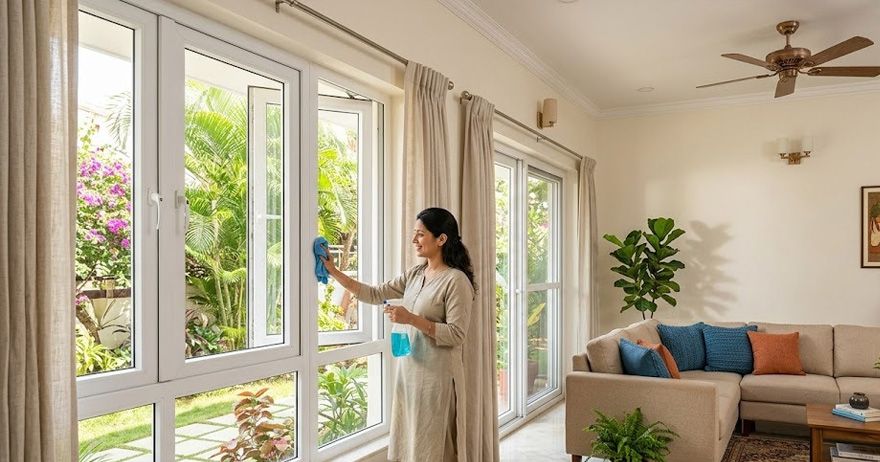
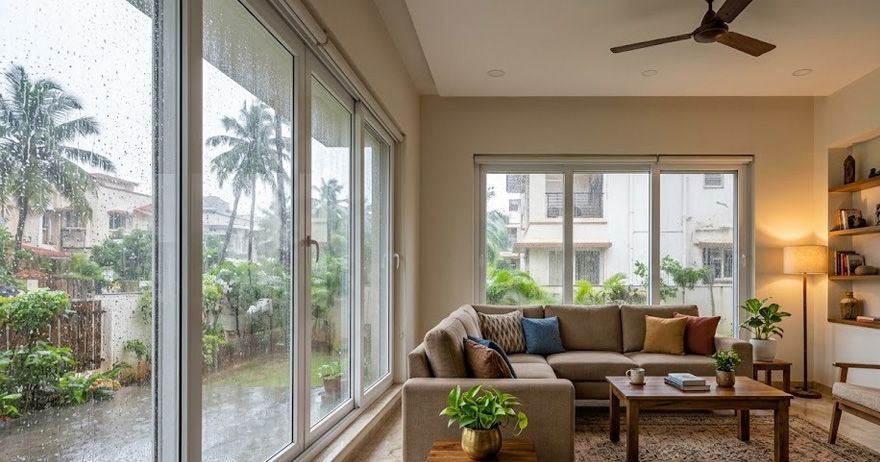
uPVC windows and doors offer superior insulation, durability, and minimal maintenance, making them one of the most popular choices for Indian homes today.

uPVC windows are one of the best heat-resistant window options for Indian summers because they reduce heat transfer and keep indoor spaces cool. Their multi-chambered design, airtight sealing, and low thermal conductivity prevent outside heat from entering the home. When combined with double-glazed or Low-E glass, uPVC windows can significantly lower indoor temperatures and reduce AC usage. In India’s hot climate, these windows are widely used for better insulation, energy efficiency, and long-term comfort.

The cost of uPVC windows in India typically ranges from ₹275 to ₹880 per sq ft for standard windows, depending on design, glass type, and quality. Premium options like double-glazed windows can cost between ₹500 and ₹1,200+ per sq ft. Installation charges usually range from ₹300 to ₹500 per window. The final price depends on factors such as window size, hardware, glazing, and customization. uPVC windows are considered a cost-effective investment due to their durability, low maintenance, and energy efficiency.

The best glass for windows in India depends on your needs: double-glazed glass is ideal for heat reduction and energy efficiency, while laminated glass is better for noise control and safety. For most urban homes, combining these with uPVC windows gives the best overall comfort.
Get insights straight to your mailbox

Confused between uPVC and aluminium windows? In India, uPVC is typically cheaper and more energy-efficient, while aluminium is better for strength and modern designs. Check prices, pros & cons, and find the best option for your home.

Casement windows are windows that are hinged on one side and open outward like a door using a handle or crank. They provide excellent ventilation, airtight sealing, and clear outdoor views. In Indian homes, uPVC casement windows are commonly chosen for better airflow, energy efficiency, and protection against dust and noise.

Double glazed windows and doors consist of two glass panes separated by an air or gas layer, which improves insulation and reduces noise. In Indian homes, they are widely used to block heat, lower energy bills, and create quieter indoor spaces. When combined with uPVC frames, double glazing provides better durability, weather resistance, and long-term performance.

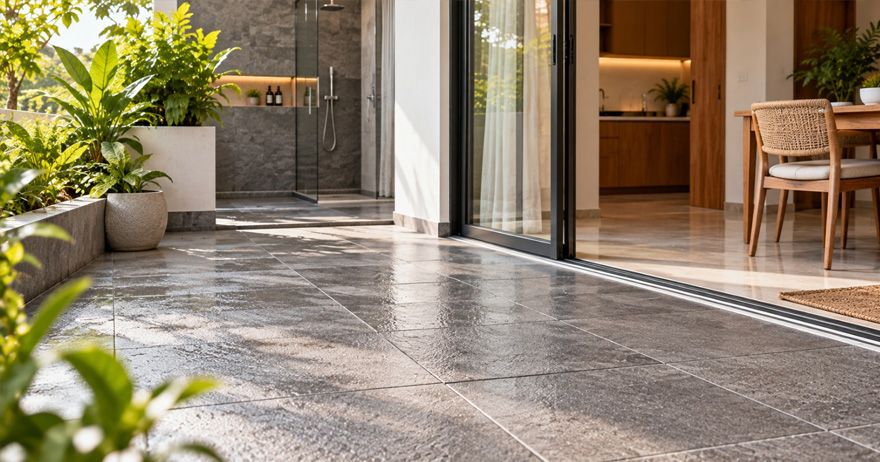
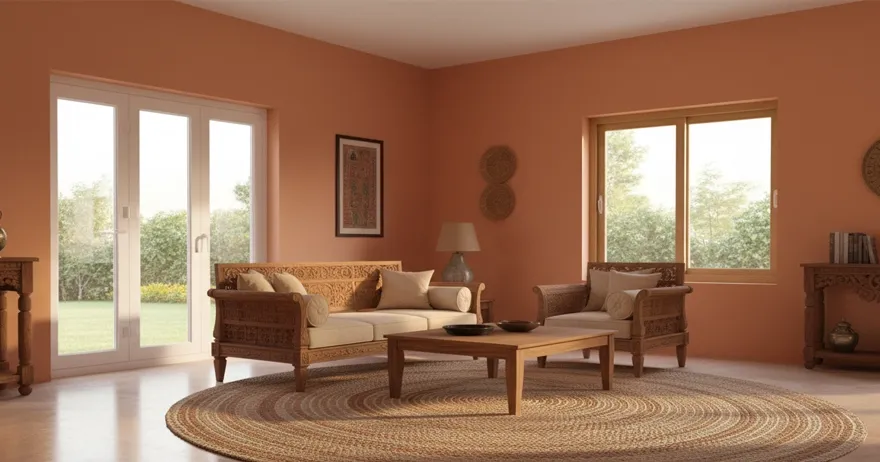
Sliding uPVC windows and doors are modern, space-saving systems where panels glide horizontally on tracks instead of opening inward or outward. They are ideal for Indian homes because they maximize space, provide better ventilation, reduce noise, and offer excellent insulation with low maintenance.

uPVC and wooden windows are common choices for Indian homes. Wooden windows offer a traditional and natural appearance, while uPVC windows provide better durability, weather resistance, and low maintenance. For modern homes in India, uPVC windows are often preferred because they are termite-proof, energy efficient, and more cost-effective over time.

uPVC windows and doors offer superior insulation, durability, and minimal maintenance, making them one of the most popular choices for Indian homes today.

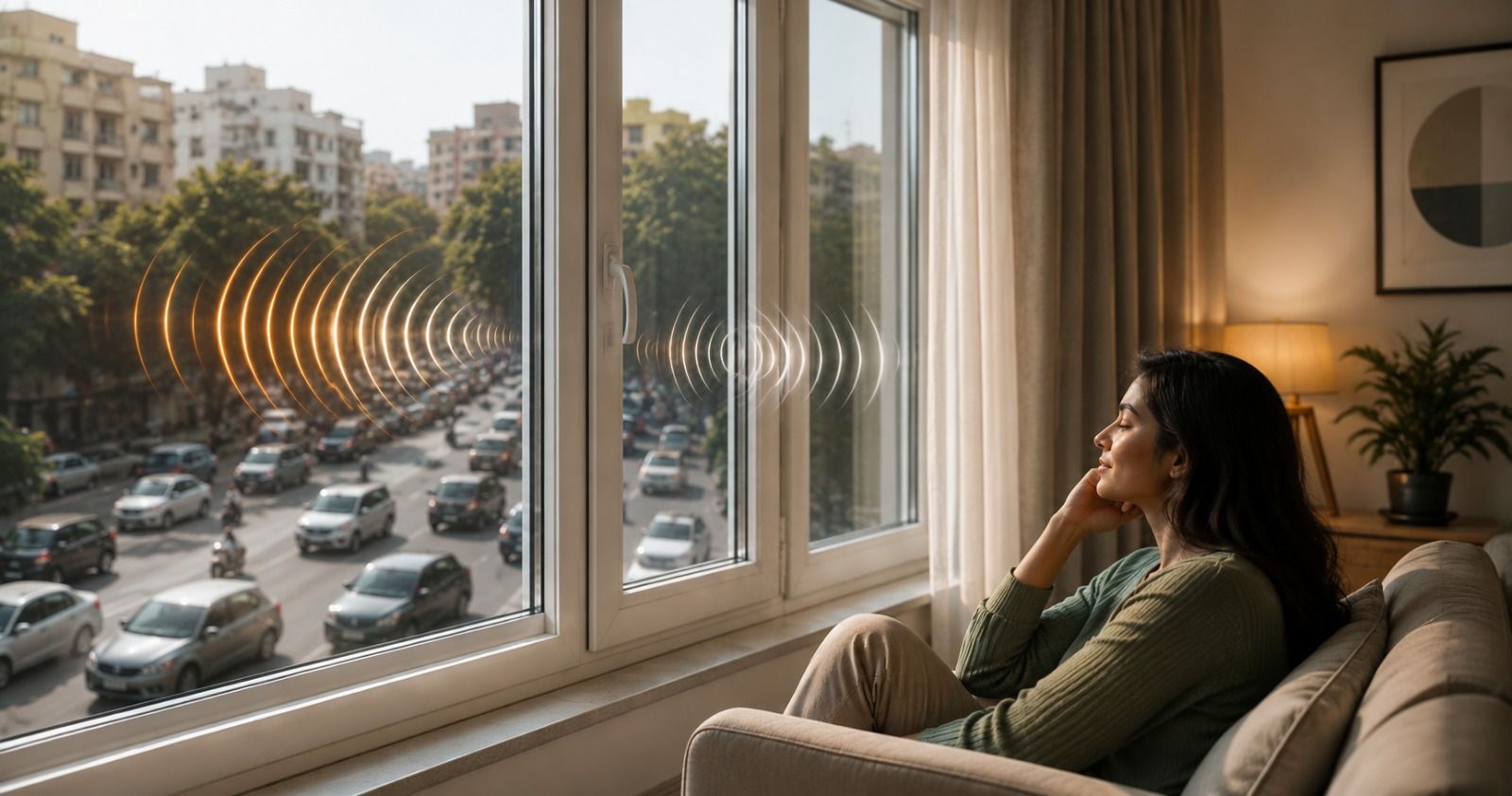
Soundproof windows and doors are specially designed frames and glass systems that reduce outside noise from traffic, construction, and urban environments. In Indian homes, uPVC soundproof windows with double or triple glazing are widely used because they provide excellent noise insulation, energy efficiency, and low maintenance.

The most common types of uPVC windows and doors used in Indian homes include sliding windows, casement windows, tilt and turn windows, fixed windows, French windows, and sliding or casement doors. These designs are popular because they offer durability, insulation, low maintenance, and modern aesthetics suitable for different home styles and climates in India.