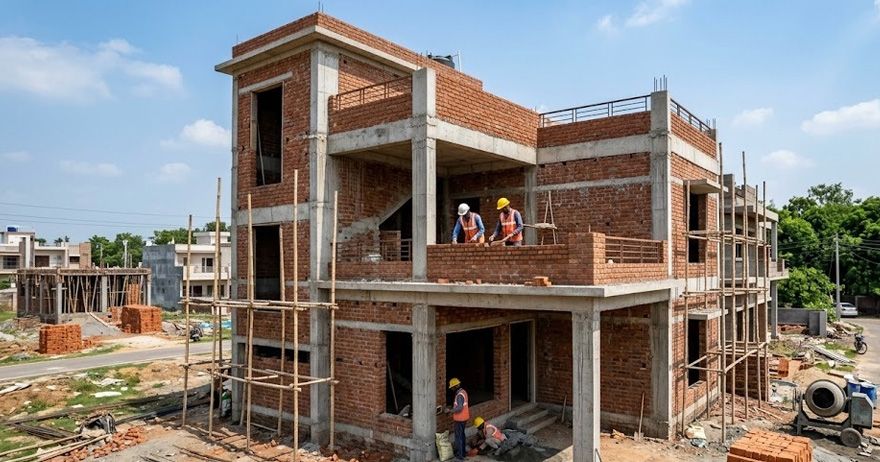
The strength and durability of your home depend on the building materials you choose during the process of construction. While design and workmanship are important, the quality of core materials like cement, steel, bricks, blocks, plumbing pipes, and uPVC windows determines how well your home withstands time, weather, and daily wear.
Investing in the right materials can reduce your maintenance costs, improve safety, and increase your property's value. And in this home construction guide, we'll explore the 5 essential building materials that have the biggest impact on your home's lifespan and explain how to choose each one wisely.
Why Material Quality Matters More Than You Think?
Material quality plays an important role in determining the overall strength, durability, safety, and performance of your home. While the cheaper materials seem cost-effective at first, there is a high chance of frequent repairs, replacements, and higher maintenance costs over time. But when you use quality materials, they are generally more resistant to moisture, weather changes, and everyday use. Also, quality materials help the home remain functional and visually appealing for longer. And choosing reliable materials can improve comfort and long-term property value.
Cement: The Foundation of a Strong Structure
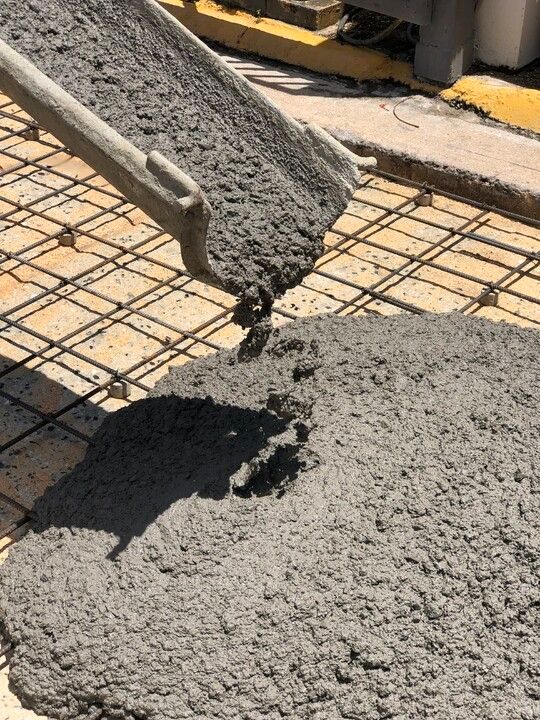
Cement is considered one of the most important materials that are used in construction because it acts as a binding agent. It holds different components of concrete and mortar together. The quality of cement directly influences the strength, durability, and stability of a building. Hence, using quality cement helps in creating stronger foundations, walls, slabs, columns, and other structural elements while reducing the risk of cracks, shrinkage, and premature deterioration.
TMT Steel Bars: The Backbone of Your Home
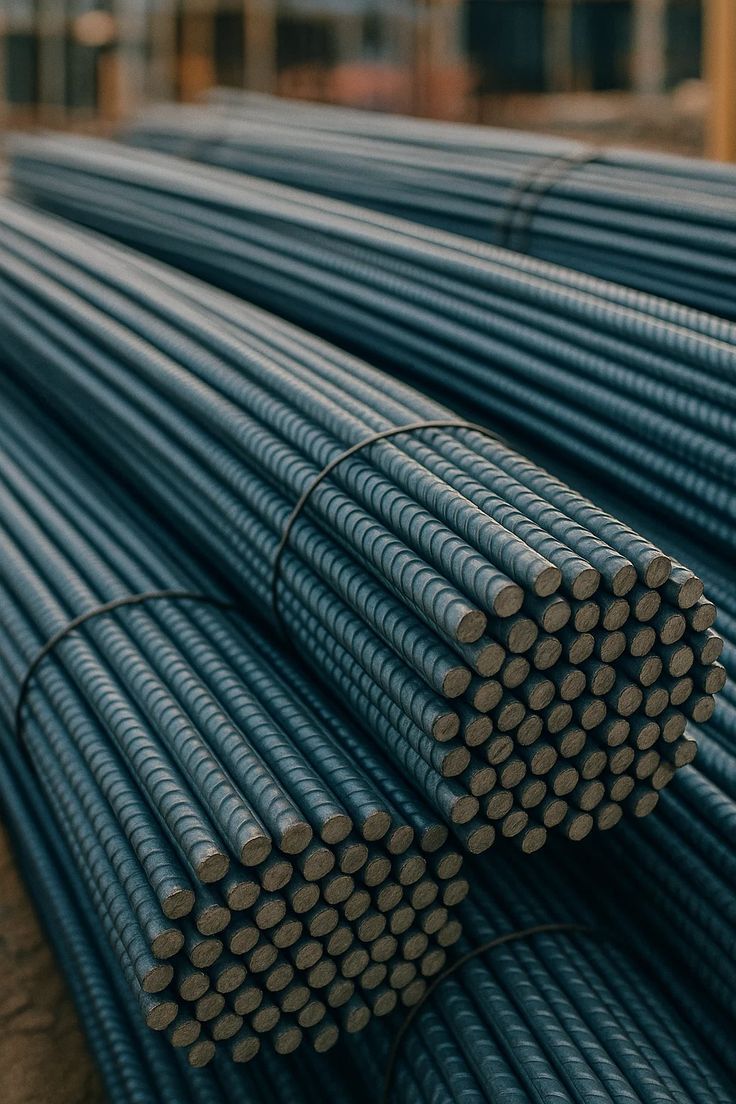
Thermo-Mechanically Treated or TMT steel bars act as a backbone for your home. These bars are widely used in foundations, columns, beams, slabs, and other reinforced concrete components. High-quality TMT bars offer a good balance of strength and durability, helping reduce the risk of structural damage in the future. And you should always choose steel bars that meet the required standards and use the correct grade and diameter as specified by the structural design.
Bricks vs AAC Blocks: Choosing the Right Wall Material
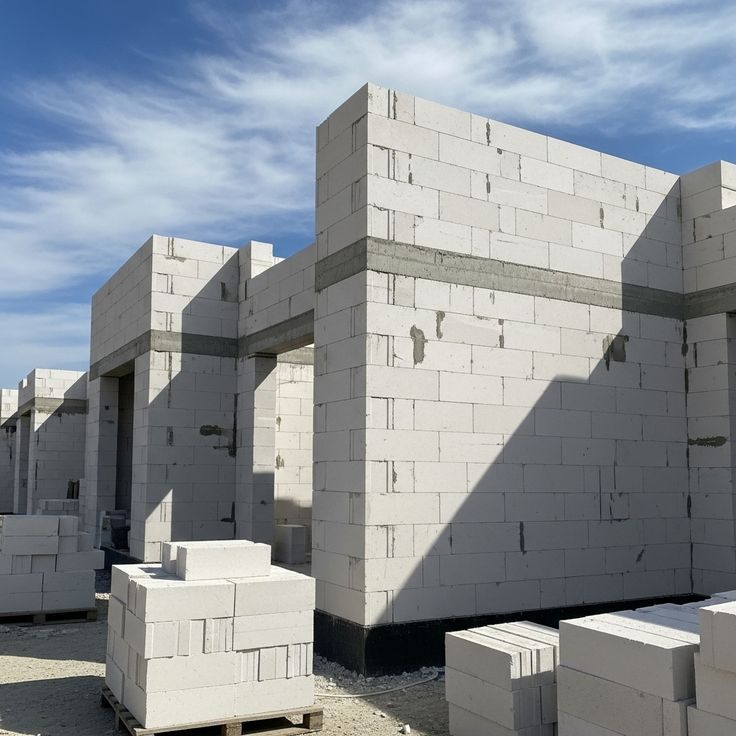
Check out the difference between bricks and AAC blocks. This table will help you in choosing the right materials for your home:
| Factors | Bricks | AAC Blocks |
|---|---|---|
| Best for | Bricks are best for traditional and general construction | AAC blocks are best for lightweight construction |
| Load | Add more dead load | Reduces overall wall load |
| Weight | Heavy | Lighter |
| Sound Insulation | Moderate | Good |
| Water Absorption | High | Moderate |
Plumbing Pipes: Preventing Leaks for Decades
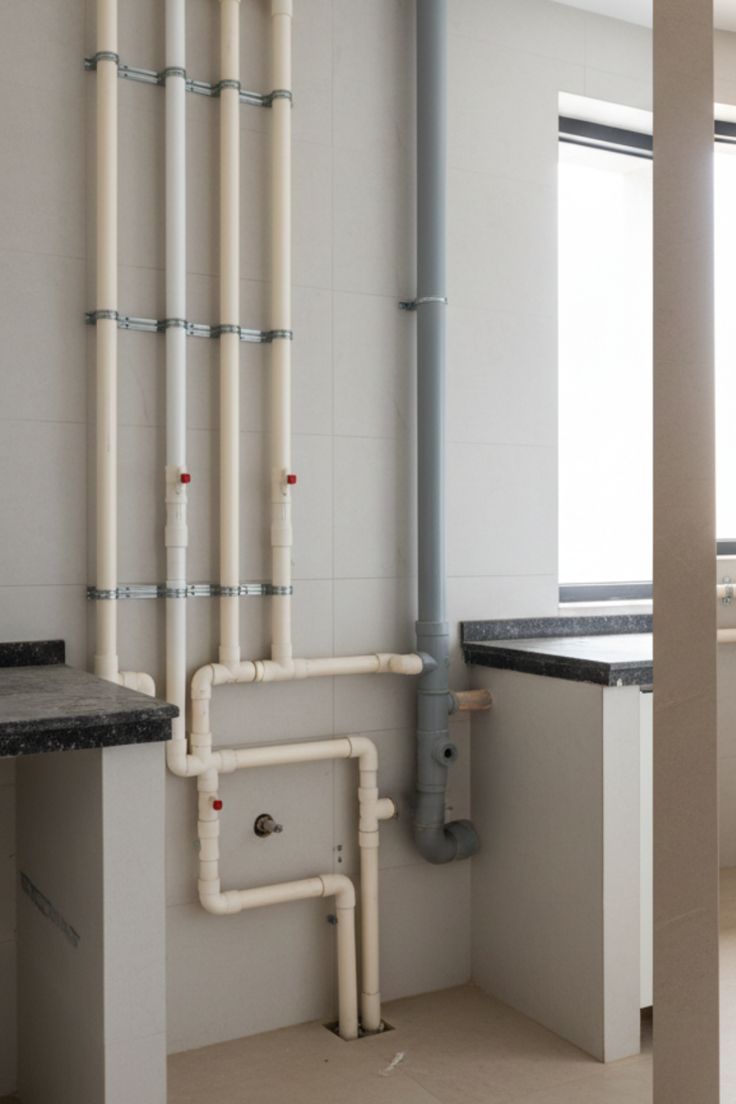
Plumbing pipes are used for carrying clean water into your home and wastewater out of it. It is important to use good-quality plumbing pipes as poor-quality or unsuitable pipes develop cracks, leaks, corrosion, or joint failures over time, leading to water wastage, dampness, mould, and future costly repairs. Along with choosing quality pipes, proper jointing, installation, support, and pressure testing are important to ensure the system remains leak-free and performs reliably for many years.
Windows and Doors: Protection Against Weather and Energy Loss
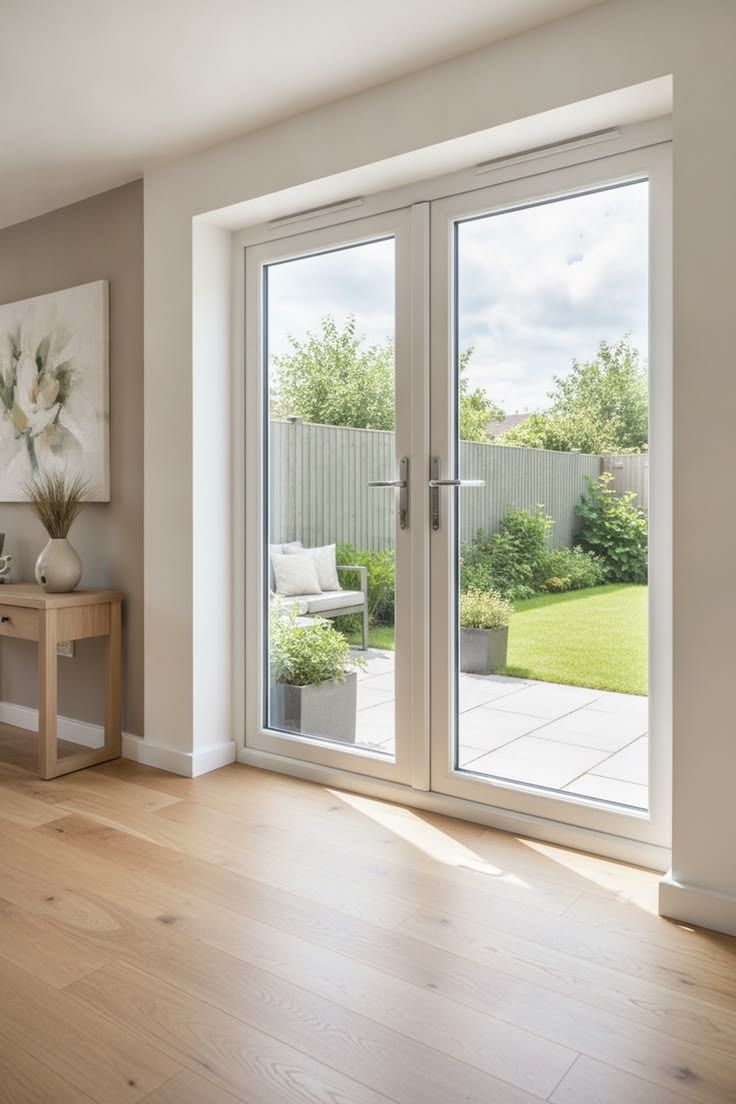
uPVC Windows and doors play an important role in protecting your home from heat, rain, dust, noise, and other changing weather conditions. High-quality windows and doors with durable frames, strong hardware, and properly fitted weather seals can reduce air leakage and help in maintaining a more comfortable indoor temperature.
They also provide better insulation and security while lasting longer with proper maintenance. So, when choosing windows and doors, consider factors such as the frame material, glass type, sealing system, strength, ventilation needs, and local climate rather than focusing only on appearance or initial cost.
How to Identify High-Quality Construction Materials?
If you think identifying high-quality construction materials is simply about choosing well-known brands or comparing prices, then you’re wrong. Read the below-mentioned pointers on how to identify the best quality construction materials:
- You need to check whether the material meets the relevant Indian quality standard.
- Check for appropriate certifications and markings, such as the BIS mark.
- Inspect the house construction materials for visible defects, damage, moisture, and other signs of poor manufacturing before making the final purchase.
- Verify the grade, specifications, manufacturing date, and test certificates.
- Buy materials from reliable suppliers and ensure they are stored properly at the construction site.
Common Material Selection Mistakes to Avoid
You must avoid all these material selection mistakes to improve the durability and lifespan of your home:
- Avoid selecting materials based solely on appearance or recommendations without checking if they are suitable for your project's specific requirements.
- Avoid ignoring quality standards and buying from unreliable suppliers.
- Don’t overlook climate and site conditions.
- Don’t mix incompatible materials.
- Don't fail to verify the required grade or specifications.
- Don’t avoid taking advice from qualified professionals and comparing materials.
Tips to Build a Long-Lasting, Low-Maintenance Home
Follow the below-mentioned tips if you want to build a long-lasting and low-maintenance home:
- Focus on quality materials, proper workmanship, and designs that suit your local climate and site conditions.
- Invest in durable flooring, weather-resistant windows and doors, reliable plumbing and electrical systems, and effective waterproofing to reduce future repair needs.
- Ensure you are not compromising on quality to save money.
- Invest in good drainage, proper ventilation, adequate insulation, and well-planned access for maintenance.
- Make sure you do regular inspections and timely repairs.
Final Thoughts
Building a strong and long-lasting home is not just about choosing an attractive design. It is about choosing quality building materials throughout the construction process. Cement, TMT steel, bricks, plumbing pipes, windows, and doors- you should know that every material contributes to the overall performance and durability of your home. So, while choosing reliable materials, you just need to meet the required standards, work with skilled professionals, and avoid compromises in critical areas.