Most homeowners are often confused between primer and wall putty while painting their house. Many wonder whether to use primer or wall putty. Or if both are necessary?
Wall putty and primer both serve completely different purposes. Wall putty is used to create a smooth and even surface by filling minor imperfections, whereas primer improves paint adhesion, enhances durability, and ensures a uniform finish of the wall. Skipping either step can badly affect the final appearance and lifespan of your wall paint.
And in this blog, we'll explain the differences between primer and wall putty, when each should be used, and how to achieve a long-lasting, professional-quality paint finish.
What Is Wall Putty?
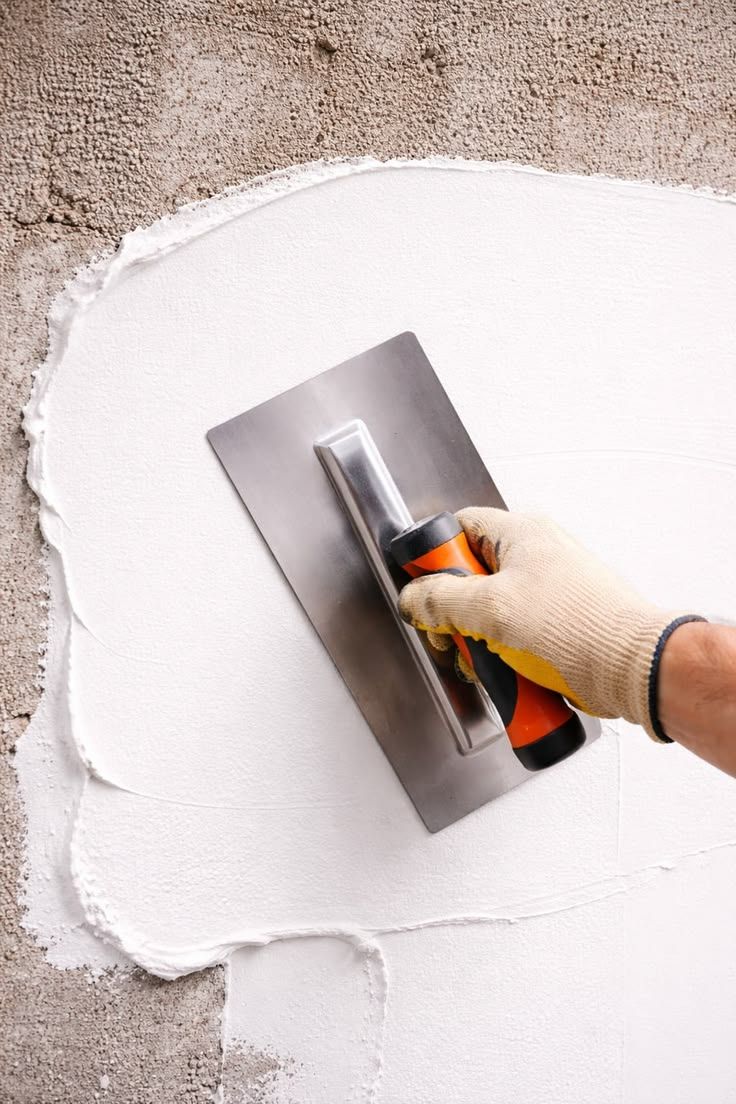
Wall putty is a fine, cement-based or acrylic material that is applied to walls before painting. The main task of wall putty is to fill small cracks, dents, and pores, and create a smooth surface for wall paint. Wall putty also helps improve paint adhesion and give the walls a can give the walls a more even appearance.
What Is Wall Primer?
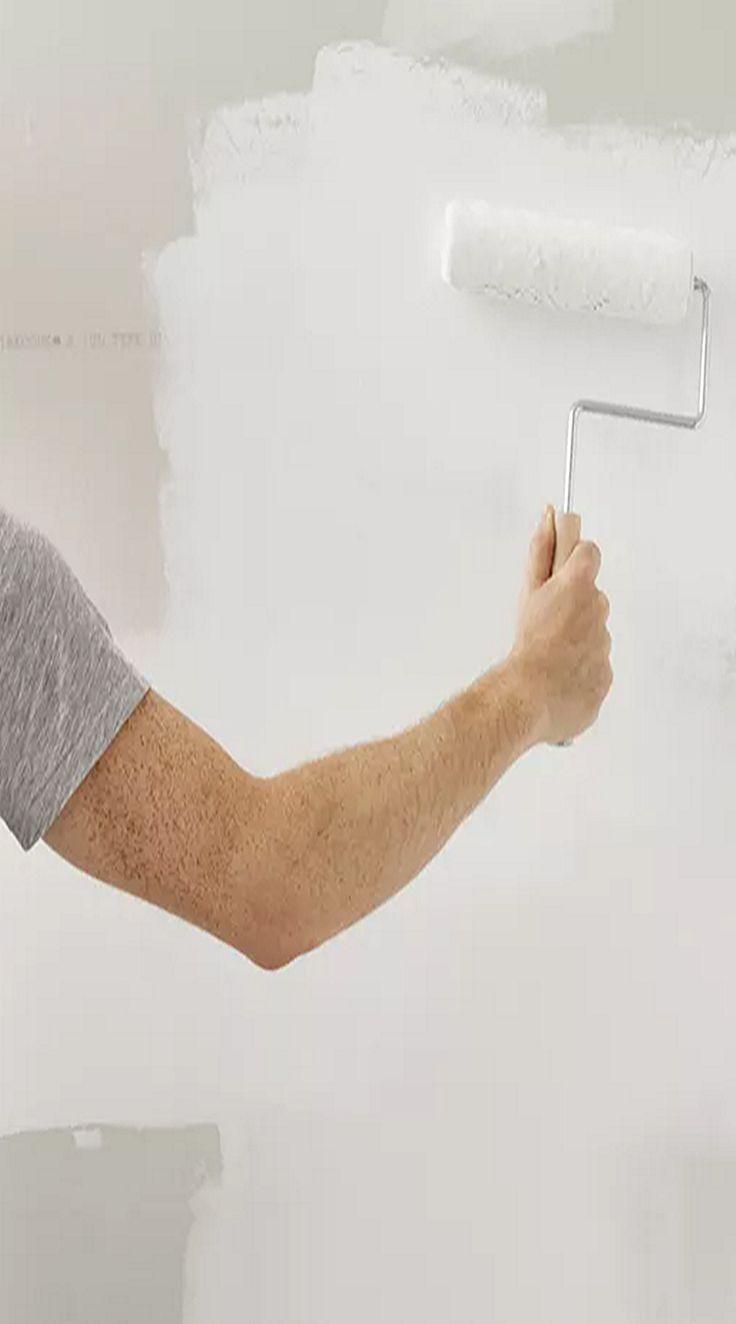
Wall primer is a preparatory coating that is applied after wall putty and before the final paint coat. It is responsible for forming a smooth base for the paint, improving adhesion, and helping the paint spread more evenly. Also, primer reduces the amount of paint needed by limiting how much the wall surface absorbs.
Primer vs Putty: Key Differences
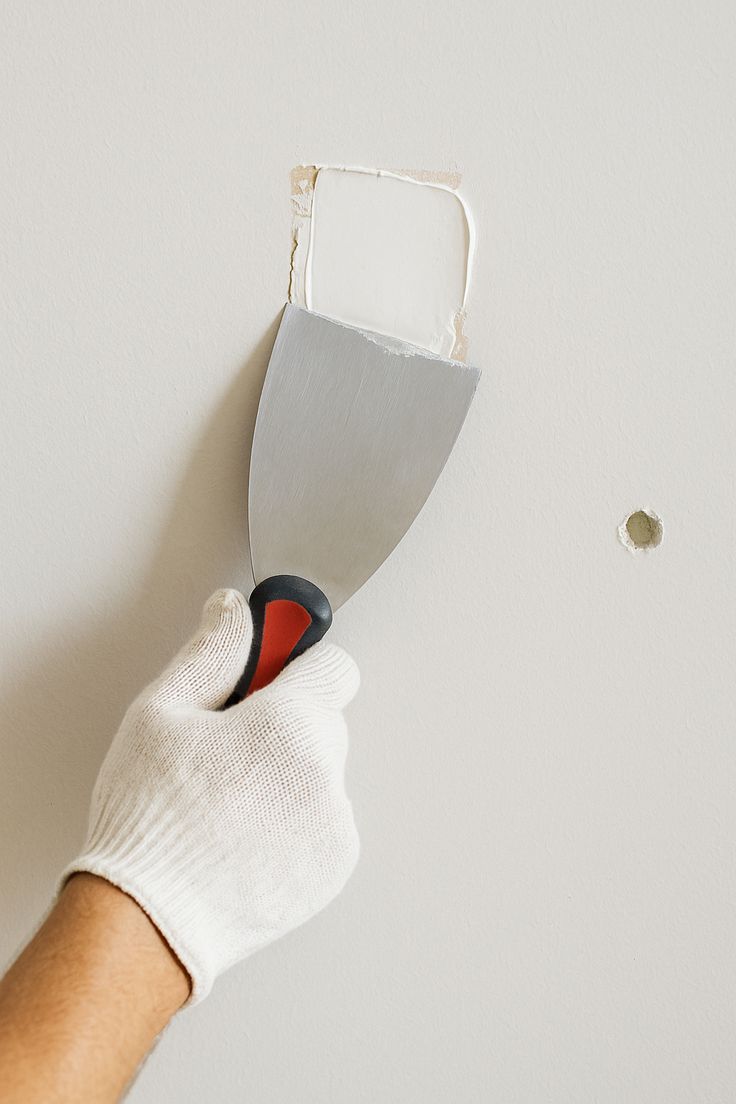
Both primer and wall putty are responsible for smooth application and the final finish of wall paint. But both, wall putty vs primer have certain differences as well, and here we have listed the key differences:
| Basis | Primer | Wall Putty |
|---|---|---|
| Main Purpose | To prepare the walls for the final coat of paint. | To fill all the gaps; cracks; holes; and smooth uneven texture. |
| Texture | Thin and liquid | Thick and paste-like |
| Application stage | Before paint | Before primer |
| Water resistance | Depends on the type of primer used | Depends on the type of wall putty used |
| Can replace wall paint? | No | No or Maybe |
When Should You Use Wall Putty?
You should use wall putty when:
- The wall surface is uneven
- The walls have minor cracks, holes, pores, and dents
- You want to paint the newly plastered walls
- You’re repainting your walls that have visible surface imperfections
- You want a smoother and more uniform paint finish
When Is Primer Essential?
Primer is essential when you want to prepare the wall properly before applying the final paint. It helps the paint adhere better to the surface and reduces uneven paint absorption. You should apply primer:
- Before painting newly puttied walls
- On porous surfaces that absorb paint quickly
- After wall repairs or patchwork
- When you’re repainting your wall with a significantly different colour
- When you want to improve paint adhesion and achieve more even coverage
Correct Order: Putty, Primer, and Paint
If you want a smooth and long-lasting wall finish, then you should know the right order for using putty, primer, and paint. Each layer prepares the surface for the next one, and the correct order is:
1. Prepare Your Walls Well
Before using putty or primer, you should clean your walls by removing dust, loose paint, grease, and other dirt. Also, repair all the major cracks or damaged areas that cannot be concealed by wall putty.
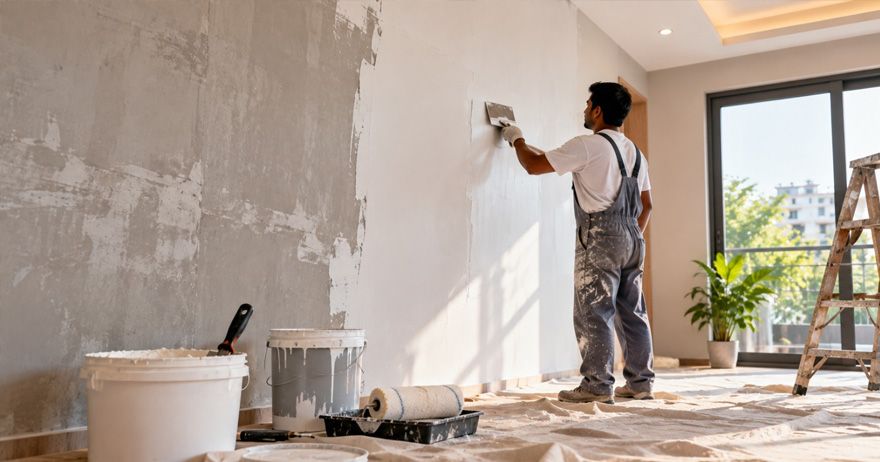
2. Apply Wall Putty
The second step is to apply wall putty to fill all minor cracks and uneven areas. When the putty is properly dry, sand the surface to make it smooth and dent-free.
3. Apply Primer
After sanding the putty, it’s time to apply a suitable wall primer. A primer helps seal the surface and provides a better base for the paint. Also, if you face issues like dampness in the area, you can choose a waterproof primer that acts as a barrier.
4. Apply Wall Paint
The last and final step after the primer has dried is to apply the required coats of wall paint. Make sure you allow each coat to dry before applying the next one for the best finish.
Common Painting Mistakes to Avoid
If you’re also looking to paint your house, you should not make these common mistakes:
- Applying paint on a dusty or damp wall.
- Not preparing the surface before painting.
- Applying primer over wet or poorly finished wall putty.
- Applying thick coats of wall putty instead of thin, even coats.
- Using dirty or low-quality brushes and rollers while painting.
- Ignoring cracks, damp patches, and other wall problems before painting.
- Choosing the wrong primer and paint type.
Tips for a Smooth and Long-Lasting Paint Finish
Follow the below-mentioned tips for a smooth and llong-lastingpaint finish:
- Clean and prepare your wall properly before starting the process.
- Repair all big cracks, holes, and uneven areas before applying putty.
- Allow each layer to dry completely before applying the next one.
- Sand the putty evenly to create a smooth surface before applying primer.
- Choose a primer that is compatible with the wall and paint.
- Apply thin and even coats of paint.
- Keep the room properly ventilated while painting and drying.
- Address dampness or water leakage before painting.
Which Option Is Best for New and Old Walls?
For new walls, you should use wall putty followed by primer and paint. Wall Putty will help you smooth the freshly plastered surface, while primer prepares it for the final paint. And for your old walls, the choice depends on their condition. If the existing surface of your walls is smooth and in good condition, then primer may be sufficient after proper cleaning and preparation. But if the wall has cracks, dents, peeling areas, or an uneven surface, putty may be needed before applying primer and paint.
Final Thoughts
Wall putty and primer both play different roles in the painting process. Putty helps create a smooth and even surface, while primer prepares that surface for better paint application and adhesion. Following the correct order and allowing enough drying time between each layer can help achieve a cleaner and more durable paint finish.