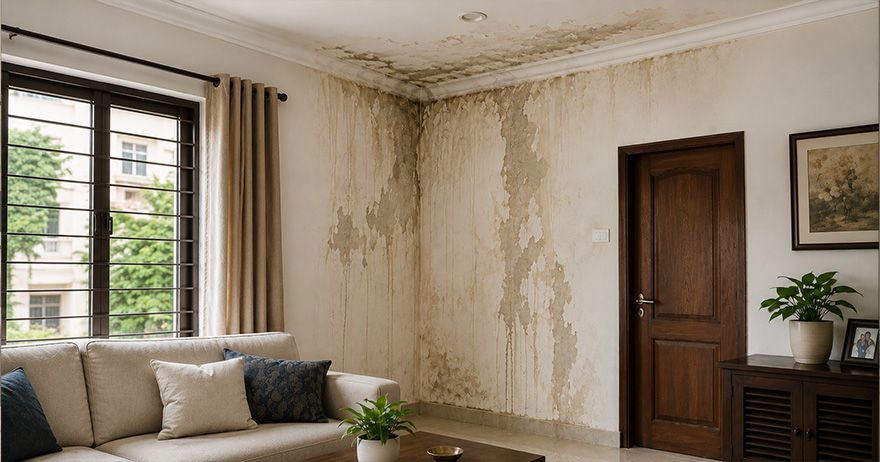
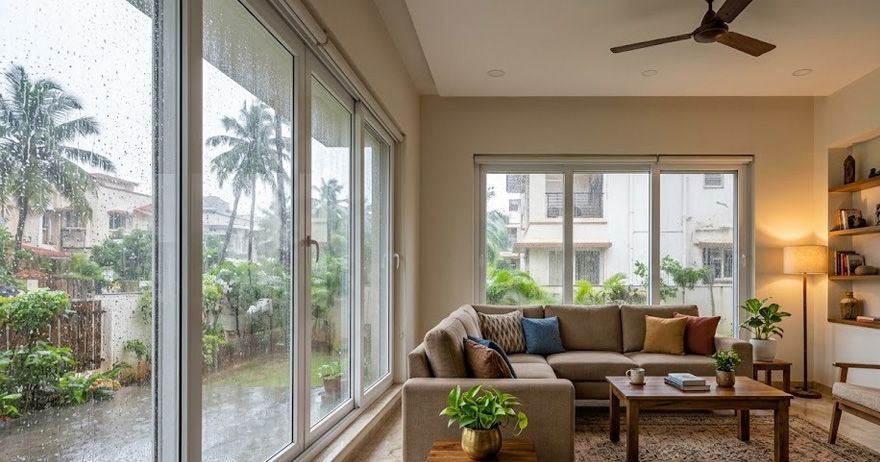
Heavy rains can quickly expose weak windows through leaks, water seepage, damp walls, and unwanted drafts. Investing in monsoon-ready windows helps protect your home from rain while improving insulation, comfort, and energy efficiency. High-quality uPVC windows with weather seals, multi-point locking systems, drainage channels, and the right glass configuration offer superior protection against harsh weather conditions.
Whether you're building a new home or replacing old windows, choosing the right window system is essential for a dry, comfortable living space. This guide explains how monsoon-ready windows work and what features you should look for before buying.
Why Windows Matter During the Monsoon
Windows are one of the most exposed parts of a home's exterior. During heavy rainfall, poorly fitted or ageing windows can allow water to enter through gaps around the frame, joints, drainage points, or glazing. Good-quality rainproof windows are designed to manage rainwater and reduce the chances of water entering the home.
A properly designed window system prevents water seepage and protects your interior walls. Windows help reduce unwanted air movement and improve indoor comfort. A well-installed window can reduce unwanted heat transfer and contribute to a more comfortable indoor environment. They even protect your furniture and flooring.
Features of Monsoon-Ready Windows
These below features are particularly important when selecting waterproof windows.
High-Quality Weather Seals
Seals and gaskets around the frame and glass help close potential gaps. They should be properly fitted and remain flexible and effective over time.
Effective Drainage Channels
Rainwater can still reach parts of the window system even when the window is closed. Proper drainage channels allow collected water to move safely toward the exterior.
Secure Locking Systems
A properly adjusted locking system helps the sash close tightly against the seals. Multi-point locking can provide multiple locking points around the frame.
Appropriate Glass Configuration
The glass should be selected according to the home's location, exposure, security requirements, and thermal needs.
Correct Frame Installation
Even a high-quality window can leak if it is poorly installed. The frame must be correctly aligned, sealed, and integrated with the surrounding wall.
Durable Materials
Windows exposed to intense sun, rain, humidity, and wind need materials that can withstand changing weather conditions without excessive deterioration.
Why uPVC Windows Perform Better in Rainy Weather
uPVC windows for monsoon conditions can be particularly useful because the material does not rust like conventional ferrous metal frames. Some of the key uPVC window benefits are given below.
- Resistance to Moisture: uPVC does not absorb water in the same way as many porous materials. It is suitable for areas exposed to frequent rain and humidity.
- Low Maintenance: uPVC generally does not require regular painting to maintain its basic weather-resistant surface.
- Effective Sealing: Modern uPVC systems can incorporate multiple gaskets and sealing points that help reduce water and air infiltration.
- Integrated Drainage: Many uPVC window profiles include internal drainage paths that help move collected water toward the exterior.
- Good Insulation: When combined with suitable glazing and proper installation, uPVC frames can contribute to thermal and acoustic insulation.
- Corrosion Resistance: uPVC doesn't corrode or rust in the way exposed metal can, making it useful in humid and coastal environments.
Best Window Types for Monsoon Protection
The best windows for rainy season are ultimately those that combine a suitable opening style with quality profiles, effective drainage, reliable seals, appropriate glazing, and professional installation.
1. Casement Windows
Casement windows close against a frame and can provide strong sealing when properly manufactured, installed, and adjusted. Their design can work well where weather protection and controlled ventilation are priorities.
2. Sliding Windows
Sliding windows are convenient and space-efficient. However, their tracks need to be properly designed and maintained so that rainwater can drain effectively.
3. Fixed Windows
Fixed windows don't open, making them useful where ventilation isn't required. With proper glazing and perimeter sealing, they can provide strong resistance to rain infiltration.
4. Combination Windows
Combining fixed and operable sections can provide a balance between natural light, ventilation, and weather protection.
5. Top-Hung Windows
Depending on the design and installation, top-hung configurations can provide ventilation while helping limit direct rain entry when opened slightly.
Weather Seals, Drainage Systems, and Multi-Point Locks Explained
Three components deserve particular attention when assessing window performance during heavy rain. Together, these elements form an important part of monsoon window solutions.
Weather Seals
Weather seals create a barrier between moving and fixed components. They help minimise gaps through which rainwater and air could enter. Over time, seals can become worn, compressed, or damaged. Regular inspection is therefore important, particularly before the rainy season.
Drainage Systems
Water can reach the internal profile through condensation or small openings. Drainage channels provide a controlled route for this water to escape outside. Drainage holes should never be blocked with dirt, paint, silicone, or other materials.
Multi-Point Locking
Multi-point locking systems secure the sash at multiple positions rather than relying on a single locking point. It helps the window close more evenly against its seals. Proper adjustment is essential. A sophisticated locking system cannot compensate for a poorly aligned frame or damaged seals.
Signs Your Existing Windows Need Replacement
Older windows may continue to function, but repeated problems during the rainy season can indicate that the system is no longer providing adequate protection.
Persistent Water Leakage
If rainwater repeatedly enters the home despite cleaning and basic sealing, the frame, seals, drainage system, or installation may need professional inspection.
Damaged or Hardened Seals
Cracked, brittle, loose, or compressed seals can create gaps around the window and allow water and air to pass through.
Difficult Operation
Windows that are difficult to open, close, or lock may have alignment or hardware problems. Forcing them can further damage the frame and locking mechanism.
Visible Frame Damage
Cracks, corrosion, warping, or deterioration around the frame can compromise the window's overall performance.
Dampness Around the Window
Peeling paint, mould growth, water stains, or damp patches around the opening may indicate water infiltration that needs investigation.
Poor Weather Performance
If you notice excessive drafts, rattling during storms, or frequent water seepage, upgrading to properly installed leak-proof windows may provide better long-term protection.
Common Mistakes That Cause Window Leaks
Even a good-quality window can develop leakage problems when installation and maintenance are neglected.
- Blocking Drainage Holes: Window drainage openings allow water to escape. Blocking them with dirt, paint, sealant, or debris can cause water to accumulate inside the frame.
- Using Excessive Silicone: Sealant can help close appropriate joints, but randomly applying large amounts of silicone isn't a substitute for proper installation or drainage.
- Poor Frame Installation: A window that isn't correctly aligned or sealed to the surrounding wall can develop gaps through which water enters.
- Ignoring Damaged Seals: Small cracks or gaps in weather seals can gradually become larger problems during heavy rain.
- Choosing Windows Only by Appearance: A stylish frame doesn't automatically provide good weather protection. Look at the profile, glazing, seals, drainage, hardware, and installation quality.
- Neglecting Maintenance: Dust and debris can accumulate in tracks and drainage areas. Regular cleaning is particularly important before the rainy season.
Tips to Prepare Your Windows Before the Rainy Season
These steps below form a practical part of window waterproofing, but significant leakage should be assessed by a qualified professional rather than relying on temporary fixes.
- Inspect the Seals: Check the visible seals around the window for cracks, gaps, hardening, or other damage.
- Clean Drainage Channels: Remove leaves, dust, insects, and other debris from drainage openings and tracks. Don't seal or permanently block drainage holes.
- Check Window Operation: Open, close, and lock each window. If a sash feels loose, difficult to operate, or doesn't close evenly, arrange for an inspection.
- Examine the Surrounding Wall: Look for stains, cracks, peeling paint, or damp patches around the window frame. These may indicate an existing moisture problem.
- Check External Sealant: Inspect the joints between the window frame and wall for visible gaps or deterioration. Repairs should be carried out using appropriate materials and methods.
- Trim Nearby Vegetation: If plants or branches are touching the windows, trim them where appropriate. This can reduce debris accumulation and allow the window area to dry more effectively.
- Test During Light Rain: If possible, observe the windows during normal rainfall before the peak monsoon period. Early detection gives you time to address minor issues.
Choosing the Right Windows for Indian Monsoons
If you are planning monsoon home protection, investing in a properly designed and professionally installed window system is important. When selecting weatherproof windows, consider the following below.
Assess Local Weather Conditions
Consider the intensity of rainfall, wind exposure, humidity, and whether the property is located in a coastal or inland environment.
Choose the Right Profile
Look for window profiles designed for the intended application, with suitable drainage channels, seals, and reinforcement where required.
Select Appropriate Glass
Glass selection should take into account safety, thermal performance, noise, sunlight exposure, and the specific requirements of the room.
Prioritise Installation Quality
Even an excellent window can perform poorly when installed incorrectly. Choose an experienced installer and ensure the frame is properly aligned and sealed.
Consider Maintenance
Select a system whose tracks, drainage channels, seals, and hardware can be accessed and maintained conveniently.
Don't Ignore Ventilation
Rain protection shouldn't mean keeping the home permanently closed. Select opening configurations that allow controlled ventilation when weather conditions permit.
Compare Complete Systems
Instead of comparing only frame prices, consider the complete package: profile, glazing, hardware, seals, installation, warranty, and after-sales support.
Final Thoughts
The best monsoon-ready windows combine effective drainage, reliable weather seals, appropriate glazing, secure hardware, and professional installation. Simply choosing a particular frame material isn't enough, rather the entire window system must work together to manage rainwater and withstand local weather conditions. With the right planning and regular maintenance, monsoon-ready windows can help keep your home drier, more comfortable, and better protected throughout the rainy season.