Are you also tired of pests? And don’t know why they are coming back, even after doing pest control? Many homeowners in India unknowingly keep several household items that attract pests and create a perfect breeding environment for cockroaches, ants, rodents, termites, flies, and other unwanted visitors.
Even leftover food, cardboard boxes, standing water, pet food, clutter, and even damp fabrics can invite pests into your home. So, identifying and removing these attractants is one of the easiest ways to prevent infestations before they become a serious problem.
In this blog, we'll explore 15 common household items that attract pests, explain why they do so, and share practical tips to keep your home clean, healthy, and pest-free.
Why Are Pests Attracted to Homes?
Pests are attracted to homes because they get easy access to food, water, warmth, and shelter. Most of the time, homeowners don’t pay much attention to uncovered food, leftover crumbs, overflowing garbage bags, leaking pipes, and standing water, which can create ideal conditions for insects and rodents.
Small cracks around your windows, doors, walls, and pipes are also convenient entry points for insects and pests. And the clutter of overgrown plants provides perfect hiding and nesting spaces.
Food Waste and Unsealed Pantry Items
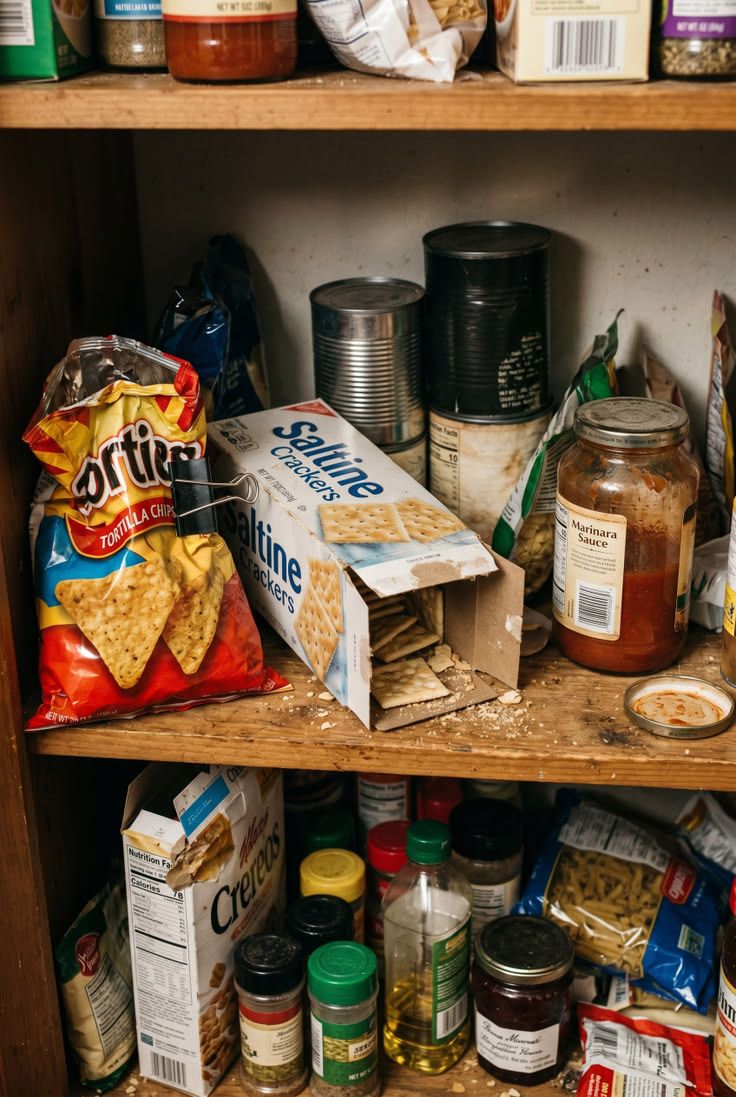
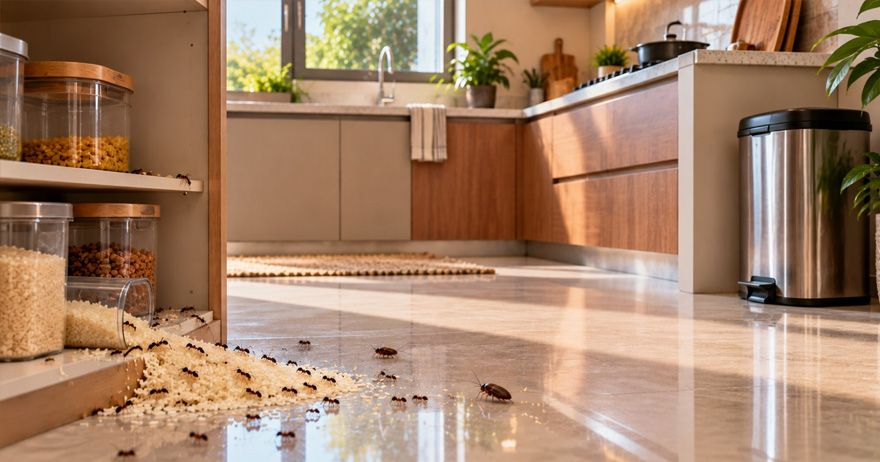
Food waste is one of the most common ways to attract pests. Unsealed pantry items also become a breeding ground for cockroaches, ants, flies, and rodents. So, properly discard leftover food, crumbs, and open packets so pests don’t have a readily available food source. To reduce the risk of infestation, dispose of food waste regularly, clean spills, store pantry items in airtight, properly sealed containers, and clean the area regularly.
Standing Water and Damp Areas
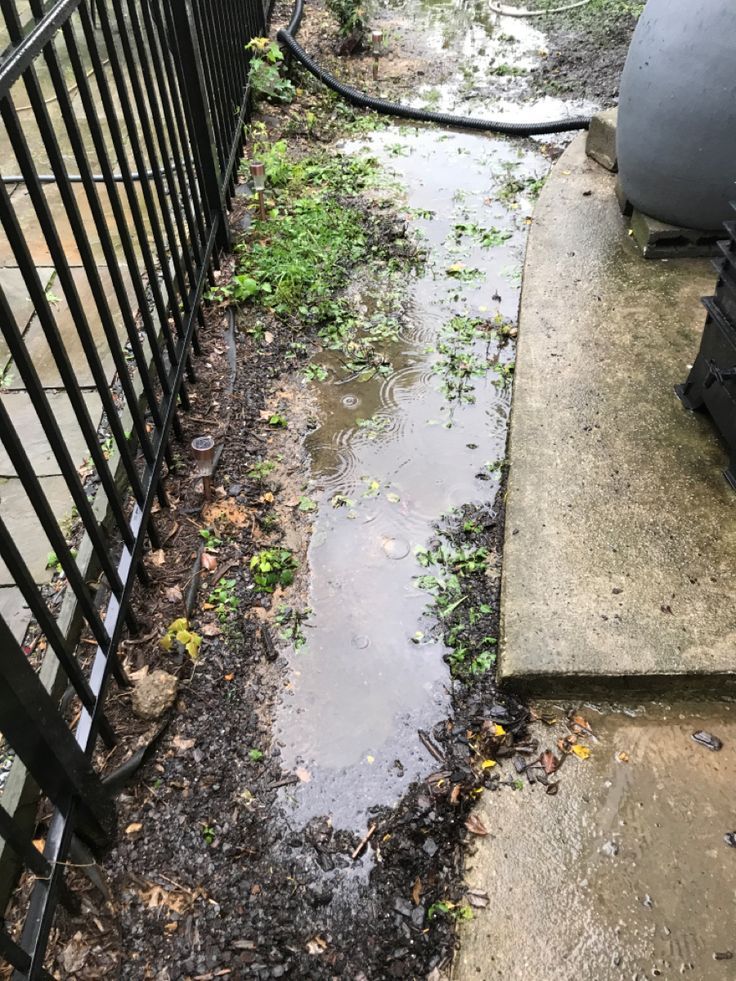
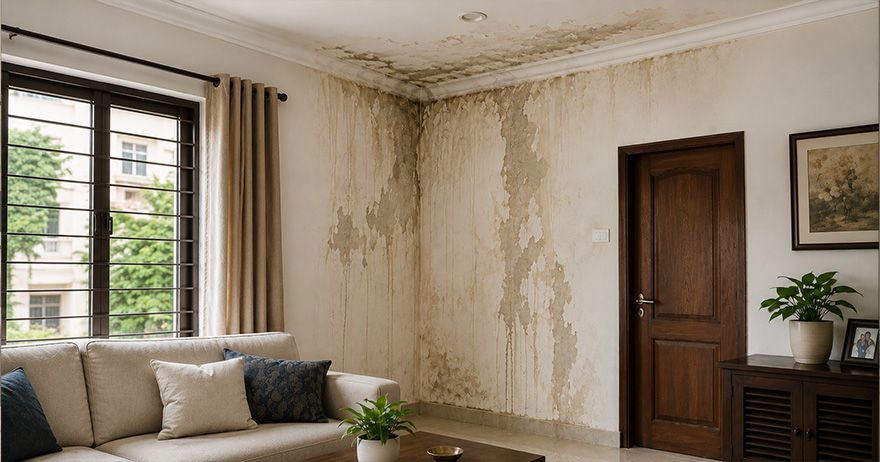
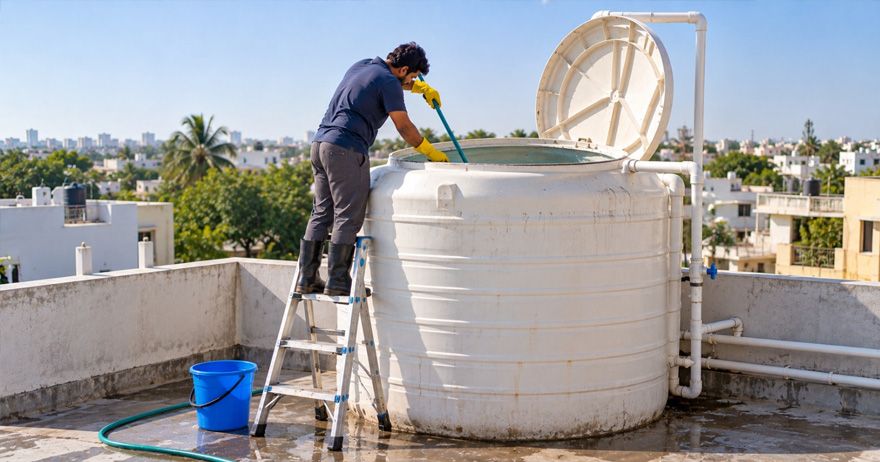
Leaking pipes, clogged drains, waterlogged gardens, damp walls, and areas with poor drainage are directly responsible for creating ideal living conditions for pests such as mosquitoes, cockroaches, termites, and other insects. Areas that are mostly damp and collect standing water provide the moisture that pests need to survive and reproduce. That’s why it’s important to check for leaks and stagnant water on a regular basis. Homeowners need to invest in a proper drainage system and keep damp areas properly ventilated to reduce the risk of pest attacks.
Cardboard Boxes and Paper Clutter
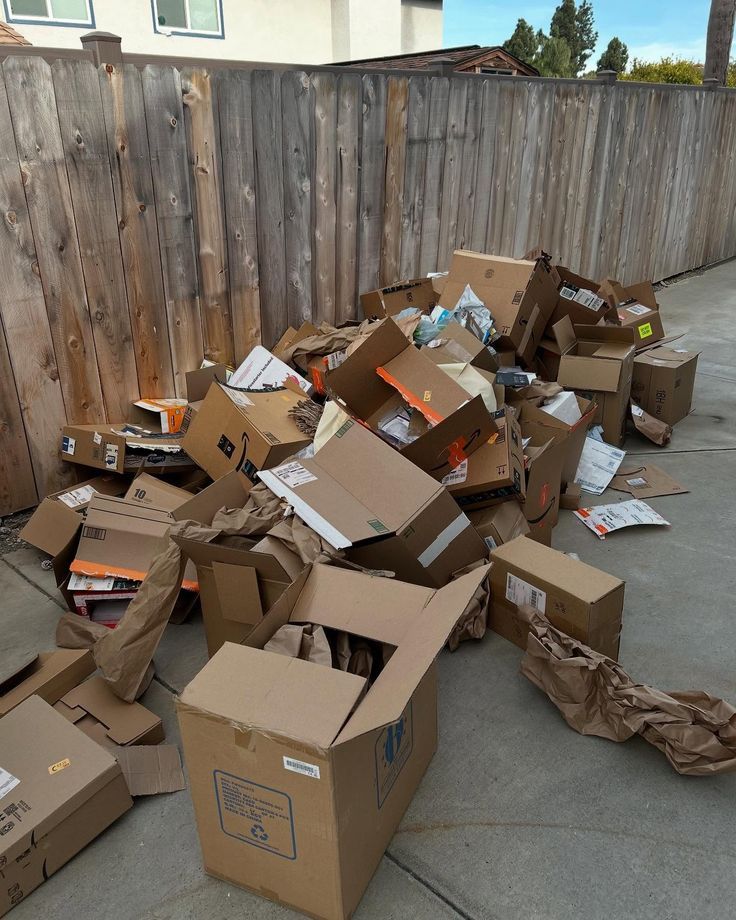
Do you know that your collection of cardboard boxes and paper clutter also provides shelter to cockroaches, silverfish, termites, and rodents? Cardboard also absorbs moisture and makes it more attractive to pests. So, if you have a pile of unused paper or cardboard boxes, you should keep them organized and regularly dispose of them to reduce potential hiding and nesting spots for pests.
Pet Food, Bird Feed, and Animal Bowls
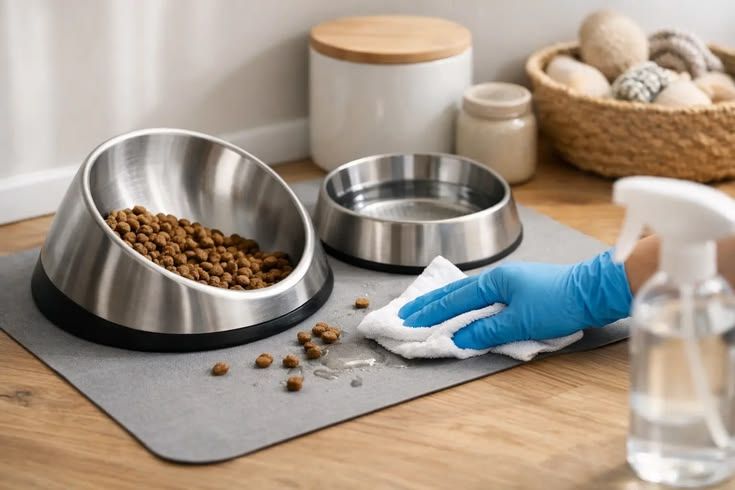
When pet food, bird feed, and animal bowls are left exposed for a long time, they attract ants, cockroaches, flies, rodents, and other pests. So, while feeding the birds, make sure you are cleaning up spilled grains, leftover pet food, and unwashed bowls. Also, to prevent pests, store your pet and bird food in airtight containers, clean bowls regularly, remove uneaten food promptly, and sweep up any spills around feeding areas.
Garbage Bins and Organic Waste
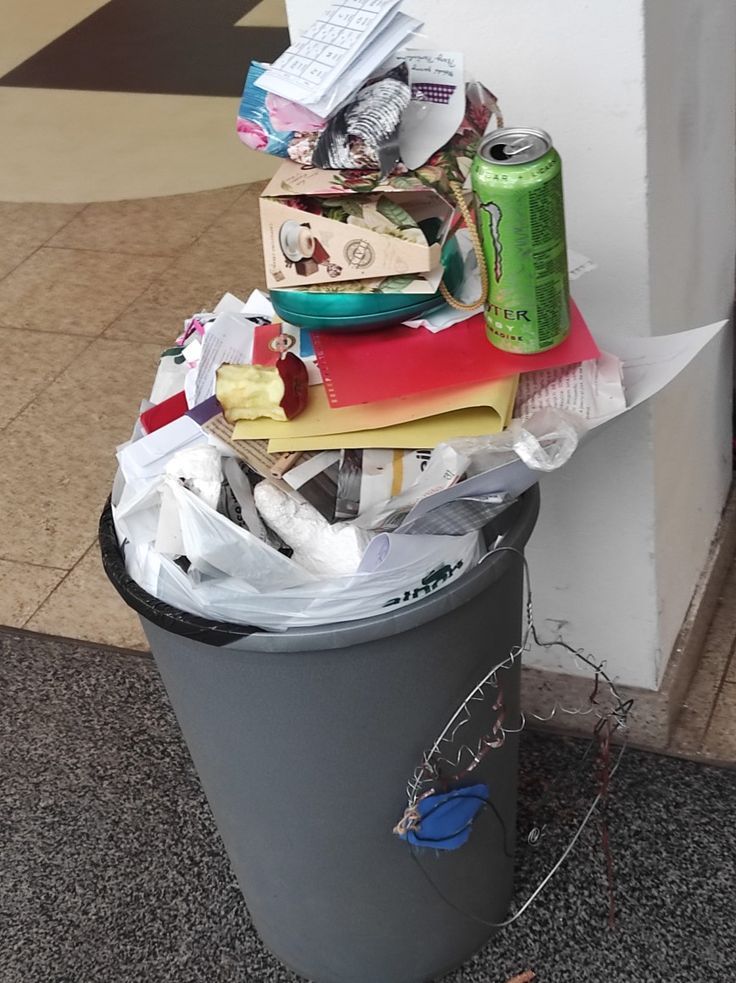
Garbage bins are the epicentre of pests and flies. Food scraps and other organic waste produce strong odours when they decompose, making them an easy food source for insects. So, it’s important to note that an uncovered or poorly maintained garbage bin can also give pests direct access to waste. And if you want to reduce pest attraction, always use bins that have tight-fitting lids, keep wet and organic waste in sealed bags and containers, and clean the bins.
Indoor Plants, Firewood, and Garden Debris
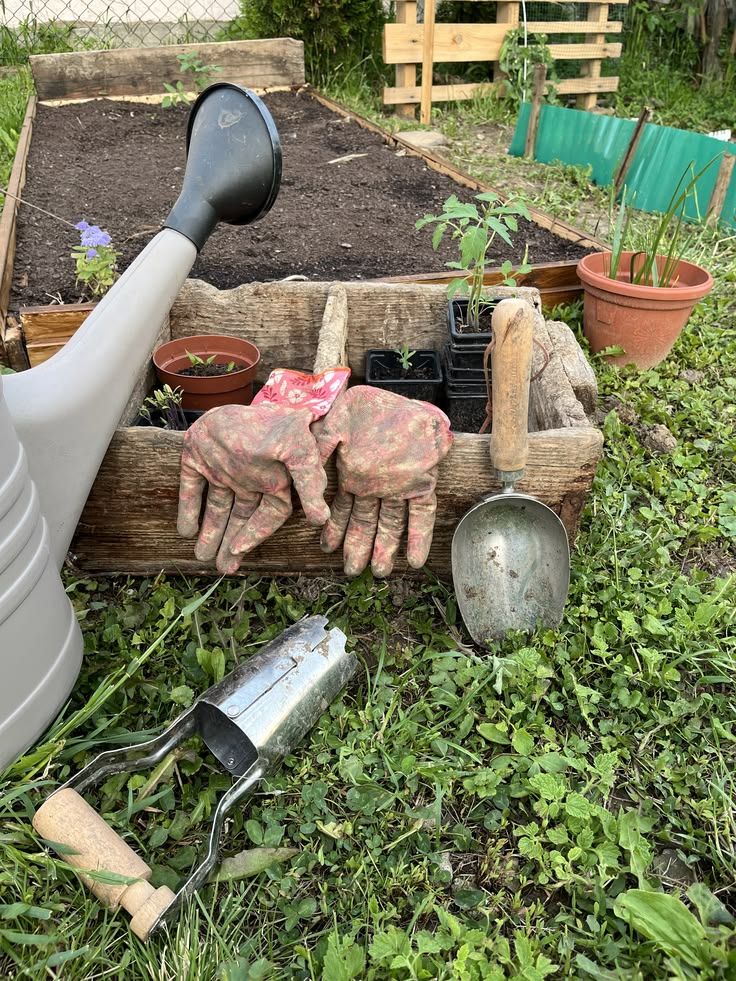
Indoor plants, firewood, and garden debris can create suitable hiding and breeding spaces for pests. Overwatered indoor plants may attract fungus gnats and other insects, while damp soil and decaying leaves provide a favourable environment for pests. Firewood, fallen leaves, grass clippings, and piles of garden waste can also give ants, termites, spiders, and rodents places to hide.
To reduce pest activity, avoid overwatering indoor plants and remove dead leaves regularly. Store firewood away from the house and keep it raised off the ground. Clear fallen leaves, branches, and other garden debris regularly, especially from areas close to doors, windows, and walls.
Common Household Habits That Encourage Pests
Simple habits can make a big difference in keeping pests away. Most homeowners don’t notice these common household habits, but they encourage pests:
- Leaving food uncovered
- Delaying garbage disposal
- Allowing water to collect and not cleaning spills
- Cluttered areas, unwashed dishes
- Open food containers and poorly stored groceries
Tips to Keep Your Home Pest-Free
If you want to keep your home pest-free, then it starts with simple, consistent habits. Follow these tips if you want to keep your home pest-free:
- Clean your food spills and crumbs as soon as possible, store your groceries in airtight containers, and dispose of garbage regularly.
- Don’t leave your dirty dishes and pet food out for long periods.
- Check your home for leaking taps, damp areas, standing water, and fix them promptly.
- Seal all the cracks and gaps around your windows and doors for possible entry points.
- Keep indoor and outdoor areas free from unnecessary clutter. Pick up all the fallen leaves and garden waste to maintain hygiene and cleanliness.
Final Thoughts
Pests and insects are often attracted to homes because of available food, moisture, waste, clutter, and possible entry points. While it may not be possible to remove every pest that enters your home. Habits such as storing food properly, disposing of garbage regularly, fixing leaks, cleaning damp areas, and sealing gaps around doors and windows can make your home less inviting to pests. Regularly checking your kitchen, bathroom, garden, and storage areas can also help you spot early signs of pest activity and deal with them before the problem grows.