



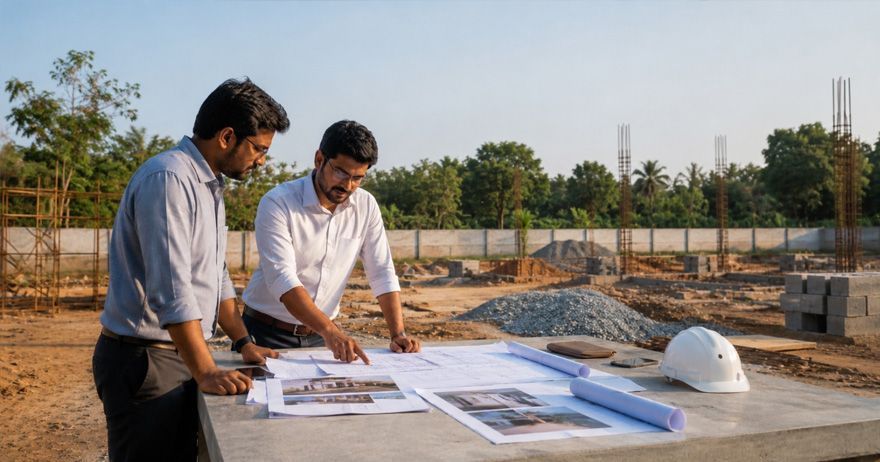
One of the biggest reasons construction projects face delays and cost overruns is inadequate planning before construction begins. Finalizing key decisions related to design, budget, approvals, materials, contractors, and timelines helps avoid costly changes during construction. A well-prepared construction plan ensures smoother project execution, better quality control, and fewer unexpected expenses. Taking time to finalize important details before breaking ground can save homeowners significant time, money, and stress throughout the project. This guide covers the most important things to finalize before construction begins so you can move forward with confidence and avoid common mistakes.
Why Pre-Construction Planning Is Important?
Pre-construction planning is the phase where the entire project exists on paper and can be adjusted freely. It is the phase where a homeowner can review, revise, and optimise every decision without financial penalty.
Proper planning helps:
- Reduce construction delays
- Control costs
- Improve project coordination
- Avoid design changes during execution
- Ensure better quality outcomes
- Minimize material wastage
A detailed home construction planning checklist acts as a roadmap for the entire project. If you are wondering what to do before building a house or how to prepare for house construction, the answer is simple: plan every major decision in advance.
The 15 important checklists identified by construction professionals and each one is worth addressing in full before construction begins are given below.
1. Finalize Your Budget
House construction budget planning is the foundational step from which every other decision flows.
Include:
- Construction costs
- Design fees
- Approval charges
- Interior expenses
- Utility connections
- Landscaping costs
Proper house construction budget planning helps prevent overspending and keeps the project financially manageable. Always calculate realistic costs instead of relying on rough estimates.
2. Complete Architectural Drawings
Architectural drawings translate the homeowner's brief into a buildable design and it should be finalized before construction begins.
These drawings typically include:
- Floor plans
- Elevations
- Sections
- Site layouts
- Roof plans
Incomplete drawings at the start of construction are the single most common cause of mid-construction design changes. It also leads to confusion, delays and costly modifications.
3. Confirm Structural Design
The architectural design establishes what the building looks like and how it functions. It determines how your home will safely support loads.
Finalize:
- Foundation details
- Column positions
- Beam layouts
- Slab thickness
- Structural specifications
Structural changes during construction can significantly increase costs.
4. Obtain Necessary Approvals and Permits
Construction cannot legally begin without the relevant building permits from the local authority. The approvals required before building a house varies by city, state, and plot type.
These may include:
- Building permits
- Local authority approvals
- Utility permissions
- Environmental clearances (where applicable)
Missing approvals can stop construction and create legal complications.
5. Finalize Floor Plans
A floor plan that is changed during construction requires revisions to the structural drawings, the electrical layout, the plumbing layout, and potentially the building permit drawings.Your floor plan directly affects daily living and future comfort.
Review:
- Room sizes
- Furniture placement
- Circulation spaces
- Storage areas
- Future expansion possibilities
Making changes after construction starts is difficult and expensive. It is one of the most important decisions to make before construction starts.
6. Decide Window and Door Specifications
Windows and doors should be planned early rather than selected midway through construction.
Finalize:
- Window styles
- Frame materials
- Glass specifications
- Door sizes
- Hardware requirements
Window and door openings affect structural and architectural planning. Many homeowners now prefer energy-efficient uPVC systems because they offer better insulation, durability, and low maintenance.
7. Select Construction Materials
Material choices affect quality, appearance, and budget.
Important materials include:
- Cement
- Steel
- Bricks or blocks
- Flooring
- Paints
- Roofing materials
Early material selection improves procurement planning and reduces project delays. It also introduces quality inconsistency when different batches of the same material are procured separately
8. Confirm Electrical and Plumbing Layouts
Electrical and plumbing systems must be planned before wall construction and finishing work.
Finalize:
- Switch locations
- Power outlets
- Lighting points
- Plumbing lines
- Bathroom fixtures
- Kitchen utilities
Late modifications often require demolition and rework.
9. Prepare a Construction Timeline
A construction timeline sets out when each stage of the project is expected to start and finish.
Include:
- Foundation work
- Structural construction
- Masonry
- Electrical work
- Plumbing
- Finishing activities
A realistic timeline helps track progress and manage expectations. Clear timelines improve coordination among contractors and suppliers.
10. Hire and Verify Contractors
Choosing the right contractor is one of the most important parts of any house construction preparation guide.
Verify:
- Experience
- Previous projects
- References
- Licenses
- Financial stability
A reliable contractor helps maintain quality, schedules, and budgets.
11. Plan for Site Access and Logistics
A construction site needs consistent access for material delivery vehicles, concrete mixer trucks and equipment like excavators, scaffolding, and cranes.
Evaluate:
- Road access
- Material storage areas
- Vehicle movement
- Temporary utilities
Poor logistics planning can slow down construction and increase costs.
12. Create a Material Procurement Plan
The material procurement plan identifies every significant material needed for the project.
Plan procurement for:
- Cement
- Steel
- Bricks
- Sand
- Windows
- Doors
- Finishing materials
Material shortages are a common cause of project delays. A procurement plan ensures materials arrive when needed without excessive storage.
13. Define Quality Standards
Defining quality standards before construction begins gives the contractor a clear target and gives the homeowner a legitimate basis for rejecting work that does not meet the standard.
Document standards for:
- Concrete work
- Masonry
- Waterproofing
- Finishes
- Fixtures
Quality benchmarks help maintain consistency throughout the project.
14. Establish a Contingency Budget
Unexpected expenses are common in construction. You have to keep 10% to 15% of the project budget as contingency.
Examples include:
- Material price increases
- Design adjustments
- Site conditions
- Labour fluctuations
A contingency reduces financial stress during unforeseen situations.
15. Prepare a Construction Documentation File
Before construction begins, assemble a single organised file which is physical or digital containing all the documents that will govern, guide, and record the project.
Include:
- Drawings
- Contracts
- Approvals
- Quotations
- Payment records
- Material specifications
Good documentation improves project management and reduces disputes.
Common Pre-Construction Mistakes to Avoid
Many homeowners overlook important planning steps before construction begins.
Common mistakes include:
- Starting without finalized drawings
- Underestimating the budget
- Ignoring contractor verification
- Underestimating lead times for specialty materials
- Delaying material decisions
- Planning no contingency
- Setting no quality standards in writing
- Skipping approvals
- Deferring window and door specifications
- Not planning electrical layouts
- Failing to maintain documentation
- Ignoring soil investigation
A proper building a house planning guide helps homeowners stay in control of their project from the first day to final handover. The better prepared you are, the smoother your construction journey will be.
Complete Home Construction Checklist
This checklist before starting house construction can help homeowners stay organized and avoid costly surprises. Use this simple pre construction checklist for homeowners before starting work.
| Things to Finalize | Who is Responsible? |
|---|---|
| Total budget confirmed including all costs | Homeowner and financial advisor |
| Architectural drawings complete (all disciplines) | Architect |
| Structural design complete with soil report | Structural engineer |
| Building permit received from local authority | Architect and homeowner |
| Floor plans reviewed walked through and confirmed | Homeowner and architect |
| Window and door schedule finalised with specifications | Homeowner and architect |
| Primary construction materials selected and specified | Homeowner architect and engineer |
| Electrical and plumbing layouts confirmed and coordinated | Electrical and plumbing consultants |
| Construction timeline with milestones prepared | Homeowner and main contractor |
| Main contractor and subcontractors contracted | Homeowner and lawyer |
| Site access storage and logistics confirmed | Homeowner and contractor |
| Material procurement plan with order dates prepared | Contractor and homeowner |
| Quality standards defined and referenced in contract | Homeowner architect and contractor |
| Contingency budget (10% to 15%) set aside and confirmed | Homeowner |
| Construction documentation file assembled and organised | Homeowner and architect |