



Choosing the right kitchen laminates is essential for creating a modular kitchen that's stylish, durable, and easy to maintain. Laminates not only define the look of your kitchen cabinets but also protect them from moisture, stains, scratches, and everyday wear. With countless colours, textures, finishes, and thickness options available, selecting the perfect laminate can feel overwhelming.
Whether you're designing a new kitchen or renovating an existing one, this guide explains the different types of kitchen laminates, their pros and cons, popular finishes, maintenance tips, and expert advice to help you make the right choice.
Why Kitchen Laminates Are a Popular Choice
Laminate sheets for kitchen are among the most widely used modular ones and are available in a huge range of colours, patterns, textures, and surface effects. Some of their key benefits are given below.
- Wide Design Selection: Available in wood grains, solid colours, stone effects, metallic patterns, and decorative textures.
- Easy Maintenance: Most good-quality surfaces can be cleaned using a soft cloth and mild cleaning solution.
- Durability: Quality laminates can resist everyday scratches, stains, and general wear.
- Cost Effectiveness: They are generally more affordable than several premium cabinet finishing options.
- Design Flexibility: They can be used across different cabinet styles, from minimalist kitchens to traditional interiors.
- Easy Replacement: Individual cabinet shutters can often be refinished or replaced without redesigning the entire kitchen.
A good kitchen laminate design should complement the room's flooring, backsplash, countertops, lighting, and overall interior theme.
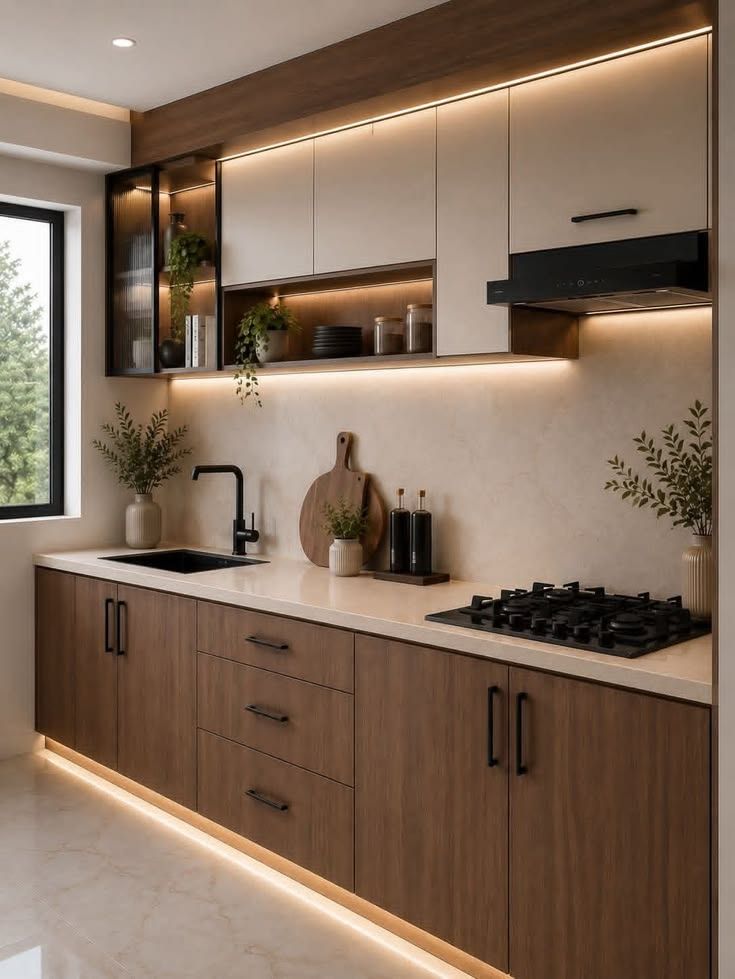
Different Types of Kitchen Laminates
When comparing modular kitchen laminates, do not focus solely on the decorative pattern. Kitchen laminates differ based on their construction, thickness, decorative surface, and intended application.
Decorative Laminates
These are commonly used on cabinet shutters and exposed surfaces.
High-Pressure Laminates
High-pressure laminates are manufactured by bonding multiple layers under heat and pressure. They are known for their durability.
Post-Forming Laminates
These laminates are designed to bend around certain edges and create a smoother appearance.
Fire-Retardant Laminates
Some specialty laminates are manufactured with enhanced fire-resistant properties.
Antibacterial or Hygienic Laminates
Certain products are manufactured with surfaces designed to help reduce bacterial growth.
Textured Laminates
Textured surfaces replicate materials such as wood, stone, fabric, or other decorative finishes. They can add depth and visual interest.
Matte vs Glossy vs Textured Laminates
The surface finish can dramatically change how a kitchen looks and how easy it is to maintain.
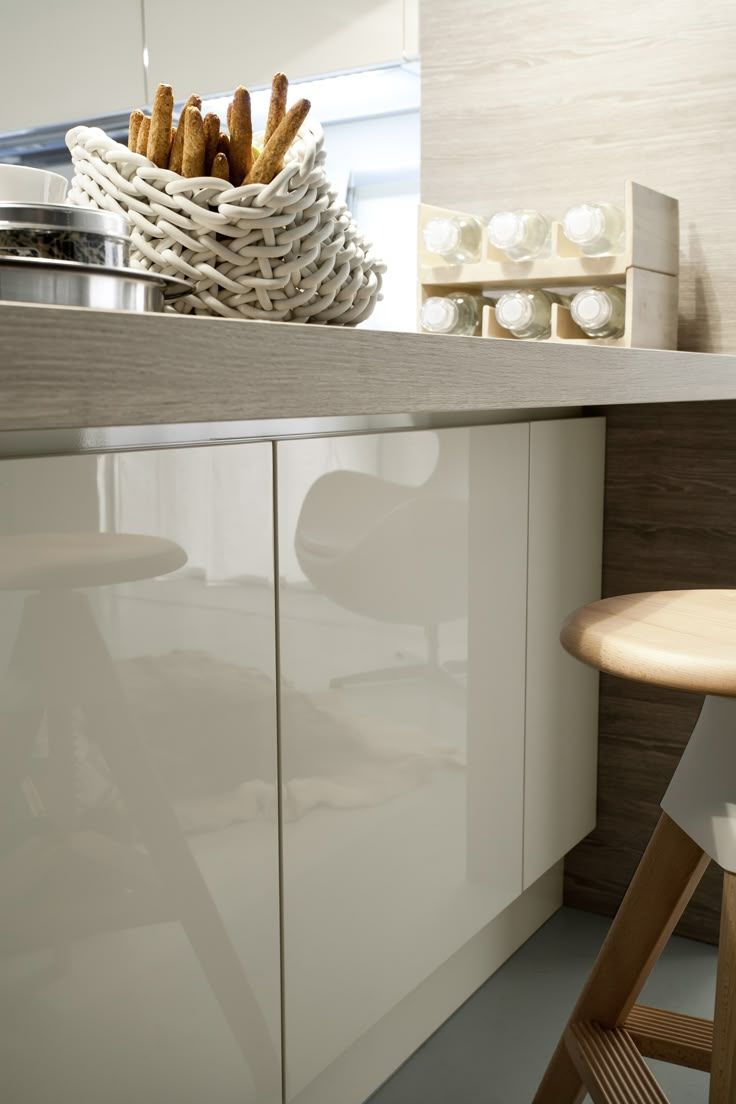
High-Gloss Laminates
Glossy surfaces reflect light and can make a compact kitchen appear brighter and more spacious. High gloss laminates work particularly well in contemporary kitchens with clean-lined cabinetry.
They reflect light effectively, create a sleek appearance, work well in modern kitchens and are easy to wipe clean. But fingerprints can be more noticeable, scratches may be easier to see and requires regular wiping to maintain its polished appearance.
Matte Finish Laminates
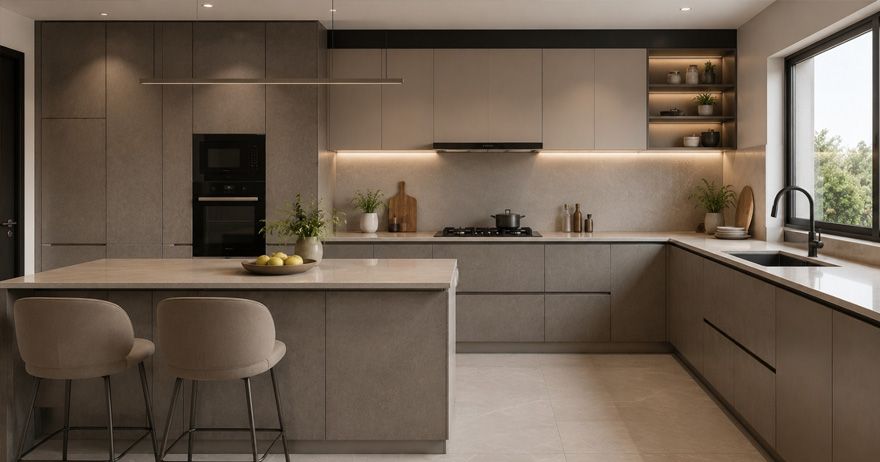
Matte finish laminates have a soft, non-reflective surface that creates a sophisticated and understated appearance.They are particularly suitable for homeowners who prefer minimalist interiors.
They offer subtle and elegant appearance, less reflective, works well with contemporary designs and can create a softer visual effect. But some textured matte surfaces may require more careful cleaning and dark matte finishes can show dust depending on the colour.
Textured Laminates
Textured laminates add tactile depth to cabinetry and can imitate natural materials such as wood or stone. They are a good choice when you want cabinets to become a stronger visual element within the kitchen.
| Finish | Appearance | Maintenance | Best For |
|---|---|---|---|
| High Gloss | Shiny and reflective | Regular wiping | Modern compact kitchens |
| Matte | Soft and understated | Generally easy | Minimalist kitchens |
| Textured | Tactile and decorative | Depends on texture | Premium and natural-inspired interiors |
Choosing the Right Laminate Colour and Finish
When exploring kitchen laminate colours, request physical samples whenever possible. Tips to choose the right laminate colour and finish are given below.
- Consider the Kitchen Size: For compact kitchens, lighter colours and reflective finishes can help create a more spacious appearance.
- Consider Natural Light: A kitchen with limited daylight may benefit from lighter cabinet surfaces, while a bright kitchen can accommodate stronger colours.
- Coordinate With Countertops: Your cabinet finish should complement the countertop rather than compete with it.
- Use Two-Tone Combinations: Combining two complementary cabinet colours can add visual depth. For example, lighter upper cabinets paired with darker lower cabinets can create a balanced appearance.
- Think About Long-Term Preferences: Trendy colours can look attractive initially, but neutral shades tend to remain versatile for longer. You can introduce trendier colours through smaller cabinet sections or accessories.
Factors to Consider Before Buying Kitchen Laminates
Before purchasing kitchen laminates, evaluate more than colour and appearance. The following factors can help you select a product that performs well in everyday kitchen conditions.
Durability
Kitchen cabinets are opened and closed frequently, so choose a laminate designed for regular use and suitable for the intended application.
Thickness
Laminate thickness can influence durability, appearance, and how easily the material can be installed. Follow the manufacturer's recommended application rather than assuming thicker is always better.
Moisture Resistance
Kitchens are exposed to steam, splashes, and humidity. Select materials appropriate for areas where moisture exposure is expected, and ensure the underlying board is also suitable.
Scratch and Stain Resistance
For busy kitchens, surfaces with good resistance to everyday scratches and stains can make maintenance easier.
Surface Finish
Choose between glossy, matte, textured, or other finishes according to your preferred appearance and maintenance requirements.
Quality of the Base Material
A high-quality laminate cannot compensate for a poor-quality substrate. The cabinet board, edge treatment, adhesive, and installation quality all contribute to the final performance.
Maintenance Requirements
Consider how frequently the surface needs cleaning and whether the manufacturer's instructions require specific cleaning products.
Budget
Set a complete cabinet-finishing budget rather than comparing laminate sheet prices alone. Include the substrate, adhesive, edge treatment, hardware, fabrication, and installation.
Best Laminates for Cabinets, Shutters, and Counter Areas
The best laminates for kitchen cabinets should be selected based on where they will be installed and how frequently the surface will be used.
Shutters
Cabinet shutters are among the most frequently touched surfaces in a kitchen. Durable decorative laminates are therefore a practical choice. For busy households, scratch-resistant and easy-to-clean surfaces can reduce everyday maintenance.
Counter Areas
Laminates can be used around certain counter areas, but not every laminate is designed to function as a direct countertop surface. Areas exposed to high heat, standing water, or cutting should use materials specifically rated for those applications.
Kitchen Cabinets
Kitchen cabinet finishes should also complement the overall kitchen design. For example, matte surfaces can create an understated appearance, while glossy finishes can make a compact kitchen feel brighter.
When selecting kitchen cabinet laminates, always check the manufacturer's specifications for the intended application.
Common Mistakes to Avoid When Choosing Kitchen Laminates
Avoid these below common mistakes before finalizing your cabinet finishes.
- Choosing Only by Appearance: Check its performance specifications before buying.
- Ignoring the Base Board: Laminate quality alone cannot prevent swelling or damage if the underlying board isn't appropriate for kitchen conditions.
- Using the Same Finish Everywhere: A single finish across every surface can make the kitchen look flat, so combine complementary finishes.
- Selecting Dark Colours Without Considering Light: Balance them with lighter walls, countertops, or adequate lighting.
- Ignoring Edge Treatment: Exposed or poorly finished edges can allow moisture to reach the substrate.
- Using Unsuitable Laminate Near Heat: Not every laminate is intended for areas exposed to high temperatures. Follow the manufacturer's application recommendations.
- Skipping Physical Samples: Digital images and showroom lighting can alter the perceived colour.
- Prioritizing Trends Over Longevity: Extremely bold designs may become difficult to coordinate with future décor. Consider whether the finish will remain appealing over time.
Cleaning and Maintaining Kitchen Laminates
Proper maintenance can significantly extend the usable life of kitchen laminates. Regular cleaning prevents grease, food residue, and stains from building up.
Clean Spills Quickly
Wipe oil, sauces, and other spills as soon as possible. It prevents stains from becoming harder to remove.
Use Mild Cleaning Products
A soft microfiber cloth and mild soap solution are generally sufficient for routine cleaning. Avoid abrasive cleaners unless the manufacturer specifically recommends them.
Avoid Scrubbing Aggressively
Rough scrubbers can dull the surface or create fine scratches, particularly on glossy finishes.
Keep Water Away From Edges
Although many laminates have good surface resistance, prolonged moisture exposure around joints and edges can damage the underlying board.
Protect From Excessive Heat
Do not place extremely hot cookware directly against laminate surfaces unless the product is specifically designed for that application.
Follow Manufacturer Instructions
Different laminate products can have specific cleaning and maintenance requirements. Following those recommendations helps preserve the finish for longer.
Latest Kitchen Laminate Trends for Modern Homes
These below trends offer plenty of kitchen laminate ideas helping you to maintain a practical and timeless overall design.
- Natural Wood Finishes: Wood-looks add warmth without requiring the maintenance associated with some natural wood surfaces.
- Soft Neutral Colours: Beige, cream, taupe, warm white, and soft grey work well with contemporary kitchen designs and are easy to coordinate with different countertops.
- Two-Tone Kitchens: Combining two complementary laminate colours creates contrast and helps visually separate upper and lower cabinetry.
- Textured Surfaces: Stone-inspired, wood-grain, fabric-inspired, and other textured finishes add depth and make simple cabinetry more visually interesting.
- Minimalist Matte Finishes: Matte surfaces continue to suit modern kitchens because they provide a subtle appearance without excessive reflection.
- Statement Accent Cabinets: Instead of using bold colours throughout the kitchen, you can introduce a stronger shade on an island, tall unit, or selected cabinet section.
Final Thoughts
Choosing the right laminate involves much more than picking an attractive colour. The ideal finish should suit the cabinet location, expected usage, moisture exposure, maintenance requirements, and overall kitchen style. Before purchasing, compare the laminate's durability, thickness, finish, maintenance requirements, and compatibility with the underlying board. A carefully selected laminate can provide a practical cabinet finish and allow you to personalise your kitchen without an unnecessarily high renovation budget.