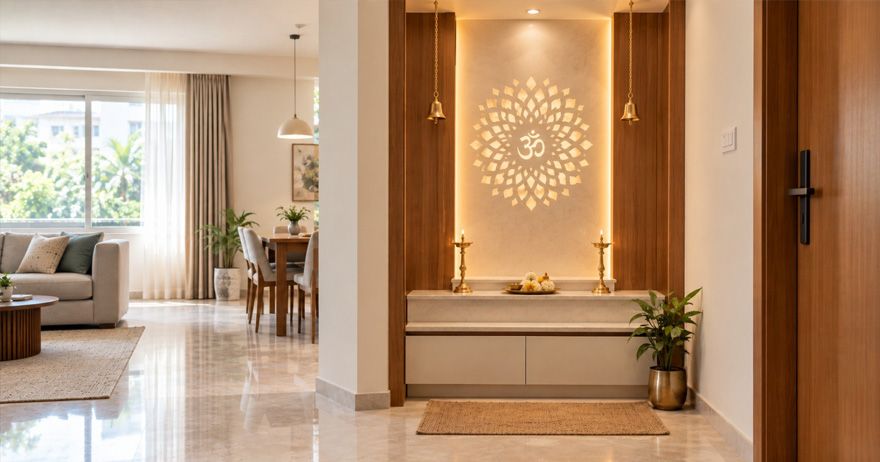




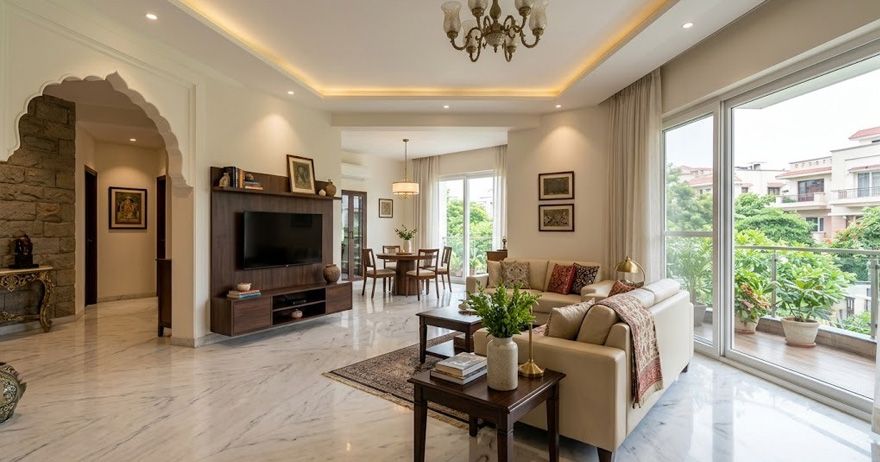
Choosing between marble vs tile flooring is one of the biggest decisions when designing or renovating a home. Both options offer unique advantages in terms of appearance, durability, maintenance, and cost. Marble flooring provides timeless elegance and a luxurious finish, while tiles offer greater design flexibility, lower maintenance, and affordability.
The right choice depends on your budget, lifestyle, room usage, and long-term maintenance preferences. In this guide, we'll compare marble and tile flooring across key factors such as cost, durability, installation, maintenance, and aesthetics to help you choose the best flooring for your home.
Marble Flooring: Features, Pros, and Cons
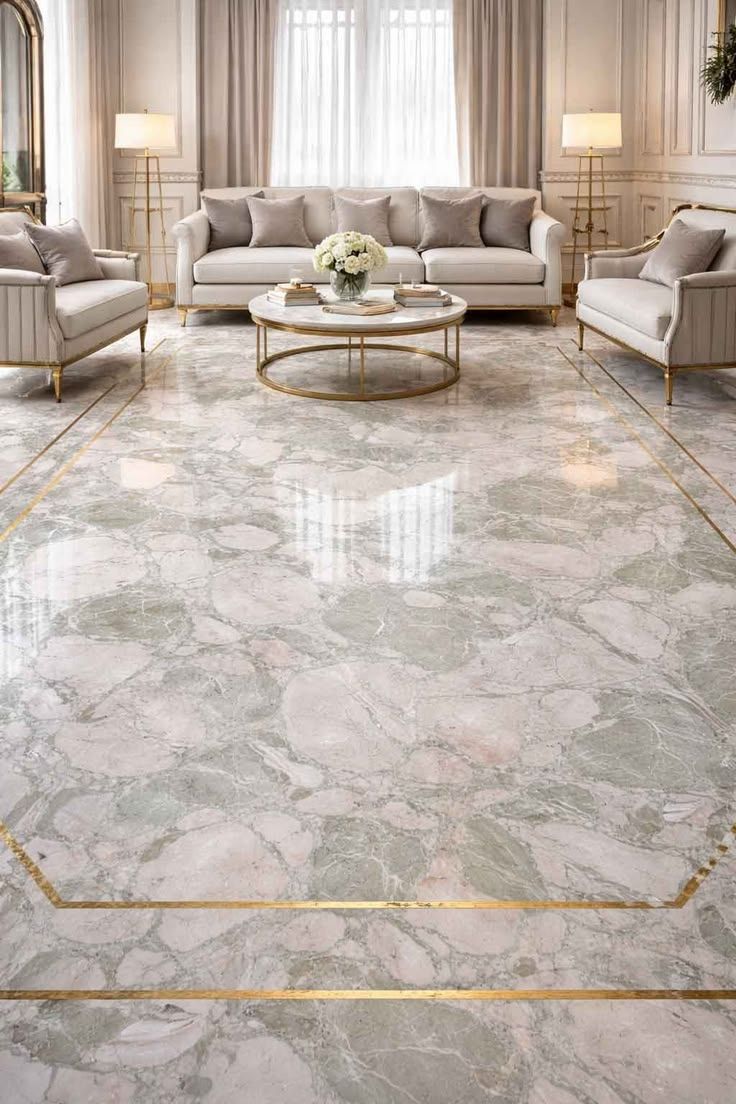
Marble is a natural stone that has been used in homes for centuries. Its distinctive veining, colour variations, and polished appearance make it a popular choice for an elegant interior. For natural stone flooring, it is important to understand its porosity, finish, maintenance requirements, and suitability for the intended room.
Advantages of Marble
- Luxurious Appearance: Natural veining creates a premium and sophisticated look.
- Unique Patterns: Every piece can have subtle variations in colour and markings.
- Long-Term Appeal: Properly selected and maintained marble can remain attractive for many years.
- Cool Surface: Marble can feel naturally cool underfoot, which can be comfortable in India's warmer regions.
- Design Versatility: Different colours and patterns can complement both traditional and contemporary interiors.
Disadvantages of Marble
- Higher Maintenance: Natural stone generally requires more care than many manufactured tiles.
- Staining Risk: Porous varieties can absorb certain liquids if not properly sealed.
- Scratching and Etching: Certain marble surfaces can be affected by abrasive materials or acidic substances.
- Installation Requirements: Cutting, laying, polishing, and finishing require skilled workmanship.
- Natural Variation: The appearance can vary considerably between pieces, which may not suit homeowners seeking complete uniformity.
Tile Flooring: Features, Pros, and Cons
Tiles are manufactured in a wide range of materials, designs, sizes, colours, and finishes. They can imitate natural stone, wood, concrete, and other materials while offering a broad range of price points. When selecting tile flooring, check the product's intended application, strength, slip resistance, finish, size, and installation requirements.
Advantages of Tiles
- Wide Design Variety: Available in countless colours, patterns, textures, and finishes.
- Easy Maintenance: Many modern tile surfaces are relatively easy to clean.
- Consistent Appearance: Manufactured tiles generally offer more predictable patterns and colours.
- Multiple Price Options: Homeowners can find products across budget, mid-range, and premium categories.
- Suitable for Different Rooms: Different tile types can be selected for living rooms, bedrooms, kitchens, bathrooms, balconies, and outdoor areas.
- Easy Replacement: Individual damaged tiles can often be removed and replaced if matching stock is available.
Disadvantages of Tiles
- Cold Underfoot: Some tile surfaces may feel cold, particularly during cooler weather.
- Grout Maintenance: Grout lines can accumulate dirt and may require periodic cleaning.
- Quality Variation: Very low-quality products may have issues with dimensional consistency, surface finish, or durability.
- Installation Matters: Uneven substrates or poor adhesive coverage can contribute to cracked or loose tiles.
Marble vs Tile: Cost Comparison
Cost is one of the most important factors when comparing these flooring materials. You also need to account for transportation, cutting, wastage, adhesive or mortar, installation labour, polishing where applicable, skirting, grout, and other finishing work.
Marble Flooring Cost
The marble flooring cost can vary considerably depending on the marble variety, origin, thickness, finish, quality, transportation, installation, and polishing requirements. Premium varieties can cost substantially more than locally available options.
Tile Flooring Cost
The tile flooring cost depends on the tile material, size, finish, brand, design, quality, and installation method. Budget-friendly options are widely available, while premium large-format or designer tiles can also be relatively expensive.
Durability and Maintenance Comparison
Both marble and tiles can provide long-lasting flooring when correctly selected and installed. However, their maintenance requirements and response to everyday use differ.
Durability
Marble is durable when properly maintained whereas tiles are generally highly durable.
Maintenance Requirements
Marble should be cleaned using products appropriate for natural stone. Acidic or abrasive cleaners can damage some marble surfaces.
Tiles generally require routine sweeping or vacuuming followed by damp mopping. Grout lines may require additional attention, particularly in kitchens and bathrooms.
Which Flooring Is Better for Different Rooms?
The best flooring for home depends on the specific rooms, your lifestyle, maintenance expectations, design preferences, and budget.
Living Room
Marble can create a luxurious appearance in a spacious living room. Large-format tiles can provide a similar contemporary aesthetic.
Bedroom
Both options can work well in bedrooms. Tiles offer extensive choices for homeowners who want wood-look, stone-look, or neutral finishes.
Kitchen
Tiles are often practical for kitchens because many options are easy to clean and available in finishes suitable for everyday use.
Bathroom
Slip resistance, moisture suitability, and proper installation are particularly important in bathrooms. Choose products specifically appropriate for wet areas rather than selecting solely based on appearance.
Balcony and Utility Areas
For exposed or semi-exposed spaces, select flooring based on water exposure, temperature changes, slip resistance, and the manufacturer's recommended application.
High-Traffic Areas
For busy areas, choose flooring based on expected foot traffic and the product's performance specifications.
Design, Colours, and Finish Options
One of the biggest differences between marble and manufactured tiles is the range of design possibilities available. Marble offers naturally occurring patterns and veining, while tiles provide more predictable colours, textures, sizes, and surface finishes. When planning a flooring comparison, consider how the flooring will interact with your walls, furniture, lighting, doors, and other interior elements.
- Marble Finishes: Marble can be polished, honed, brushed, or given other finishes depending on the desired appearance and application.
- Tile Finishes: Tiles are available in finishes such as glossy, matte, textured, wood-look, stone-look, cement-look and high-definition decorative patterns.
Colours and Patterns
Marble typically offers white, cream, beige, grey, brown, green, and other natural shades depending on the stone variety. Tiles offer a much broader range of manufactured colours and patterns.
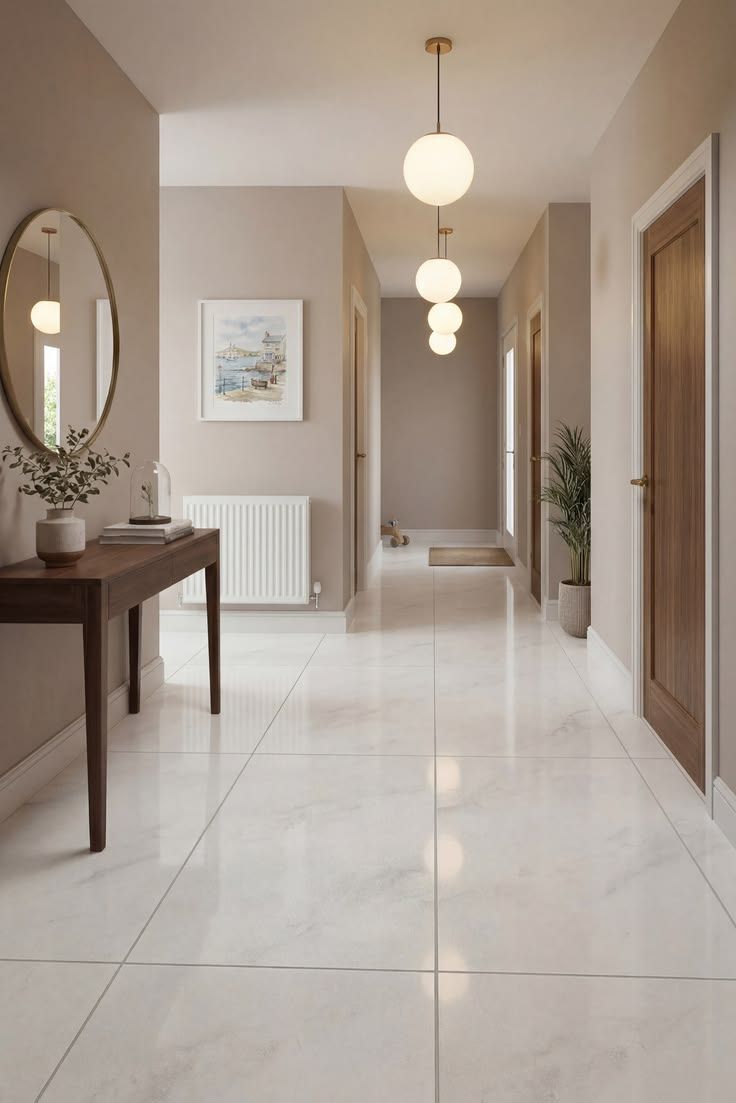
Homeowners looking for floor tiles for home can therefore choose designs that replicate marble, wood, concrete, or other materials without using the actual material.
Factors to Consider Before Choosing Flooring
Choosing between marble and tiles should involve more than comparing appearance or material price.
Budget
Consider the complete project cost, including material, transportation, installation, finishing, wastage, and future maintenance.
Room Usage
A formal living room may have different flooring requirements from a busy kitchen, children's bedroom, or utility area.
Maintenance
If you prefer a low-maintenance surface, tiles may be more convenient in many applications. Marble can require additional care depending on the stone and finish.
Climate
Both materials can work in Indian homes, but the choice should also consider the home's ventilation, sunlight exposure, and personal comfort preferences.
Installation Quality
A properly prepared substrate and skilled installation are essential regardless of the material selected.
Design Preference
Marble is a strong choice for homeowners who appreciate natural variation and luxury. Tiles provide greater flexibility if you want specific colours, patterns, or textures.
Replacement Requirements
Marble repairs can require specialized polishing or replacement, and a replacement piece may not have exactly the same natural pattern as the surrounding stone.
Long-Term Plans
Think about how long you intend to stay in the property and whether future renovations may change the flooring.
Common Flooring Mistakes to Avoid
Avoid these below mistakes when selecting and installing flooring for your home.
- Choosing Only by Appearance: A beautiful floor may not be suitable for every room. Consider traffic, moisture, maintenance, and slip resistance before making a decision.
- Comparing Only Material Prices: The cheapest material may not produce the lowest overall project cost. Include installation, wastage, finishing, transportation, and maintenance.
- Ignoring the Subfloor: Uneven or weak substrates can cause problems regardless of whether you choose marble or tiles. Prepare the surface properly before installation.
- Using the Same Flooring Everywhere: Different rooms have different requirements. A flooring material suitable for a living room may not be the best choice for a wet bathroom.
- Selecting Slippery Finishes for Wet Areas: Glossy surfaces can become slippery when wet. Choose a finish appropriate for the room's moisture conditions.
- Buying Without Checking Samples: Flooring can look different under showroom lighting and natural daylight. Examine samples in the actual space whenever possible.
- Ignoring Grout Colour: For tiled floors, grout can significantly affect the final appearance. Choose a colour that complements the tile and consider how easily it can be maintained.
- Skipping Professional Installation: Poor laying techniques can result in uneven surfaces, loose tiles, cracked tiles, or visible joints. Good installation is essential for long-term performance.
Marble vs Tile: Which One Offers Better Value?
The comparison between marble vs tiles ultimately comes down to what matters most to you. The table below shows vitrified tiles vs marble, which is best.
| Factor | Marble | Tiles |
|---|---|---|
| Appearance | Natural luxurious and unique | Wide range of designs and patterns |
| Design Variety | Depends on available stone | Extremely wide |
| Maintenance | Moderate to high depending on type | Generally easier |
| Moisture Suitability | Depends on stone and sealing | Depends on tile type |
| Installation | Requires skilled workmanship | Generally easier |
| Initial Cost | Can range from moderate to premium | Budget to premium |
| Repair | May require specialized work | Individual tile replacement is possible |
| Customization | Natural variation | Manufactured consistency |
| Best For | Luxury and natural interiors | Flexible practical and varied designs |
Final Thoughts
Choosing between marble vs tile flooring is ultimately a decision about balancing aesthetics, durability, maintenance, budget, and lifestyle. Neither material is automatically better for every home. Before making a decision, compare the complete installed cost, room requirements, maintenance expectations, surface finish, and quality of installation. Choosing the right material for each space will help you create flooring that remains functional and attractive for years.