The demand for sustainable and economical housing is increasing. Homeowners are now looking for materials that are both eco-friendly and durable at the same time. And this increased demand has led to the increased use of recycled steel in construction.
Recycled steel is one of the materials that possesses the same durability and structural strength as newly made steel. This material helps save energy and reduce carbon emissions and waste in landfills, so that it can be used in building construction at all levels.
In this blog, we'll explore the key benefits of recycled steel, how it contributes to environment-friendly construction, and why it's an excellent choice for modern construction projects.
What Is Recycled Steel?
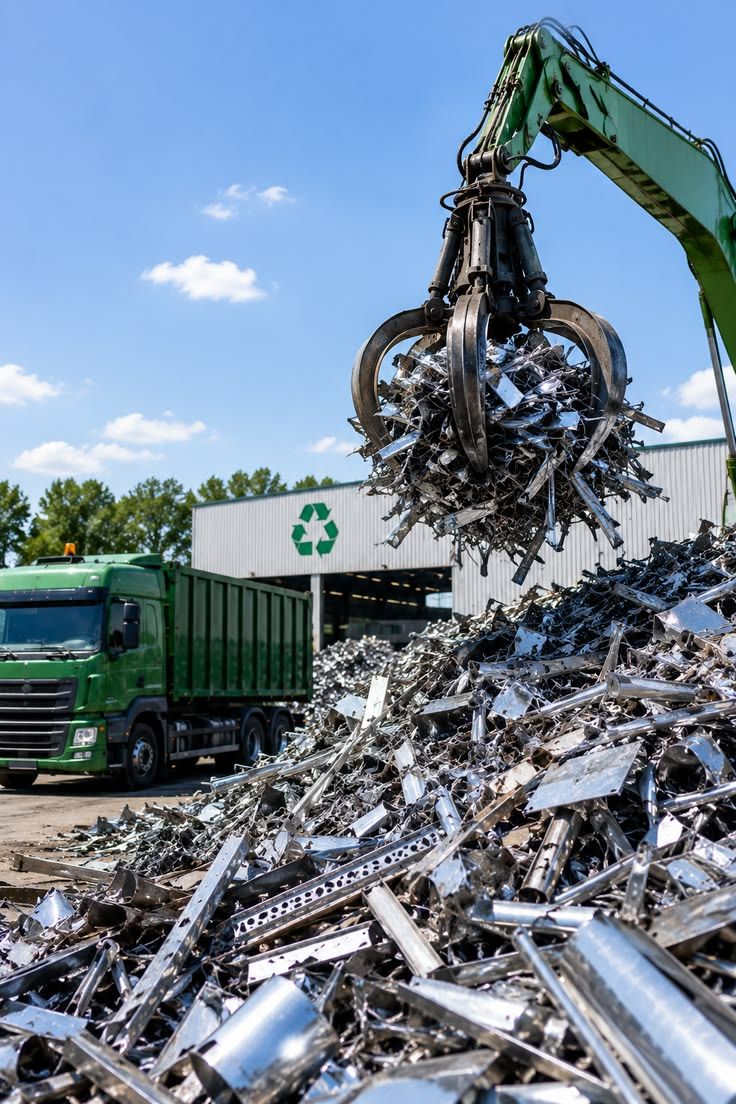
Recycled steel is steel that has been produced from already existing steel products. Steel scrap from old cars, machinery, buildings, and construction sites is gathered and sorted before the recycling process begins. Steel’s fantastic quality is its ability to be recycled without losing strength and properties, and that means it can be widely used in the construction industry while making considerable savings on raw materials.
How Steel Is Recycled for Construction?
Recycling steel is a carefully managed process that gives old and discarded steel a new life. The process of recycling steel involves several steps. Here’s how the process works:
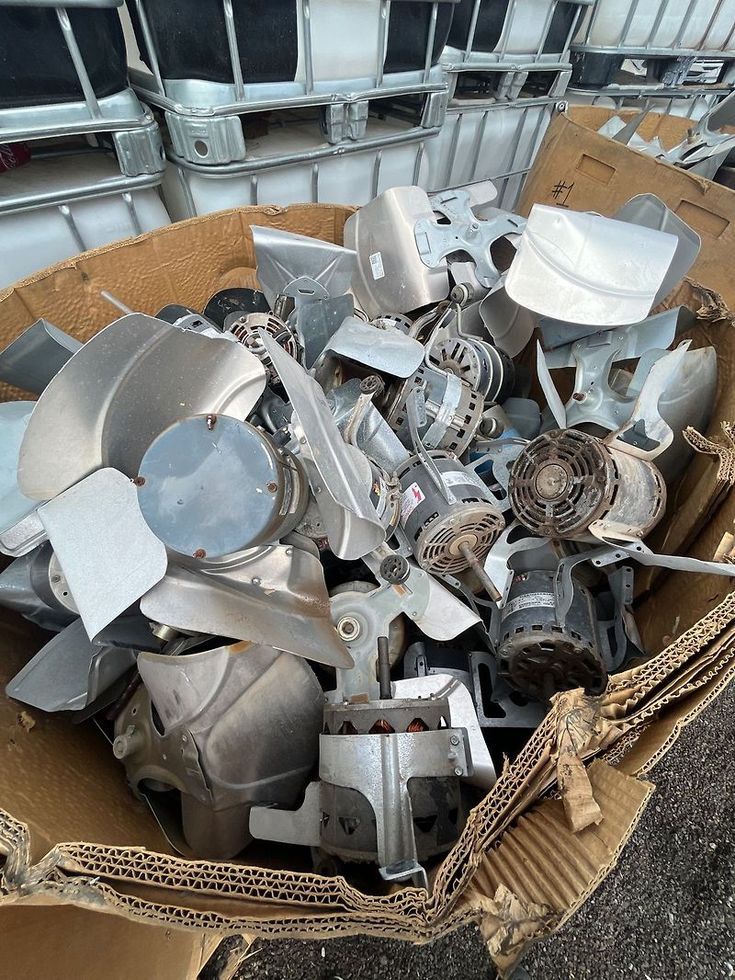
- Collection of Scrap: The process of recycling steel starts with the collection of scrap steel from places like demolished buildings, construction sites, old machinery, vehicles, appliances, and manufacturing waste.
- Sorting & Separation: Then the collected steel scrap is sorted on the basis of its type, grade, size, and quality. If there are other materials like plastic, wood, concrete, and non-ferrous metals, then they are separated.
- Cleaning & Processing: The next step is to properly clean the steel to remove dirt, coatings, oil, and other unwanted materials. If there are any large pieces, they are shredded into smaller pieces for easier processing.
- Melting: Then the processed steel scrap is placed in a furnace and heated to very high temperatures until it melts into liquid steel.
- Purification: After melting the steel, the process of purification starts. This means all the impurities are removed from the molten steel, and its chemical composition is adjusted to meet the required grade and quality standards.
- Casting: Then the molten steel is poured into moulds or continuously cast into different shapes.
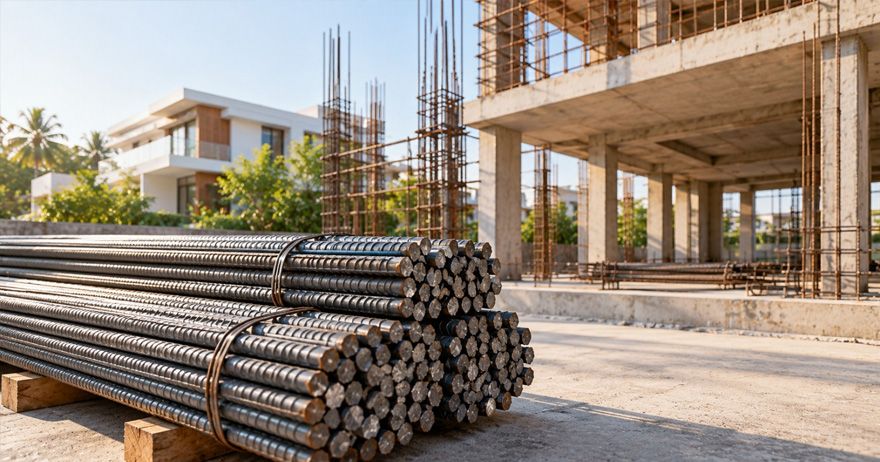
- Shaping & Rolling: These semi-finished steel forms are processed into construction products such as TMT bars, beams, columns, sheets, pipes, and other structural components.
- Quality Testing: The recycled steel is tested for properties such as strength, chemical composition, durability, and dimensions to ensure it meets the required construction standards.
Environmental Benefits of Recycled Steel
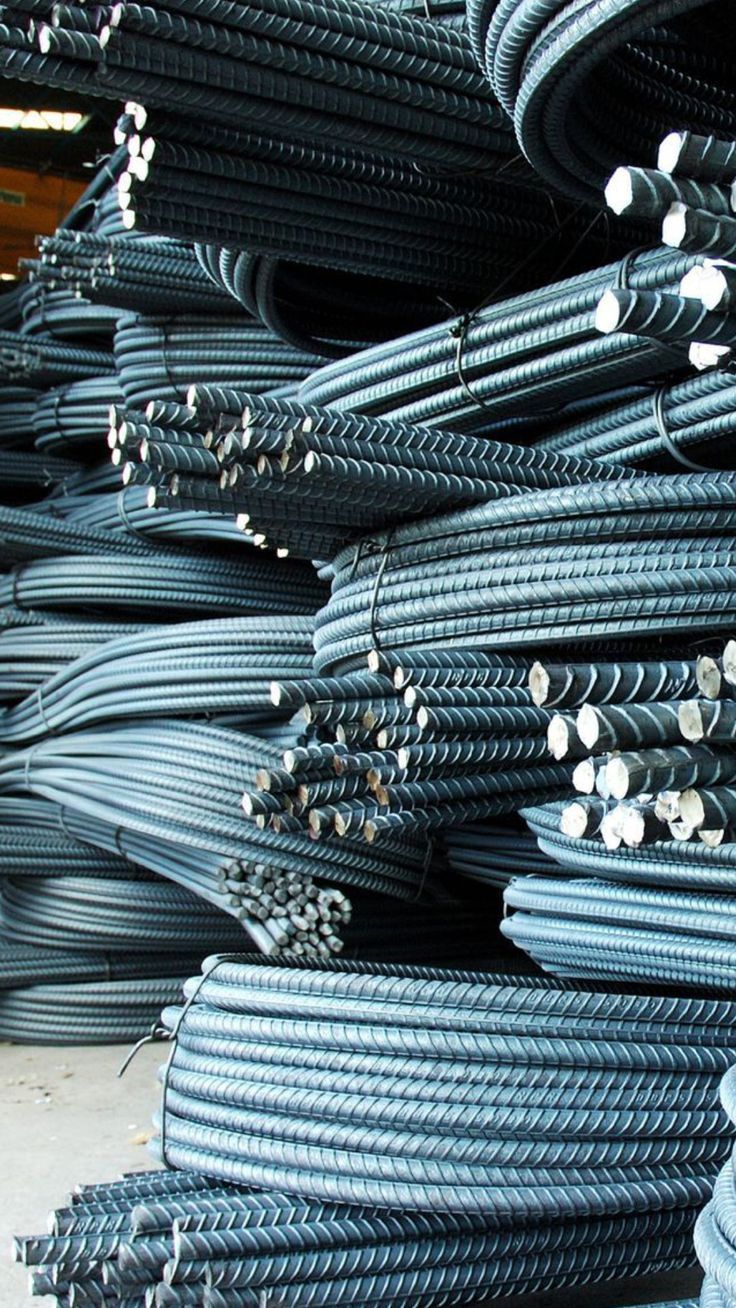
There are several environmental benefits of using recycled steel. Some of its key benefits include:
- Recycled steel reduces the need for raw materials that creates less burden on the environment.
- Producing steel from scrap requires less energy compared to mining fresh materials from the mines.
- Old steel from construction, demolition, vehicles, and other sources usually ends up in the landfill, and recycled steel solves the issue.
- Using recycled steel reduces emissions in the environment.
- Steel can be recycled repeatedly, allowing the same material to be used in new products instead of constantly relying on fresh resources.
- Recycled steel promotes less environmental disturbance from mining and transporting raw materials.
Strength and Durability of Recycled Steel
The best quality of recycled steel is that it offers the same strength and durability that is expected from steel made from fresh raw materials. But the only condition is to properly process the material so that it can meet the required quality standards.
During the process of recycling, steel is melted and refined, refined to remove and control impurities before it is turned into new products. This helps ensure that the recycled steel meets the required quality and performance standards for construction.
Cost Savings and Long-Term Value
If you're looking to save on your construction costs, using recycled steel is a great choice due to the fact that it uses scrap steel as its raw materials. This helps to lower reliance on using new raw materials and improves the efficiency of the manufacturing process. But the final cost depends on factors such as the steel grade, market prices, processing, and transportation.
Also, recycled steel offers good long-term value because of its strength and durability. When the recycled steel is properly manufactured and maintained, it can last for decades and be reused at the end of its life.
Applications of Recycled Steel in Residential Construction
Recycled steel can help you save money on construction because it can be utilized to manufacture new steel goods. This eliminates the demand for new raw materials and improves production efficiency. However, the actual cost is determined by several factors, including steel type, market prices, processing, and transportation.
Recycled steel can also provide long-term value. It is sturdy, durable, and recyclable after use. It has the potential to last for many years if properly constructed and maintained. This makes recycled steel a valuable choice for building companies that aim to decrease waste and use resources efficiently.
Common Myths About Recycled Steel
There are some common myths about recycled steel, and these are mere myths:
- Recycled steel is weaker than new steel. But in reality, the steel is processed so that it can meet the required strength and quality standards.
- Most people assume that recycled steel cannot be used for structural work, but that’s not true. You can use recycled steel for reinforcement, beams, columns, and other structural applications when it meets the required specifications.
- It always costs less, which is another myth, but the real price depends on factors such as grade, processing, availability, and market conditions.
- That it contains a lot of impurities is the most common myth, but modern recycling processes include sorting, melting, and refining to control impurities.
- Recycled steel cannot be recycled again, but it can be recycled repeatedly without losing its basic material properties.
Things to Consider Before Choosing Recycled Steel
If you’re planning on using recycled steel for your home, then you must know these things:
- Check the steel grade and choose a grade that is suitable for the project.
- Look for products that meet relevant construction standards and certifications.
- Check strength and durability, and make sure the steel has the required mechanical properties.
- Understand where the scrap comes from and how it has been processed.
- Consider the material price along with transportation and processing costs.
- For structural applications, take advice from a qualified engineer before making a decision.
Recycled Steel and Green Building Certifications
Recycled steel can help buildings achieve their sustainability goals and receive points under various green building rating systems. Certifications like LEED, BREEAM, and IGBC take into account materials, resource efficiency, waste reduction, and ethical sourcing. However, simply employing recycled steel does not guarantee building certification. The project must match the precise requirements of the chosen rating system, and the advantages can vary depending on aspects such as recycled content, material source, and documentation.
Final Thoughts
Recycled steel is a useful material that offers both environmental and practical benefits. It can be used for different elements of construction, for example, reinforcement bars, structural frames, roof coverings, and other applications related to housing. Since steel can be recycled several times, it helps reduce the need for new raw materials and can also reduce construction waste. However, it is important to choose recycled steel that meets the required grade, strength, quality, and safety standards.