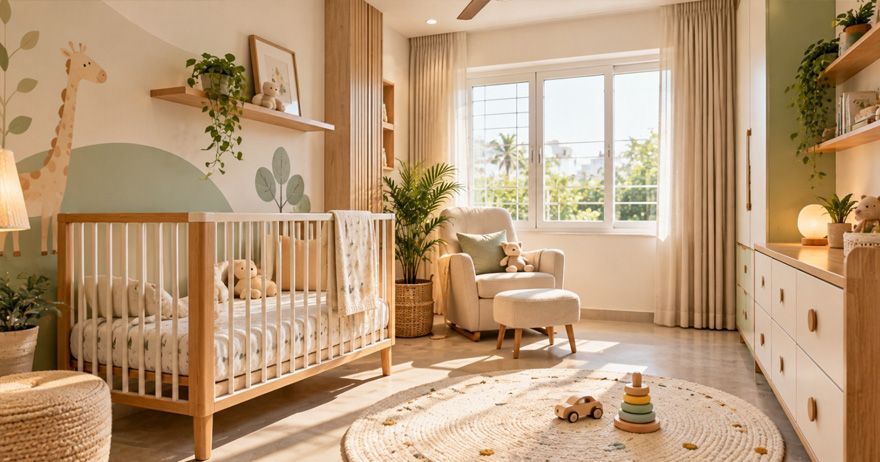
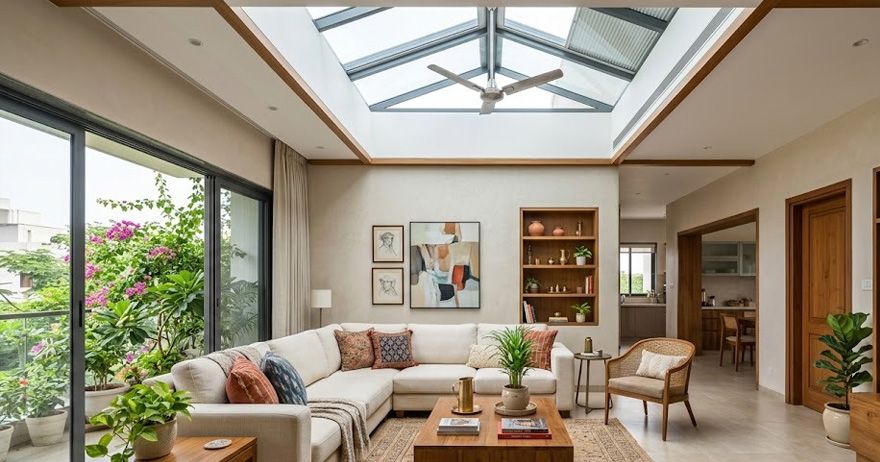
A well-planned skylight design for Indian homes can transform dark interiors by bringing in abundant natural light while maintaining indoor comfort. However, India's strong sunlight and varied climate mean that choosing the right skylight requires more than simply adding a glass opening to the roof. Factors such as orientation, glazing, shading, ventilation, insulation, and waterproofing play an important role in controlling heat gain and preventing leaks.
From fixed roof skylights to ventilated and tubular designs, there are several options to suit different spaces. This guide explores practical skylight ideas that brighten your home without turning it into a heat trap.
What Is a Skylight and How Does It Work?
A skylight is a glazed opening installed in a roof or ceiling to allow daylight into an interior space. It receives light from above and is useful for rooms that have limited access to external walls. A skylight design can be fixed, opening, tubular, or customised according to the roof structure and the requirements of the room.
The basic principle is simple. The sunlight enters through the roof glazing and illuminates the room below. The challenge in Indian climates is controlling how much solar heat enters along with that daylight.
Benefits of Installing a Skylight at Home
A carefully planned skylight for home can provide both functional and aesthetic benefits.
- Natural Light: A skylight can brighten areas that would otherwise require artificial lighting during the day.
- Reduced Dependence on Artificial Lighting: Natural daylight can reduce the need to switch on electric lights during daytime hours.
- Better Visual Connection: Looking upward to the sky can create a sense of openness and make an interior feel less enclosed.
- Architectural Appeal: It becomes a distinctive feature of the home, particularly when incorporated into staircases, double-height spaces, or living areas.
- Useful for Dark Interior Zones: Corridors, staircases, internal bathrooms, and other areas with limited external walls may benefit significantly from overhead daylight.
- Potential Energy Benefits: When daylight reduces the need for electric lighting, it can contribute to lower lighting energy use.
Best Skylight Designs for Indian Homes
The best option depends on the roof structure, room location, climate, available space, and amount of daylight required. These modern skylight ideas below can be adapted to different architectural styles.
Fixed Glass Skylight
A fixed glazed panel is a straightforward solution for bringing daylight into a room. It can work well in staircases, corridors, and other areas.
Ventilated Skylight
An opening skylight can provide both daylight and ventilation. It is useful in spaces where hot air tends to accumulate, although the opening mechanism needs to be carefully designed for weather protection.
Tubular Skylight
A compact tubular system can deliver daylight into areas where a conventional large skylight isn't practical.
Skylight Over a Staircase
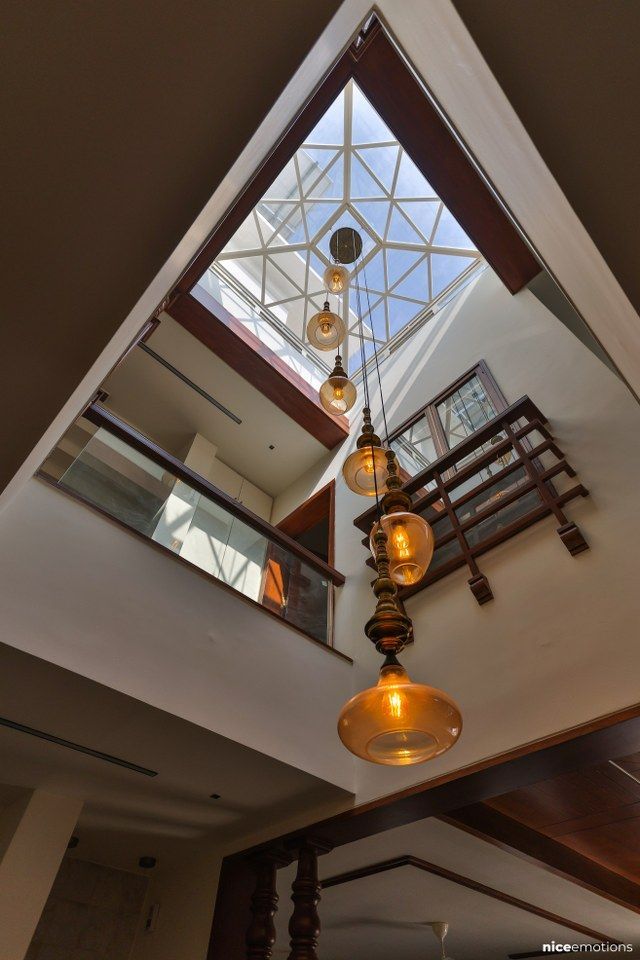
A roof opening above a staircase can bring daylight through multiple levels and create a striking architectural effect.
Skylight Above an Internal Courtyard
A glazed roof over a small courtyard can create a bright central zone and provide a connection to the sky.
Roof Lantern-Style Skylight
A raised glazed structure can provide light from multiple angles and become an architectural focal point.
Linear Skylight
A narrow opening can distribute daylight along a corridor, kitchen, or living area and maintain a relatively controlled roof opening.
Choosing the Right Skylight Glass to Reduce Heat
A skylight window with a large clear glass panel may provide excellent daylight. The best skylight glass options depend on the home's climate, orientation, roof design, room usage, and performance requirements.
So try to consider solar heat gain, select low-e glass, go for tinted glass that can reduce glare and solar transmission, opt laminated glass for additional safety, pick double glazing for better thermal and acoustic performance and solar-control glass to reduce the amount of solar heat entering the building.
Skylight Placement and Orientation
A thoughtful skylight for natural light should be positioned according to both daylight requirements and solar exposure.
- Consider the Room Below: Place the skylight where daylight will be most useful like staircases, corridors, internal living areas, and rooms with limited wall windows.
- Study Sunlight Exposure: Understand how direct sunlight reaches the roof throughout the day and across different seasons.
- Avoid Uncontrolled Glare: A skylight directly above a work surface, television, or frequently occupied seating area can create uncomfortable glare.
- Use Shading: External shading, overhangs, louvers, blinds, or other suitable systems can reduce direct solar exposure.
- Consider Roof Structure: The opening must be coordinated with structural members, waterproofing layers, insulation, and other roof components.
- Plan the Light Spread: The size, height, ceiling shape, glazing, and interior finishes all influence how light spreads through the room.
How to Control Heat Gain Through Skylights
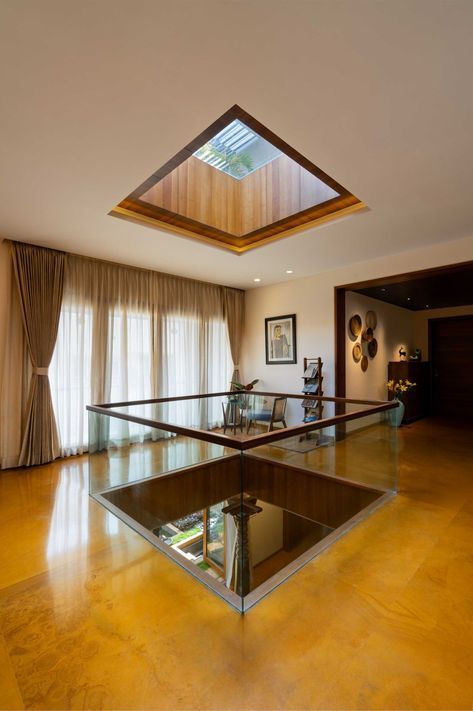
The biggest concern with skylights in many parts of India is unwanted heat. A large roof opening can receive intense direct sunlight, especially during summer afternoons. The design should allow useful natural light and limit excessive solar heat.
For homes in hot climates, energy-efficient skylights should be designed as part of the complete roof and building envelope. You can consider solar-control glass, add external shading, use internal blinds, choose skylight size carefully, prioritise ventilation and improve roof insulation.
Waterproofing and Drainage Considerations
A skylight creates an opening in the roof, so waterproofing deserves much attention. A roof skylight design should therefore be coordinated with the complete roofing and waterproofing system from the beginning of construction. To achieve it you have to use proper flashing, provide adequate slope, seal joints properly, consider heavy monsoon rain, and inspect roof interface regularly.
Common Skylight Design Mistakes to Avoid
Some of the common mistakes to avoid when planning the skylight design are given below.
- Installing Without Studying Sunlight: A skylight positioned without considering the sun's path may introduce excessive heat or glare during parts of the day.
- Choosing Glass Based Only on Appearance: Clear glass may look attractive but isn't necessarily the best option for a hot climate. Solar performance, safety, thermal properties, and daylight transmission should all be considered.
- Making the Skylight Too Large: Oversized glazing can increase heat gain and glare while adding unnecessary construction cost.
- Ignoring Waterproofing: The frame and glass may be excellent, but poor roof detailing can still cause leakage.
- Forgetting Maintenance Access: Skylights accumulate dust, leaves, bird droppings, and other debris. Plan how the exterior glass and drainage areas will be accessed safely for maintenance.
- Neglecting Structural Requirements: Cutting into an existing roof without understanding its structural system can create serious problems. Structural modifications should be assessed by an appropriately qualified professional.
- Placing It Directly Over Sensitive Areas: A skylight above expensive furniture, electronics, or areas highly sensitive to glare may create practical problems if sunlight and heat aren't properly controlled.
Maintenance Tips for Long-Lasting Skylights
Regular care can help preserve the performance of a heat-resistant skylight system, although heat control ultimately depends on the complete glazing, shading, roof, and ventilation design.
Clean the Glass
Dust and dirt reduce the amount of daylight entering the room. Clean the glass using methods and products recommended by the manufacturer.
Check for Cracks
Inspect the glazing periodically for cracks, chips, or other damage. Damaged overhead glazing should be professionally assessed.
Inspect Seals and Flashing
Look for deteriorated seals, loose components, or visible gaps around the frame.
Keep Drainage Clear
Leaves and debris should not be allowed to block drainage paths around the skylight.
Watch for Interior Dampness
Water stains, peeling paint, or damp patches around the ceiling opening can indicate a leak that needs attention.
Inspect After Severe Weather
After heavy storms, strong winds, or exceptionally intense rainfall, check the skylight and surrounding ceiling for signs of damage or water entry.
Final Thoughts
A thoughtfully planned skylight design for Indian homes can bring natural daylight into areas that would otherwise depend heavily on artificial lighting. But India's intense sunlight and seasonal monsoons make solar control and waterproofing essential parts of the design. The best approach is to consider the skylight as part of the complete building envelope. With careful planning, make your interiors brighter, more comfortable, and visually connected to the outdoors without turning the room into a heat trap.