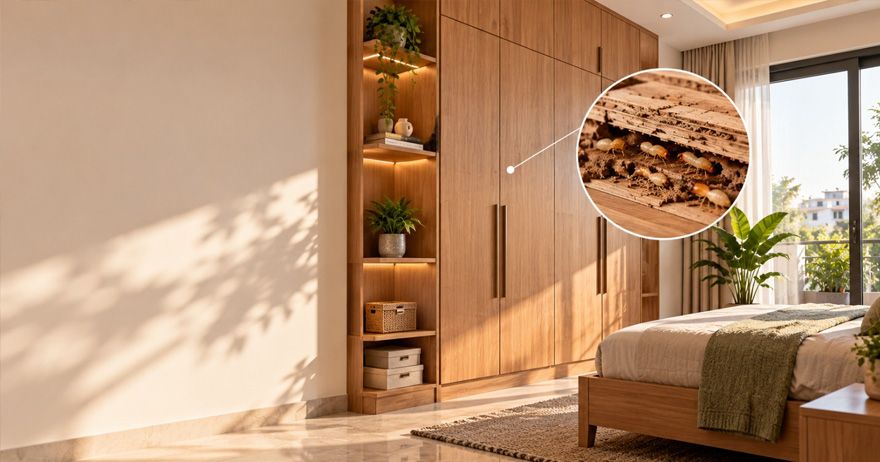
Termite-proof plywood is often marketed as a long-lasting solution for protecting furniture and interiors from termite damage, but can it really stop termites completely? The truth is that termite-resistant plywood is treated with special chemicals to make it less attractive and more resistant to termite attacks. It is not completely termite-proof under all conditions.
Factors such as installation quality, moisture exposure, and overall pest control also play a crucial role in preventing infestations. In this guide, we'll separate myths from facts, explain how termite-resistant plywood works, and help you choose the right plywood for your home.
What Is Termite-Proof Plywood?
The term Termite-proof plywood is commonly used to describe plywood manufactured or treated to provide increased resistance against termite attacks. These products may use chemical treatments, specific manufacturing processes, or preservatives intended to make the plywood less attractive or less vulnerable to termites.
Termite resistant plywood is designed to withstand or discourage termite activity better than untreated alternatives. Termite treatment can improve the plywood's resistance. However, the effectiveness depends on the product, treatment process, application, installation, and environmental conditions.
How Termite-Resistant Plywood Works
The exact treatment method varies between manufacturers, so it is important to check the specifications of the individual product.
Chemical Treatment
Some plywood products are treated with chemicals intended to discourage termite activity. These treatments can increase resistance compared with untreated plywood.
Treated Veneers
In some manufacturing processes, individual veneer layers may receive treatment before being bonded together. The goal is to provide protection throughout more of the plywood structure.
Resistant Adhesives
Certain plywood products may use specialized adhesive systems designed to provide additional resistance against biological deterioration.
Moisture Control
Moisture is an important consideration because damp conditions can contribute to an environment where termites and other wood-damaging organisms thrive. Waterproof plywood can be useful in areas exposed to moisture, but water resistance and termite resistance are two different properties.
Myth vs Fact: Is Any Plywood 100% Termite-Proof?
One of the biggest misconceptions is that purchasing specially treated plywood eliminates the possibility of termite infestation. The reality is more nuanced. This distinction is particularly important when evaluating plywood vs termites.
| Myth | Fact |
|---|---|
| Termite-resistant plywood can never be attacked | Resistance reduces vulnerability but doesn't guarantee absolute protection |
| Any premium plywood is automatically termite resistant | Resistance depends on the specific product and treatment |
| Waterproof plywood and termite resistance are the same | Water resistance and termite resistance are separate properties |
| Termite-resistant plywood eliminates the need for pest control | Surrounding soil; construction gaps; and other materials can still be affected |
| Termites only attack low-quality plywood | Termites can damage various wood-based materials under suitable conditions |
| Once plywood is treated; protection lasts forever | Performance depends on product quality; exposure; damage; and environmental conditions |
Different Types of Termite-Resistant Plywood
When selecting plywood, consider both its structural and environmental properties.
Commercial Plywood With Termite Treatment
Some commercial-grade plywood products are available with termite-resistant treatments. These may be suitable for interior applications where moisture exposure is relatively controlled.
BWP Plywood
BWP plywood stands for Boiling Waterproof plywood and is designed for applications requiring high resistance to water exposure. You should separately confirm whether the specific product has termite-resistant treatment.
Marine Plywood
Marine plywood is manufactured for demanding moisture conditions and is generally associated with high water resistance. It is perfect plywood for kitchen cabinets because kitchens experience steam, water splashes, cleaning, and temperature fluctuations.
Treated Plywood
Some manufacturers offer plywood specifically treated to resist termites and other biological threats. It is the best plywood for furniture, but consider Thickness, grade, structural quality, moisture exposure, surface finish, and intended load.
Factors That Affect Termite Resistance
The most effective termite protection for plywood combines appropriate material selection and the factors that affect termite resistance are given below.
- Moisture Exposure: Persistent dampness can create favourable conditions for termites and can also damage the plywood or surrounding materials.
- Installation Quality: Poorly sealed edges, gaps, exposed surfaces, and direct contact with damp areas can create vulnerabilities.
- Surrounding Materials: Untreated wood, cardboard, debris, or other cellulose-containing materials around furniture can provide pathways for infestation.
- Soil Contact: Ground contact can increase termite exposure, particularly in ground-floor construction and areas close to foundations.
- Damage to the Surface: Cutting, drilling, sanding, or modifying plywood can expose untreated areas depending on the product and treatment process.
- Building Conditions: Poor ventilation, water leakage, plumbing problems, and persistent dampness can increase the overall risk of termite activity.
- Product Quality: Look for clear manufacturer information, applicable standards or certifications, treatment details, and warranty conditions.
How to Protect Plywood from Termites
Choosing anti termite plywood can reduce the risk of termite damage, but effective protection requires more than selecting a treated sheet. The surrounding environment, installation quality, moisture control, and regular inspection all play important roles. Some of the practical ways to protect plywood furniture and interiors are control moisture, seal exposed edges, avoid direct floor contact, maintain ventilation, inspect regularly, address infestations early, and protect the entire installation.
Common Mistakes That Lead to Termite Damage
Avoid these below mistakes when installing plywood furniture and interiors.
- Assuming Treated Plywood Is Completely Immune: Termite resistance reduces vulnerability but doesn't guarantee that termites can never cause damage.
- Ignoring Water Leaks: Persistent moisture can damage plywood and create favourable conditions for pest activity. Repair plumbing and building leaks promptly.
- Leaving Edges Unprotected: Cutting and drilling can expose vulnerable areas depending on the product.
- Placing Furniture Against Damp Walls: Poor ventilation and moisture behind cabinets can create hidden problem areas.
- Skipping Pre-Construction Treatment: Where required or recommended, building-level termite protection should be completed as part of construction rather than relying entirely on furniture materials.
- Using the Wrong Plywood for the Location: Interior-grade plywood may not be appropriate for areas exposed to significant moisture or demanding conditions.
- Ignoring Early Warning Signs: Small signs of termite activity can become a much larger infestation if left untreated.
- Choosing Only by the Termite Claim: A product marketed as resistant should still be evaluated for strength, moisture resistance, grade, thickness, certification, and intended application.
How to Choose the Best Plywood for Long-Term Durability
A useful plywood buying guide should look beyond the words "termite-proof" on the packaging.
Match the Grade to the Application
Choose plywood according to moisture exposure, structural requirements, and intended use. A cabinet in a dry bedroom doesn't face the same conditions as a sink cabinet in a kitchen.
Check the Product Documentation
Look for information about grade, treatment, thickness, intended application, standards, and warranty.
Examine the Sheet
Before purchasing, inspect the sheet for visible defects, damaged edges, delamination, excessive warping, or other quality concerns.
Consider the Complete Cost
Don't compare only the price per sheet. Include cutting, edge treatment, laminate or veneer, hardware, fabrication, installation, and future maintenance.
Don't Confuse Water Resistance With Termite Resistance
A product can have excellent moisture resistance without necessarily having specialized termite treatment. Evaluate both properties independently.
Is Termite-Proof Plywood Worth the Investment?
The main benefit of termite-proof plywood is increased resistance. For homes in areas with a known termite risk, choosing a properly documented resistant product alongside moisture management and appropriate building-level pest protection can be a sensible approach.
| Pros | Cons |
|---|---|
| Increased resistance to termite attacks | Usually costs more than untreated alternatives |
| Useful for furniture and interior applications | Doesn't guarantee complete termite protection |
| Can provide additional peace of mind | Performance depends on installation and environment |
| Can be combined with broader pest-control measures | Treatment effectiveness varies by product |
| Suitable options are available for different applications | Requires careful product comparison |
Final Thoughts
Termite-resistant plywood can be a valuable material for furniture, cabinets, and interior construction, but it should never be treated as a standalone guarantee against infestation. The most important distinction is between resistance and complete protection. A comprehensive approach that combines suitable plywood, proper installation, moisture control, building-level prevention, regular inspection, and professional pest treatment when necessary offers better long-term protection than relying on the plywood alone.