


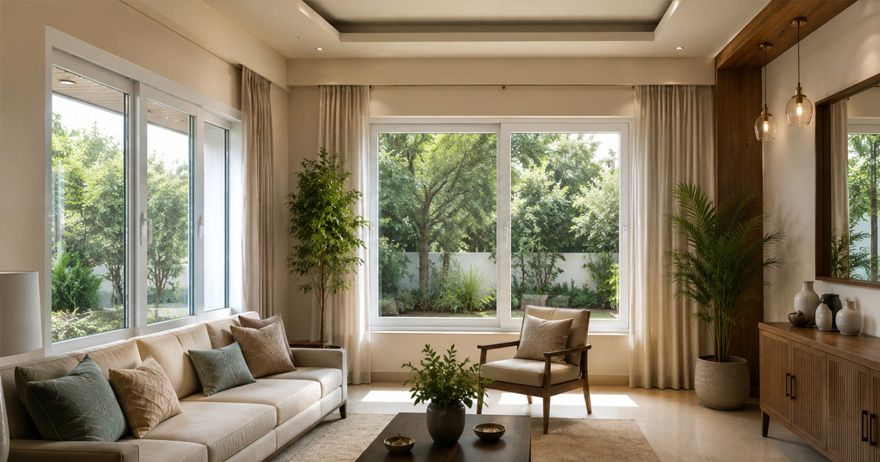
Vastu Shastra for windows and doors plays an important role in creating a balanced, well-ventilated, and harmonious home. According to Vastu principles, the placement, direction, and size of windows and doors can influence natural light, airflow, and the flow of positive energy throughout the house.
While modern architecture focuses on aesthetics and functionality, combining it with Vastu guidelines can help homeowners design spaces that feel comfortable and inviting. In this guide, we'll explore the ideal directions for windows and doors, common Vastu dos and don'ts, and practical tips for building a Vastu-compliant home.
Why Windows and Doors Matter in Vastu Shastra?
You might be wondering why whttps://docs.google.com/document/d/1zgCf0wDtnVxcGusoDKKEDPkDOjs4L9u-Xwm4CefhAtY/edit?usp=sharinghttps://docs.google.com/document/d/1zgCf0wDtnVxcGusoDKKEDPkDOjs4L9u-Xwm4CefhAtY/edit?usp=sharingindows and doors Vastu continues to be a major consideration for many homeowners. Vastu Shastra for windows and doors are important to lead a harmonious life. Homes with sufficient daylight often require less artificial lighting during the day, as well as good ventilation improves comfort and air quality. It creates a healthier indoor environment.
In Vastu Shastra, the ancient Indian science of architecture and spatial design, every element of a building is considered in relation to the five natural elements and to the eight cardinal and ordinal directions. Windows and doors are the primary channels of positivity through which light, air, energy, and movement enter and exit the home.
Best Direction for the Main Door as per Vastu
The main entrance forms the first connection between the home and the outside environment. According to traditional Vastu for main door recommendations, entrances facing the north, east, or north-east directions are generally considered favourable.
North-Facing Main Door
North is governed by Kubera, the deity of wealth and considered highly auspicious for prosperity and financial stability. Practically, a north-facing entrance also receives consistent daylight.
Northeast-Facing Main Door
The northeast (Ishanya) corner is associated with divine energy, wisdom, and clarity. It receives pleasant morning sun that illuminates the entrance naturally and cheerfully.
East-Facing Main Door
The East is associated with the sun, energy, health, and new opportunities. The morning sun illuminates your entire home, creating a welcoming approach and offering better airflow.
Main entrance Vastu is less about following every traditional rule and more about creating an inviting entrance.
Ideal Window Placement According to Vastu
When planning Vastu for windows, the goal should be to create a healthy balance between daylight, ventilation, privacy, and thermal comfort. According to Window direction as per Vastu, larger windows are generally recommended on the north and east sides of the house.
East-Facing Windows
East-facing windows brighten bedrooms and living spaces with pleasant morning sunlight.
It has the lowest heat gain of sun-facing orientations and best in Indian summer conditions.
North-Facing Windows
North-facing windows receive indirect diffuse light throughout the day without direct sun exposure. It is desirable for living rooms, study areas, and spaces used for work or meditation.
Choosing the best direction for windows should therefore depend not only on traditional guidance but also on your local climate, surrounding buildings, and room usage.
Vastu Guidelines for Interior Doors
Interior doors also contribute to the overall flow of movement inside a home. The simple Home Vastu guidelines are given below that improves both functionality and aesthetics.
- Door direction as per Vastu recommends that doors should open smoothly without obstruction or unnecessary noise.
- Two interior doors should not face each other directly across a room or corridor, as it is considered to deplete the room's positive energy.
- Bedroom doors in Vastu should ideally not open directly toward the bed which reduces the sense of privacy and ease in a rest space.
- Interior doors should allow easy movement between rooms, open inward and swing to the right means clockwise when seen from inside the room.
Common Vastu Mistakes to Avoid
A well-planned Vastu-compliant home design should always balance traditional preferences with practical architectural principles.
| Measurement | What It Includes | Typical Size Vs Carpet Area |
|---|---|---|
| Carpet Area | Usable floor space and internal walls | Base figure (100%) |
| Built-up Area | Carpet area plus external walls and balcony | 10% to 15% more |
| Super Built-Up Area | Built-up area plus a share of common areas | 25% to 35% more |
How Window Size and Ventilation Affect Vastu?
The size of your windows is as important as their direction. Vastu Shastra emphasises that the windows and doors that are too small relative to the room size restrict energy flow and are considered to create stagnant energy in the space.
The total window area in a room should be approximately one-fifth to one-eighth of the floor area as it is a range that aligns well with modern building code ventilation requirements. A well-placed window that is too small may not provide enough daylight or airflow, while an oversized window in the wrong location can lead to excessive heat gain and reduced privacy.
Rather than focusing only on Vastu, you should think about the function of each room. Bedrooms need privacy along with ventilation, living rooms need larger openings, and kitchens require windows that remove cooking fumes efficiently.
Balancing Vastu with Modern Home Design
Modern homes are designed very differently from traditional houses. The most significant Vastu recommendations for windows and doors align closely with good architectural design. So, you need not choose between modern design and traditional beliefs. In most cases, both can work together.
Where plot orientation or design constraints make full Vastu compliance difficult, you can opt for modern glazing systems, shading devices, insulated frames, and smart ventilation planning to maintain indoor comfort. You can also adjust the exact position of the entrance within the south face to specific Pada positions identified in the Vastu Purusha Mandala, using specific threshold materials and colours, or incorporating protective design elements at the entrance.
Many architects combine Vastu tips for home with climate-responsive design rather than treating them as separate ideas. Instead of making design decisions based only on tradition or only on aesthetics, look for practical solutions that support both.
Choosing the Right Windows and Doors for a Vastu-Compliant Home
Picking the perfect windows and doors are crucial for a Vastu-compliant home design.
- Wood is considered the most naturally harmonious material for doors and windows, associated with warmth, growth, and organic energy.
- Modern uPVC windows and doors provide excellent sealing against dust, rain, and outside noise and allow plenty of natural light and ventilation when required. They need less maintenance nature and offer a long lifespan.
- When selecting windows, think beyond appearance. Consider factors such as room orientation, ventilation requirements, glass type, insulation, and ease of operation.
- For a north-facing main door, green is considered auspicious. For an east-facing main door, shades of wood, cream, or orange are good. For a west-facing door, white, cream, or silver tones are appropriate.
- Main entrance Vastu places particular emphasis on the threshold and the door hardware.
Final Thoughts
Following Vastu Shastra for windows and doors does not mean every home has to follow identical layouts. Every property is different, and factors such as plot size, surrounding buildings, climate, and family requirements all influence the final design.
If you are planning a new home, consider Vastu principles as one part of the overall design process rather than the only deciding factor. Working with experienced architects and selecting high-quality windows and doors can help you create a home that combines traditional wisdom with modern performance. Ultimately, the most successful homes are those that are comfortable, practical, and designed around the people who live in them.