





uPVC Casement Windows
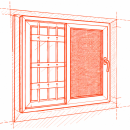
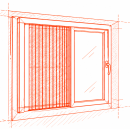
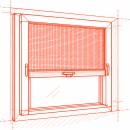
IndiFrame casement windows are side-hinged and open outward, swinging fully clear of the opening for...

IndiFrame bay windows project outward from the wall, combining several panels at an angle to create a wider view and a sense of extra space inside. They pull in natural light from multiple directions and are perfect for living rooms and reading nooks where you want a feature window that opens the room up.


White, Grey & Black


Golden Oak, Black, Grey, Walnut & Red Oak
5mm, 6mm, 8mm, 10mm, 12mm & 20mm (DGU)
Available in clear, laminated, and toughened glass, including double-glazed units (DGU)

“IndiFrame struck the right balance between cost and quality. They were quite professional and have done their job immaculately well — without any compromise on quality.”
Connect with our team, and they will walk you through product options, sizing, and next steps.
Connect with our team, and they will walk you through product options, sizing, and next steps.
A uPVC bay window projects outward from the wall in three or more angled sections, creating a small alcove inside the room. It brings in light from several directions, makes the room feel larger, and creates space for a window seat, a reading nook, or a display shelf.
Bay windows work best in living rooms, master bedrooms and study rooms that face a view, a garden or open sky. They suit independent houses and villas where the wall can project outward. In apartments, check with your builder or society before changing the facade.
Yes. Because a bay window projects beyond the wall, it needs a properly built projection or slab, and sometimes a support bracket underneath. It is easiest to plan during construction. Our site survey checks the structure before we design and manufacture the window.
IndiFrame uPVC Bay windows costs ₹550-₹600 per sq ft. Bay window prices depend on the number of sections, size, projection angle, glass, colour and any grills or mesh. Because every bay is custom-made, IndiFrame gives an exact, itemised quote after a free site survey and measurement.
A bay window has straight, angled panels, usually three, forming a box-like projection. A bow window uses four or more panels in a gentle curve. Bay windows give a deeper seat and a more defined alcove, while bow windows give a softer, rounded look.
Bay window panels can be fixed or opening. A common layout is a large fixed centre panel for the view with opening side panels for ventilation. Our design team helps you choose the layout based on your room and airflow needs.
Yes, with the right glass. uPVC frames insulate well, and a 20 mm double-glazed unit (DGU) or laminated glass reduces heat gain and outside noise. Bay windows face more sun than flat windows, so better glass is worth considering on south and west sides.
You can choose clear, laminated or toughened glass in 5, 6, 8, 10 or 12 mm thickness, or a 20 mm double-glazed unit. We recommend toughened or laminated glass for large panels and bay windows at seating height.
Yes. IndiFrame offers an add-on track to accommodate a sliding mesh with a grill for added security on lower floors.
Bay windows come in solid White, Grey and Black, or laminated Golden Oak, Dark Grey, Walnut, Red Oak and Dark Oak finishes. They carry a 5-year RERA-compliant warranty and lifetime support. Book a free consultation for a site visit within 48 hours.


