


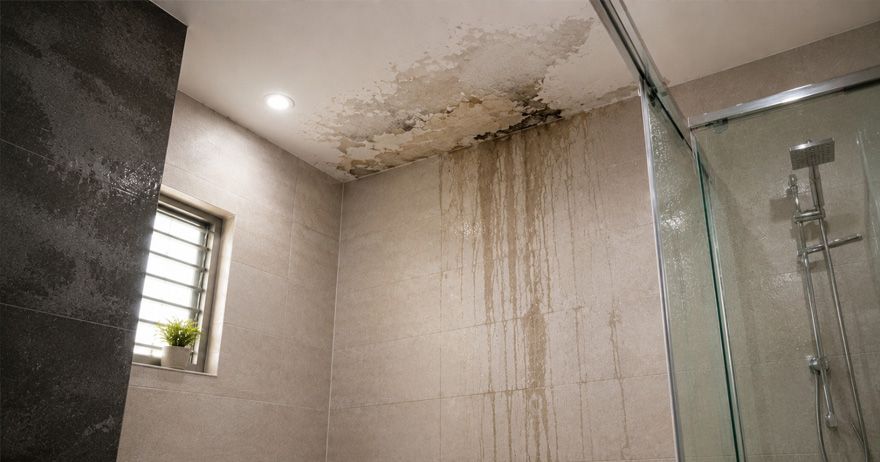
Bathroom waterproofing maintenance is necessary to prevent water leakage, damp walls, mold growth, and costly structural damage.
Over time, waterproofing membranes can deteriorate due to constant exposure to moisture, temperature changes, and daily wear. Ignoring early warning signs can lead to hidden leaks that affect adjacent rooms, ceilings, and flooring.
Whether you own an apartment or an independent home, recognising when your bathroom waterproofing needs attention can save you significant repair costs.
This bathroom waterproofing maintenance guide explains the common signs of waterproofing failure, maintenance tips, and when it is time for professional repairs.
Why Is Bathroom Waterproofing Maintenance Important?
The bathroom is the only place that sees more water contact than any other room in your home. Every day, water runs down the walls and seeps into grout lines. And that’s why waterproofing for bathrooms under the tiles is very important.
Without proper bathroom waterproofing maintenance, this water slowly enters the concrete slab below the tiles, weakens the structure, rusts the steel bars inside, and causes leaks in the ceiling of the room below. Waterproofing also protects your health, since damp walls invite mold and mildew, which can trigger allergies and breathing problems.
Common Signs Your Bathroom Waterproofing Is Failing
If you see any of the following bathroom leakage signs, it means that your waterproofing is failing. So, make sure to get it checked.
- Damp patches or discolouration on bathroom walls near the bottom, or bathroom wall leakage on a wall shared with another room.
- Peeling or bubbling paint on the ceiling of the room directly below the bathroom.
- A musty smell in the bathroom or the room below.
- Hollow-sounding tiles when you tap them gently. It means the tile has come loose from the surface below, because water has reached underneath.
- Cracked or crumbling grout between tiles, or grout lines that stay dark and wet long after you last used the bathroom.
- White, chalky deposits on walls, known as efflorescence. This happens when water carries salts out of the concrete and leaves them behind as it dries.
- Water seepage in bathroom on the floor instead of draining quickly toward the drain point.
What Causes Bathroom Waterproofing To Deteriorate?
Here are the factors that cause bathroom waterproofing to deteriorate fast.
- Age: Cement-based coatings last around 10 years, while flexible two-component coatings last up to 10 to 15 years. After this, the coating naturally loses its protective strength.
- Poor original application: If the surface was not cleaned and prepared properly, or the coat was too thin, waterproofing fails much sooner than it should.
- Building movement: Small movements in the structure create hairline cracks over the years. Water finds its way through these cracks even if the surrounding waterproofing is intact.
- Drilling and fittings: When you install new fixtures, like a towel rod, you need to drill into the wall or floor. Knowing where the waterproofing is done can help prevent puncturing the membrane.
- Harsh cleaning chemicals: If you use strong acid-based cleaners regularly on tiles and grout, it wears down sealants faster than normal use would.
- Constant water exposure: Areas where you use water more often, like the shower area, wear out faster than the rest of the bathroom.
How Often Should Bathroom Waterproofing Be Inspected?
Make sure to check your bathroom waterproofing from time to time to prevent problems from growing.
- Look at your grout lines and the silicone seal around your bathtub or shower every six months for cracks or gaps.
- Call a professional to inspect the waterproofing itself once every two to three years, or sooner if your bathroom is more than eight years old.
- Check the waterproofing after any plumbing work or renovation, since new pipe connections are common weak points.
- Check before the monsoon, as heavy, constant rain usually puts extra pressure on any weak spots that already exist.
Simple Bathroom Waterproofing Maintenance Tips To Extend Life
Here are some simple bathroom maintenance tips to extend the life of waterproofing.
- Reseal grout and silicone joints immediately after you spot cracks, usually every one to two years.
- Keep the drain clear so water doesn’t stay stagnant on the floor for a long time.
- Avoid harsh acid cleaners, and always use mild, tile-safe cleaning products.
- Fix a dripping tap or loose pipe joint immediately, as they can slowly damage the waterproofing below.
- Wipe down wet areas after a bath to reduce standing water and constant moisture.
When Minor Repairs Are Enough And When Full Waterproofing Is Needed?
If the problem is limited to one small spot, a minor bathroom waterproofing repair such as resealing a grout line or patching a small crack is usually enough.
Full waterproofing is required only when the damage is spread across a larger area. Signs like
- When the ceiling below shows repeated staining even after small repairs.
- When several tiles sound hollow.
- When the waterproofing layer has already crossed its expected lifespan.
If you find yourself repairing the same spot again and again, it’s a clear sign that the underlying layer has failed and needs to be redone from scratch, including removal of tiles.
Common Mistakes That Damage Bathroom Waterproofing
Here are some common mistakes that damage bathroom waterproofing.
- Ignoring small leaks.
- Drilling without checking where the waterproofing membrane runs.
- Choosing cheaper, low-grade materials to save money during construction or renovation.
- Skipping curing time, as the waterproofing coatings need time to set properly before tiling begins and rushing this step weakens the entire layer.
- Poor sealing at the most common failure points in any bathroom- corners and joints.
- Prioritising tile design over waterproofing quality.
- Delaying repairs. This way, small issues turn into structural ones.
Choosing The Right Waterproofing Materials And Professionals
It is recommended to apply a two-component, polymer-modified cement coating under the tiles. It handles small movements without cracking and lasts up to 10 to 15 years when applied correctly. You can choose the right bathroom waterproofing solutions from established brands, such as Dr Fixit, Fosroc, and MYK Laticrete.
When looking for professionals, it is recommended to choose one who specialises in waterproofing, not just a general tile fitter or painter. Ask them to run a water ponding test, filling the area with water and leaving it for 24 hours to check for leaks, before the tiles go down.
How Good Ventilation Helps Protect Bathroom Waterproofing?
Ventilation is not just for removing bad smells from the bathroom. When moist air has nowhere to go, it settles on walls and ceilings, slowly weakening paint, grout, and even the waterproofing layer below.
An exhaust fan or an open window helps moisture escape quickly after every bath, keeping surfaces drier and reducing the conditions for mold to grow. Poor ventilation leads to bathroom dampness and paint peeling, even if the waterproofing itself is of good quality.
Final Thoughts
Bathroom waterproofing needs regular attention, from checking grout lines to watching for damp patches on nearby walls. It is recommended to resolve the problems as soon as you notice them, as it can save you from bigger repair costs and protect the structure of your home.