



The best indoor plants to reduce heat naturally can make your home feel cooler, fresher, and more comfortable while improving indoor air quality. Although plants don't replace air conditioners, they help regulate humidity, reduce surrounding temperatures through transpiration, and create a calming indoor environment.
For Indian homes, choosing the right heat-reducing indoor plants is an eco-friendly way to enhance comfort, especially during the summer months. In this guide, we'll explore 15 of the best indoor plants that help cool your home naturally, along with care tips and the best places to keep them.
Can Indoor Plants Really Help Reduce Heat?
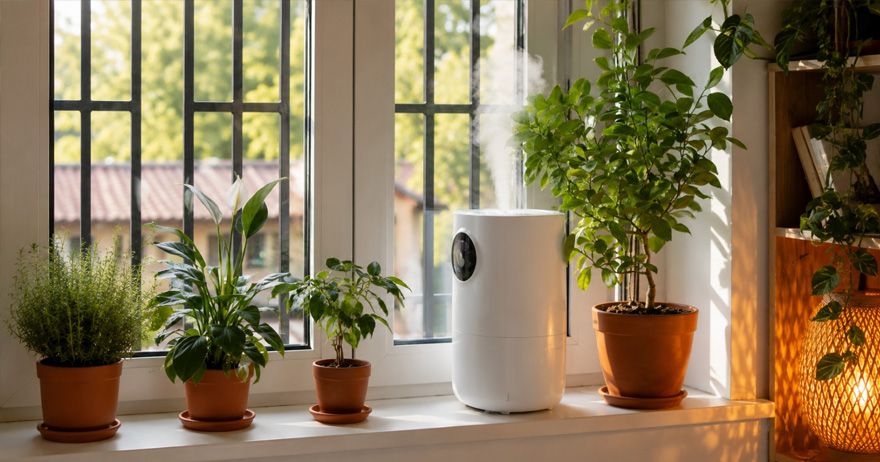
Indoor plants can contribute to a cooler-feeling environment. Plants absorb water through their roots and release some of it as water vapour through their leaves. They influence humidity and the microclimate immediately around the plant.
A group of healthy plants may make a sunny corner feel more convenient, but a few houseplants will not reduce room temperature. The best indoor plants to reduce heat naturally therefore work best as part of a broader cooling strategy like shading, ventilation, suitable window treatments, and reduced direct solar heat gain.
Benefits of Keeping Indoor Cooling Plants
The most obvious benefit of indoor greenery is the way it changes the feel of a room.
- Temperature reduction: Some indoor plants for cooling have broad leaves and higher transpiration rates. So they help in maintaining better indoor temperature.
- Humidity regulation: Indoor plants add moisture to dry indoor air particularly beneficial during summer months.
- Air purification: Many air-purifying indoor plants filter airborne toxins including formaldehyde, benzene, toluene, and xylene and creates a healthy environment.
- Oxygen production: Through photosynthesis during daylight hours, plants absorb carbon dioxide and release oxygen.
15 Best Indoor Plants to Reduce Heat Naturally
The top 15 best indoor plants to reduce heat naturally are given below.
1. Areca Palm
The areca palm is a popular choice for bright living rooms and spacious corners. Its long, feathery leaves add a tropical look. It releases moisture through transpiration. Avoid leaving the roots in standing water, as poor drainage can damage the plant.
2. Rubber Plant
The rubber plant is known for its large, glossy leaves and strong visual presence. It is an attractive option for modern interiors. It prefers bright light but can adapt to moderately lit rooms. Wipe the leaves occasionally to remove dust and help the plant receive light effectively.
3. Snake Plant
The snake plant is one of the most popular low-maintenance indoor plants because it tolerates irregular watering and a range of indoor conditions. Its upright leaves take up very little floor space. Overwatering is a bigger risk than underwatering.
4. Peace Lily
Peace lilies have dark green leaves and distinctive white blooms. Their leafy growth can contribute to local humidity through transpiration. However, consistently wet soil should be avoided. Peace lilies are toxic if ingested, so keep them away from pets and young children.
5. Boston Fern
Boston ferns are known for their dense, soft foliage and preference for humid conditions. They can be useful in homes where the air is naturally warm and not excessively dry. Their soil should not be allowed to dry out completely. Constantly damp conditions without ventilation can encourage fungal problems.
6. Aloe Vera
Aloe vera’s thick leaves store water, so it does not require frequent watering. It is one of the easier houseplants for hot weather, particularly in homes with bright windows. It is well suited to warm conditions and requires little maintenance. Use well-draining soil and avoid frequent watering.
7. Money Plant
The money plant, commonly grown as pothos, is widely seen in Indian homes because it is easy to grow and can be trained along shelves, walls, or hanging planters. Avoid keeping the soil constantly waterlogged. Pothos are also toxic if ingested by pets.
8. Spider Plant
The spider plant is compact, adaptable, and easy to propagate. It is a good choice for beginners and adapts to a range of indoor conditions. Allow the top layer of soil to dry slightly between watering.
9. Chinese Evergreen
Chinese evergreen, or Aglaonema, is valued for its attractive patterned foliage and ability to adapt to indoor conditions. It can tolerate lower light, so it is suitable for apartments. Avoid overwatering, particularly in rooms with limited light.
10. Bamboo Palm
The bamboo palm has slender stems and soft green foliage that work well in larger rooms. Its leafy growth makes it a popular choice among natural cooling plants. Keep the soil moderately moist but ensure that the pot drains well.
11. Fiddle Leaf Fig
The fiddle leaf fig is known for its large leaves and it can become a striking feature in a spacious living room. It prefers consistent bright, indirect light and does not respond well to frequent changes in location. Choose the location carefully and avoid excessive watering.
12. Monstera
Monstera is popular for its large, split leaves and ability to create an instant tropical feel. A support pole may be useful as the plant becomes larger. Monstera is toxic if ingested, so consider placement carefully in homes with pets or small children.
13. Weeping Fig
The weeping fig, or Ficus benjamina, can grow into a small indoor area. It provides shading near bright windows. It may drop leaves when suddenly moved or exposed to major changes in light. Avoid moving the plant frequently once.
14. Lady Palm
The lady palm has fan-shaped leaves and a neat, structured appearance that suits both traditional and modern interiors. It grows relatively slowly. Protect it from harsh afternoon sunlight through glass, which may scorch the leaves.
15. Philodendron
Philodendrons come in several varieties, from compact trailing plants to larger leafy types. Their adaptability makes them suitable for different room sizes. Many philodendrons are toxic if ingested, so keep them out of reach of pets and children.
Where to Place Indoor Plants for Maximum Cooling Effect
The best indoor plants for home have to be chosen based on the placement you prefer.
| Room / Area | Best Plants | Why This Placement Works |
|---|---|---|
| Living room | Areca Palm Rubber Plant and Bamboo | High-transpiration large plants cool the most-used space |
| Bedroom | Snake Plant Peace Lily and Ferns | Night oxygen production and air purification for better sleep quality |
| Kitchen | Aloe Vera Mint and Pothos | Moisture-tolerant plants with useful herbs and air purification near cooking |
| Bathroom | Boston Fern Chinese Evergreen and Bird's Nest Fern | Thrives in humidity and contributes to air quality in enclosed spaces |
| Study / Home Office | Peace Lily Spider Plant and Aglaonema | Air purification humidity balance and reduced mental fatigue |
| Balcony / near windows | Bamboo Weeping Fig and Aloe varieties | Shade creation and high transpiration in sun-exposed areas |
How Indoor Plants Improve Air Quality and Humidity
Indoor plants for better air quality clean the air in two ways, one through their leaves, which absorb gases and particulates, and the other through the microorganisms in their root zone and soil, which break down volatile organic compounds into harmless byproducts.
Plants release water vapour through transpiration, which can influence humidity in their immediate surroundings. Many Indian cities already experience high humidity during the monsoon. Adding too many moisture-loving plants to a poorly ventilated room can make the space feel more humid rather than cooler.
Low-Maintenance Indoor Plants for Indian Homes
Snake plants, aloe vera, spider plants, pothos, and some philodendrons are among the easier indoor plants for Indian homes when placed in suitable light conditions. They generally tolerate occasional missed watering better than moisture-loving ferns. A plant described as low maintenance can still struggle if it receives no natural light or is watered too frequently.
Common Mistakes to Avoid When Growing Indoor Plants
- Overwatering: A fixed watering schedule does not work for every plant because soil dries at different rates depending on the season, pot size, light, and humidity.
- Insufficient light: Placing plants in dark corners reduces its lifetime. Even plants that tolerate low light still need some light to survive.
- Using pots without drainage holes: Poor drainage can cause root problems, while leaving water in saucers may attract insects.
- Pest Control: Indoor plants should also be checked regularly for pests such as mealybugs, scale insects, and spider mites.
Tips to Keep Indoor Plants Healthy Throughout the Year
- Check the soil before watering rather than following the calendar.
- Understand the fact that indoor plants need different care during different seasons.
- Clean dusty leaves when necessary, rotate pots occasionally for balanced growth, and prune damaged or dead foliage.
- Make sure pots have drainage holes and use a potting mix suited to the plant.
- Fertiliser should be used according to the needs of the species rather than applied excessively.
- Watch the plant for yellowing leaves, brown edges, drooping, or sudden leaf loss can indicate problems with water, light, humidity, pests, or temperature.
- Avoid buying too many plants at once and start with a few varieties that match your home conditions.
Pairing Indoor Plants with Proper Ventilation for Better Cooling
Plants work best when combined with good home design. Cross-ventilation can remove trapped warm air and bring in fresh air when outdoor conditions are favourable. Ceiling fans improve air movement, while shading windows from intense sunlight can reduce heat gain before it enters the room. These combinations are more effective than expecting plants that cool your home to manage indoor temperature alone.
Final Thoughts
The best indoor plants to reduce heat naturally can make your interiors greener, more relaxing, and comfortable. The right choice depends on your home's daylight, humidity, available space, and how much time you can dedicate to plant care. Plants may not replace air conditioning, but they can be a useful part of a more sustainable home.