A dining room is more than a place to eat. It’s often where families gather, guests are entertained, and everyday conversations happen, so a well-planned dining room design for Indian homes is essential.
An ideal dining room design does not mean only visually appealing but, it should balance comfort, functionality, and flow while fitting naturally into the home's overall layout. The size and shape of the room, dining table dimensions, seating capacity, lighting, storage, ventilation, and proximity to the kitchen can all influence the design.
From traditional wooden dining sets and warm lighting to contemporary furniture, statement walls, and compact layouts, there are plenty of ways to personalise the space. Even smaller dining areas can feel spacious and inviting with smart furniture choices and thoughtful planning.
How to Plan a Functional Dining Room Layout?
A dining room should have enough space for people to sit comfortably, to be able to pull out chairs, and to allow for movement without hitting furniture. Prior to choosing the type of dining table, think about the size of the room, the number of people that will be eating, and the relation to the kitchen or living room.
- Measure the dining area before buying furniture
- Choose the Right Dining Table Shape
- If you regularly host guests, consider an extendable dining table
- Avoid placing chairs too close to doors, cabinets, or frequently used passages
- Place Lighting Above the Table
Choosing the Right Dining Table Size and Shape
The dining table should provide enough space for everyone. As a general guideline, around 60 cm of table length should be provided per person. A four-seater table is perfect for small families, while a six- or eight- person table is good for big ones. Additionally, make sure that there is at least 1.5 meters between the table and any other furniture or walls.
- Select a suitable table shape: Rectangular dining tables: Ideal for long dining rooms and larger families. You can also place them against a wall when you don't need extra seating.
- Round dining tables: Work well in compact spaces and make conversations easier because everyone faces one another.
- Square dining tables: Suit smaller, square rooms and households that need seating for 2 to 4 people.
- Oval dining tables: Offer a longer seating area with curved edges, making them a good option for families who want a softer look without sacrificing seating space.
10 Dining Room Design Ideas for Indian Homes
Here are 10 dining room design ideas for Indian homes:
Modern Dining Room Design for Contemporary Interior
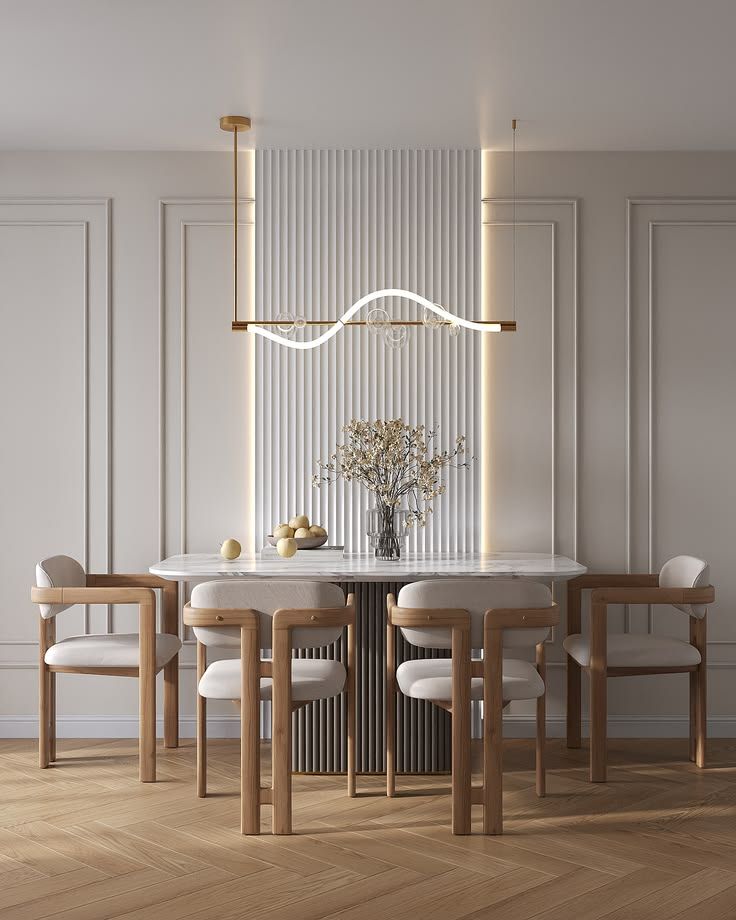
Modern dining rooms feature sleek furniture, neutral colours, and simple décor. A stylish dining table paired with comfortable chairs and pendant lighting creates a clean, contemporary look.
Traditional Indian Dining Room Ideas with Timeless Appeal
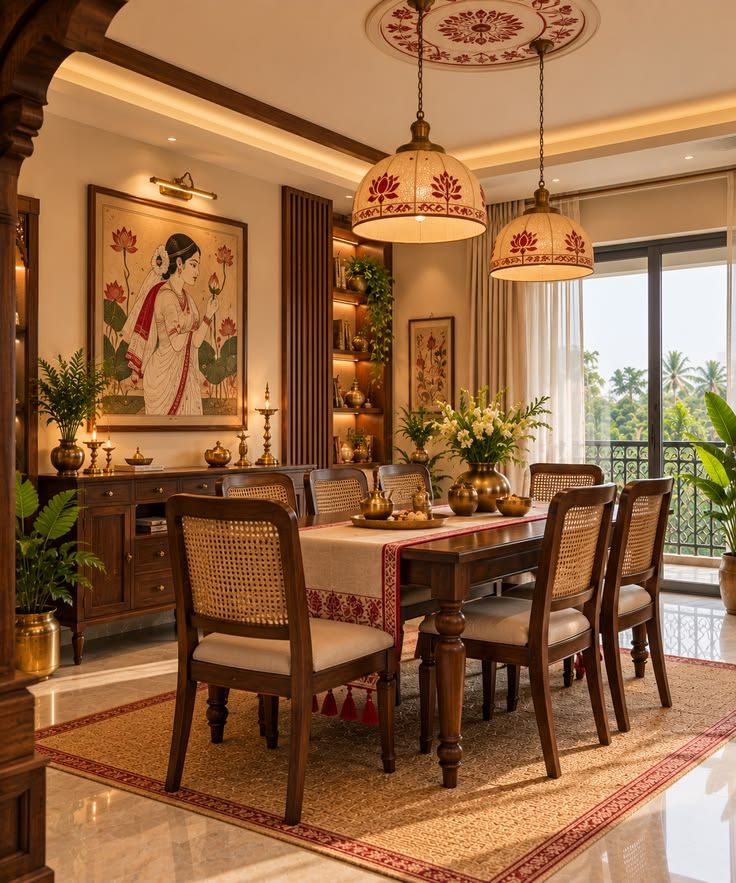
Wooden furniture, carved details, brass accents, and traditional artwork give dining rooms a classic Indian touch. These elements add warmth and character to the space.
Small Dining Room Design Ideas for Compact Homes
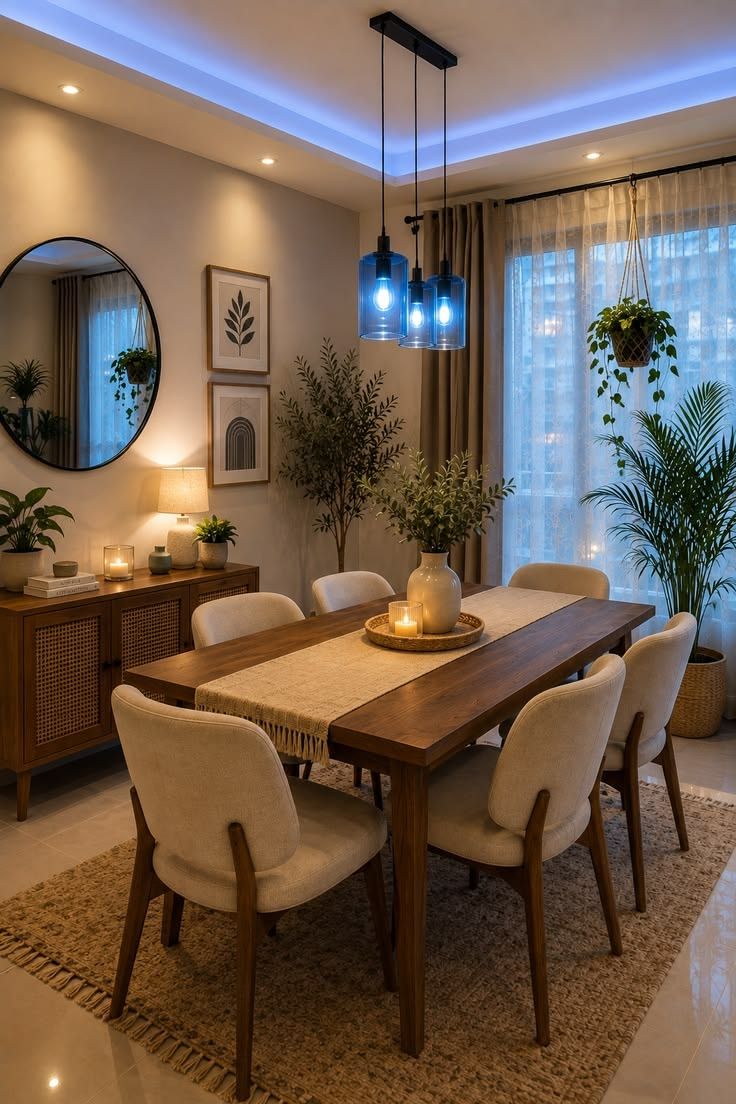
Round dining tables, foldable furniture, and built-in benches help save space in compact homes. Light colours and minimal décor can also make the dining area feel more open.
Dining Room Lighting Ideas for a Warm and Inviting Ambience
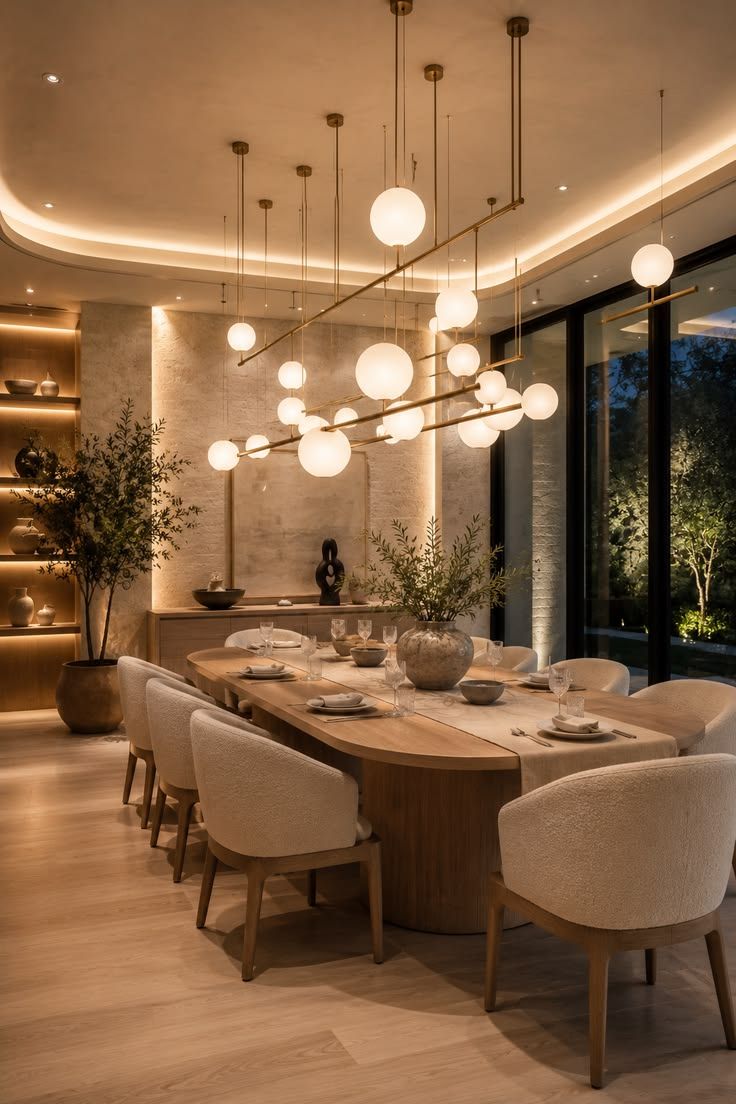
Pendant lights or chandeliers above the dining table create a focal point while providing useful illumination. Warm lighting can make family meals and evening gatherings feel more comfortable.
Dining Room Storage and Display Solutions
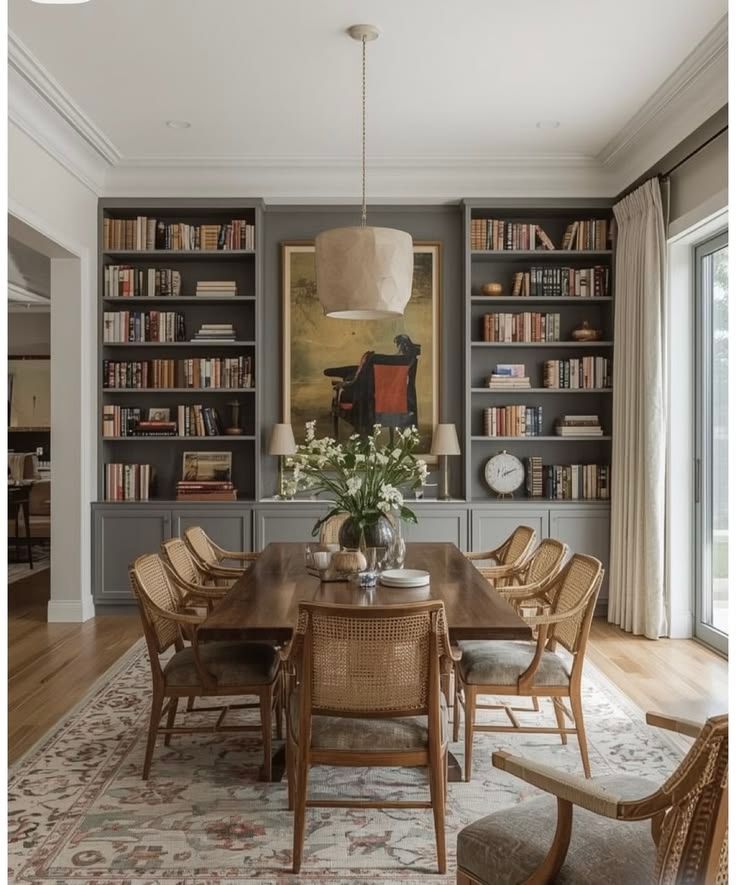
Sideboards, crockery cabinets, and wall-mounted shelves help organise dining essentials without cluttering the room. Glass-front cabinets can also display crockery and decorative pieces.
Wooden Dining Room Designs for a Natural Look
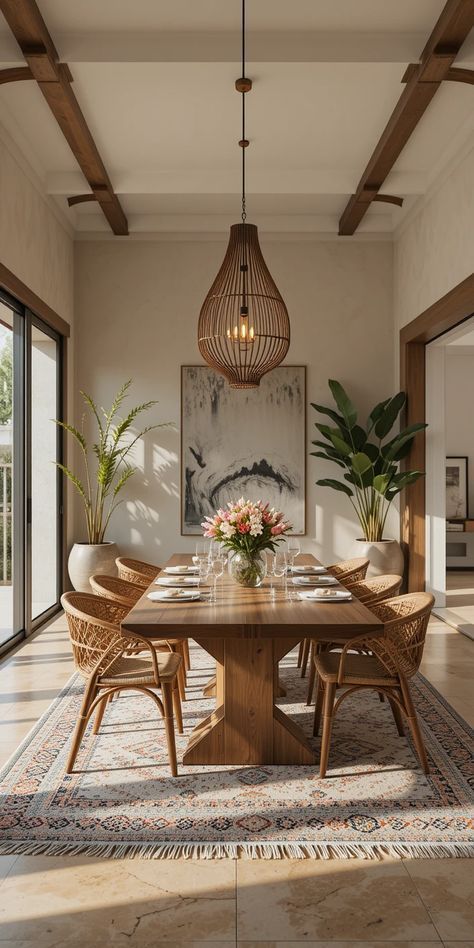
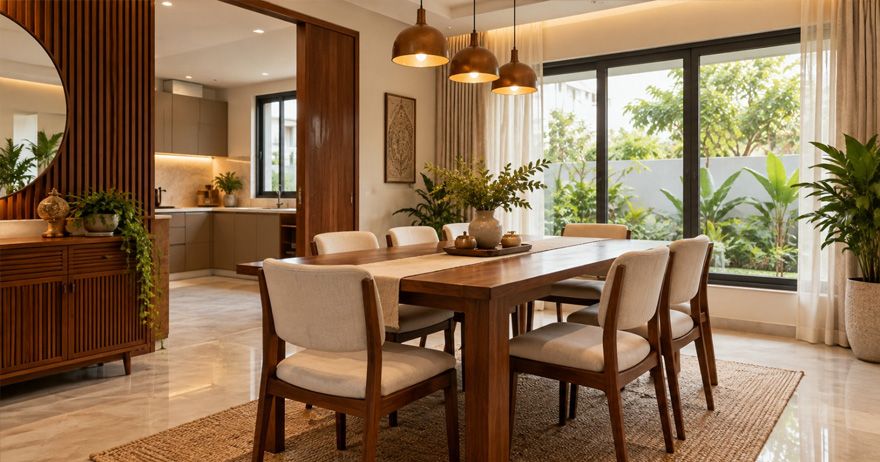
A wooden dining table adds warmth and suits both modern and traditional interiors. Pair it with neutral chairs, simple table décor, and indoor plants for a balanced look.
Open-Plan Dining Room Ideas for Modern Homes
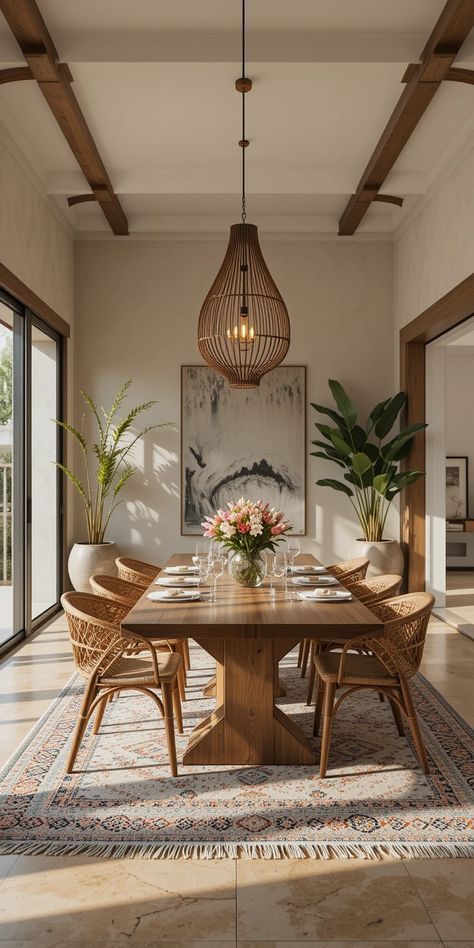
In open-plan homes, rugs, pendant lights, or a sideboard can help define the dining area. Choose furniture that complements the adjoining living room or kitchen for a coordinated look.
Dining Room Wall Decor Ideas
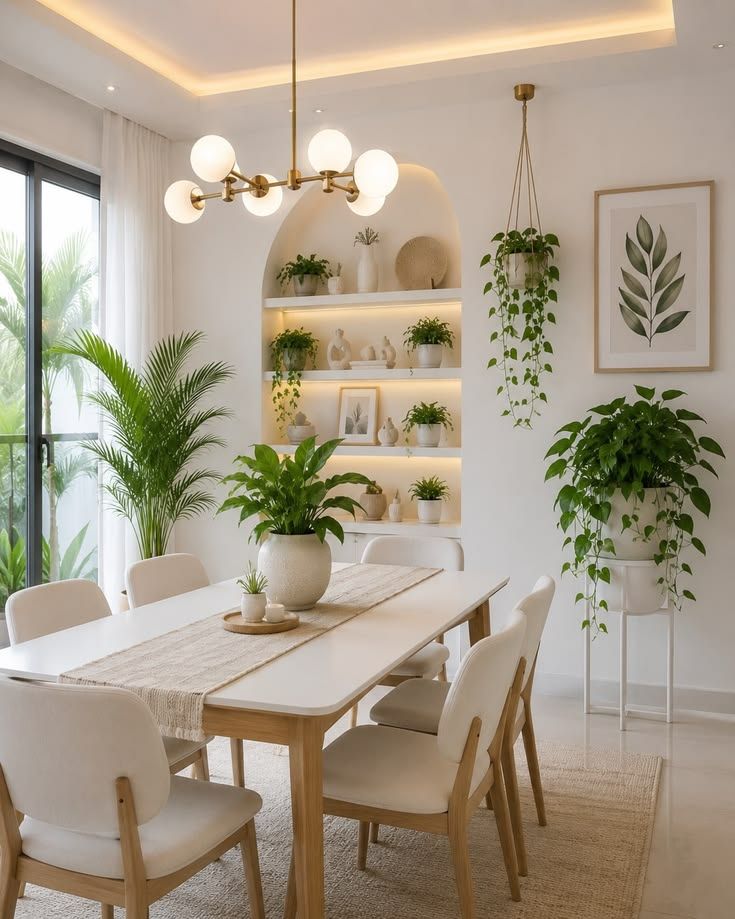
Framed artwork, mirrors, textured paint, and traditional Indian paintings can make an empty dining room wall more interesting. Choose décor that complements the furniture without overwhelming the space.
Dining Room Designs with Indoor Plants
Indoor plants add colour and freshness to a dining area. Place them near windows or use small arrangements as table centrepieces, making sure they do not obstruct movement.
Luxury Dining Room Ideas for an Elegant Look
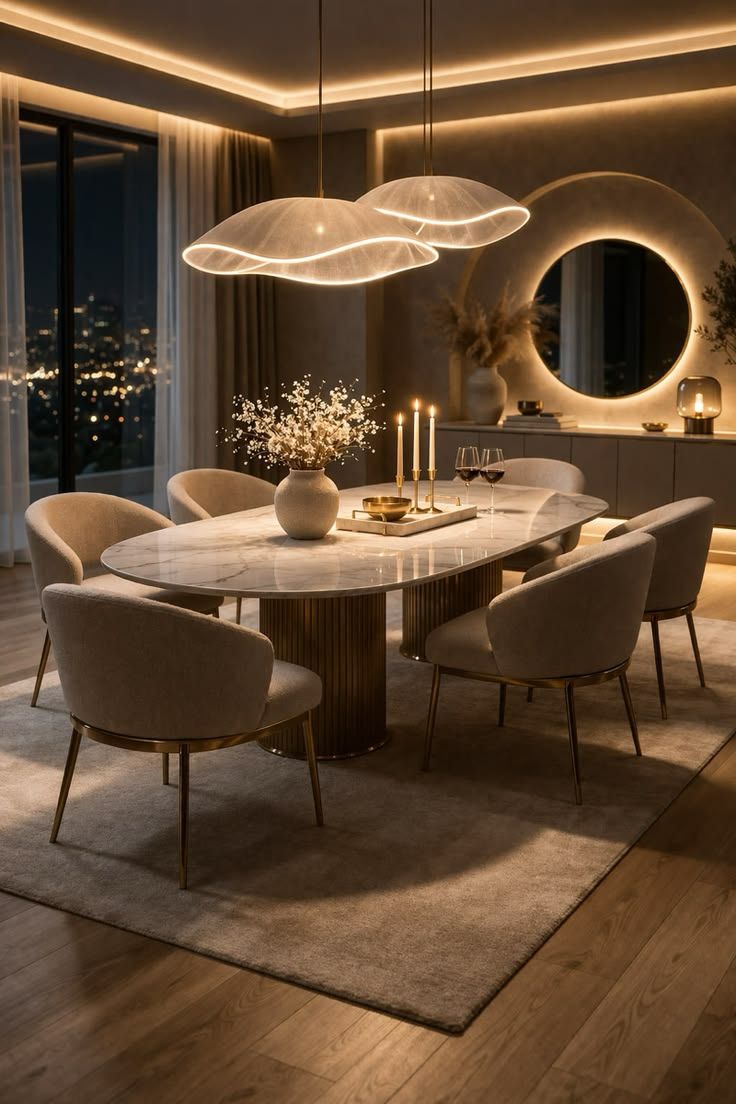
Marble dining tables, upholstered chairs, statement lighting, and metallic accents can create an elegant dining room. Focus on a few standout elements to achieve a refined look without overcrowding the space.
Dining Room Storage and Display Solutions
Dining room storage and display solutions help keep the space organised while adding to its overall appearance. A sideboard can store cutlery and serving dishes, while a crockery cabinet or open shelves can display dinnerware and decorative pieces. For smaller dining areas, choose compact storage units that provide enough space for essentials without blocking walkways or making the room feel crowded.
Choosing Colours, Materials, and Finishes for the Dining Space
Choosing the right colours, materials, and finishes is an important task if you want your dining room to feel more comfortable and visually appealing. Use shades that are neutral to create a calm setting, with some hints of earthy tones and deeper colours to add warmth. Also, such a colour palette goes well with wooden dining tables and brings a natural look, whereas marble and glass surfaces suit modern interiors. When selecting finishes for furniture, walls, and flooring, consider how they work together and how easy they are to clean and maintain.
How to Create a Dining Area in an Open-Plan Home?
If you want to create a dining area in an open-plan home, then you must take care of the following things:
- Choose the right location and keep the dining table close to the kitchen.
- Use a rug, pendant light, or sideboard to separate the dining area visually from the living room.
- Select suitable furniture that fits the available space without blocking walkways.
- Maintain a consistent style by using colours, materials, and finishes that complement the adjoining kitchen and living room.
- Leave enough space around the table for pulling out chairs and moving between different areas.
- Use a compact sideboard or wall shelves to store crockery and dining essentials without overcrowding the room.
Common Dining Room Design Mistakes to Avoid
Most homeowners make these common dining room mistakes. But you need to make sure that you’re avoiding all of them at all costs:
- Choosing an oversized dining table that takes up too much space in the room.
- Ignoring lighting above the table and ensuring the room is well-lit.
- Overcrowding the space by keeping too many chairs, cabinets, and decorative items.
- Using uncomfortable seating like dining chairs should provide proper support and enough space for people to sit comfortably during meals.
- Neglecting storage for crockery, cutlery, and serving essentials.
- Choosing materials that are difficult to maintain in daily use.
Final Thoughts
Creating a comfortable dining room is about finding the right balance between style and everyday needs. Choose furniture that fits your space, ensure enough room to move around, and use suitable lighting, colours, and materials to bring the design together. Whether you have a separate dining room or a small dining corner in an open-plan home, a thoughtful layout can make the space more welcoming for daily meals and family gatherings.