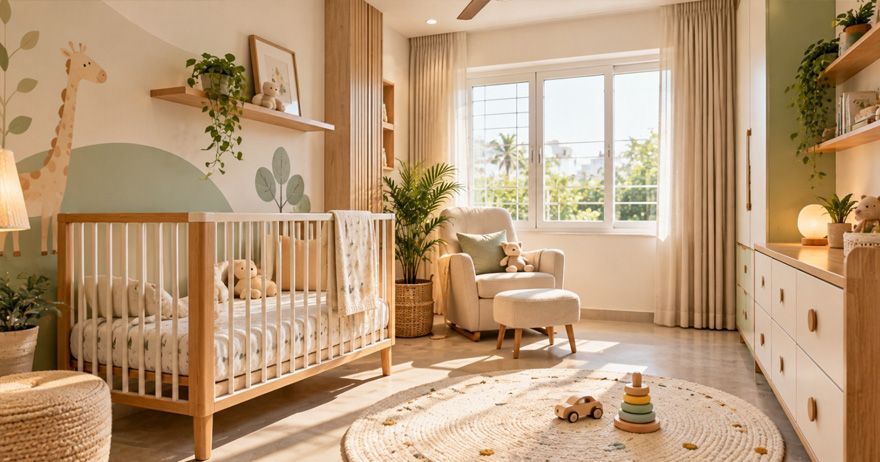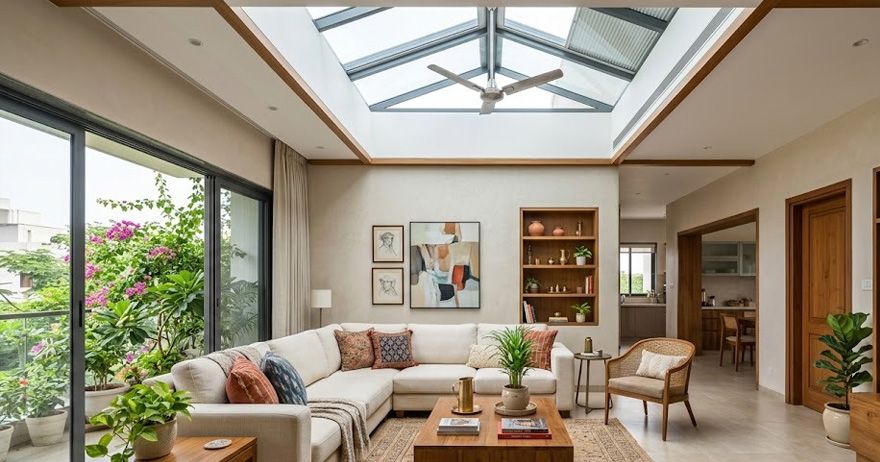




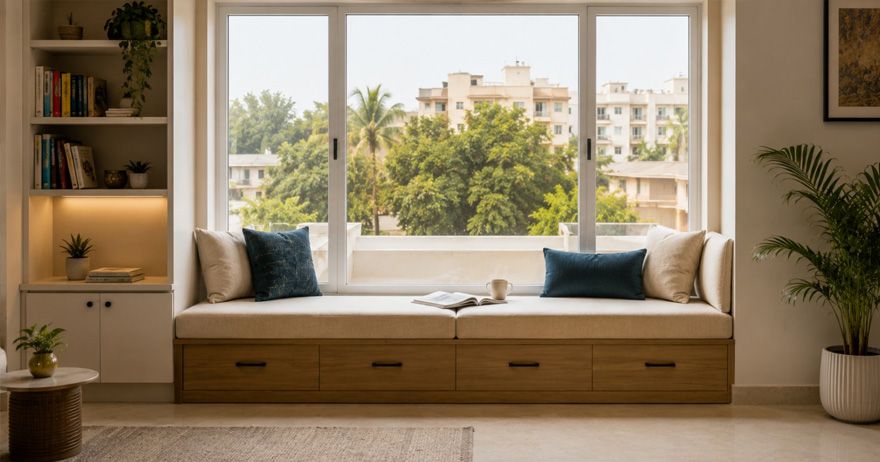
A thoughtfully designed window seat can do much more than provide a cosy place to relax. From hidden storage and reading nooks to workspace corners and dining benches, dual-purpose window seating combines comfort with smart space utilisation. Whether you have a bay window, a large picture window, or a compact alcove, the right design can maximise natural light while adding functionality to your home. This extensive blog will guide you through the best 10 dual-purpose window seating ideas that blend style, storage, and practicality for modern Indian homes of every size.
Why Window Seating Is a Smart Space-Saving Solution
In modern homes, every square foot matters. A window seat allows you to transform an otherwise underused area into a functional and attractive part of your interior. Instead of placing a separate armchair, bench, or storage cabinet near a window, you can combine these functions into one thoughtfully designed feature.
A well-planned window seat design can serve multiple purposes. It can become a comfortable place to read, an additional seating area when guests arrive, a storage unit for household essentials, or even a compact workstation.
Window seating also makes excellent use of natural light. Positioning a reading nook or work area beside a window reduces the need for artificial lighting during the day while creating a visually appealing focal point.
For smaller Indian apartments, built-in solutions are particularly useful. A built-in window seat can be customised according to the available dimensions, ensuring that no space is wasted.
Window Seat with Hidden Storage Drawers
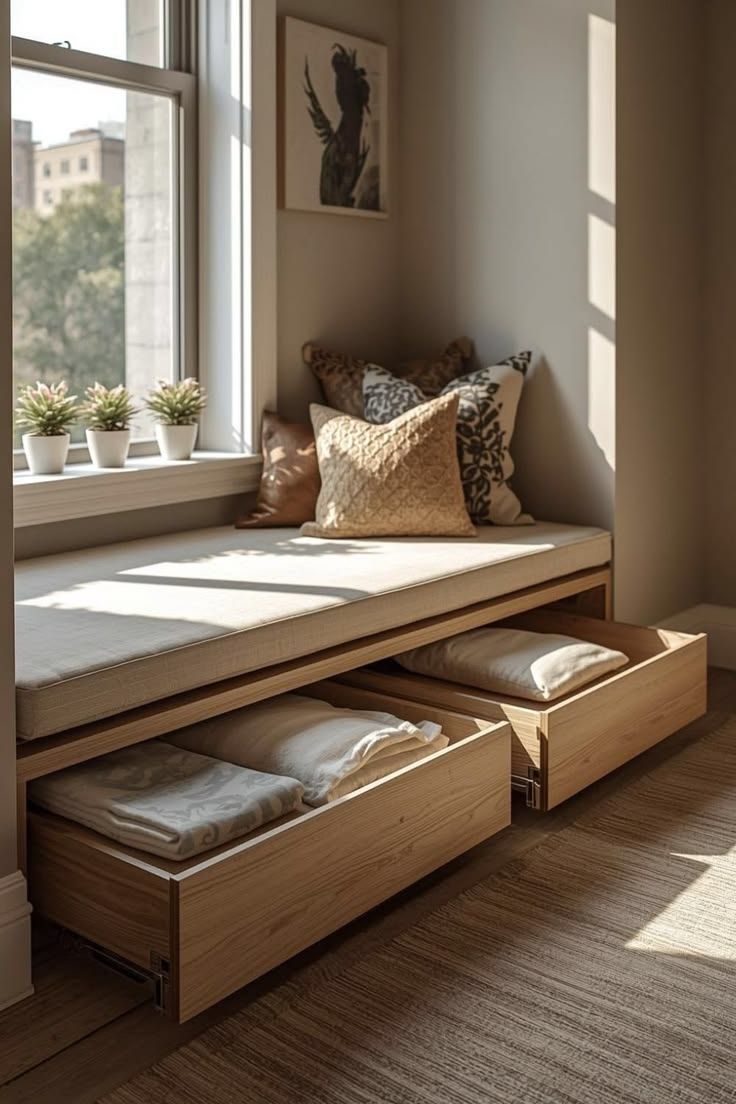
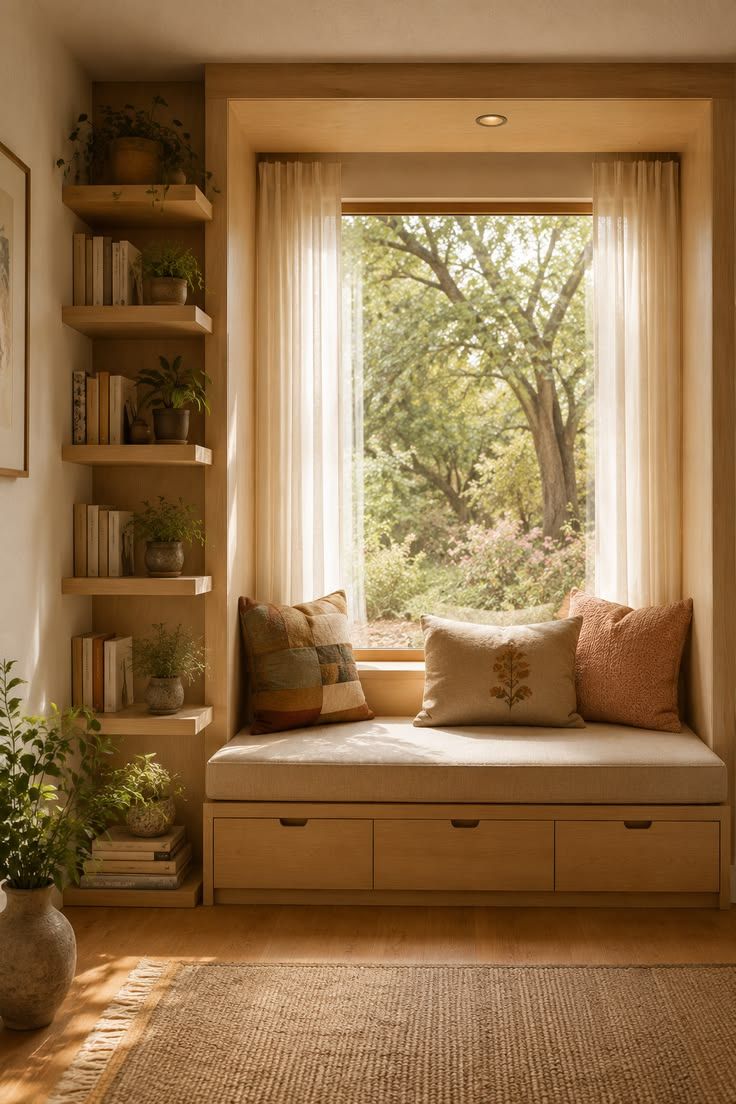
One such practical window seat with storage solution is a bench fitted with drawers underneath. The top functions as comfortable seating, while the space below becomes discreet storage.
Drawers can be used to store books, children's toys, extra cushions, blankets, board games, or seasonal items. Since everything remains hidden, the room maintains a clean and uncluttered appearance.
For a contemporary home, consider handleless drawers with push-to-open mechanisms. If you prefer a more traditional look, wooden drawers with visible handles can add warmth and character.
This is especially useful in bedrooms, living rooms, and children's spaces where additional storage is often required.
Cosy Reading Nook by the Window
If you enjoy reading, turning an unused window area into a reading nook can create one of the most charming spaces in your home.
A comfortable bench, soft cushions, a small side table, and focused lighting are usually enough to create an inviting reading corner. Add a narrow bookshelf beside or above the seat to keep your favourite books within reach.
For smaller spaces, choose a compact window seat design rather than adding bulky furniture. A wall-mounted reading lamp can provide illumination without taking up valuable floor space.
You can also personalise the nook with textured cushions, throws, indoor plants, or artwork. The result is a quiet corner that combines relaxation with efficient use of space.
Bay Window Bench with Built-In Shelves
Bay windows naturally create architectural depth, making them ideal for seating. A continuous bench fitted across the bay can transform the area into a functional lounge while making the most of the unusual window shape.
One of the most versatile bay window seating ideas is to combine the bench with built-in shelves. Shelves can be installed along the side walls or above the seating area, depending on the window's height and available wall space.
The shelves can display books, photographs, plants, artwork, or decorative objects, while the bench provides additional seating.
For a cohesive appearance, use the same material or finish across the bench and shelving. Light-toned wood works particularly well in contemporary interiors, while darker finishes can create a more dramatic look.
Dining Bench Along a Large Window
A window doesn't always have to be paired with a lounge chair. If your dining area has a large window, consider replacing one side of conventional dining chairs with a built-in bench.
This is one of the most efficient window bench ideas for homes where dining space is limited. The bench can accommodate multiple people while taking up less visual and physical space than individual chairs.
You can also incorporate drawers or lift-up storage underneath the bench for table linens, serving accessories, or rarely used kitchenware.
A dining bench positioned beside a window has another advantage: it creates a bright and pleasant dining experience during the day. Pair it with a compact dining table and movable chairs on the opposite side for flexibility.
Bedroom Window Seat with Wardrobe Storage
Bedrooms often have limited floor space, especially in urban apartments. A window seat can therefore become more than a decorative addition.
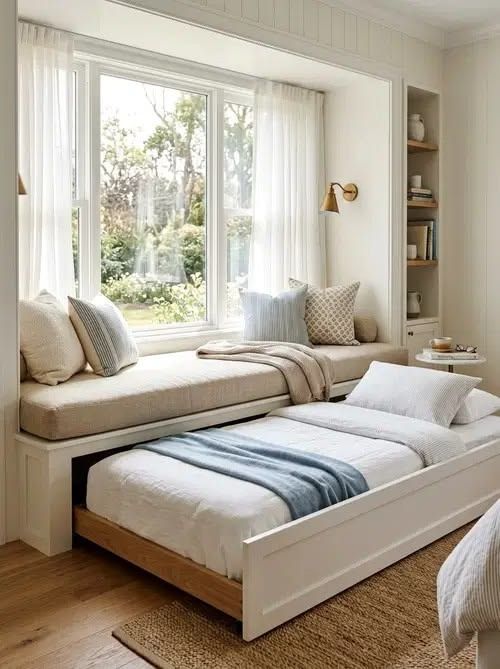
Consider extending the bedroom wardrobe system toward the window and integrating a bench into the design. The result is a seamless combination of seating and storage.
This bedroom window bench can function as a place to sit while getting ready, reading, relaxing, or enjoying the view. Storage drawers beneath the seat can hold bedding, accessories, handbags, or other personal belongings.
For a polished appearance, match the bench finish with the wardrobe. Upholstered cushions can soften the look and make the seating more comfortable.
However, ensure that the wardrobe or seating structure does not obstruct the window opening, ventilation, or access to curtains.
Home Office Window Bench for Compact Spaces
With compact homes increasingly requiring flexible work areas, a window seat can double as a small home office.
A sturdy built-in bench can be designed at an appropriate height and depth to accommodate a laptop and comfortable seating. Alternatively, a narrow desk can be installed beside or above the seating area.
This arrangement works particularly well near large windows because natural light can make the workspace feel brighter and more open.
If you want the area to serve as both a workstation and a relaxation corner, choose a design that allows the desk or work surface to remain visually unobtrusive when not in use.
Adding storage drawers below the bench can provide space for stationery, files, chargers, and other work essentials.
Tips for Choosing Cushions, Materials, and Finishes
The right materials can determine whether your window seat is merely attractive or genuinely comfortable and durable.
- Choose the right depth: A comfortable window bench generally needs enough depth to allow you to sit naturally without feeling cramped. Around 18–24 inches is commonly suitable for a seating platform, although the ideal dimension depends on the user's requirements and the room's proportions.
- Prioritise cushioning: Use high-density foam for the seat cushion and softer cushions for back support. Removable covers are preferable because they are easier to clean and maintain.
- Select durable materials: Plywood, engineered wood, hardwood, and other furniture-grade materials can be considered for built-in structures depending on the design and budget.
- Consider the window environment: Windows receive sunlight and may be exposed to heat and dust. Choose fabrics and finishes that can withstand regular exposure to sunlight.
- Coordinate with the interiors: The window seat does not necessarily need to match every piece of furniture. However, its colours, textures, or finishes should complement the overall room.
- Think about maintenance: In Indian homes, dust accumulation can be a concern. Easy-to-clean upholstery, washable covers, and accessible storage compartments can make the seating more practical.
Common Mistakes to Avoid When Designing Window Seating
Even a beautiful window seat can become inconvenient if it isn't planned carefully. Avoid these common mistakes when creating your seating area.
- Blocking the window: Never allow the seating structure to interfere with the window's opening, ventilation, or emergency access.
- Ignoring measurements: Measure the window, sill, wall depth, and surrounding furniture before finalising the design. A poorly proportioned bench can make the room feel cramped.
- Choosing style over comfort: A visually appealing bench is of little use if it is uncomfortable. Pay attention to seat height, depth, cushioning, and back support.
- Forgetting storage access: If you add storage below the seat, make sure drawers can open fully and lift-up compartments are easy to access.
- Using unsuitable fabrics: Light-coloured or delicate upholstery may require frequent maintenance, particularly in high-traffic areas.
- Overdesigning the space: Window seating should complement the room rather than overwhelm it. Keep the design proportional to the window and surrounding furniture.
- Ignoring sunlight: Direct sunlight can affect certain fabrics, finishes, and decorative elements over time. Choose materials accordingly.
Final Thoughts
A well-designed window seat can transform an overlooked architectural feature into one of the most useful spaces in a home. Whether you want additional storage, a peaceful reading corner, flexible dining space, or a compact work area, there are countless ways to make window seating work harder for your lifestyle.
From a simple cushioned bench to a fully integrated storage unit, the best home seating ideas are those that combine comfort, practicality, and visual appeal. Bay windows, bedroom windows, living room corners, and even compact alcoves can all become opportunities for creative design.
The key is to consider your home's dimensions, storage requirements, window type, daily routines, and interior style before finalising the design. With thoughtful planning, even a small window area can become a comfortable and functional feature that adds character to your home.