



Understanding the electrical wiring cost for a house is essential when planning your home construction budget. The total cost depends on factors such as the size of the house, quality of wires and switches, number of electrical points, labour charges, and the type of wiring system used.
Whether you're building a compact home or a luxury villa, estimating wiring expenses in advance helps avoid unexpected costs and ensures a safe, reliable electrical system. In this guide, we'll break down house wiring costs in India, explain the key factors that affect pricing, and share practical tips to optimize your electrical budget.
What Is the Average Electrical Wiring Cost in India?
The electrical wiring cost for a house varies depending on the home's size, the number of electrical points, wire quality, switch brands, labour charges, and the complexity of the electrical layout. For most residential projects in 2026, homeowners can expect the following approximate costs of ₹180 to ₹300 per sq. ft.
These estimates generally include concealed wiring, conduits, switch boxes, installation labour, and standard electrical fittings. Premium smart switches, designer accessories, automation systems, and decorative lighting usually cost extra. The overall house wiring cost in India can increase based on custom lighting designs, home automation, and premium electrical components.
Factors That Affect House Wiring Costs
Several factors influence the total cost of electrical installation. Understanding these variables helps homeowners prepare a more accurate budget before construction begins.
House Size
Larger homes naturally require more wiring, conduits, switchboards, sockets, and electrical circuits, which increase both material and labour costs.
Number of Electrical Points
Every switch, socket, light fixture, fan, geyser, air conditioner, and appliance requires an electrical point. More points result in higher installation costs.
Quality of Materials
Premium electrical wiring materials such as branded copper wires, modular switches, high-quality conduits, and superior distribution boards improve safety and durability but also increase the project cost.
Type of Wiring System
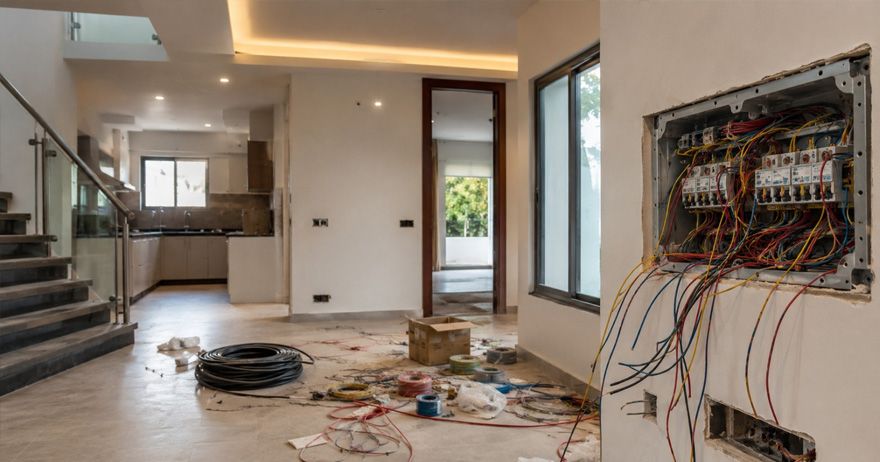
Concealed wiring is the preferred choice for modern homes because it offers better aesthetics and protection. Surface wiring is generally less expensive but is mostly used for renovations or utility areas.
Labour Charges
Labour costs vary depending on the complexity of the electrical layout, local market rates, and the electrician's experience.
Electrical Wiring Cost Per Square Foot
One of the simplest ways to estimate wiring expenses is by calculating the cost based on the built-up area. The approximate pricing for different levels of residential electrical work is given and it can vary based on electrical brand, number of points, and quality.
Basic Electrical Wiring: ₹120 to ₹180 per sq. ft.
Standard Electrical Wiring: ₹180 to ₹300 per sq. ft.
Premium Electrical Wiring: ₹300 to ₹500+ per sq. ft.
Always request a detailed quotation instead of relying only on square-foot estimates for accurate budgeting.
Material Costs vs Labour Charges
Electrical installation expenses are generally divided into two major categories which are materials and labour. While exact percentages vary by project, materials typically account for the larger share of the budget.
| Expense Category | Approximate Share of Total Cost |
|---|---|
| Electrical Materials | 60% to 70% |
| Labour Charges | 25% to 35% |
| Testing and Miscellaneous | 5% to 10% |
The electrical labour cost depends on project size, wiring complexity, local wages, and installation quality. Hiring experienced electricians often reduces future maintenance issues and ensures compliance with safety standards.
Types of Electrical Wiring Used in Homes
When selecting a wiring system, consider your home's design, maintenance requirements, and overall home electrical installation cost rather than focusing only on the initial expense. The table below compares the most common wiring systems used in residential buildings.
| Wiring Type | Best For | Advantages | Limitations |
|---|---|---|---|
| Concealed Residential Electrical Wiring | New Homes | Safe clean appearance and durable | Higher installation cost |
| Surface Wiring | Renovations and Utility Areas | Easy to install and repair | Visible wiring |
| PVC Conduit Wiring | Most Residential Homes | Good protection and durability | Requires professional installation |
| Flexible Conduit Wiring | Specialized Areas | Easy around complex layouts | Higher material cost |
Cost of Switches, Sockets, DBs, and Other Electrical Components
The total electrical wiring cost for a house is influenced not only by wiring but also by the quality and quantity of electrical accessories used throughout the home. The electrical fitting cost varies depending on the brand, number of electrical points, and the level of automation required.
Premium brands offer better safety, durability, and aesthetics, but the initial investment is high. Choosing certified products from reputable manufacturers ensures long-term reliability and minimizes maintenance costs. The table below provides approximate prices for commonly used electrical components.
| Electrical Component | Approximate Cost |
|---|---|
| Modular Switch | ₹120 to ₹500 each |
| Power Socket (6A/16A) | ₹150 to ₹700 each |
| Switch Box | ₹100 to ₹400 each |
| MCB | ₹300 to ₹1000 each |
| RCCB/ELCB | ₹2000 to ₹6000 each |
| Distribution Board (DB) | ₹2500 to ₹10000 |
| Ceiling Fan Regulator | ₹300 to ₹1200 |
| USB Charging Socket | ₹700 to ₹2000 |
| Doorbell Switch | ₹150 to ₹600 |
How to Estimate Your Home's Electrical Budget
Preparing a detailed house wiring estimate before construction helps contractors provide accurate quotations while reducing the risk of budget overruns.
- Estimated Electrical Cost = Built-up Area × Estimated Wiring Cost per Sq. Ft.
For example:
- Built-up Area: 2,000 sq. ft.
- Average Electrical Cost: ₹220 per sq. ft.
- Estimated Electrical Cost = ₹4,40,000
After estimating the wiring cost, include additional expenses for:
- Premium switches and sockets
- Distribution boards
- Decorative lighting
- Smart home automation
- Generator or inverter wiring
- CCTV and networking cables
- Installation of solar-ready conduits (if planned)
A well-planned home wiring budget should also include a contingency reserve of around 5% to 10% for future modifications or additional electrical points.
Common Mistakes That Increase Electrical Wiring Costs
Proper planning can prevent unnecessary expenses and reduce future maintenance.
- Adding Electrical Points During Construction: Last-minute additions often require wall chasing, rewiring, and additional labour.
- Choosing Low-Quality Materials: Cheap wires and switches may reduce initial costs but often lead to higher maintenance and safety risks.
- Ignoring Future Electrical Needs: Failing to plan for additional appliances, EV chargers, or smart home devices may require expensive upgrades later.
- Hiring Unqualified Electricians: Poor workmanship can result in wiring faults, electrical failures, and increased repair costs.
- Skipping Load Planning: Incorrect circuit sizing can overload electrical systems and require costly modifications after occupancy.
- Not Comparing Multiple Quotations: Obtaining estimates from different contractors helps ensure competitive pricing and better value.
Tips to Save Money Without Compromising Safety
Reducing electrical costs should never come at the expense of safety. Some of the tips are given below that help reduce waste, minimize rework, and improve the overall quality of your home's electrical system.
- Finalize the electrical layout before construction begins.
- Purchase certified electrical products from trusted manufacturers.
- Choose concealed wiring for better durability and long-term protection.
- Install dedicated circuits for heavy appliances such as air conditioners, ovens, and geysers.
- Avoid unnecessary decorative lighting if you're working within a limited budget.
- Request a detailed quotation that separates materials and labour costs.
- Follow a professional electrical installation guide to ensure proper installation practices and compliance with safety standards.
Final Thoughts
Understanding the electrical wiring cost for a house helps homeowners prepare a realistic construction budget and ensure their home receives a safe and efficient electrical system. The final cost depends on house size, wiring quality, number of electrical points, labour charges, and the accessories you choose. Careful planning, quality materials, and experienced electricians can help reduce long-term maintenance costs and improve safety.