Home automation can range from a few smart devices that control lights and appliances to a fully integrated system managing lighting, security, climate, entertainment, and other functions. Understanding the home automation cost in India is therefore important before deciding how much technology to introduce into your home.
The overall smart home cost in India depends on several factors, including the size of the property, number of rooms, type of devices, wired or wireless systems, installation requirements, and level of customisation. A basic setup may focus on smart switches and lighting, while higher budgets can include automated curtains, smart locks, security systems, sensors, climate control, and centralised control.
Breaking the investment into different budget tiers can help homeowners decide which features are worth prioritising. Whether you are planning a compact apartment or a large villa, understanding the home automation system cost can help you create a smart home that fits both your lifestyle and budget.
What Is Home Automation and What Does It Include?
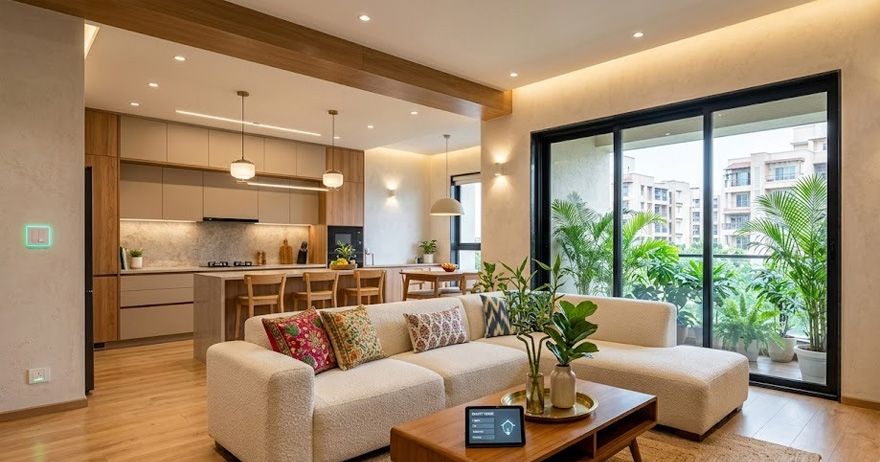
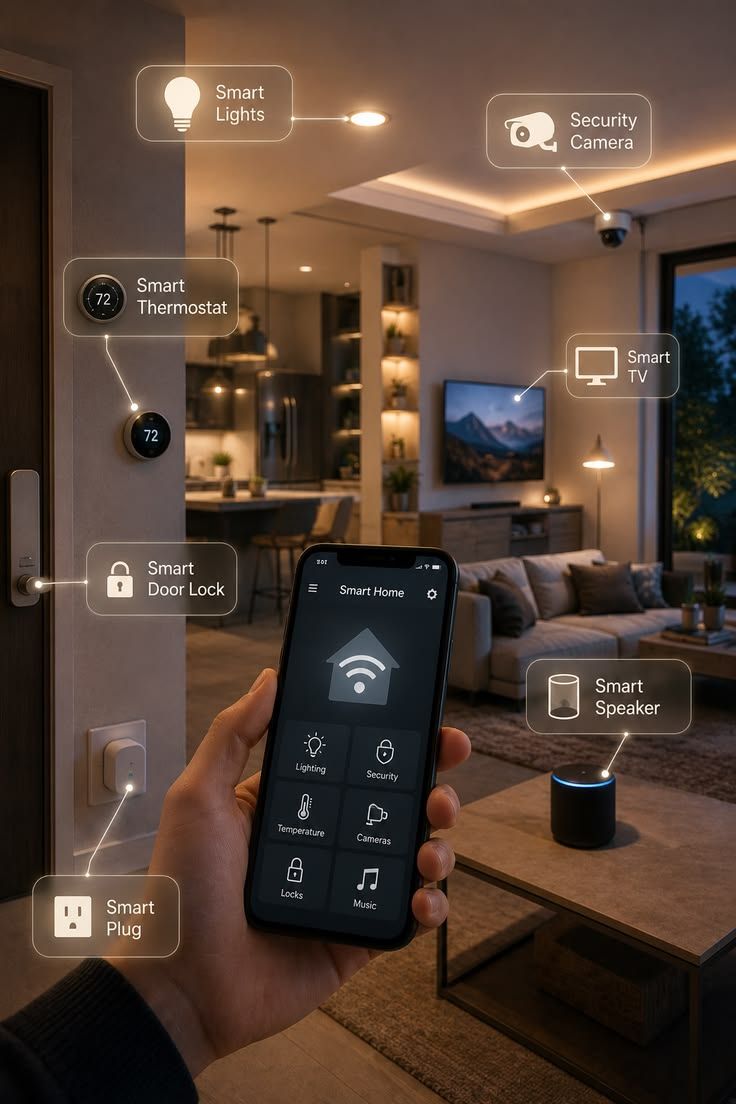
Home automation refers to the use of smart devices and connected systems to control different functions within your home. These devices can often be operated through a smartphone, voice assistant, remote control, or a centralised automation system.
Depending on the setup, home automation devices can control:
- Lights and smart switches
- Fans and air conditioners
- Television and entertainment systems
- Curtains and blinds
- Smart locks and doorbells
- CCTV cameras
- Motion and door sensors
- Water leakage and smoke detection
- Temperature and climate control
- Music and multi-room entertainment
The level of automation can be increased gradually. You do not necessarily need to automate the entire house from the beginning.
What Factors Affect Home Automation Cost in India?
There is no single fixed price for a smart home because every project is different. Several factors influence the final home automation price in India.
1. Size of the Home
A 2BHK apartment with a few automated rooms will generally require fewer devices than a large 4BHK or villa.
2. Number of Devices
The more switches, lights, sensors, cameras, locks, curtains, and appliances you automate, the higher the overall cost.
3. Wired or Wireless System
Wireless systems can be easier to install in completed homes, while wired systems may be considered during new construction or renovation.
4. Level of Customisation
A simple app-controlled system costs less than a highly customised system with centralised control, scenes, sensors, and integrated security.
5. Installation
Some smart devices are relatively simple to install, while complete automation systems may require professional planning, electrical work, programming, and testing.
6. Brand and Product Quality
The price of home automation devices varies considerably depending on their features, compatibility, reliability, and brand.
Basic Budget: Essential Smart Home Features
A basic home automation budget is suitable for homeowners who want convenience without automating every part of the house.
This level can focus on essential features such as:
- Smart bulbs and lighting
- Smart switches
- Smart plugs
- Wi-Fi-enabled appliances
- Basic voice control
- Smart TV and entertainment control
- Selected sensors
What Can You Expect?
You can automate frequently used functions such as turning lights on and off, controlling appliances remotely, and scheduling certain devices.
For example, you could create a simple evening routine that switches on selected lights when you arrive home.
A basic setup is also a good option for renters or homeowners who want to experience smart technology before investing in a larger system.
Premium Budget: Whole-Home Automation and Advanced Controls
A premium home automation system cost is suitable for homeowners looking for automation across most important areas of the property.
This can include:
- Whole-home lighting control
- Automated curtains
- Smart locks
- Advanced security systems
- Multiple cameras
- Motion and occupancy sensors
- Climate control
- Entertainment integration
- Centralised control
- Customised automation scenes
Instead of controlling each device separately, homeowners can create routines based on different activities.
For example, a "Movie Night" scene could dim the lights, close the curtains, switch on the television, and adjust other connected devices automatically.
Luxury Budget: Fully Integrated Smart Home Systems
A luxury home automation setup for Indian homes focuses on creating a highly integrated experience rather than simply adding smart gadgets.
A luxury system may combine:
- Centralised lighting control
- Advanced security and surveillance
- Motorised curtains and blinds
- Multi-room audio
- Home theatre automation
- Climate management
- Smart access control
- Occupancy and environmental sensors
- Customised scenes and schedules
- Integrated control panels
Large villas and premium residences may also require detailed planning, structured wiring, dedicated networking equipment, and customised programming.
The cost can therefore vary significantly depending on the size and complexity of the property.
Smart Lighting, Switches, and Appliance Automation Costs
Lighting is often one of the easiest places to begin home automation.
You can choose from:
- Smart bulbs
- Smart switches
- Smart dimmers
- Motion-activated lighting
- Scene-based lighting
- Smart plugs
- Appliance controllers
Smart switches can be particularly useful because they allow existing lighting fixtures to become part of an automated system without replacing every bulb.
When planning your basic home automation cost, prioritise rooms where automation will make a noticeable difference, such as the living room, bedroom, kitchen, and entrance.
Security, Smart Locks, Cameras, and Sensors
Home security is another important part of automation.
Depending on your requirements, a smart security setup may include:
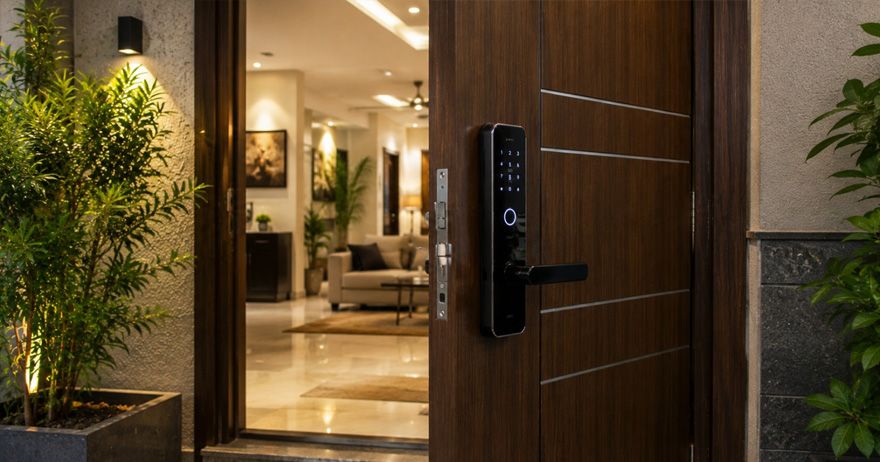
- Smart door locks
- Video doorbells
- CCTV cameras
- Motion sensors
- Door and window sensors
- Smoke detection
- Water leakage sensors
- Smart alarms
For many homeowners, these are among the most practical home automation devices because they provide both convenience and additional awareness about what is happening at home.
However, security devices should be selected carefully. Consider camera placement, network reliability, privacy, data security, backup power, and professional installation where required.
Automated Curtains, Climate Control, and Entertainment Systems
Once basic lighting and security are automated, you can add more advanced functions.
Automated Curtains
Motorised curtains can be scheduled according to time or integrated into different scenes. They are particularly useful for large windows and bedrooms.
Climate Control
Smart thermostats, air-conditioner controllers, and sensors can help manage temperature more conveniently. In Indian homes, smart AC control can be particularly useful for scheduling cooling based on daily routines.
Entertainment
Smart TVs, speakers, streaming devices, projectors, and home theatres can be connected to create a more convenient entertainment experience.
These additions can significantly increase the overall luxury home automation cost, so they are best planned according to actual usage.
Wired vs Wireless Home Automation: Which Is More Cost-Effective?
Both wired and wireless systems have advantages.
Wireless Automation
Wireless systems generally use technologies such as Wi-Fi, Bluetooth, Zigbee, Z-Wave, or other wireless communication protocols.
Advantages:
Easier installation in existing homes
Less structural work
Flexible device placement
Easier to expand gradually
Suitable for many apartments
Wired Automation
Wired systems use dedicated wiring and are often planned during construction or major renovation.
Advantages:
Stable communication
Centralised control
Suitable for extensive automation
Can be planned neatly during construction
For an existing home, wireless automation may be more convenient because extensive rewiring can be disruptive. For a new home, however, discussing automation during the electrical and interior planning stage can make a wired or hybrid system easier to implement.
Installation, Maintenance, and Other Hidden Costs
The smart home installation cost should not be overlooked when creating your budget.
Apart from the devices themselves, you may need to account for:
- Professional installation
- Electrical modifications
- Additional wiring
- Network equipment
- Hubs or controllers
- Programming and configuration
- Replacement batteries
- Device servicing
- Internet and networking requirements
- Backup power for important systems
Not every project will require all these expenses, but including a contingency amount in your budget can prevent surprises later.
Final Thoughts
The right home automation price in India depends less on the number of gadgets and more on how intelligently the system is planned.
A basic setup can provide convenient lighting and appliance control, while a mid-range system can connect lighting, security, access, and selected appliances. Premium and luxury systems can go further with whole-home control, automated curtains, climate management, entertainment, and customised scenes.
Before investing, consider your home size, daily routines, future requirements, and available budget. Starting with the most useful features and expanding gradually can be a practical way to create a smart home without unnecessary spending.