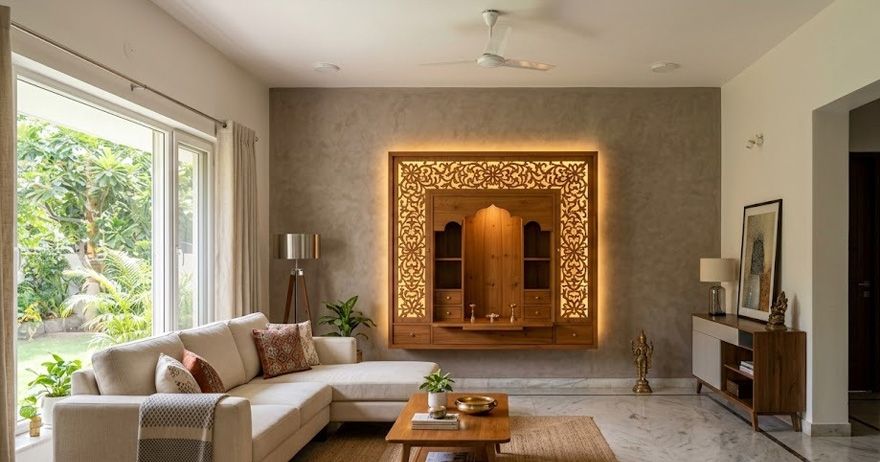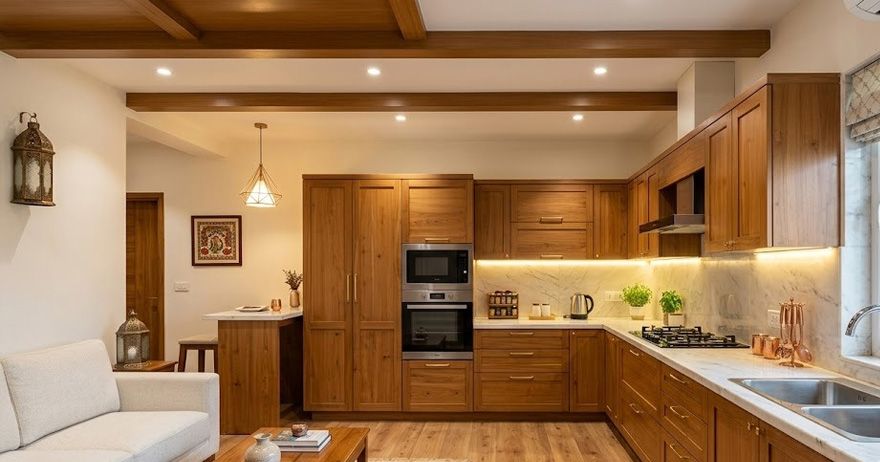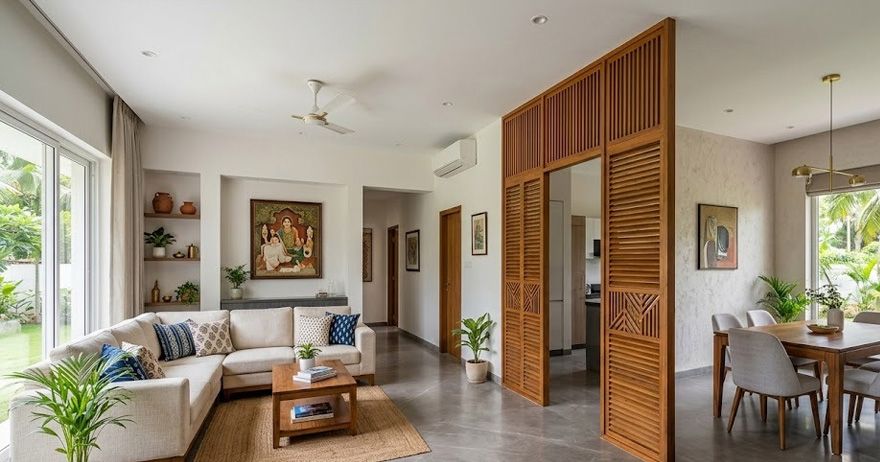




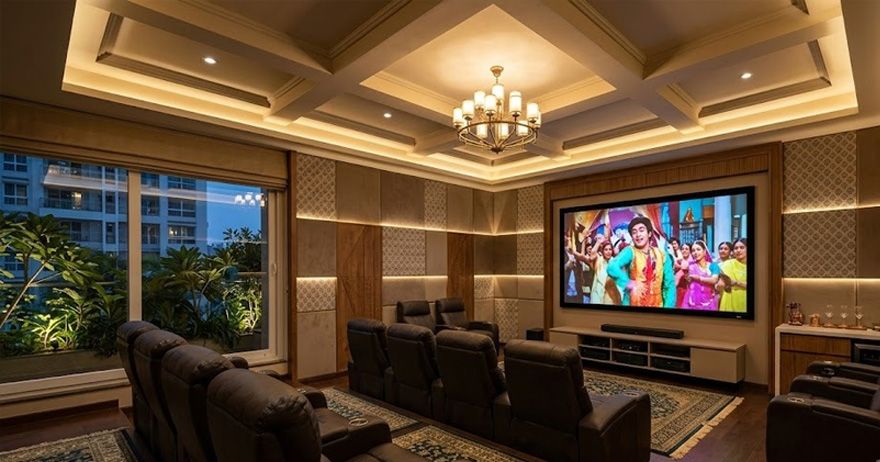
A well-designed home theatre can transform movie nights, gaming sessions, and sports viewing into an immersive entertainment experience. However, creating a great setup involves more than installing a large screen and powerful speakers. A successful home theatre room design should balance acoustics, light control, screen placement, seating, ventilation, and overall comfort. Acoustic treatment can help improve sound clarity and reduce unwanted echoes, while blackout curtains or controlled lighting can minimise glare and enhance the viewing experience.
Comfortable seating with appropriate viewing distances is equally important, especially for longer sessions. Whether you have a dedicated cinema room or a compact entertainment space, thoughtful planning can help you create a functional and enjoyable home theatre.
What Makes a Good Home Theatre Room Design?
A home cinema room design should create an immersive experience while remaining comfortable for long viewing sessions. Every element, from the walls and ceiling to the seating and equipment, contributes to the final result. Some of the key aspects are good acoustics, controlled lighting, correct screen position, comfortable seating, good ventilation and organised wiring. The best home theatre room ideas bring all these elements together rather than treating the screen and speakers as separate additions.
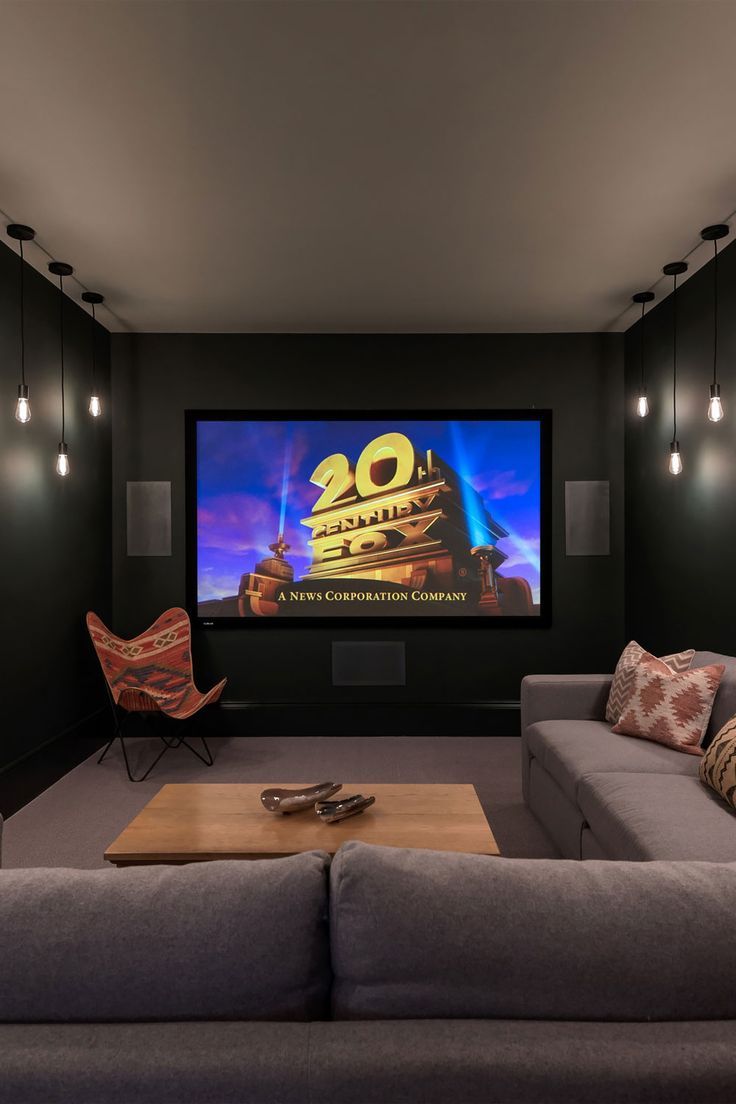
How to Choose the Right Room for a Home Theatre
Almost any suitably sized room can become an entertainment space, but some rooms are naturally better suited than others. So you need to consider the room shape, check for natural light and look for distance from bedrooms. The home theatre soundproofing can become useful, particularly when loud movies, gaming, or music are common. Also check for ceiling height and plan equipment access. Before starting construction, consider the entire home theatre setup at home, rather than deciding where to place individual components after the room is finished.
Home Theatre Acoustics: Controlling Echo and Improving Sound Quality
Sound quality is one of the most important aspects of a theatre room. Even expensive speakers can sound disappointing if the room produces excessive reflections and echoes. A good home theatre acoustic design focuses on controlling sound reflections rather than simply making the room quieter. Soft materials can absorb some sound energy. Options include acoustic wall panels, heavy curtains, carpets and rugs, upholstered furniture and fabric wall treatments. The goal is to create a balanced room rather than covering every surface with absorbing material. You can also add bass control, treat reflection points, don’t over treat the room and consider the ceiling.
Soundproofing vs Acoustic Treatment: What Is the Difference?
These two terms are often confused, but they solve different problems. Soundproofing aims to reduce the amount of sound travelling between the theatre room and other parts of the building. Acoustic treatment primarily improves the way sound behaves inside the room.
Soundproofing becomes particularly valuable if the theatre shares a wall with bedrooms, living areas, or neighbouring homes. Acoustic treatment is useful even in a soundproofed room because sound can still reflect inside the space.
Light Control and Blackout Solutions for a Better Viewing Experience
Light control is especially important when using a projector. Even a high-quality projector can struggle when strong daylight enters the room. You can install blackout curtains, use layered window treatments, avoid glossy surfaces, use dimmable lighting and consider indirect lighting. These home theatre lighting ideas can make the room more versatile while reducing glare and maintaining a cinematic atmosphere.
Choosing the Right Screen, Projector, and Viewing Distance
The screen should be selected according to the room rather than simply choosing the largest available size. A large television can provide excellent brightness and contrast, especially in rooms where some ambient light is unavoidable. A projector can create a larger cinema-style image and is particularly attractive for dedicated theatre rooms. Plan the screen position to be in the centre, calculate the viewing distance, consider the projector placement and plan for future upgrades as well. The home theatre room dimensions should therefore be considered together with the screen size, seating position, speaker arrangement, and equipment placement.
Home Theatre Seating Ideas for Maximum Comfort
Seating can make or break the theatre experience. Even excellent sound and picture quality will not feel enjoyable if viewers are uncomfortable after an hour. The seating arrangement should match the room size, screen position, and number of people who regularly use the space. Leave enough room between rows so people can walk comfortably without disturbing others. These home theatre seating ideas can be adapted to both dedicated cinema rooms and multipurpose family spaces. Proper ventilation is therefore an important part of home theatre room design.
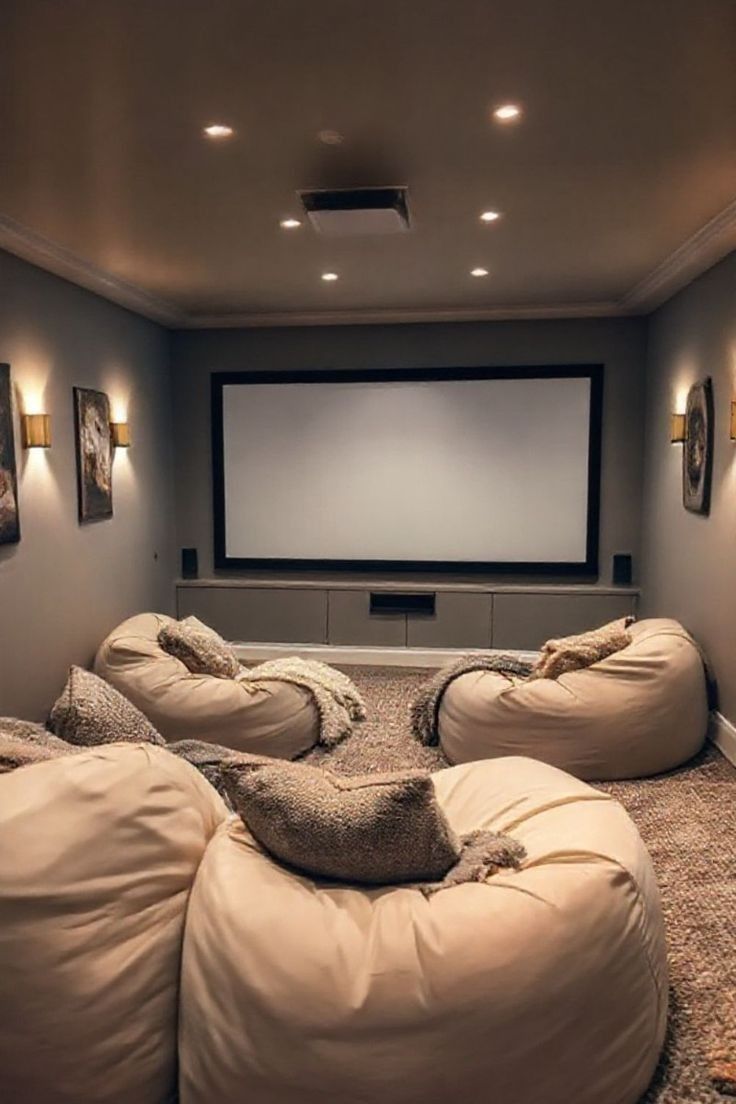
Best Lighting Ideas for a Home Cinema Room
Lighting should support the viewing experience without competing with the screen. A completely dark room is not always necessary, especially when children or older family members are using the space. Layered lighting is usually the most practical approach. For good home theatre lighting ideas, consider ambient lighting, wall lighting and floor-level lighting.
Small Home Theatre Room Design Ideas
You do not need a huge room to enjoy a cinema-style experience. With careful planning, a spare bedroom, study, basement, or compact living space can become an effective entertainment room. A small home theatre room design should prioritise the essentials rather than trying to fit every possible feature. You can use the walls efficiently, choose a suitable screen, use flexible seating, keep equipment compact and incorporate multipurpose furniture.
Common Home Theatre Design Mistakes to Avoid
- Choosing the largest screen available: A huge screen can be uncomfortable when viewed from a short distance. Match the screen to the room and seating position.
- Ignoring room acoustics: Expensive speakers cannot compensate for excessive echo and uncontrolled reflections.
- Confusing acoustic panels with soundproofing: Foam or fabric panels can improve internal sound but do not automatically prevent sound from travelling between rooms.
- Installing too many lights: Bright ceiling lights can create reflections and reduce the cinematic atmosphere.
- Poor projector placement: Incorrect throw distance or inadequate ventilation can affect image quality and equipment performance.
- Blocking ventilation around equipment: Enclosed electronics can overheat when there is insufficient airflow.
- Leaving wiring until the end: Retrofitting cables after finishing the walls can be expensive and messy.
- Placing seats too close to the screen: A short viewing distance can make a large image tiring to watch.
- Ignoring future upgrades: Failing to provide conduits and spare connections can make future technology upgrades difficult.
- Overcrowding the room: Too much furniture can restrict movement and negatively affect both comfort and acoustics.
Final Thoughts
A successful home theatre room design is not simply about buying the biggest screen or most powerful speakers. It is about making the entire room work together. Start with the room itself. Consider its size, shape, windows, ceiling height, ventilation, and proximity to other spaces. Then plan the screen, seating, speakers, lighting, and wiring around those conditions. The best home theatre interior design is ultimately one that balances technology with comfort.