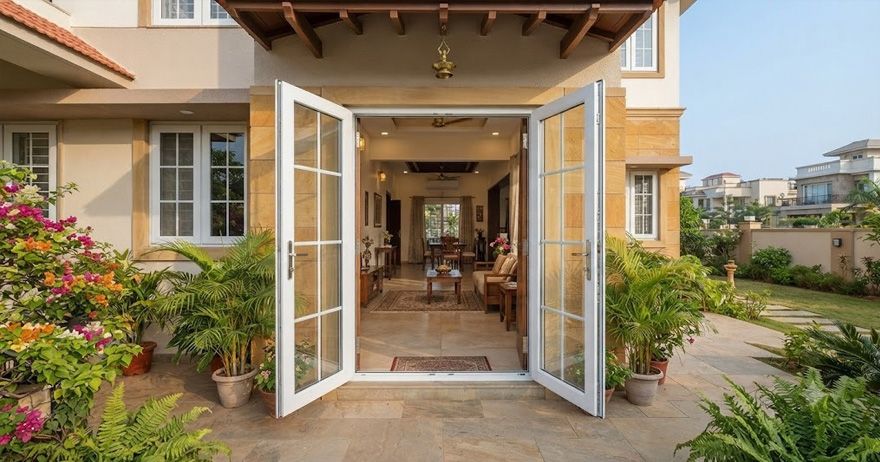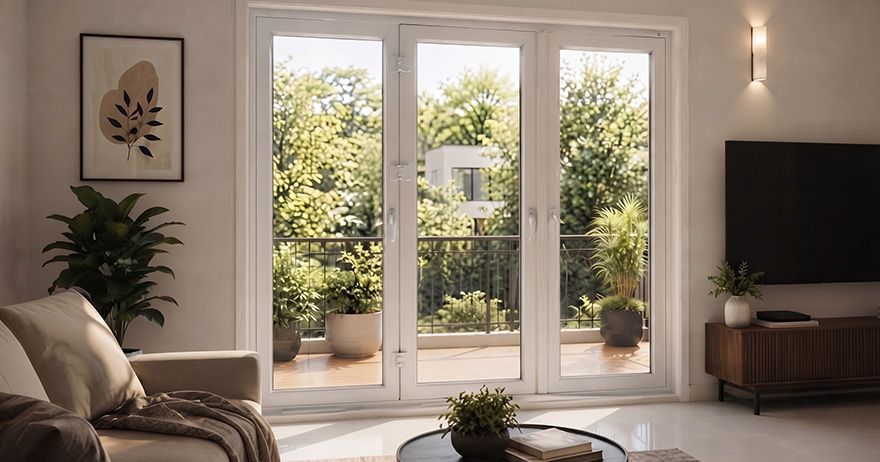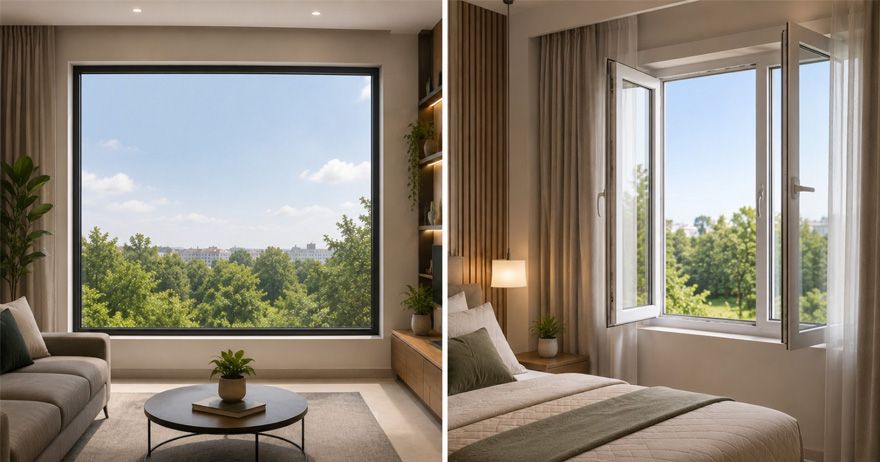




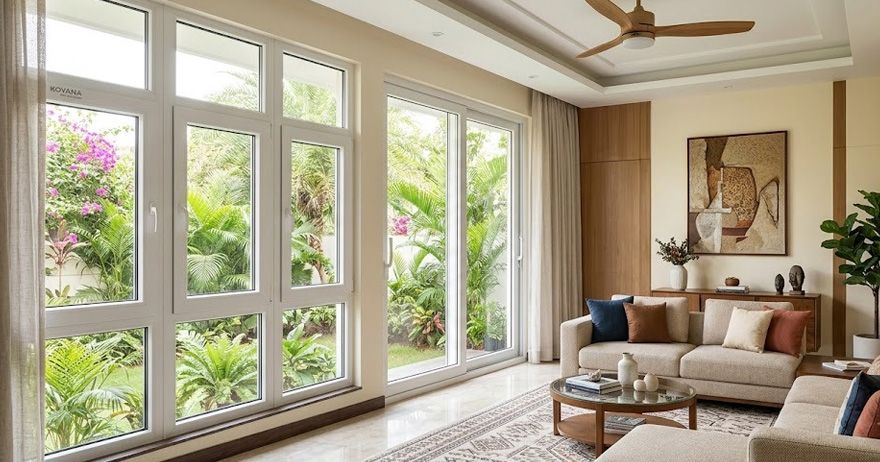
Windows are one of the most important elements of our house. And choosing between laminated and non-laminated uPVC windows often becomes a task. But the right choice depends on your home's design, budget, and long-term maintenance preferences.
Laminated uPVC windows are known for a premium finish that complements both modern and traditional homes. Non-laminated uPVC windows are known for their clean white finish, affordability, and low maintenance. But both options deliver excellent insulation, weather resistance, and durability, but they differ in aesthetics, pricing, UV resistance, and customization.
In this blog, we'll compare laminated and non-laminated uPVC windows so that you can decide which option is the better fit for your home.
What Are Laminated uPVC Windows?
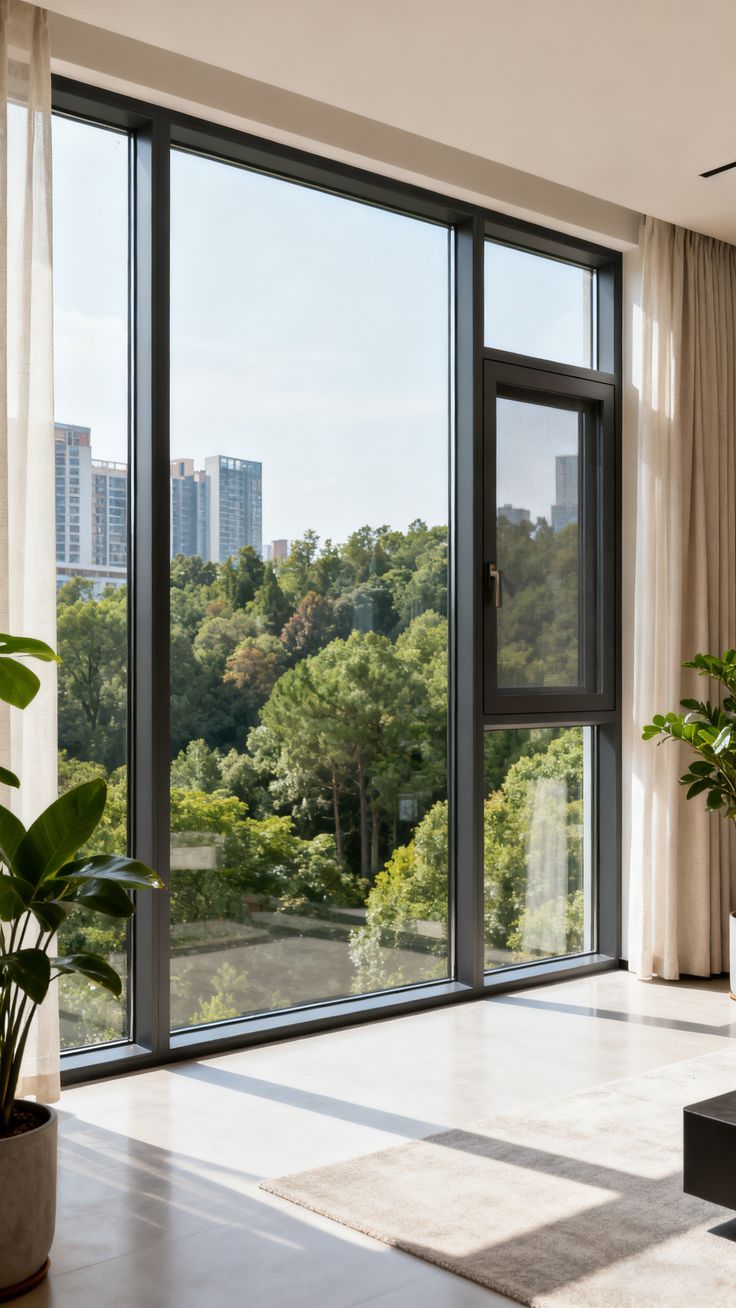
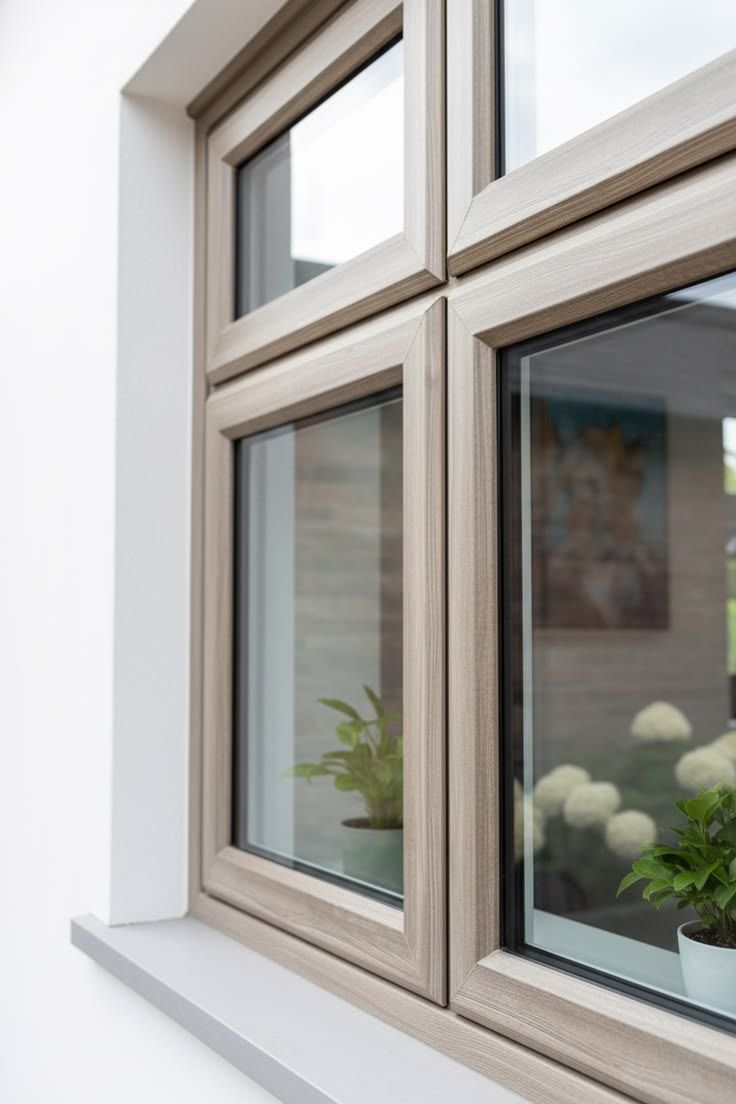
Laminated uPVC windows are windows that are made from unplasticised polyvinyl chloride frames covered with a decorative laminated layer. This layer can easily mimic the appearance of natural wood, stone, or other finishes. uPVC laminated windows are known for their durability and low-maintenance benefits.
When the laminated finish is bonded with the uPVC profile, it gives the windows a more stylish and premium appearance than any other standard white uPVC windows
frames. Aslo, laminated uPVC windows offer resistance to moisture, termites, fading, and corrosion, making them a practical choice for most Indian homes.
What Are Non-Laminated uPVC Windows?
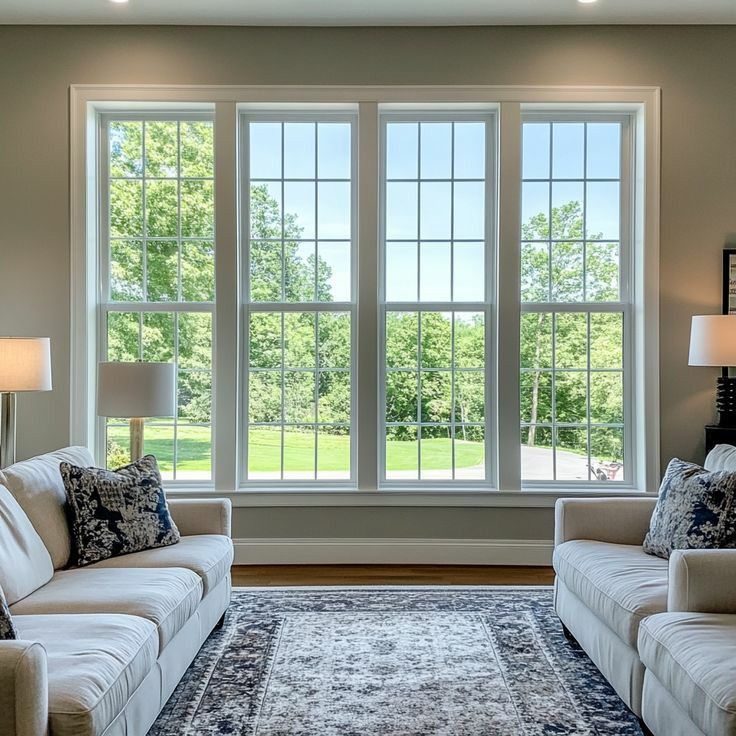
Non-laminated uPVC windows are uPVC frames that don’t have any lamination or decorative layer. Generally, these windows feature a smooth and simple appearance, and they are mostly available in white color. But that does not hamper their durability, water-resistance, and quality. Non-laminated uPVC windows are a perfect option if you are looking for low-maintenance and simple yet effective windows for your homes.
Laminated vs Non-Laminated uPVC Windows: Key Differences
There are several differences between laminated and non-laminated uPVC windows. Here’s the uPVC window comparison:
| Features | Laminated uPVC Windows | Non-Laminated uPVC Windows |
|---|---|---|
| Best for | Laminated uPVC windows are best for homes that want premium features | Non-laminated uPVC windows are best for homes that want a durable but affordable option |
| Finish | Available in different colours and textures | Plain and smooth finish |
| Appearance | Premium and contemporary | Simple and clean |
| Maintainenece | Easy to maintain | Very easy to maintain |
| Cost | High | Affordable |
Appearance and Design Options
In terms of appearance and design, laminated uPVC windows offer more choices in colours, patterns, and finishes. You can easily design laminated uPVC to look like natural wood or other materials. Non-laminated uPVC windows have a simpler, smoother finish, usually in white. If you want more design options, then you should go for laminated uPVC windows. But if you prefer a simple and affordable look, then non-laminated windows are a good choice.
Durability, Maintenance, and Weather Resistance
Both laminated and non-laminated uPVC windows are very durable and easy to maintain. Both windows can resist moisture, rain, heat, and changing weather conditions. But laminated windows have an extra finish that enhances their appearance, while non-laminated windows have a simpler surface. So, in terms of durability, maintenance, and weather resistance, both types can last for many years with regular cleaning and proper installation.
Cost Comparison: Which Offers Better Value?
When we compare the costs of both, non-laminated uPVC windows clearly win because cheaper than laminated windows. The laminated uPVC windows tend to cost more due to the variety of colours, textures, and wood finishes they provide. And the non-laminated windows are an inexpensive or affordable option because they don’t have an additional laminate layer. So, if you’re looking for something basic, go for a non-laminated uPVC option. But if you prefer style and aesthetics, laminated windows may be a preferable option for your home.
Which Option Is Best for Different Types of Homes?
The best option for your home is the one that suits your home design, budget, and personal style. Laminated uPVC windows are suitable for both modern and classic homes, where one would like to achieve a nice wood-like effect. In contrast, the non-laminated uPVC windows suit homeowners who want a simple and clean aesthetic without spending excessively. For homes in areas with harsh weather, both options can work well when good-quality uPVC profiles are used and installed properly.
Common Mistakes to Avoid When Choosing uPVC Window Finishes
If you want to select the right uPVC window option for your home, avoid the below-mentioned mistakes at any cost:
- Don’t choose the windows only based on appearance
- Don’t ignore the quality of the laminate
- Don’t forget to check if the finish matches your home's walls, doors, and overall design
- A cheaper option may not always offer better long-term value
- Don’t ignore your local weather
- Check the uPVC quality of the windows
How to Choose the Right uPVC Window Finish?
Follow the tips mentioned below if you want to choose the right uPVC window finish:
- Consider the overall design and colour scheme of your home.
- If you want a premium look, go for laminated finishes.
- If affordability is your concern and you’re okay with a simple and clean appearance, choose non-laminated finishes.
- Keep your budget in mind.
- Check the quality and durability of the finish.
- Choose a finish that suits your local weather conditions.
Final Thoughts
Both laminated and non-laminated best uPVC windows are durable, low-maintenance, and practical choices for Indian homes. But laminated windows offer more colours and stylish finishes, while non-laminated windows are simple and more budget-friendly. Now, it totally depends on your choice which finish you like the most and which one goes well with your interiors.