



Why Plywood Beds Are a Smart Choice
Plywood is made by bonding multiple layers of wood veneer together, generally with the grain direction alternating between layers. It gives strength and dimensional stability and a practical material for many types of bedroom furniture.One of the biggest advantages of plywood beds is the flexibility they offer in design.
A carpenter or modular furniture manufacturer can create a bed around the exact dimensions of your bedroom rather than limiting you to standard ready-made designs. It is available in wide finish options, and easier to handle because of its lightweight. A well-designed plywood bed design should focus on both appearance and structural performance.
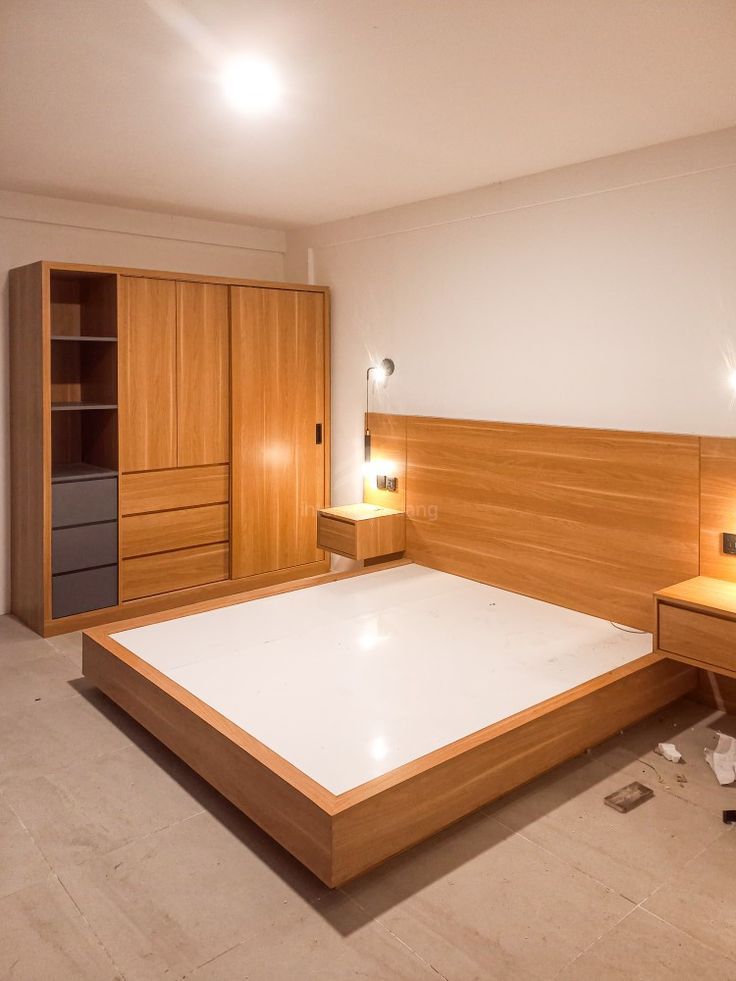
Different Types of Plywood Bed Designs
A modern plywood bed can be customized to match everything from minimalist apartments to spacious master bedrooms.
1. Minimalist Platform Bed
A platform bed has a clean, low-profile appearance and works particularly well in contemporary bedrooms. It can be designed without an elaborate headboard that suits compact rooms.
2. Upholstered Headboard Bed
A plywood bed frame structure can be combined with an upholstered headboard to create a softer and more luxurious appearance. Fabric, leatherette, or other suitable upholstery can add colour and texture.
3. Floating-Effect Bed
A recessed base can create the visual impression that the bed is floating above the floor. It works well in modern interiors.
4. Hydraulic Storage Bed
A lifting mechanism allows the mattress platform to be raised, providing access to storage beneath it. It can be particularly useful in apartments.
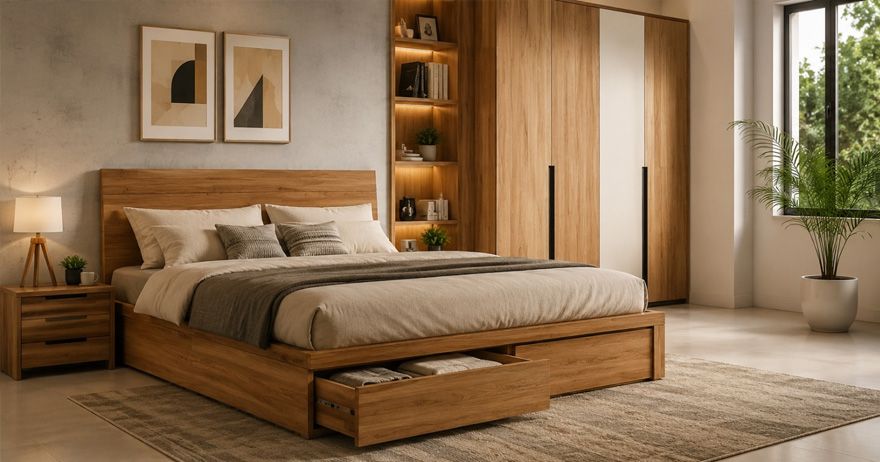
5. Drawer Storage Bed
Instead of lifting the mattress, drawers can be integrated into the sides or foot of the bed. It makes frequently used items easier to access.
6. Headboard Storage Bed
The headboard can incorporate shelves, niches, or small cabinets for books, decor, and personal items. It can reduce the need for separate bedside storage in some bedroom layouts.
7. Japanese-Inspired Low Bed
A low-profile plywood structure can create a simple, calm appearance inspired by minimalist interiors. It works particularly well with neutral colours.
8. Four-Poster or Feature Bed
For larger bedrooms, plywood can be used as part of a more substantial feature-bed structure. However, the design should be carefully engineered if the structure includes tall vertical elements or overhead components.
Storage Beds vs Platform Beds
The choice between a storage plywood bed and a platform bed depends largely on how much storage your bedroom needs.
| Feature | Storage Bed | Platform Bed |
|---|---|---|
| Under-Bed Storage | Yes | Usually limited |
| Appearance | Can look substantial | Generally minimal |
| Space Efficiency | Excellent | Moderate |
| Accessibility | Depends on drawers or lifting mechanism | Easy access around the bed |
| Hardware | May require hinges pistons or drawer hardware | Usually simpler |
| Maintenance | More moving components | Generally simpler |
| Best For | Apartments and storage-conscious homes | Minimalist bedrooms |
Choosing the Best Plywood for a Bed
The plywood used for a bed should be selected according to the structural requirements and environmental conditions of the room.
- Consider the Plywood Grade: For bedroom furniture, select a plywood grade appropriate for furniture construction and the expected environment.
- Consider Thickness: The side panels, headboard, base, storage platform, and other parts may not all require identical thicknesses.
- Check Core Quality: Look for sheets with consistent construction and without obvious defects, excessive voids, severe warping, or delamination.
- Consider Moisture Resistance: For normal dry bedrooms, standard furniture-grade options may be sufficient.
- Check the Finish: The wooden plywood bed can be finished with laminate, veneer, paint, or other materials.
- Look Beyond the Plywood: The best plywood for beds depends on the quality of the joints, supporting structure, screws, brackets, hydraulic hardware, and workmanship.
King Size vs Queen Size Plywood Beds
The overall bed dimensions will also depend on the frame construction, headboard, side panels, and storage mechanism.
King-Size Beds
A king-size bed provides more sleeping space and works best in a sufficiently large bedroom. A king size plywood bed can be customized with wider side storage, an extended headboard, bedside niches, or a large hydraulic compartment. However, larger structures require careful consideration of support and load distribution. The centre of a wide mattress platform may require additional support depending on the design.
Queen-Size Beds
Queen-size beds provide a balance between sleeping space and floor area. A queen size plywood bed can be a practical option for medium-sized bedrooms where a king-size bed would leave insufficient circulation space. Before deciding, measure the room and leave sufficient clearance around the bed for walking, wardrobes, doors, and other furniture.
Design Tips to Match Your Bedroom Interior
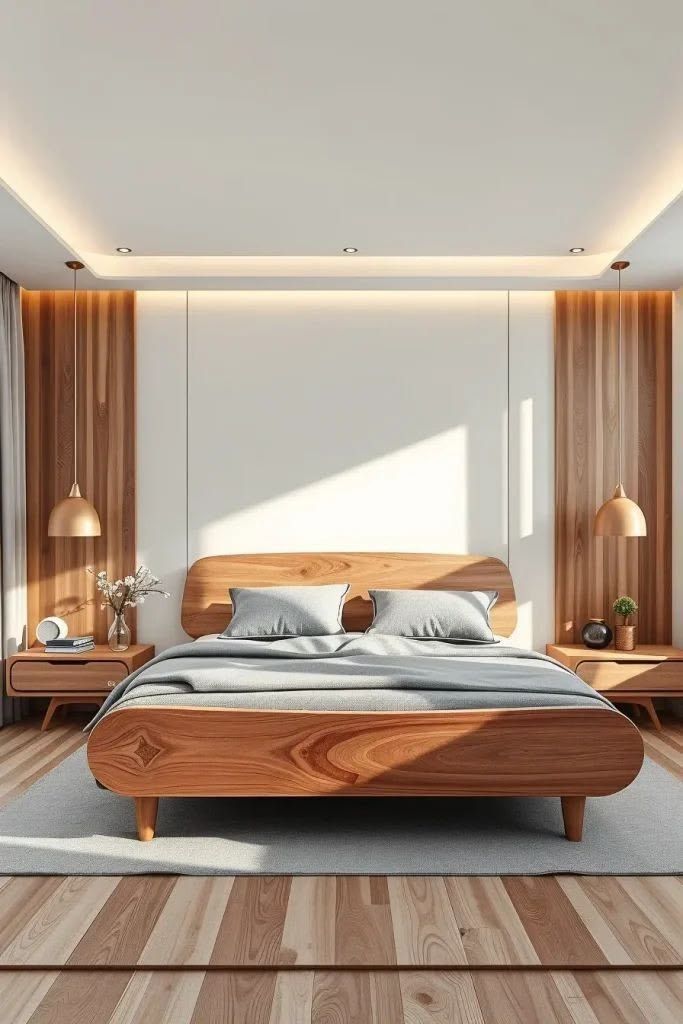
A bed occupies a significant portion of the bedroom, so its design should complement the room rather than compete with other furniture. If you are looking for bedroom furniture ideas, a opt for customized plywood bed can combine the required storage, dimensions, and finish.
Match the Overall Interior Style
For a minimalist bedroom, choose a clean-lined bed with a simple headboard. Traditional interiors can work well with wood-look finishes, whereas contemporary bedrooms need neutral laminates, upholstered panels, or floating-effect designs.
Coordinate the Headboard With the Room
Consider matching the headboard or complementing it with the wardrobe, bedside tables, wall colour, or flooring.
Choose Colours Carefully
Neutral shades such as white, beige, grey, cream, and natural wood tones are versatile and can work with changing décor.
Keep Proportions Balanced
An oversized headboard or bulky storage structure can make a small bedroom feel cramped. Measure the room before finalizing the bed's dimensions.
Plan Around Other Furniture
Leave enough circulation space between the bed, wardrobes, dressing units, and doors.
Common Mistakes to Avoid When Buying a Plywood Bed
Avoid these below mistakes when selecting or commissioning a plywood bed.
- Choosing Only by Appearance: Check the plywood grade, structural support, hardware, and workmanship.
- Using Inadequate Thickness: The appropriate thickness should be determined according to the design and support structure.
- Ignoring Centre Support: Large bed platforms may require additional centre support to prevent excessive flexing.
- Choosing Cheap Hardware: Hydraulic beds and drawers depend heavily on good-quality hinges, lifting mechanisms, runners, and fasteners.
- Skipping Measurement: Account for the complete external dimensions, headboard, side panels, and available walking space.
- Ignoring Moisture: Even good plywood can deteriorate when repeatedly exposed to water or persistent humidity.
- Overloading Storage Compartments: Under-bed storage should not be packed beyond what the structure and hardware are designed to support.
- Not Checking the Finish: Laminate, veneer, paint, and other finishes have different maintenance requirements.
- Forgetting Future Maintenance: Make sure hydraulic mechanisms, drawers, and other moving parts can be accessed if they need adjustment or replacement.
Maintenance Tips to Increase Bed Life
With proper construction and routine care, durable plywood furniture can provide reliable performance while retaining its appearance.
Keep the Bed Dry
Avoid prolonged exposure to water, damp floors, and moisture. Wipe spills immediately and investigate any recurring dampness.
Check Joints Periodically
Loose screws, bolts, brackets, or connections can cause movement and noise. Tighten or repair them when necessary.
Inspect Hydraulic Hardware
If the bed has a lifting mechanism, periodically check whether the hinges and gas-lift components operate smoothly. Replace worn components with compatible parts.
Avoid Excessive Loads
Don't use the bed as a storage platform beyond the capacity intended by its manufacturer or furniture maker.
Clean the Surface Correctly
Use a soft cloth and a cleaning method appropriate for the chosen laminate, veneer, or paint finish. Avoid excessive water.
Protect the Edges
Damaged or exposed edges can allow moisture to reach the plywood underneath. Repair damaged finishes promptly.
Watch for Pest Activity
Inspect the underside and surrounding areas periodically, especially in ground-floor homes or areas with a known termite risk.
Are Plywood Beds Worth the Investment?
For many homeowners, plywood beds can offer a useful balance between customization, strength, appearance, and price. However, the value depends heavily on the plywood quality and the construction of the bed. The biggest advantage of plywood is that it allows highly customized furniture designs without being expensive. For a long-lasting bed, invest in appropriate plywood, quality hardware, proper support, and skilled fabrication.
Final Thoughts
The right choice depends on more than the appearance of the finished bed. Consider the plywood grade, thickness, frame construction, centre support, hardware, mattress size, storage requirements, and moisture conditions before making a decision. Ultimately, plywood beds are worth considering when you want furniture that can be customized to your exact requirements. Work with an experienced furniture maker to achieve a comfortable and durable result.