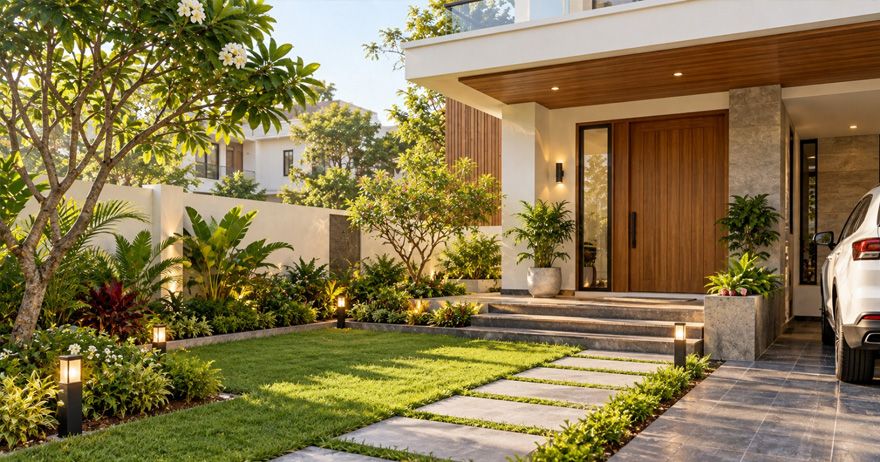




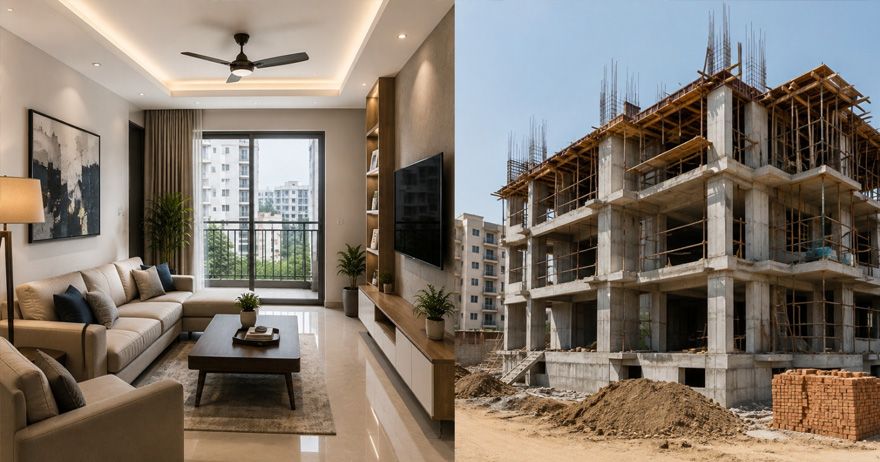
Choosing between ready-to-move and under-construction homes is one of the biggest decisions for homebuyers. While a ready-to-move home offers immediate possession, lower risk, and the ability to inspect the property before purchase, an under-construction home may provide lower prices, flexible payment plans, and greater appreciation potential. The right choice depends on your budget, timeline, investment goals, and risk tolerance. This blog post compares both options based on cost, possession, financing, tax benefits, risks, and long-term value to help you make a suitable home-buying decision.
What Is a Ready-to-Move Home?
Ready-to-move homes are properties where construction is complete, and the developer has obtained the required approvals and possession-related documentation. Depending on the project, buyers may be able to move into the property shortly after completing the purchase and registration process.
One of the biggest advantages is that you can physically inspect the finished apartment before making your final decision. You can check the quality of construction, room sizes, ventilation, natural light, amenities, common areas, and the overall neighbourhood.
For buyers who need a home quickly, a ready-to-move property can also eliminate the uncertainty associated with construction delays.
Some key advantages include:
- Immediate or relatively quick possession.
- Ability to inspect the actual property.
- Lower construction-delay risk.
- You can see the completed amenities and surroundings.
- Easier to plan your move.
- Suitable for buyers who do not want to wait several years.
However, ready-to-move properties can sometimes have a higher upfront price, particularly when they are located in established neighbourhoods or completed projects with strong demand.
What Is an Under-Construction Home?
Under-construction homes are properties that are still being built when the buyer makes the purchase. The apartment may be at an early construction stage or nearing completion, depending on the project.
The main attraction is often the opportunity to purchase at an earlier stage of development. Developers may offer different payment structures linked to construction milestones, although the exact terms vary from project to project.
Another advantage is that buyers may have a wider choice of apartments, including preferred floors, views, layouts, and orientations, particularly when purchasing early.
However, the buyer also takes on construction and possession-related risks. The final property may take considerable time to become ready, and delays can affect both financial planning and moving plans.
Before buying, always verify the project's registration and relevant details with the applicable state RERA authority.
Ready-to-Move vs Under-Construction: Key Differences
The ready-to-move vs under-construction decision becomes easier when you compare the two options across the factors that matter most.
| Factor | Ready-to-Move Home | Under-Construction Home |
|---|---|---|
| Possession | Immediate or relatively quick | Requires waiting |
| Property inspection | Actual property can be inspected | Mostly based on plans and specifications |
| Construction risk | Lower | Higher |
| Initial price | Maybe higher | May be comparatively lower |
| Payment structure | Usually larger payment closer to purchase | Often linked to construction stages |
| Choice of units | May be limited in completed projects | More choices at an early stage |
| Rental income | Can potentially begin sooner | Generally unavailable until possession |
| Planning | Easier to plan move-in | Requires waiting and flexibility |
| Investment horizon | Suitable for immediate use | Better suited to longer-term planning |
| Investment horizon | Suitable for immediate use | Better suited to longer-term planning |
Neither option is automatically better. Your choice should depend on whether your priority is certainty and immediate possession or potentially lower entry costs and future appreciation.
Cost, Payment Plans, and Financing Comparison
Cost is one of the most important factors in any residential property comparison.
A ready-to-move property may have a higher purchase price because you are buying a completed home with immediate usability. However, the actual cost should not be judged only by the quoted property price.
Consider additional expenses such as:
- Stamp duty and registration charges.
- Maintenance or association-related charges.
- Parking charges, where applicable.
- Interior and furnishing expenses.
- Home loan interest.
- Brokerage, if applicable.
- Moving and other immediate setup costs.
With an under-construction property, the payment structure may be spread across different stages of construction. This can make cash-flow planning easier for some buyers, but it does not necessarily mean the property will be cheaper overall.
Home loans are available for eligible under-construction properties, but the loan disbursement and repayment structure can differ from that of a completed property. Buyers should compare interest rates, pre-EMI or EMI obligations, processing charges, and the lender's project approval before committing.
Tax treatment can also differ depending on the nature and timing of the purchase, possession, loan, and applicable tax rules. Always verify the current rules with a qualified tax professional before making a decision based on expected tax benefits.
Possession Timeline and Investment Potential
Possession is one of the clearest differences between ready-to-move homes and under-construction properties.
If you need a home immediately because you are currently renting, relocating, or planning a major life change, a completed property can provide greater certainty. You can inspect the home and plan your move without waiting for construction to finish.
An under-construction property requires patience. The potential advantage is that purchasing at an earlier development stage may provide access to a wider choice of units and potentially benefit from future development in the surrounding area.
For property investment, however, appreciation should never be treated as guaranteed. Future value depends on location, infrastructure, demand, developer reputation, supply, economic conditions, and the overall performance of the real estate market.
If the property is intended for rental income, a ready-to-move home may have an advantage because rental income can potentially begin sooner, subject to demand and occupancy.
Risks and Advantages of Both Options
Both property types have advantages and risks, and understanding them is essential before making a home purchase decision.
Advantages of Ready-to-Move Homes
- Immediate possession.
- Lower construction-delay risk.
- Physical inspection before purchase.
- Completed amenities can be evaluated.
- Easier to estimate actual living conditions.
- Potential to start renting sooner.
Risks of Ready-to-Move Homes
- Higher purchase price in some locations.
- Limited choice of units in completed projects.
- Older completed projects may have higher maintenance requirements.
- Buyers still need to verify title, approvals, occupancy-related documents, and project compliance.
Advantages of Under-Construction Homes
- Potentially lower entry price in some projects.
- Wider choice of apartments during early stages.
- Construction-linked payment options may be available.
- Potential for capital appreciation as the project and surrounding area develop.
Risks of Under-Construction Homes
- Construction delays.
- Changes in market conditions.
- Uncertainty regarding the final appearance or surroundings.
- Money may remain invested without immediate use or rental income.
- Possibility of additional financial pressure if possession is delayed.
The developer's track record, project approvals, location, and legal documentation should therefore be evaluated carefully before purchase.
Which Option Is Better for First-Time Homebuyers?
For many first-time buyers, a ready-to-move property can be easier to understand because the actual home is available for inspection. You can evaluate the apartment, building, amenities, neighbourhood, access roads, and surrounding development before committing.
That does not mean under-construction homes are unsuitable for first-time buyers. They can be attractive when the buyer has a longer timeline, understands the associated risks, and has thoroughly researched the developer and project.
If certainty is your priority, a completed property may be more comfortable. If affordability, customisation of unit selection, and long-term planning are more important, an under-construction project may be worth considering.
The best choice is the one that fits your financial capacity rather than simply the one with the lowest advertised price.
Common Mistakes to Avoid Before Buying
Buying a property is a major financial commitment, so avoid making a decision based only on advertisements or attractive introductory offers.
Here are some common mistakes to avoid:
- Comparing only the base price: Consider registration, taxes, maintenance, parking, interiors, and other associated expenses.
- Ignoring the developer's track record: Research previous projects, delivery history, and customer feedback.
- Not checking RERA details: Verify the project's registration and disclosures with the relevant authority.
- Assuming possession dates are guaranteed: Read the agreement carefully and understand the contractual possession terms.
- Skipping property inspection: For completed homes, inspect the actual apartment before purchase.
- Ignoring the neighbourhood: Check roads, public transport, schools, hospitals, markets, and future infrastructure.
- Taking a loan beyond your comfort level: Your EMI should fit comfortably within your overall household budget.
- Assuming appreciation is guaranteed: Real estate returns depend on several market and location-specific factors.
- Overlooking legal documents: Verify ownership, approvals, agreements, and other required documents with appropriate professional assistance.
A careful home buying guide should always consider both the property and the buyer's long-term financial position.
Factors to Consider Before Making Your Decision
Before choosing between a ready-to-move and under-construction property, ask yourself a few practical questions.
1. When do you need the home?
If you need immediate possession, a completed property may be more suitable.
2. What is your budget?
Compare the complete acquisition cost rather than the advertised price.
3. How long can you wait?
If you are comfortable waiting for construction, an under-construction project may offer more choices.
4. Are you buying for yourself or as an investment?
Your priorities will be different if the property is intended for immediate occupation, rental income, or long-term appreciation.
5. How much risk can you accept?
Consider your financial ability to handle delays, changing interest rates, or unexpected expenses.
6. Have you researched the location?
A good location can influence both quality of life and long-term property demand.
7. Have you checked the developer and documents?
Verify the developer's reputation, project approvals, RERA information, agreements, and other relevant documentation before paying a substantial amount.
A property should fit not only your lifestyle but also your financial plans for the years ahead.
Final Thoughts
There is no universal answer to the ready-to-move vs under-construction homes debate. Each option offers different benefits depending on your needs, budget, timeline, and risk tolerance.
A ready-to-move property provides greater certainty because you can inspect the finished home and potentially move in quickly. It may be particularly suitable for first-time buyers, families needing immediate accommodation, and buyers who prefer lower construction-related risk.
An under-construction property may appeal to buyers who have a longer investment horizon and are comfortable waiting for completion. It can offer greater unit choice and potentially attractive pricing, but buyers need to carefully assess the developer, project documentation, construction progress, and financial implications.
Before making a decision, compare the complete cost, possession timeline, location, financing requirements, legal documentation, and potential long-term value. A well-researched new apartment buying decision is ultimately more important than choosing one property type simply because it appears cheaper or more convenient.