


Why Do Some Homes Feel Cooler Than Others?
Walk into two identical-looking apartment units on the same floor of the same building, and one can feel noticeably cooler than the other by mid-afternoon. The difference often has very little to do with the air conditioner and much more to do with how the house is designed.
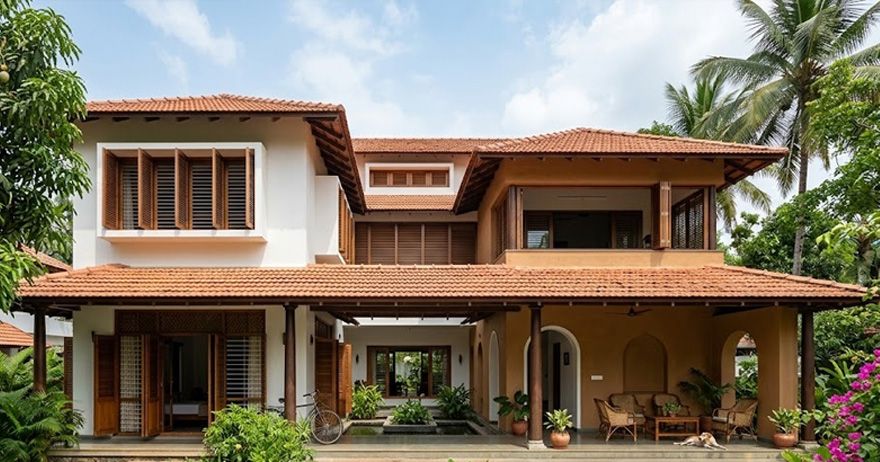
Homes that are designed to block heat and encourage airflow naturally stay cooler throughout the day. Many homeowners assume that air conditioning is the only solution. In reality, smart design decisions often determine why some homes stay cooler than others.
A cooler home is usually the result of:
- Better insulation
- Efficient windows
- Strategic ventilation
- Proper orientation
- Heat-reflective materials
- Effective shading
How Heat Enters a Home
Before exploring cooling solutions, it is essential to understand the four main routes through which heat enters your home.
Through the Roof
The roof receives the highest amount of direct sunlight during the day. In a flat-roof construction, the concrete slab absorbs solar radiation throughout the day and radiates that stored heat downward into the rooms below, significantly increasing indoor temperatures. Roof insulation to reduce heat is therefore not optional in a hot climate, but is one of the highest-impact interventions available.
Through Walls
External walls, particularly those facing west and south, absorb heat throughout the day. Thin walls with no insulation conduct this heat directly into the interior. They absorb heat slowly and release it slowly, smoothing out temperature peaks. Poorly insulated walls can make rooms feel warmer even after sunset.
Through Windows and Glass
Windows are one of the biggest sources of heat gain in modern homes. Large glass openings without proper glazing allow sunlight and heat to enter directly. Understanding how windows affect indoor temperature can help homeowners make better decisions about window placement and glass selection.
Through Air Leaks
Small gaps around windows, doors, and utility openings allow hot outdoor air to enter. It is often the least visible but most immediately felt source of heat and discomfort. Even efficient cooling systems struggle when unwanted heat continuously enters the home.
The top 10 best ways on how to keep house cool in summer are given below.
1. Better Roof Insulation
A properly insulated roof acts as a protective barrier against solar heat.
Benefits include:
- Cooler indoor temperatures
- Reduced AC usage
- Better comfort throughout the day
- Lower energy bills
A well-insulated roof can reduce heat transfer from the roof slab into living spaces substantially, keeping rooms several degrees cooler during peak afternoon hours.
2. Energy-Efficient Windows
Windows have a major impact on indoor comfort. High-performance windows help reduce heat transfer while still allowing natural light to enter.
Benefits include:
- Reduced solar heat gain
- Improved comfort
- Better insulation
- Lower cooling costs
uPVC windows frames are the most effective answers to how to keep house cool in summer without relying entirely on air conditioning.
3. Low-E and Solar Control Glass
Low-E (low-emissivity) glass uses a thin metallic coating to reflect infrared heat and keep rooms bright. Solar control glass goes further, specifically targeting the reduction of solar heat gain through a lower Solar Heat Gain Coefficient (SHGC).
Benefits include:
- Less indoor heat build-up
- Better daylight performance
- Reduced glare
- Improved energy efficiency
These options are widely used in energy efficient home design for hot climates.
4. Proper Home Orientation
The direction a home faces influences how much sunlight it receives.
Good orientation can:
- Lower indoor temperatures
- Improve daylight distribution
- Reduce cooling requirements
Heat resistant house design ideas universally include orientation as the first consideration.
5. Effective Natural Ventilation
Natural ventilation for homes works by creating pressure differences that draw cool air in from one side of the building and push warm air out from the other
Good ventilation for homes includes:
- Cross ventilation through opposite openings
- Proper window placement
- Ventilated staircases
- Open interior layouts
Moving air naturally helps maintain cooler indoor environments throughout the day.
6. Well-Sealed Doors and Windows
Even high-performance materials cannot work effectively if gaps allow hot air inside.
Proper sealing helps:
- Prevent heat infiltration
- Improve cooling efficiency
- Reduce dust entry
- Enhance indoor comfort
Sealing is what determines whether the thermal and acoustic specifications of a window actually translate to real-world performance.
7. Exterior Shading Solutions
Shading devices intercept solar radiation before it reaches the glass or wall surface.
Popular solutions include:
- Pergolas
- Roof overhangs
- Vertical fins
- Louvers
- Trees and landscaping
These strategies are among the best ways to reduce heat in home environments naturally.
8. Thermal Insulation in Walls
Wall insulation helps slow down heat transfer between outdoor and indoor environments.
Proper thermal insulation for homes offers several advantages:
- Stable indoor temperatures
- Reduced cooling demand
- Improved comfort
- Better energy efficiency
It is especially valuable in regions that experience extreme summer temperatures.
9. Reflective Roofing Materials
Traditional dark roofs absorb over 90 percent of solar radiation. Reflective roofing materials are designed to reflect sunlight rather than absorb it.
Benefits include:
- Reduced roof temperatures
- Lower indoor heat gain
- Improved energy performance
Many modern homes now incorporate reflective coatings or lighter-coloured roofing materials for better thermal performance.
10. Smart Home Design Choices
Small design decisions can create a drastic difference.
Examples include:
- Using shaded courtyards
- Incorporating landscape buffers
- Minimizing west-facing glass
- Selecting heat-resistant materials
- Creating airflow pathways
Many architects now use heat resistant house design ideas to improve comfort without increasing energy consumption. These passive cooling strategies help homeowners understand how to make a house cooler in hot weather through design rather than mechanical systems alone.
How to Make an Existing Home Cooler?
Even if your house is already built, there are several ways to improve comfort.
| Upgrade | Addresses | Cost Range | Impact Level |
|---|---|---|---|
| Upgrade window and door seals | Air infiltration dust and humidity | Low | Immediate |
| Apply reflective roof coating | Solar absorption through roof slab | Low to moderate | High |
| Install false ceiling with insulation void | Conducted heat from roof slab | Moderate | High for top floor |
| Add external shading above west-facing windows | Direct afternoon solar heat gain | Low to moderate | High |
| Replace single-pane glass with solar control or Low-E | Solar heat gain through glass | Moderate to high | Very High |
| Add internal wall insulation to external walls | Conducted heat through walls | Moderate to high | High |
| Upgrade to full sealed window systems | All heat pathways through window openings | High | Very High |
If you're wondering how to keep house cool in summer naturally, combining several of these strategies often produces the best results.
Common Mistakes That Increase Indoor Heat
Many homes become hotter because of avoidable design mistakes and a few are given below.
- Large west-facing windows without shading
- Dark roofing materials
- Poor ventilation planning
- Lack of insulation
- Inadequate sealing around openings
- Excessive glass without heat-control glazing
- Ignoring local climate conditions
Correcting even a few of these mistakes can improve comfort and reduce cooling costs. Understanding how to keep house cool in summer allows homeowners to make better decisions during both construction and renovation.