


Sunlight fading furniture and curtains happens because ultraviolet (UV) rays break down dyes, pigments, and materials over time. This continuous exposure to sunlight can cause fabrics, wood finishes, flooring, artwork, and upholstery to lose their original colour and appearance.
While natural light is necessary, excessive UV exposure can lead to irreversible damage. Understanding why does sunlight fade furniture can help you choose make better choices. Solutions such as Low-E glass, UV-blocking window films, solar control glass, and strategic shading can reduce fading to an extent.
How UV Rays Damage Interior Materials?
UV radiation carries more energy than visible light. When it hits a coloured surface, it breaks down the chemical bonds that hold the colour pigment together. This process is called photodegradation.
Once these bonds break, the pigment can no longer reflect colour the way it did before, so the material looks faded or washed out. In addition, heat from sunlight damages the material by drying out fibres and making them brittle.
This is why sunlight fading furniture happens gradually but becomes clearly visible over time.
Which Household Items Fade the Fastest?
Here are some household items that absorb more UV energy and break down faster than others.
Curtains And Drapes
If you are wondering, do UV rays damage curtains? Yes, they do. In fact, they are the most affected ones, as they are present next to the windows. Light fabrics like silk and cotton fade quickly, especially in bright or dark shades. You can notice a visible colour difference compared to the back, as the side facing the window usually fades first.
Sofas And Upholstery
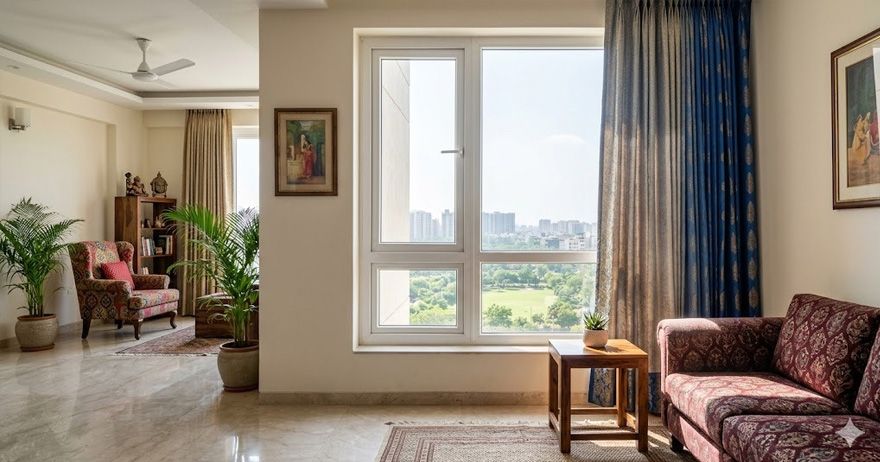
Furniture fading near windows is more common than you think. Fabric sofas placed near windows lose colour within one or two years of daily sun exposure. Leather sofas crack and dry out instead of just fading, since UV rays break down the natural oils in leather.
Wooden Furniture
Wood changes colour when exposed to sunlight for long periods. Some wood types darken, while polished or varnished wood turns patchy as the finish breaks down unevenly. Furniture left in one spot for years shows a clear tan line where sunlight hit it directly.
Flooring
Wooden flooring and carpets fade in patches that match the shape of the window light falling on them. This is common in homes with large windows or balcony doors that let in direct afternoon sun.
Artwork And Photographs
Paintings, prints, and photographs are the most fragile items in this list. Pigments and inks break down quickly under UV light, and the damage cannot be reversed once it happens. Even short daily exposure adds up to the damage.
Do Regular Windows Block UV Rays?
You may ask, does glass block UV rays? The answer is, regular window glass blocks most UVB rays but lets a large share of UVA rays pass through. A standard clear glass blocks up to 97% of UVB radiation but only around 37% of UVA radiation.
UVA rays are the ones responsible for most long-term fading, since they pass through ordinary glass with little resistance. This means that even closed windows do not fully protect furniture, curtains, or flooring from sun damage.
Sunlight Fading Furniture: How To Protect?
Here are some tips on how to prevent sun damage indoors, especially to furniture.
Install Low-E Glass
Low-e glass has a thin coating that reflects UV rays, heat, and infrared light. This coating cuts down UV transmission while still letting in daylight. Choosing low e glass for UV protection is one of the most effective long-term methods because it reduces UV exposure at the window itself.
Use UV-Blocking Window Films
UV blocking window film for homes is a practical choice for those who want protection without replacing their existing windows. They block up to 99% or more of ultraviolet radiation, covering both UVA and UVB rays. These films are also renter-friendly.
Choose Solar Control Glass
Solar control glass reduces both heat and UV transmission through a special coating applied during manufacturing. It works well for homes with large glass windows or balconies that face direct sun for most of the day.
Rearrange Furniture Placement
Moving furniture away from direct window light is the simplest fix to reduce UV impact.
Keep sofas, wooden furniture, and artwork at least a few feet away from windows that get strong afternoon sun. Rotating furniture every few months also helps fading happen evenly instead of in patches.
Add Protective Window Coverings
Curtains, blinds, and shades reduce direct sun contact with furniture inside the room. Thicker fabrics and lined curtains block more light than sheer ones. If you want to know how to stop curtains from fading, combine protective window coverings with UV protection.
Low-E Glass Vs UV Window Films
Low-E glass is built into the window itself and offers long-term protection. It is more expensive and works best when installed during new construction or window replacement.
UV window films are cheaper, faster to apply, and can be added to existing windows. They may need replacement every several years as the coating wears down. For those who already have their windows fixed or living in rental homes, UV window film is the most practical choice.
If you are looking for how to protect furniture from sunlight, and hovering over low-e glass or UV window films, the right choice depends on budget, window condition, and how much direct sunlight enters the room.
Best Window Solutions For UV Protection
Sunlight fading furniture can be reduced by half with the right choice of windows. While choosing the best windows for UV protection, consider options like laminated glass, Low-e glass, and solar control glass.
- Laminated glass offers the strongest protection, blocking up to 99% of UV rays with negligible impact on natural light.
- Tinted glass and reflective coatings reduce UV well, though they cut down the amount of visible light entering the room.
- Pairing UV block film with proper curtains is the perfect choice for most rental homes, as it protects without darkening the room.
Common Mistakes Homeowners Make
Here are some of the common mistakes to avoid.
- Do not assume that closed windows block sun damage. Most UVA rays pass through ordinary glass without resistance.
- Do not place valuable furniture or artwork next to the window. Always check how many hours of direct sun reach that spot.
- Do not use dark curtains, as darker colours absorb more UV energy and fade faster than lighter shades.
- Do not skip UV window films. It may seem like an unnecessary expense, but it often costs more later, once furniture or flooring needs replacement.
- South and west-facing rooms get stronger afternoon sun, so they need protection first, especially in summer months.
- Do not leave an item in the same spot for years, as this causes one section to fade while the rest stays the original colour, creating a colour difference.
How To Reduce UV Exposure Without Losing Natural Light
Here is how to reduce UV exposure without losing natural light.
- Pair light-coloured curtains with UV-blocking film instead of dark tints. This lets in daylight while screening out harmful rays.
- Keep furniture a few feet back from direct sun paths, as direct sunlight can cause more damage.
- Rotate furniture, rugs, and cushions every few months. This way, fading happens evenly instead of in patches.
- Use removable window films in rental homes, as they give the same protection as a permanent film but can be peeled off while vacating the house.
- Close the blinds during midday to mid-afternoon, especially if your room is west or south-facing.
- Choose laminated or Low-E glass during renovation, as these are the best long-term options for anyone replacing windows. It filters UV at the source instead of needing curtains or film later.
This is how to reduce sunlight fading furniture.