


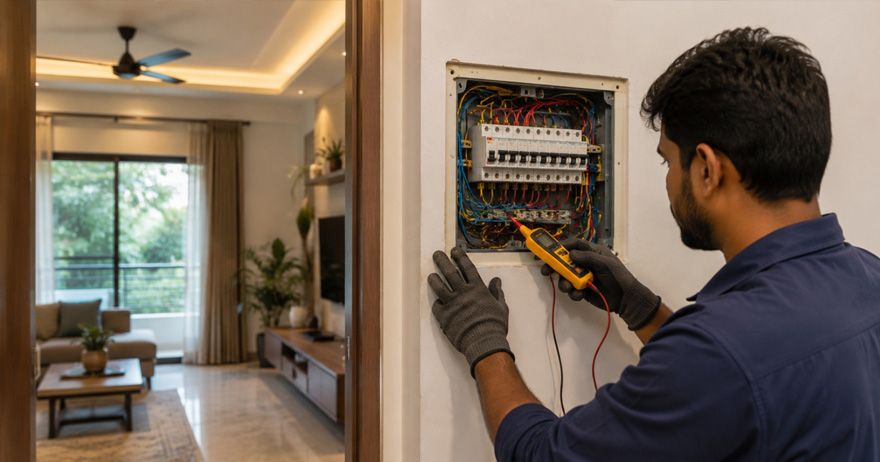
A ritual that every homeowner should follow every year is electrical wiring safety checks. These checks are essential for protecting your home from electrical shocks, short circuits, and fire hazards.
Over time, the wiring, switches, sockets, and electrical panels of your house wear out due to age, overloading, or poor electrical system maintenance. That’s why conducting an annual inspection helps in identifying potential issues before they become dangerous or expensive to repair.
So, whether you live in an apartment or an independent house, following this simple electrical safety checklist can improve the reliability of your home's electrical system and ensure the safety of your family and appliances.
Why Are Annual Electrical Wiring Inspection Important?
As a homeowner, you should never delay inspecting your electrical wiring. Over time, the wires and electrical connections get damaged, which increases the risk of electrical problems. And if you ignore these issues, it can lead to problems like short circuits, electric shocks, or even house fires. An annual electrical inspection helps identify these hidden faults before they become serious issues.
Warning Signs Your Home Needs an Electrical Safety Check
Homeowners must notice all these warning signs, as they are an indication that your home might need an electrical wiring safety check:
- If you notice frequent circuit breaker trips
- If flickering and dimming of lights has become frequent
- If there’s a burning smell or scorch marks on switches
- If your outlets are warm or sparking
- If you get electric shocks while using appliances
- If you notice unusual buzzing sounds
Essential Electrical Wiring Safety Checks Every Homeowner Should Perform
All homeowners must perform all these electric wiring checks to improve the safety of their homes:
- Outlets and Switches: You should inspect all the switches and power outlets of your home for cracks, burn marks, loose fittings, or unusual heat.
- Damaged Wiring: Damaged wiring is one of the biggest signs of faulty wiring, and it should be repaired or replaced as soon as possible.
- Overloading Power Outlets: You need to make sure that you are not plugging too many appliances into a single outlet, as it can overload the circuits and increase the risk of electrical fires in the house.
- Inspect Extension Cords: Check all the extension cords. Make sure there are no cuts, broken plugs, or exposed wires. If there are any, replacing them is the best solution.
- Check Outdoor Electrical Fixtures: Inspect outdoor lights, sockets, and wiring for signs of weather damage, moisture, or corrosion. Make sure all outdoor electrical fittings are properly protected.
Common Electrical Hazards Found in Homes
Electrical hazards develop over time due to ageing of the wires, poor maintenance, and improper installation. So, it’s important to identify these problems early to prevent accidents, fires, and expensive repairs later.
- Old electrical wirings
- Water near electrical equipment
- Lack of proper grounding
- Exposed and frayed electrical wires
- Damaged power outlets and switches
How to Prevent Electrical Fires and Short Circuits?
If you want to prevent electrical fires and short circuits, follow these tips:
Avoid DIY Electrical Repairs
When it comes to electricity-related work, make sure you are not doing any DIY repairs by yourself. Electrical work should always be handled by a licensed electrician or someone professional. Because the incorrect repairs and installations can lead to wiring faults, short circuits, and fire accidents.
Schedule Regular Electrical Inspections
Every year atleast once, hire an experienced electrician who can inspect your home's electrical system. And this type of inspection becomes even more important if your house is older or has recently been renovated.
Keep Electrical Panels Accessible
Never block your electrical panel with furniture or storage items. In most cases where an electrical panel is hidden behind storage, create alot of issues. And an easy access allows you to quickly switch off the power during an emergency.
Watch for Warning Signs
Most homeowners think flickering lights, burning smells, buzzing sounds, hot outlets, or frequently tripping circuit breakers are normal, butthey’res not. These are early signs of electrical problems that should be checked immediately, without any delay.
Use Quality Electrical Products
In order to save some money, never compromise on using certified electrical wires, switches, sockets, and circuit breakers. Poor-quality electrical products fail easily and create safety hazards that can be life-threatening as well.
When to Call a Licensed Electrician?
A licensed electrician can spot the signs of electrical failure from a distance. So, if you’re facing constant breaker outages, flickering lights, burning odors, malfunctioning outlets, warm switches, or electric shocks, then it’s time that you should contact the electrical technicians.
Also, if your home has old or damaged wiring, after flooding or water damage, or when installing new electrical fixtures, upgrading the electrical panel, or renovating your home. Even if there are no visible issues, scheduling a professional electrical inspection every few years helps identify hidden faults, ensures your electrical system meets safety standards, and reduces the risk of electrical fires, shocks, and costly repairs.
Safety Tips for Older Homes and Aging Electrical Systems
Homeowners can follow these electrical safety tips for older homes and aging electrical systems:
- Replace your old and damaged wiring with new wiring
- Worn-out switches and outlets are dangerous and must be replaced
- Check if there are warning signs like warm switches or electric shocks
- Hire a licensed electrician for regular checkups
- Keep your electrical areas dry and avoid touching any switches with wet hands
Common Electrical Mistakes Homeowners Should Avoid
Here are some mistakes most homeowners and they should avoid at any cost:
- Don’t make the mistake of putting the running electrical cords under your carpets or furniture, as they can trap heat and damage the insulation.
- The risk of electric shocks increases when you ignore grounding and earthing issues.
- Don’t place electrical appliances near water or handle them with wet hands.
- Ensure regular maintenance and professional inspections, especially if you live in old homes.
- Make sure you are not blocking the ventilation around the electrical panel, as it can lead to overheating.
- Don’t use extension cords as a permanent wiring solution instead, install additional outlets.
- Never forget to switch off the power before repairs or replacing electrical fixtures.
Creating an Annual Home Electrical Maintenance Checklist
For creating a safe and comfortable home, homeowners must have a safety checklist:
- Inspect Wiring and Electrical Fixtures: Start by inspecting visible wires, switches, and power outlets for any damage, loose connections, or signs of overheating.
- Test Safety Devices: Make sure all the safety devices like circuit breakers, RCDs, and ELCBs are working properly.
- Check Electrical Appliances and Cords: Check the cords, plugs, and extension cords of your devices for damage, and replace them if necessary.
- Look for Warning Signs: Be alert to flickering lights, blown fuses, burning odours, buzzing noises, and warm sockets,s and act right away in order to remedy the situation.
- Schedule a Professional Electrical Inspection: An experienced electrician must check the electrical system of your home once every year, especially if you are living in an old house or in a recently renovated home.
Final Thoughts
Electrical wiring safety is among the keys to a safe and comfortable home. Making repairs on time, checking the wiring for safety, using good materials, and following the safety procedures help avoid electrical fires, shocks, and accidents. A bit of preventive maintenance now will keep your home and family safe for many years.