



What Are Arch Windows?
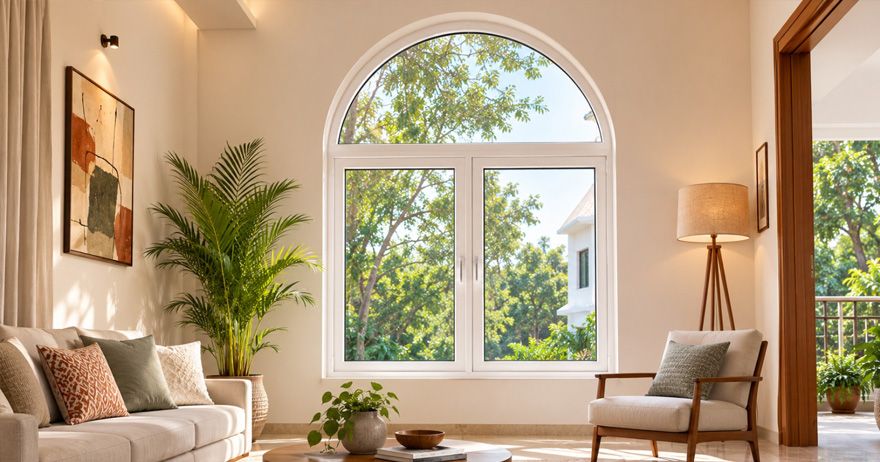
Arch windows are any windows where the top header of the rectangular structural frame is curved (arch). While the header is typically a proper semicircular curve, there are a variety of arch windows with curves that do not necessarily have to be semicircular.
This brings us to the conversation about the types of arches that exist. There are more than 20 types of arches implemented in arch windows or doors. Some notable examples are -
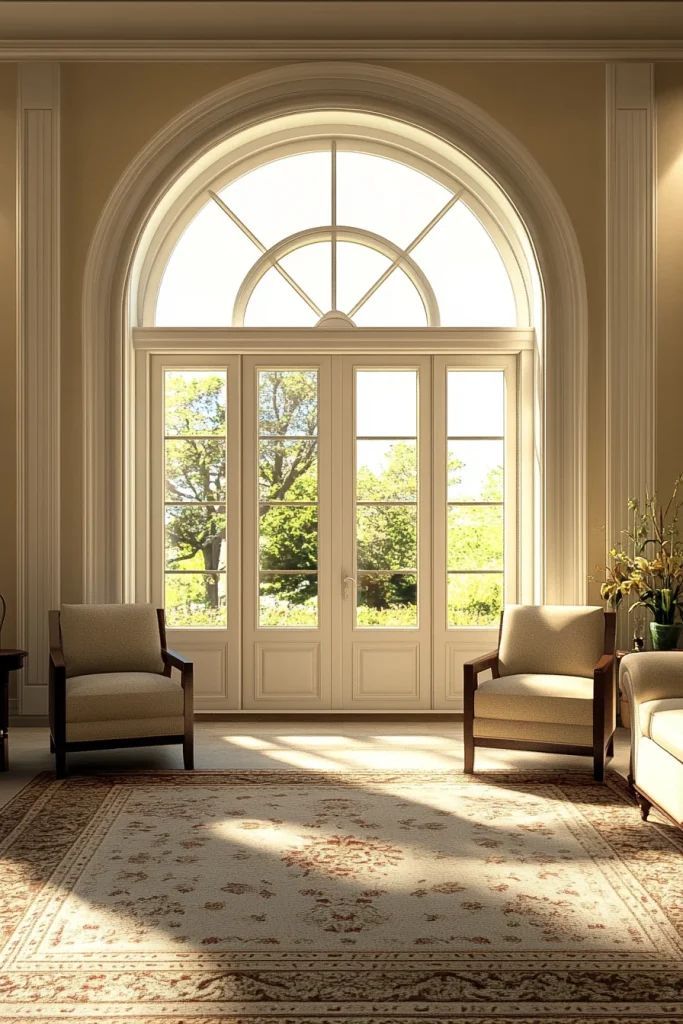
Round Arch – Also associated with the Roman Arch, this is a timeless classic arch with a smooth, semicircular curve resembling half a circle.
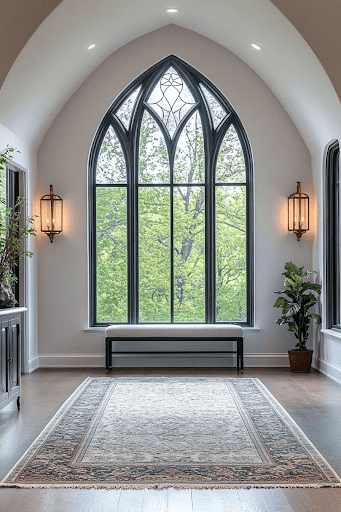
Two-Pointed Arch – Also known as a Gothic Pointed Arch when referring to the architectural style, this arch is formed by two curves that meet at the top centre to create a distinct point.
Benefits of Installing uPVC Arch Windows
- Distinctive Architectural Character – The curved form adds elegance and character to the façade while giving the building a more refined, premium appearance.
- Enhanced Light, Views & Visual Proportions – The curved section can bring in more natural light, create more expansive views and soften large or boxy elevations with better visual proportions.
- Versatile Design Options – Arch windows can complement a variety of architectural styles, from traditional and heritage-inspired to contemporary and luxury spaces, while allowing for customised designs.
- Flexible Combinations – Arch windows can be combined with fixed, casement or other window configurations to create larger and more functional openings.
- Thermal and Sound Insulation – With uPVC arch windows, one receives better temperature comfort and the bliss of a noise-free environment, especially when paired with the right glazing.
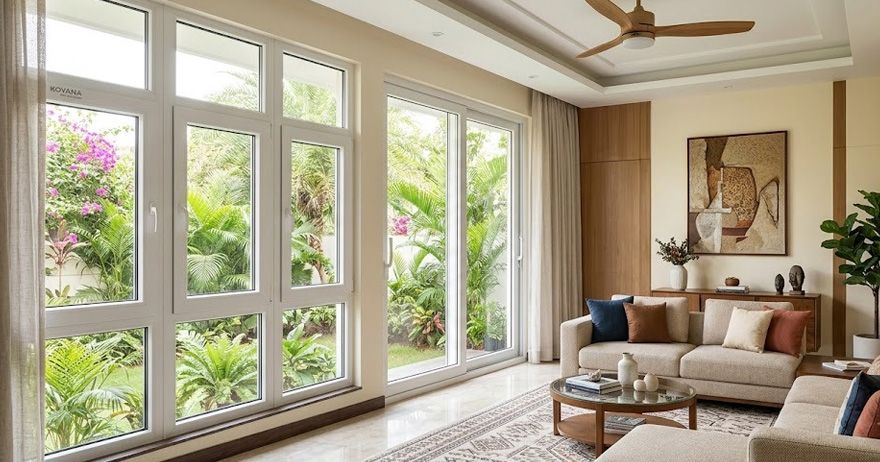
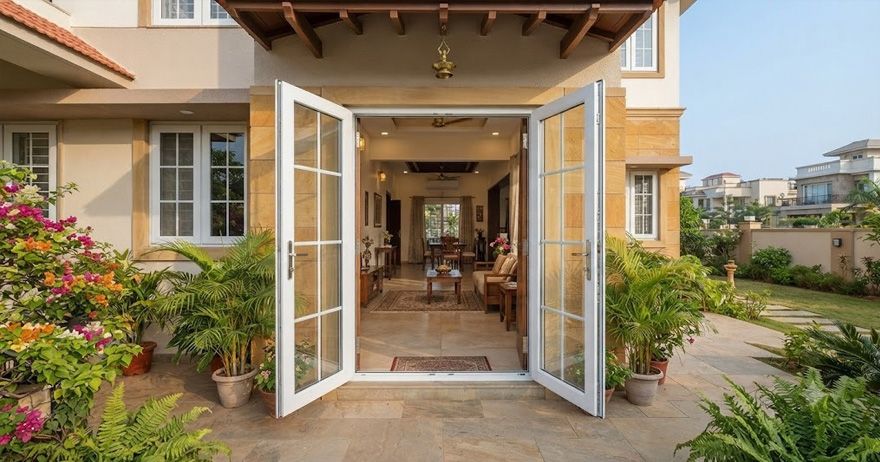
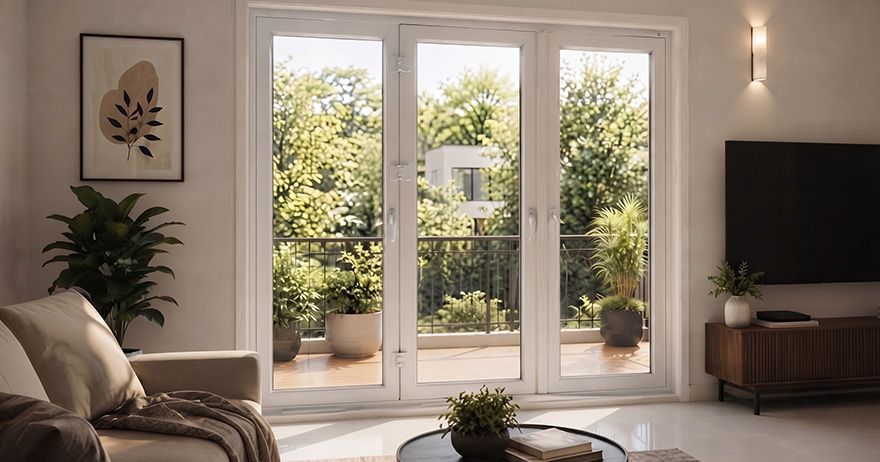
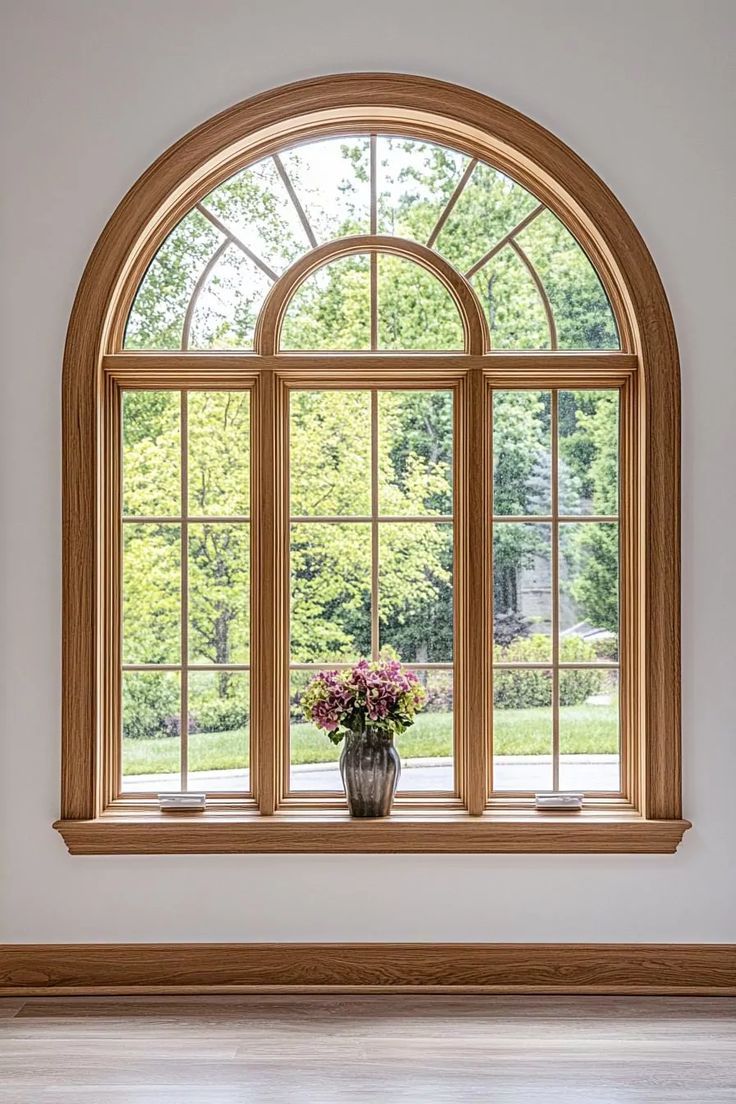
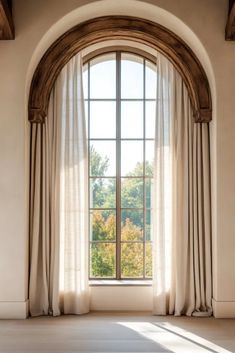
Popular Window Styles for Indian Homes
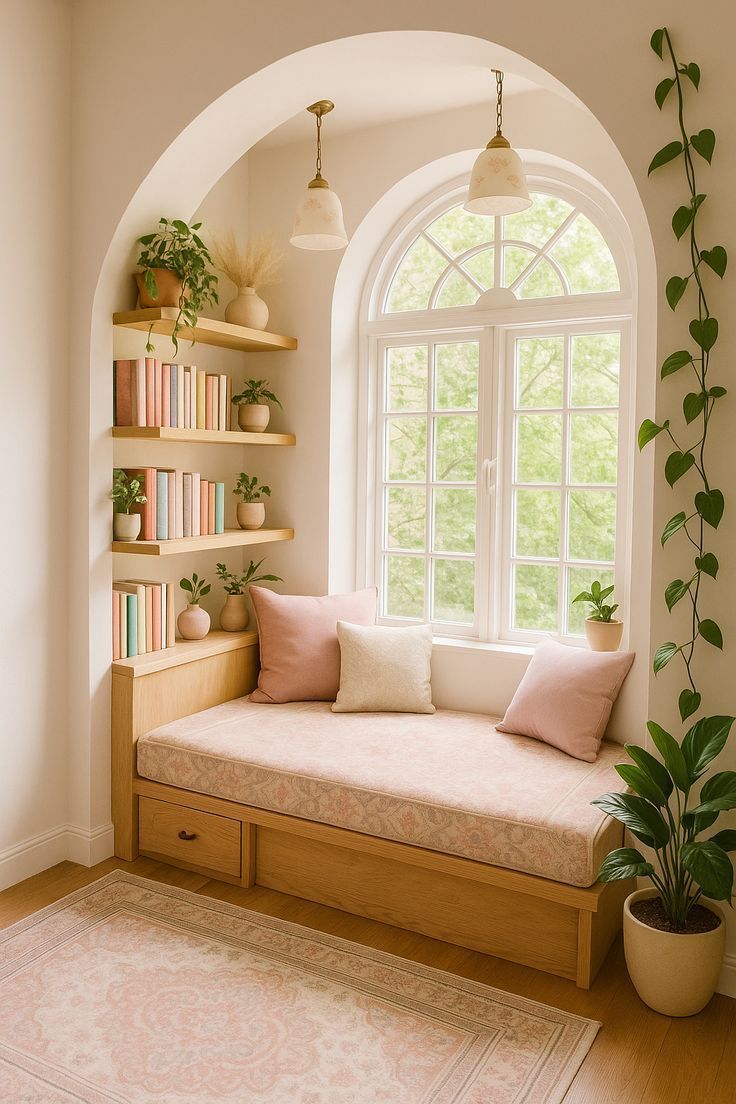
Best Rooms for Arch Windows in Indian Homes
While Arch Windows can be installed in almost every room, it is essential to understand your home's size and layout to ensure privacy and security, as well as thermal, noise, ventilation, and light performance. We have listed all the rooms with ratings and reasoning that indicate the potential for being suited to an arch window installation.
Note: These ratings are based on the room’s space, layout, functional requirements, practicality and the architectural value an arch adds. The higher rating reflects a natural fit, while the lower rating applies when an arch works only if the layout and size allow it. Speak to your architect to understand if arch windows are worth the daily experience.
| Room / Space | Rating – Ideal Layout & Size | Rating – If Layout Allows | Suitability / Reasoning | |
|---|---|---|---|---|
| Living Room | ⭐⭐⭐⭐⭐ | ⭐⭐⭐⭐⭐ | One of the best spaces for arch windows or doors. A larger wall or feature opening allows the arch to become a visual focal point while bringing in natural light and improving the overall character of the room. | |
| Dining Room | ⭐⭐⭐⭐⭐ | ⭐⭐⭐⭐⭐ | Works particularly well when the dining area has a generous exterior-facing wall. An arch can add elegance and create a more visually defined dining space. | |
| Master Bedroom | ⭐⭐⭐⭐ | ⭐⭐⭐⭐ | Suitable when there is enough wall and window area. The softer curved form can give the bedroom a more refined and premium character without overpowering the space. | |
| Other Bedrooms | ⭐⭐⭐⭐ | ⭐⭐⭐⭐ | A good option where the room is sufficiently spacious. In smaller bedrooms | a conventional rectangular window may make better use of the available wall area. |
| Balcony / Terrace Access | ⭐⭐⭐⭐⭐ | ⭐⭐⭐⭐ | Particularly effective for larger openings and balcony doors. An arched door can create a strong architectural feature and enhance the transition between indoor and outdoor spaces. | |
| Foyer / Entrance | ⭐⭐⭐⭐⭐ | ⭐⭐⭐⭐ | Excellent for creating a statement entrance. Arch doors or an arched window above the entrance can establish the architectural character of the home from the moment you enter. | |
| Study / Home Office | ⭐⭐⭐⭐ | ⭐⭐⭐ | Works well when the window is positioned on a relatively open wall. The arch adds character without necessarily compromising functionality | provided furniture placement is considered. |
| Kitchen | ⭐⭐ | ⭐⭐⭐ | Not usually the first choice because kitchens have cabinets counters and appliances competing for wall space. However if the layout leaves a sufficiently large unobstructed opening an arch window can work well. | |
| Utility / Wash Area | ⭐ | ⭐⭐ | Generally unnecessary because these spaces prioritise ventilation practicality and efficient use of wall space. An arch can be considered only where the layout provides a suitable unobstructed opening. | |
| Bathroom | ⭐⭐ | ⭐⭐⭐ | Possible especially as a smaller high-level or privacy-glazed arch window. However privacy ventilation and available wall space usually make conventional configurations more practical. | |
| Powder Room | ⭐⭐⭐⭐ | ⭐⭐⭐ | A smaller space where an arch can become a decorative feature. Since functionality requirements are relatively limited an appropriately sized arch window can add character without needing a large opening. | |
| Puja / Prayer Room | ⭐⭐⭐⭐⭐ | ⭐⭐⭐⭐ | The softer more traditional form of an arch can complement the character of a prayer space particularly well. A smaller arch window can also introduce natural light while maintaining privacy. | |
| Dressing Room / Walk-in Wardrobe | ⭐⭐ | ⭐⭐⭐ | Usually not essential because storage and privacy take priority over window area. If the room has an open exterior-facing wall a smaller arch can work as a design element. | |
| Staircase / Stairwell | ⭐⭐⭐⭐⭐ | ⭐⭐⭐⭐ | One of the strongest applications. Staircase walls often provide vertical height that naturally complements an arch while the window can introduce light into an otherwise enclosed circulation area. | |
| Corridor / Passage | ⭐⭐⭐ | ⭐⭐⭐ | Works when the corridor has sufficient width and an exterior-facing wall. In narrow passages an arch may take up valuable wall space without adding much functional benefit. | |
| Family Lounge | ⭐⭐⭐⭐⭐ | ⭐⭐⭐⭐ | Well suited to larger more relaxed spaces where the window or door can become a visual feature while enhancing daylight and views. | |
| Guest Room | ⭐⭐⭐⭐ | ⭐⭐⭐ | Similar to bedrooms: a good aesthetic choice when the room has enough wall area but less practical in compact layouts. | |
| Home Theatre / Media Room | ⭐ | ⭐⭐ | Generally unsuitable because these rooms prioritise controlled light and acoustics. An arch window may be considered only as a small appropriately treated feature. | |
| Garage | ⭐ | ⭐ | Generally not suitable. Garage openings prioritise access clearance durability and functionality rather than decorative window forms. | |
| Store Room | ⭐ | ⭐ | Little practical benefit from an arch. Storage requirements generally make conventional compact openings more appropriate. |
Choosing the Right Glass for uPVC Arch Windows
Typically, Arch Windows are huge unless otherwise noted. Choose the following:
Toughened Double Glazing Unit (DGU) Glass -
For larger arch windows, typically those almost reaching floor-to-ceiling height, with ample light and heat passing through, and if you’re in a noisy environment, since it offers the best noise insulation amongst the others listed here. Plus, given its toughened and dual-paned design, if one side breaks, the impact is limited to the impacted pane and breaks into sandlike pieces; the other pane remains as it is since they are spaced with air in between the panes, although it may affect the performance of the glass.
Toughened Laminated or Non-Toughened/Annealed Laminated Glass -
Toughened laminated glass is best for larger arch windows, typically those almost reaching floor-to-ceiling height, with ample light and heat passing through; if you’re in a noisy environment, laminated glass is the second preferred option after DGU. And those with smaller arch windows can opt for non-toughened/annealed laminated glass. When impacted, both toughened glass and annealed laminated glass have a patterned crack; the pieces do not fall off, as laminated glass is multi-layered with an adhesive layer between them; thus, the performance is barely affected.
Things to Consider Before Installing uPVC Arch Windows
Choose the right room – Living rooms, staircases and entrances naturally suit arch windows, while kitchens and utility spaces depend more on the layout.
Check wall and opening size – An arch needs enough wall height and width to maintain balanced proportions without making the opening feel cramped.
Decide between fixed or operable – Fixed arch windows maximise views and light, while operable designs should match your ventilation needs.
Match your home's architectural style – The arch shape should complement your home's overall design, whether it's contemporary, traditional or heritage-inspired.
Plan window placement early – Installing an arch window is easier and more cost-effective when it's considered during the design stage rather than as a late addition.
Select the right frame and glass – The profile, glazing and hardware should suit your climate, privacy needs and energy-efficiency requirements—not just the shape of the window.
Work with a manufacturer experienced in custom shapes – IndiFrame offers precision fabrication and installation that are essential to ensure the arch looks symmetrical and performs as intended.
Common Mistakes to Avoid When Choosing Arch Windows
Getting the proportions and shape wrong – The arch should be proportionate to the opening and complement the home's architecture. A poorly chosen shape or size can either look insignificant or overpower the façade.
Ignoring what sits around the window – Furniture, curtains, blinds, false ceilings and wall décor can all affect how well an arch fits into the space, so the surrounding layout needs to be considered.
Choosing an opening style without considering its use – Not every arch needs to be operable. The choice should account for ventilation, accessibility and how often the window will actually be used.
Overusing arches or compromising on fabrication quality – Arches work best when used selectively. Because they are custom-shaped, precision fabrication is essential to achieve a clean, symmetrical and well-sealed finish.
Are uPVC Arch Windows Worth the Investment?
While uPVC arch windows typically come at a 30% to 50% higher price than standard rectangular windows, arch windows can be a worthwhile investment when you look at them as both a functional window and an architectural element. Remember, an arch window is just any typology with an extension of an arch. For instance, if you want an arch window with a casement typology, a typical casement window by IndiFrame costs between INR 500 and INR 850. Add 30% to it, and uPVC arch windows by IndiFrame start between INR 650 and INR 1105.
Beyond their distinctive appearance, they can help introduce natural light, frame outdoor views and add visual height or emphasis to a façade, depending on their size and placement. They can also be designed as fixed or operable windows, allowing them to serve different requirements for daylight, ventilation and access.
Their versatility is another reason they can work across different homes. The right arch profile and proportions can complement traditional, contemporary, Mediterranean, neoclassical or more luxurious architectural styles, rather than being limited to one particular aesthetic. However, the value ultimately depends on how well the arch fits the room, its layout and the overall design of the house.
Final Thoughts
A tall opening in a staircase, a wide arch overlooking a garden, a smaller bedroom window or even an entrance door- each space can make use of an arch in its own way. What matters is whether the arch belongs to the architecture and whether its size, shape and placement make sense for the space.
If arch windows are something you’re considering for your home, reach out to IndiFrame. Our team can take it from there—understanding your space, assessing what works and helping bring the right arch design to life. We can help you explore the right configuration, from the arch profile and proportions to the glass and opening style, so the finished window feels designed for your home rather than added to it.