



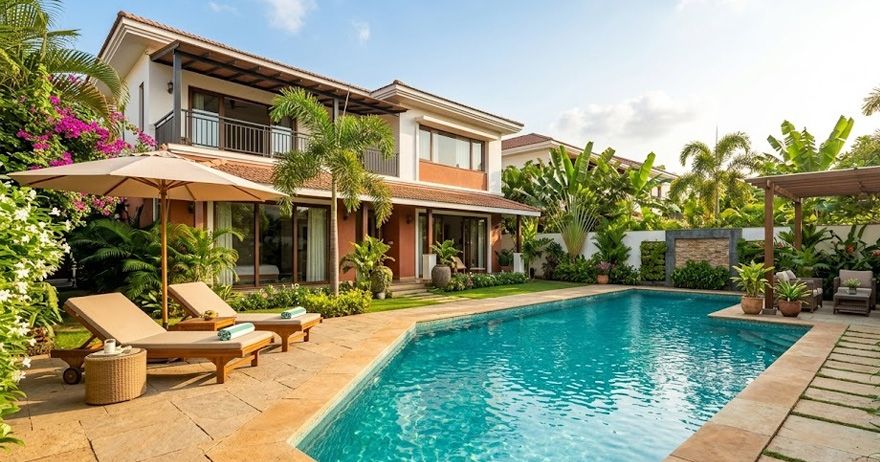
Planning a backyard swimming pool can add luxury, comfort, and value to your home, but it's important to understand the legal requirements, safety measures, and construction considerations before you begin. In India, regulations for residential swimming pools can vary depending on your city, local municipal authority, plot size, and building bylaws.
Along with approvals, homeowners should also prioritize child safety, proper fencing, drainage, electrical safety, and regular maintenance. In this guide, we'll explain the key rules, permissions, and essential safety practices to help you build a backyard pool that is both enjoyable and compliant.
Things to Know Before Building a Backyard Swimming Pool
Building a backyard swimming pool requires more planning than simply choosing a pool shape and size.
Check Your Plot and Available Space
Measure the available backyard area before deciding on the pool dimensions. Leave adequate space around the pool for circulation, safety barriers, equipment, maintenance access, and other outdoor activities.
Consider the Soil and Ground Conditions
A structural engineer or qualified professional may need to assess soil conditions before construction. Weak, expansive, or poorly compacted soil can create challenges for a permanent pool structure.
Plan Drainage Carefully
Pool water should not be allowed to accumulate around the house foundation or flow onto neighboring properties. The site should have an appropriate drainage strategy for overflow, cleaning, backwashing where applicable, and heavy rainfall.
Think About Sunlight and Orientation
A location with good sunlight can help make the pool more comfortable and may reduce dependence on artificial heating. At the same time, nearby trees should be considered carefully because falling leaves can increase cleaning requirements.
Plan Equipment Locations
Filtration pumps, filters, treatment equipment, electrical systems, and other components need accessible but appropriately protected spaces.
Check Local Requirements Early
Before construction begins, determine which permissions, drawings, setbacks, structural approvals, and other requirements apply to your property.
A good pool construction guide should cover the complete project, including approvals, structure, circulation, filtration, electrical systems, drainage, fencing, and maintenance.
Do You Need Permission to Build a Residential Pool?
There is no single nationwide approval process that applies identically to every residential pool in India. Requirements can vary based on Municipal corporation or local authority, development authority, State and local building regulations, plot location, property type, pool size and construction, setback requirements, structural changes to the property, drainage and wastewater arrangements, electrical installations and local environmental or water-related requirements.
A pool that is acceptable on one residential plot may face different requirements on another plot because local development regulations can differ. If you are searching for swimming pool permission India should therefore verify requirements with the authority governing their specific property rather than relying on generic online advice.
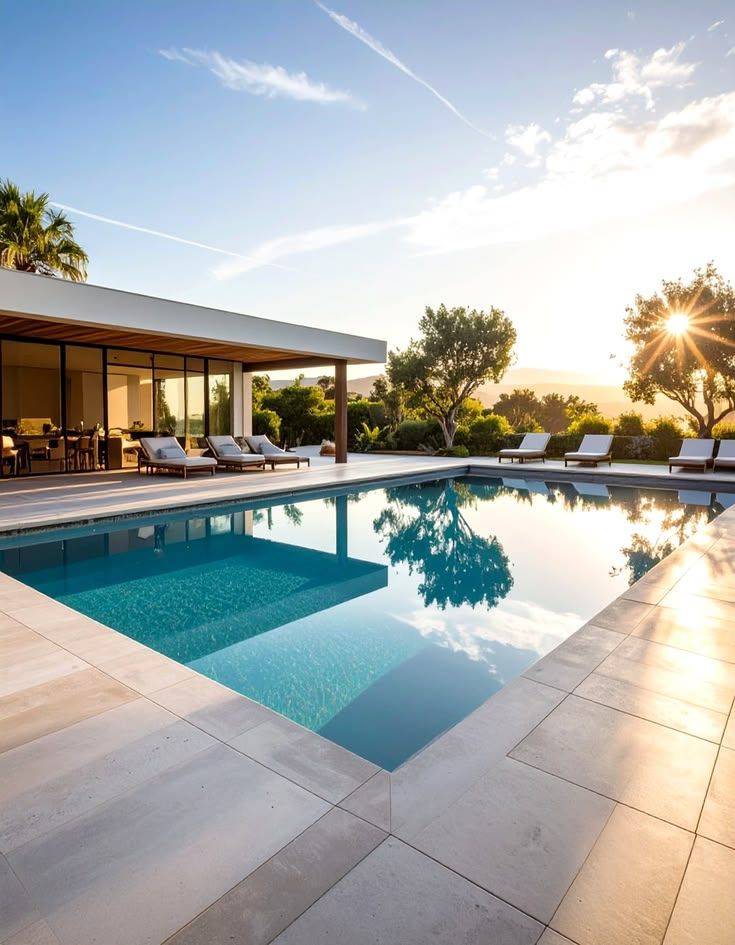
Local Building Rules and Municipal Guidelines
Understanding home pool regulations before construction can prevent expensive modifications later.
Setbacks and Property Boundaries
A pool may need to maintain a specified distance from property boundaries or neighboring structures. The applicable requirement should be confirmed with the relevant local authority.
Structural Safety
A permanent pool involves substantial loads from the water, structure, surrounding soil, and associated construction. Poor planning can potentially affect nearby foundations or structures.
Structural design should be handled by an appropriately qualified professional.
Drainage Requirements
Overflow and wastewater should be managed without creating nuisance, flooding, or damage to neighboring properties. The drainage strategy should account for India's monsoon conditions, particularly in areas that experience heavy seasonal rainfall.
Water Supply Considerations
Think about how the pool will be filled and topped up. Local water availability and applicable restrictions should be considered before choosing a large pool.
Documentation
Keep copies of approved drawings, where applicable, structural designs, contractor agreements, equipment specifications, product warranties, electrical documentation and maintenance instructions.
Essential Safety Features Every Backyard Pool Should Have
Backyard pool Safety should be incorporated into the pool design rather than added after construction.
- Secure Pool Boundary: A properly designed barrier can help restrict unsupervised access to the pool. The barrier should be difficult for young children to climb or bypass.
- Non-Slip Surfaces: Wet surfaces around a pool can become slippery. Choose suitable outdoor flooring and provide adequate drainage to reduce standing water.
- Safe Pool Entry and Exit: Steps, ladders, handrails, and other access features should be designed so users can enter and exit the pool safely.
- Adequate Lighting: Pool surroundings should be sufficiently illuminated for safe movement after dark. Electrical installations near water require appropriate protection and professional installation.
- Clearly Marked Depths: If the pool has different depths, clearly indicate them so swimmers know what to expect.
- Emergency Equipment: Keep appropriate rescue and first-aid equipment readily accessible. Household members should also know basic emergency procedures.
- Water Quality Management: Filtration and water-treatment systems should be maintained according to manufacturer recommendations. Poorly maintained water can create hygiene and health concerns.
These measures form the foundation of effective swimming pool safety and should be considered during the design stage.
Child Safety Around Home Swimming Pools
A thoughtfully planned backyard swimming pool in India should treat child safety as a fundamental design requirement rather than an optional feature.
Use a Secure Barrier
A suitable fence or barrier can help prevent children from entering the pool area without supervision. Gates should be secure and designed to prevent easy access by young children.
Never Rely on Swimming Ability Alone
Swimming skills do not eliminate the risk of drowning. Young children should be actively supervised whenever they are near or inside the pool.
Keep the Pool Area Clear
Remove toys, furniture, ladders, and other objects that children could use to climb over a barrier.
Establish Household Rules
Simple rules such as no running around the pool, no pushing or rough play, children must have adult supervision, follow depth and diving restrictions, keep emergency equipment accessible and avoid using the pool during unsafe weather conditions.
Consider Pool Alarms or Monitoring Systems
Depending on the property and family requirements, additional monitoring technology may provide another layer of protection.
Teach Basic Water Safety
Children should learn age-appropriate swimming and water-safety skills, but these should complement not replace active adult supervision.
Electrical, Plumbing, and Drainage Considerations
A pool depends on several interconnected systems beyond the pool structure itself.
Electrical Safety
Electrical installations near water require particular care. Pumps, lighting, filtration equipment, and other electrical components should be installed by qualified professionals using suitable protection and equipment designed for wet environments.
Plumbing and Filtration
A properly designed circulation system helps move pool water through the filtration and treatment equipment. Pipe sizing, pump capacity, filter selection, valves, and equipment positioning should be determined based on the pool's size and design.
Drainage and Overflow
Pool surroundings should be designed so rainwater and accidental overflow do not collect around the pool or house foundation. It is particularly important in areas that experience heavy monsoon rainfall.
Maintenance Requirements for a Safe Pool
A residential swimming pool should have a regular maintenance schedule covering both the water and physical components.
Water Testing
Check water parameters at appropriate intervals and maintain them according to the treatment system and manufacturer recommendations.
Filtration and Circulation
Filters should be inspected and cleaned as required. Pumps and circulation systems should also be checked regularly for unusual noise, leaks, or reduced performance.
Pool Surface Cleaning
Remove leaves, dirt, and other debris from the water and surrounding areas. Regular cleaning reduces the load on the filtration system.
Inspect Safety Equipment
Periodically check fencing, gates, ladders, handrails, lighting, covers, and other safety features.
Damaged or loose equipment should be repaired promptly.
Professional Inspection
Periodic inspection by qualified professionals can help identify structural, electrical, plumbing, or equipment problems before they become major issues.
Common Mistakes to Avoid When Building a Backyard Pool
Poor planning can make a pool more expensive, difficult to maintain, or less safe.
- Starting Construction Without Checking Local Rules: Confirm applicable approvals, setbacks, and building requirements before excavation.
- Making the Pool Too Large: A larger pool requires more construction material, water, energy, cleaning, and maintenance.
- Ignoring Drainage: Poor drainage can lead to waterlogging around the pool and nearby structures.
- Choosing Design Over Safety: An attractive Swimming pool design should still provide safe access, adequate barriers, suitable surfaces, proper lighting, and effective drainage.
- Poor Equipment Planning: Leaving insufficient space around pumps, filters, and plumbing equipment can make future servicing unnecessarily difficult.
- Using Unsuitable Electrical Installations: DIY electrical work around a pool can create serious safety risks. Use appropriately qualified professionals.
- Forgetting Ongoing Costs: Account for cleaning, water treatment, electricity, repairs, equipment replacement, and periodic professional servicing.
Cost Factors to Consider Before Installation
The cost of a backyard pool varies significantly depending on the pool type, size, construction method, location, soil conditions, finishes, equipment, and additional features.
| Cost Factor | What Can Affect the Cost |
|---|---|
| Pool size | Larger pools require more excavation; structure; finishes; water; and equipment |
| Excavation | Soil type; access; depth; and site conditions |
| Structure | Construction method; reinforcement; concrete; waterproofing; and engineering |
| Finishes | Tiles; coping; edging; and surrounding flooring |
| Filtration | Pump; filter; circulation equipment; and associated plumbing |
| Electrical work | Pool lighting; pumps; controls; and safety equipment |
| Drainage | Site drainage; overflow management; and stormwater requirements |
| Safety features | Fencing; gates; covers; alarms; and emergency equipment |
| Landscaping | Decking; plants; seating; lighting; and outdoor features |
| Maintenance | Cleaning; water treatment; electricity; repairs; and equipment servicing |
Final Thoughts
A backyard swimming pool in India can become a valuable addition to a home when it is planned around safety, local requirements, practical maintenance, and the property's specific conditions. Before construction, verify applicable swimming pool rules India with your local authority rather than assuming that requirements are identical across cities.Most importantly, don't treat safety as an afterthought.