



What Are Corner Windows?
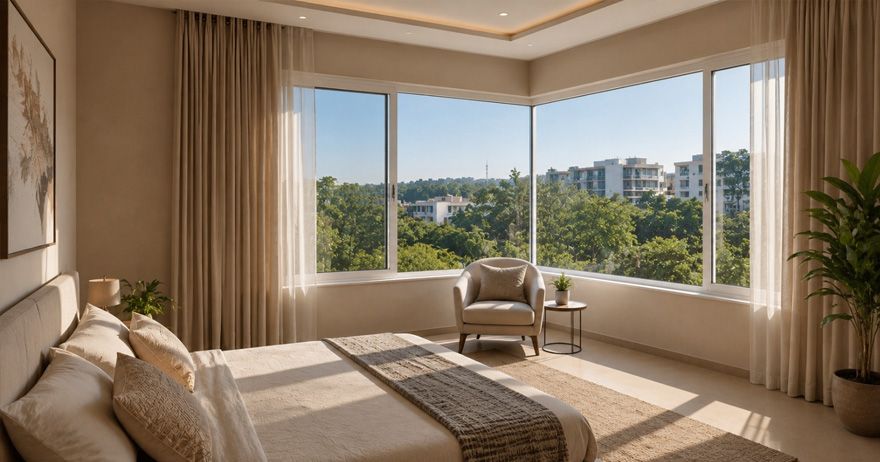
Corner windows, as the name suggests, are openings installed at the corners of a building, with two glass panes adjacent to each other, with or without a mullion or corner post, allowing light and views from two directions.
The earliest concept of a corner window dates to the late 19th century and featured two glass panes joined by load-bearing bricks. Architect Frank Lloyd Wright challenged this convention in the early 20th century. He believed that architecture should not confine people within rigid, box-like spaces, but instead create environments that felt open, connected, and alive. This philosophy led to what he famously described as the "destruction of the box."
One of the most powerful expressions of this idea was the corner window. By replacing a solid corner with glass, Wright dissolved the visual boundary between two walls, allowing natural light to enter from multiple directions while extending views beyond the room. The result was an interior that felt brighter, larger, and more closely connected to its surroundings.
Benefits of Corner Windows in Modern Homes
Corner windows have become a defining feature of contemporary architecture, offering a unique blend of aesthetic appeal and functional advantages:
Enhanced Natural Light and Brightness
Unlike standard windows set into a single wall, corner windows capture sunlight from two different directions. This dual exposure means that light enters at various angles throughout the day, illuminating the space more effectively and for longer periods.
In practical terms, interiors with corner windows can be brightened by up to 30% more effectively than those with traditional window layouts. The increased daylight not only enhances the space's visual appeal but also profoundly impacts occupants' well-being, as natural light is known to improve mood, boost energy, and create a more welcoming, comfortable atmosphere, even during the shorter days of winter.
Panoramic Views and Indoor-Outdoor Connection
Corner windows excel at breaking down the visual barriers between a home's interior and its surroundings. By extending the glass across two adjacent walls, often without a visible structural column in mullion-free designs, these windows offer expansive, panoramic views.
This feature is particularly striking in homes situated in picturesque locations, such as near gardens, forests, lakes, or mountains. The ability to fully showcase the outside view creates a strong indoor-outdoor connection, allowing residents to enjoy nature from the comfort of their living spaces.
Spatial Perception and Aesthetic Elegance
The architectural impact of corner windows extends beyond light and views; they significantly alter the perception of space within a room. The effect of "opening" the corner of a house with transparent surfaces creates an illusion of expanded space, enlarging a room’s appearance and making it feel more open than it actually is. This is particularly advantageous in smaller interiors where maximising the sense of space is crucial.
Improved Ventilation and Air Quality
While fixed corner windows are popular for their uninterrupted views, operable corner windows offer the added benefit of improved ventilation. Windows equipped with casement or sliding mechanisms allow cross-ventilation, improving airflow throughout the room. Invaluably, this feature helps to maintain a healthy indoor environment, particularly during warmer months or in rooms prone to moisture accumulation, such as kitchens and bathrooms.
Energy Efficiency and Economic Value
The increased natural light provided by corner windows can lead to tangible energy savings. With spaces illuminated by sunlight for longer periods, there is a significant reduction in the need for artificial lighting, which can translate to lower electricity bills and a smaller carbon footprint.
Furthermore, installing corner windows can enhance a property's market value. The unique architectural appeal, combined with the functional benefits of increased light and space, makes homes with corner windows highly attractive to potential buyers.
Popular Corner Window Design Ideas
Only if your home layout permits, don’t hesitate to try a corner window and make the most of it. There are a variety of corner window combinations you can choose from IndiFrame and convert your corner into a cosy reading nook, living lounge, work set-up, or sleeping haven. We have suggested a few inspirations we have picked from the internet.
Best Rooms to Install Corner Windows
In our view, every type of room, except storage, is best for installing corner windows. Storage rooms need to protect items from direct sunlight, heat, and moisture; therefore, installing corner windows can warm the space, which can ruin stored items.
But for the rest, you get expansive views, abundant light and ventilation depending on the typology of your corner window. While living rooms, bedrooms, and study rooms are best suited for corner windows, there’s no stopping you from having them in rooms like kitchens and bathrooms. But keep in mind that, even for ultra-luxury homes, kitchen layouts are designed less frequently than living, bedroom, study, and even bathroom layouts to accommodate corner windows. Unless you have the liberty to build your home the way you want to.
Choosing the Right Glass and Frame for Corner Windows
This can be the trickiest part when choosing the right glass and frames for corner windows. The performance of a corner window depends as much on its glass as it does on its frame. Since corner windows often feature larger glazed areas and greater exposure to sunlight, wind, and rain, choosing the right combination is essential for comfort, durability, and energy efficiency.
| Component | Recommended Option | Best For | Ideal Rooms |
|---|---|---|---|
| Frame | uPVC Frame | Excellent thermal insulation weather resistance low maintenance and durability | All |
| Toughened Glass | Heat-treated safety glass | High strength and impact resistance | Living room kitchen dining room staircase balcony and patio-facing spaces |
| Laminated Glass | Multi-layer safety glass | Enhanced safety security UV protection and noise reduction | Bedroom children's room home office media room and street-facing living room |
| Double-Glazed Unit (DGU) | Two panes of glass separated by an insulating air gap | Superior thermal insulation acoustic comfort and energy efficiency | Master bedroom living room home office study room nursery and entertainment room |
Corner Windows vs Traditional Windows
| Feature | Corner Windows | Traditional Windows |
|---|---|---|
| Location | Installed at the junction of two adjoining walls wrapping around the building corner | Installed on a single wall with no glazing around the corner |
| Natural Light | Allows daylight to enter from two directions creating brighter interiors | Admits light from one direction only |
| Views | Offers wider panoramic views with fewer visual obstructions | Provides a view limited to the wall where the window is installed |
| Ventilation | Can capture breezes from multiple directions and when operable with another opening enhances cross-ventilation | Provides ventilation from a single façade and relies on additional openings for effective cross-ventilation |
| Sense of Space | Makes rooms feel larger more open and visually connected to the outdoors | Creates a more enclosed feel with clearly defined wall boundaries |
| Architectural Appeal | Creates a modern premium and striking façade | Offers a classic conventional appearance suitable for most building styles |
| Structural Requirements | Requires specialised structural design corner support and precise installation | Simpler structural detailing and easier to install |
| Privacy | Greater openness may require thoughtful placement or window treatments in urban settings | Easier to manage privacy since glazing is confined to one wall |
| Cost | Typically higher due to specialised glazing framing and installation | Generally more economical and widely available |
| Best Suited For | Contemporary homes luxury residences villas scenic locations and spaces that prioritise views and daylight | Homes apartments offices and projects where functionality budget and simplicity are the primary considerations |
Design Considerations Before Installing Corner Windows
Structural Support and Rigidity
The paramount structural integrity of a building , and corner windows, especially large-format or mullion-free designs, require specialised structural support. Unlike traditional windows that are typically set within a load-bearing wall, corner windows often replace a structural corner, requiring careful engineering.
Thermal Performance and Insulation
One of the primary challenges with corner windows is ensuring adequate thermal insulation. The geometry of the corner unit can create a thermal bridge, leading to a higher heat transfer coefficient than that of standard windows. This results in increased heat loss during colder months and potential overheating during warmer periods. Selecting glazing units with superior thermal insulation properties is crucial. Options like double-glazed windows can significantly improve thermal and acoustic insulation.
Installation Complexity and Cost
Installing corner windows is generally more complex and costly than installing standard windows due to their custom shape, unique design, and the need for specialised techniques.
With IndiFrame, Glass-to-Glass Corner Windows start at ₹500 per sq. ft.
Privacy Concerns
The expansive views offered by corner windows, while desirable, can also reduce privacy, especially in densely built-up areas. The increased field of view from the interior also means a wider view inwards for those outside. Planning for appropriate window treatments, such as blinds, shades, or curtains, is essential for managing privacy as needed.
Sun Protection and Overheating
While increased natural light is a benefit, large corner glazing can also lead to excessive sunlight and potential overheating in interior spaces, particularly in rooms with significant sun exposure.
Window Type and Functionality
The choice between fixed and operable corner windows impacts both functionality and performance. Fixed Corner Windows do not open but provide excellent sunlight and often superior thermal and acoustic insulation due to the lack of opening mechanisms. They are ideal where the priority is an unobstructed view and maximum light, rather than ventilation.
Operable Corner Windows can be fitted with various mechanisms (casement or sliding) to improve air circulation and ease of access. They are beneficial for improving ventilation, especially in kitchens or bathrooms. However, mullion-free designs often cannot be opened, which is a functional limitation to consider.
Planning and Lead Time
Due to their specific construction and customisation requirements, corner windows demand thorough planning and can have longer lead times for production and installation.
Common Mistakes to Avoid with Corner Window Designs
Underestimating Structural Requirements
One of the most critical mistakes is failing to adequately plan for the structural support required by corner windows. Unlike standard windows, which are typically integrated into existing load-bearing walls, corner windows often replace a structural corner, demanding specialised engineering.
Neglecting Thermal Performance and Insulation
Corner windows, by their very nature, can be a thermal envelope’s (of a building) weak point if not properly designed and installed. The geometric configuration of the corner can create thermal bridges, leading to heat loss or gain.
Inadequate Installation and Craftsmanship
The complexity of corner window installation means that poor workmanship can lead to numerous problems, compromising both performance and longevity.
Failing to Plan for Privacy and Sun Control
While the expansive views and abundant natural light are major benefits, failing to consider the orientation of the windows relative to sun exposure and neighbouring properties can lead to overheating, glare, and a lack of privacy, especially in densely populated areas.
Overlooking Functionality and Maintenance
The desire for a sleek, minimalist aesthetic can sometimes overshadow practical considerations like ventilation and maintenance. Like choosing fixed (non-opening) corner windows in areas where ventilation is crucial (e.g., kitchens, bathrooms) or where access for cleaning is needed. Also, consider the maintenance of large glass surfaces.
Final Thoughts
Pondering upon the 100-year-old philosophy of Frank Lloyd Wright that American architecture should express democratic ideals rather than imitate European traditions, and that to him, open plans, flowing spaces, and corner windows reflected equality, openness, and a new way of living suited to modern American society. This influenced global architecture such that today, Corner Windows are a thing and are noted for glass-facade commercial spaces. If your abode’s layout permits installing corner windows, do not stop at that; make sure you keep all of the above points in mind.