


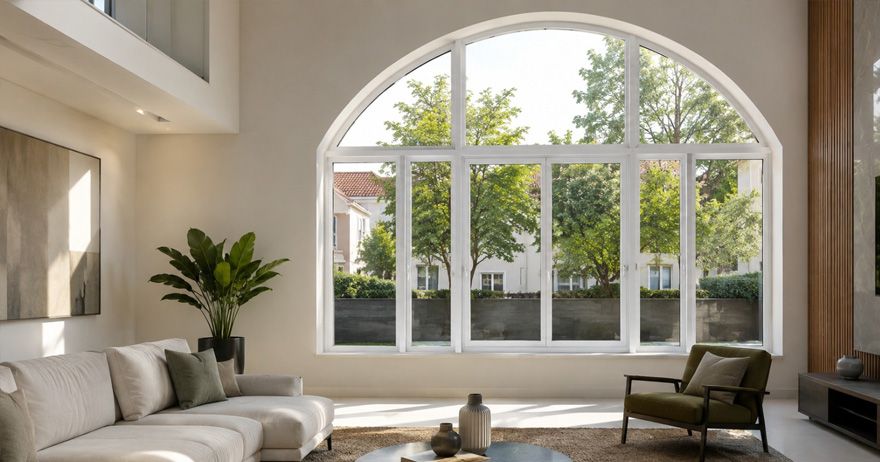
What Are Custom Windows?
Custom Windows are made-to-measure/bespoke windows that require stepping away from the regular, standardised measurements, manufacturing and installation methods. This differs from combination windows, which, even when customisation in style and size is needed, must remain within standardised rectangular, square, and arch styles. But with custom windows, the limit goes beyond shape and surface, requiring a higher level of technical discipline and leaving no room for error—for instance, a triangular window on a curved wall.
Why Choose Custom Windows Instead of Standard Windows?
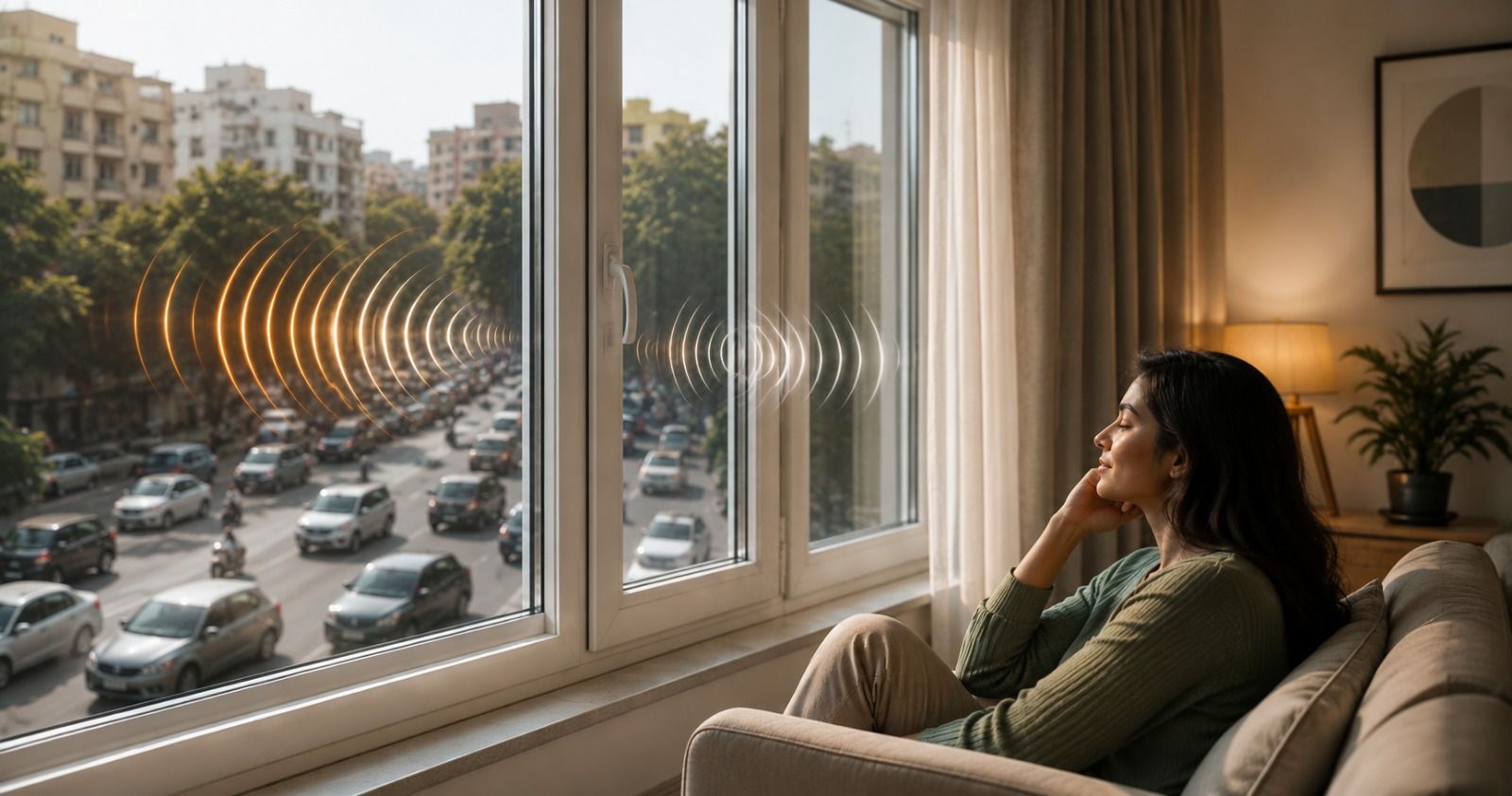
Custom windows make sense for those houses that allow you to be creative with your vision and make sense architecturally. There is nothing like it being meant only for bigger homes, or that, just because it's in a certain shape, it will leak noise and sound, or that privacy can be an issue due to a lack of curtains or blinds to cover the window. Besides, with frames made of uPVC and a multi-locking system, you get the benefits of thermal and noise insulation, security and water-leak-proof performance. While custom windows may be more expensive than standard windows, they are worth it if you are building a new home or renovating an existing one with unique wall structures and openings.
Popular Custom Window Shapes
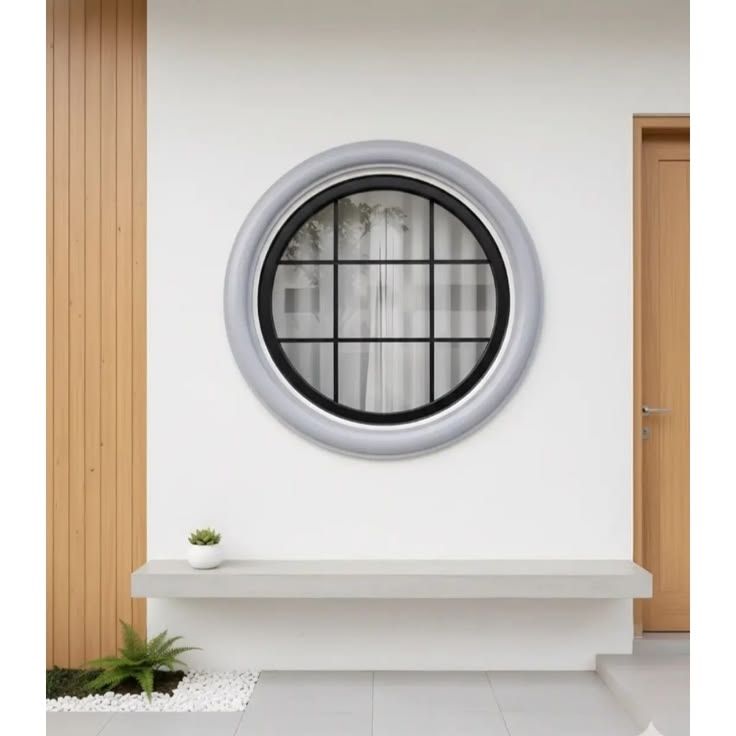
Custom Circular Windows
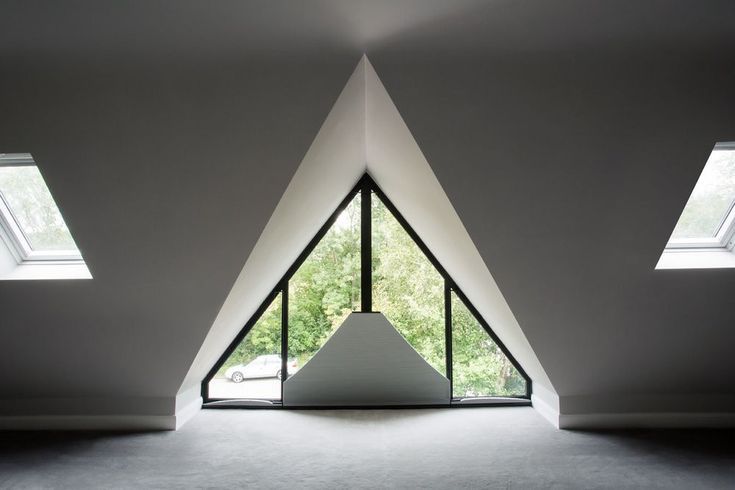
Custom Triangular Windows
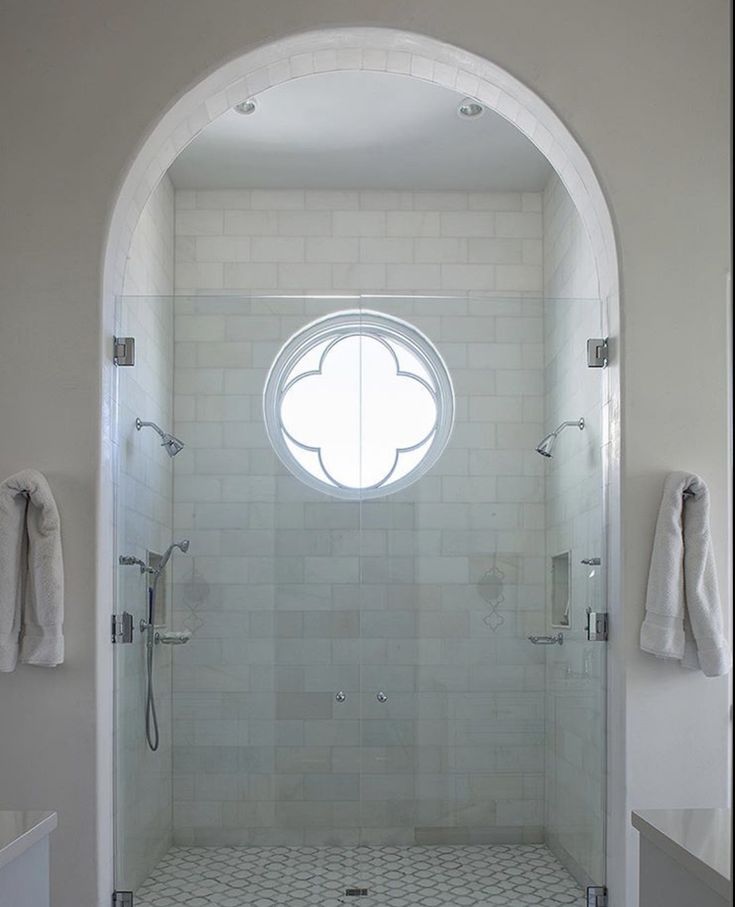
Custom Four-Leaf Clover Windows
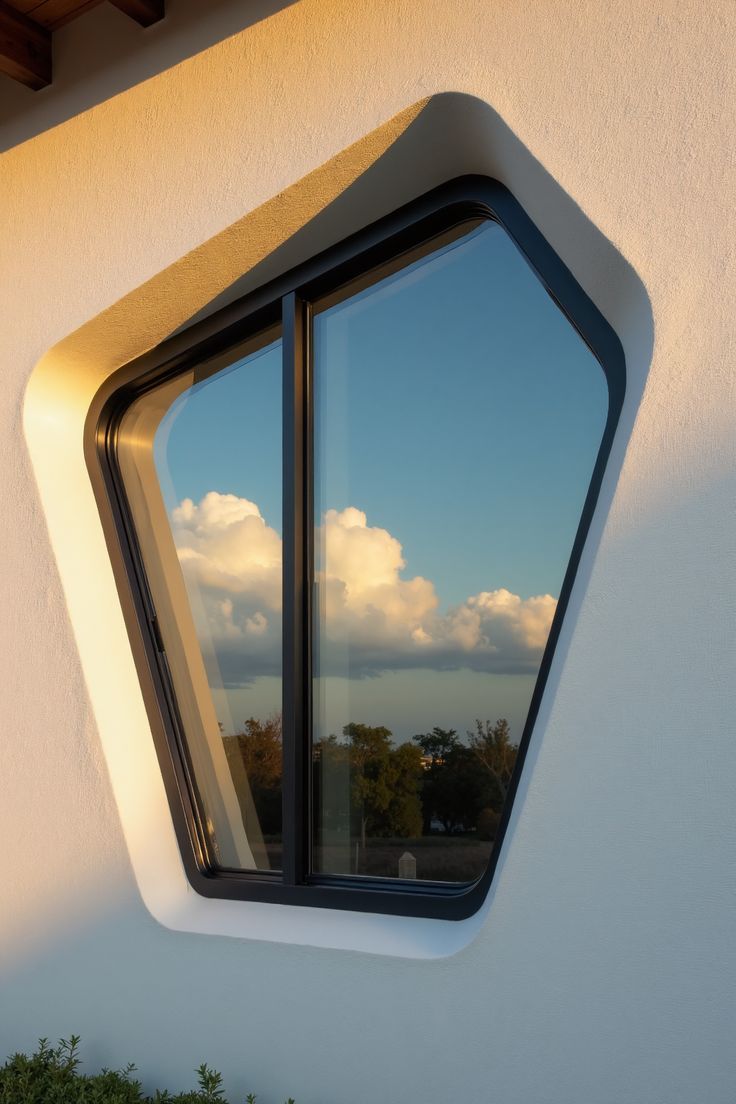
Custom Asymmetrical Pentagon Windows
Custom Window Sizes for Different Spaces
Custom window sizes can be designed for different spaces. Still, the ideal dimensions depend on the room, wall opening, ventilation needs, furniture placement, and the amount of natural light you want.
For example:
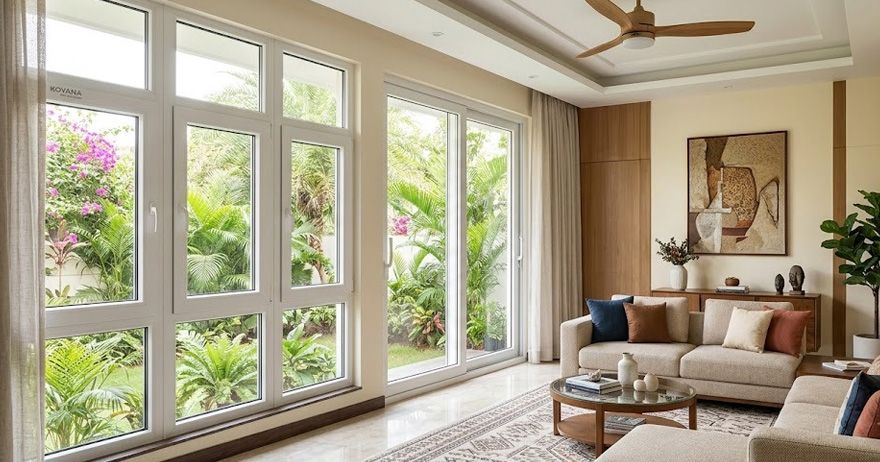
- Living room: Larger windows or wide combinations to maximise daylight and views.
- Bedroom: Medium-sized windows that provide ventilation and light without compromising privacy.
- Kitchen: Smaller, strategically placed windows, often above the counter.
- Bathroom: Compact windows, frequently with frosted or privacy glass.
- Staircase: Tall or narrow windows can bring in light without taking up much wall space.
- Study/Home office: A well-positioned window can provide natural light while avoiding screen glare.
- Utility area: Smaller ventilator-style windows are usually sufficient.
The important distinction is that custom size doesn't mean there are no design or manufacturing limits. The final dimensions depend on the profile system, sash size, glass specification, hardware, structural opening and the type of window you choose.
Combination Window Designs and Configurations
Read uPVC Combination Window Types & Designs: Complete Guide for Modern Homes.
Glass, Frame, and Finish Customisation Options
For customisation that requires higher technical discipline, it's always recommended to go for laminated glass (whether toughened or non-toughened) or DGU glass (toughened if it's for larger windows, and non-toughened if it's for smaller windows)
For frames, we highly recommend uPVC as it has exceptional durability, superior thermal and acoustic insulation, and requires virtually no maintenance. They withstand extreme weather without rotting, rusting, or fading, making them a cost-effective, long-lasting choice for custom windows.
Common Mistakes to Avoid When Ordering Custom Windows
1. Measuring the Opening Incorrectly
Custom windows are made to fit a specific opening, so even a small measurement error can create problems during installation. The opening itself, installation gap, and final window dimensions all need to be considered before placing the order.
2. Picking a Size Without Looking at the Room as a Whole
A window might fit the wall perfectly but still feel wrong once furniture, circulation, ventilation, privacy, and daylight are taken into account. This is particularly important for bedrooms, kitchens, bathrooms, and smaller spaces where every inch matters.
3. Not Considering the Window’s Weight and Operation
The larger or more complex a custom window becomes, the more important it is to consider how easily it can be operated. Oversized sashes and heavier glass can put greater load on the hardware, so the glass specification and hardware need to be chosen together with the window’s size and opening style.
4. Going Too Far With Customisation
Custom windows should complement the architecture rather than feel like a separate element added to it. The shape, proportions, style, and detailing need to work with the building's overall character—whether the design is modern, traditional, minimalist, or more ornate. At the same time, highly unusual shapes, oversized dimensions, or complicated combinations can make fabrication, operation, installation, and maintenance more challenging. The goal is to find a balance between architectural expression and practical functionality.
5. Finalising the Design Before Discussing Feasibility
A drawing may look straightforward, yet the actual window can involve several technical considerations that aren't obvious from the design. Discussing the proposed dimensions, shape, opening style, glass, hardware, and installation requirements with the manufacturer beforehand can prevent changes later.
Are Custom Windows Worth the Investment?
Custom windows are worth the investment if your home has non-standard or irregular openings, historical architectural details, or if you prioritise a precise seal to maximise energy efficiency. However, for standard openings where budget is the main concern, mass-produced stock options are more cost-effective.
Final Thoughts
Custom windows give you the freedom to move beyond standard sizes and designs, allowing every detail—from shape and proportions to glass, frame, finish, and opening style—to work with your space. But true customisation is not simply about making a window different. It requires careful consideration of the architecture, room requirements, structural opening, glass weight, hardware, operation, installation, and long-term performance. The best custom window is one that brings your design vision to life without compromising practicality, durability, or functionality.
So, if your space calls for something beyond the standard, take the time to plan the details and discuss the feasibility before finalising your design. Whether you're working with an unusual opening, a distinctive architectural style, or want a window that is uniquely yours, talk to IndiFrame and bring your custom window vision to life.