


Choosing the most secure uPVC door is essential for protecting your home without compromising on style or functionality. While all quality uPVC doors are designed with durability in mind, different door types offer varying levels of security depending on their frame design, locking system, hardware, and intended use. From casement and French doors to sliding and slide & fold doors, each option has its own strengths and ideal applications.
In this guide, we'll compare the security features of every major uPVC door type, explain what really makes a door secure, and help you choose the best option for your home's entrance, balcony, or patio.
What Makes a uPVC Door Secure?
The security of a door depends on far more than the material used. While uPVC is naturally durable and weather-resistant, the overall protection comes from a combination of the frame, reinforcement, locking mechanism, glazing, and installation quality. High-quality uPVC door security is achieved when all these components work together.
Some of the most important security features include reinforced steel or galvanized inserts inside the frame, multi-point locking systems, heavy-duty hinges, toughened or laminated safety glass, anti-lift mechanisms, secure glazing beads and professional installation.
A well-manufactured, most secure uPVC door combines these features to provide excellent protection against forced entry while at the same time maintaining smooth operation.
Casement uPVC Doors: The Benchmark for Home Security
Among all uPVC door types, casement doors are widely regarded as one of the safest options for residential properties. Unlike sliding systems, casement doors close tightly against the frame. So it is highly resistant to forced entry. If you wonder why casement doors are highly secure, then look at their key benefits such as compression sealing around the frame, strong frame construction, excellent weather sealing, secure hinge placement and multiple locking points.
Modern uPVC casement doors typically use advanced locking systems that engage the frame at several locations simultaneously. Therefore they are significantly more difficult to force open than conventional single-lock doors. For homeowners prioritizing safety, casement doors remain one of the strongest candidates for the best uPVC door. The below table shows the best application of casement uPVC doors.
| Location | Suitability |
|---|---|
| Main Entrance | 5 out of 5 |
| Back Door | 5 out of 5 |
| Garden Access | 5 out of 5 |
| Utility Room | 4 out of 5 |
Sliding uPVC Doors: Security Features and Limitations
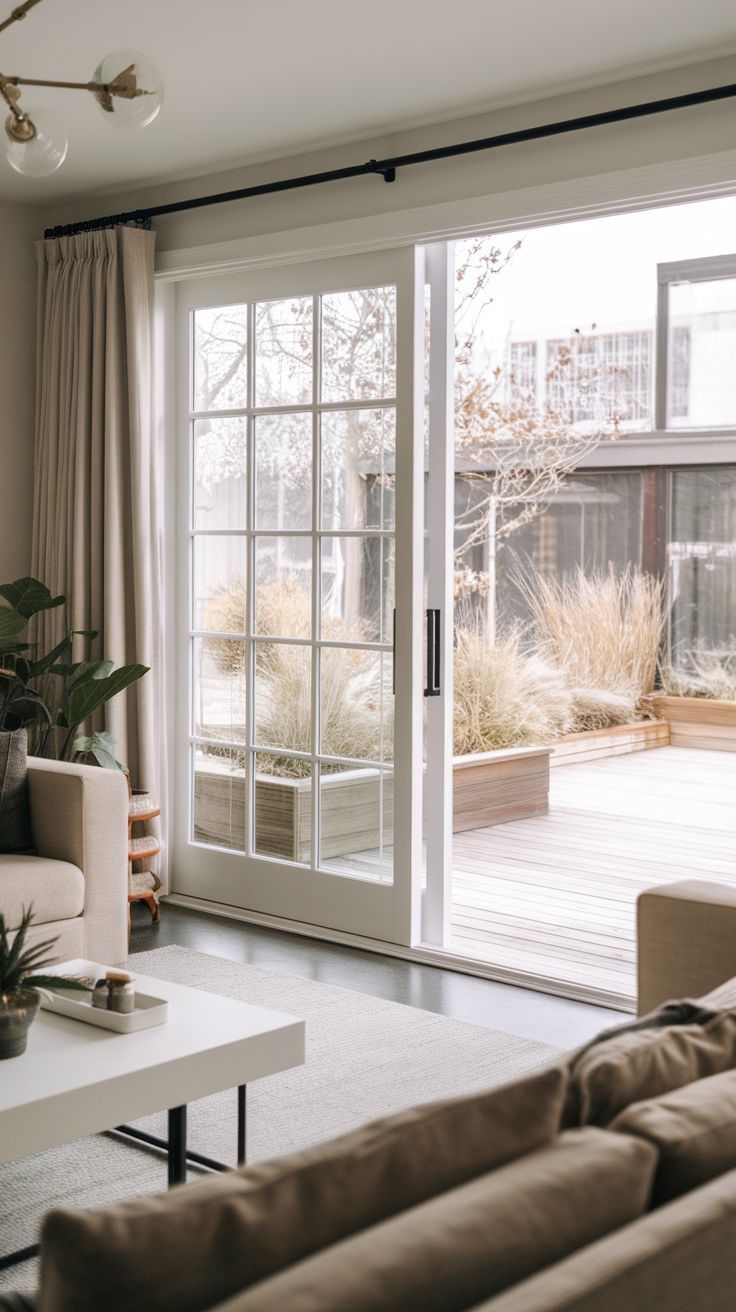
Sliding doors are an excellent choice for maximizing natural light and saving space. However, because they move horizontally on tracks rather than sealing against the frame, their security characteristics differ from hinged doors. Modern uPVC sliding doors have improved considerably with stronger locking mechanisms and reinforced frames. Some of their security features include multi-point locking options, anti-lift rollers, reinforced interlocks, toughened safety glass, heavy-duty rollers and strong aluminum or steel reinforcement.
The major advantages of sliding uPVC doors are space-saving operation, large glass panels, smooth movement and excellent outdoor views. Also the limitations include slightly fewer locking points compared to hinged doors, security depends heavily on hardware quality and requires proper track maintenance. For balconies, patios, and garden access, premium sliding doors equipped with quality locking systems provide reliable security while maintaining a sleek appearance.
French uPVC Doors: Style with Strong Protection
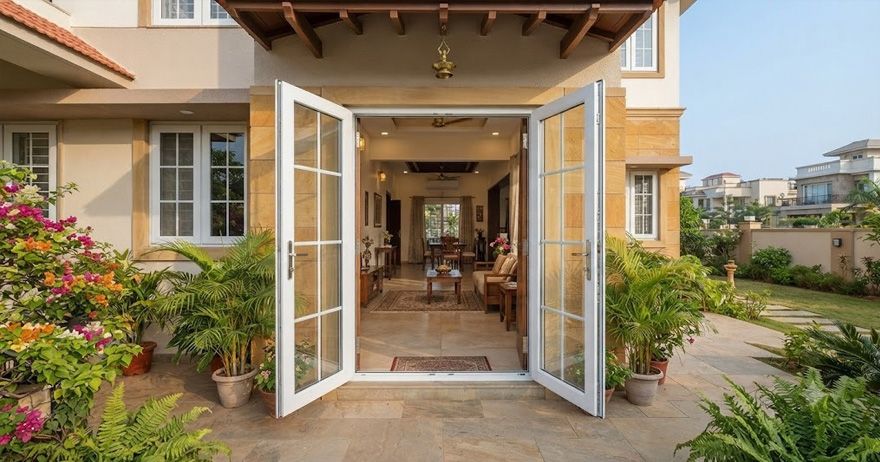
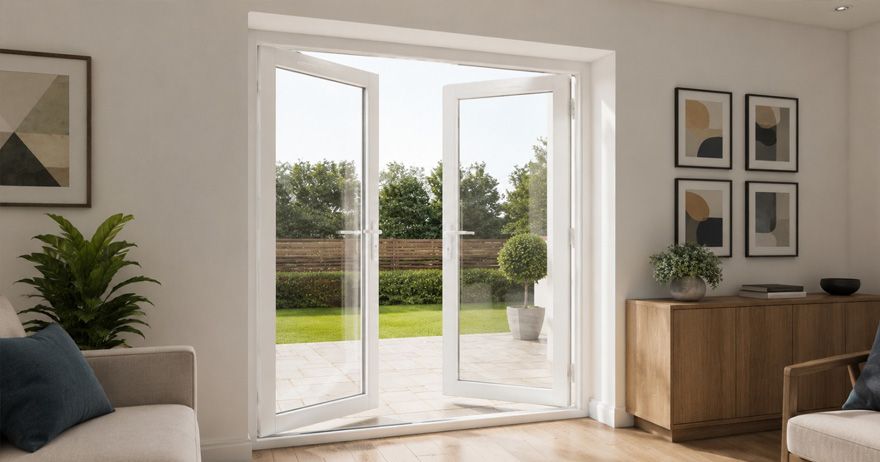
French doors combine elegance with functionality, and that makes them a popular choice for balconies, patios, and garden entrances. Although they feature two opening panels, modern uPVC French doors are engineered with advanced locking systems that provide excellent security. Some of their security features include full-length locking systems, reinforced frames, heavy-duty hinges, toughened or laminated glazing and secure center mullion locking.
Choosing quality hardware and professional installation ensures French doors perform securely while maintaining their timeless appeal.The table below shows the features and advantages of the French uPVC doors.
| Feature | Advantage |
|---|---|
| Double Opening | Wide access and improved ventilation |
| Elegant Appearance | Enhances traditional and modern homes |
| Large Glass Panels | Maximizes daylight |
| High Security | Strong locking mechanisms |
Slide & Fold uPVC Doors: Security for Large Openings
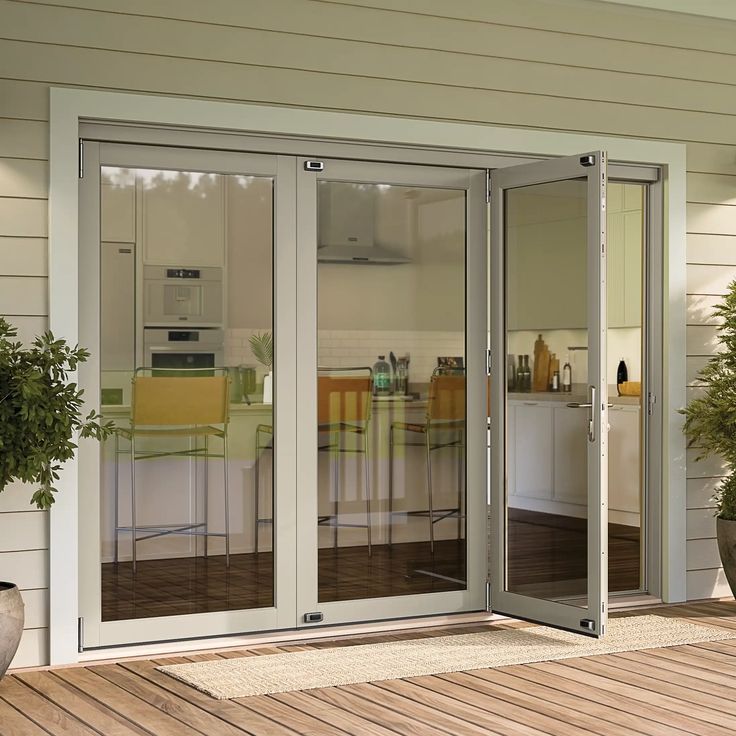
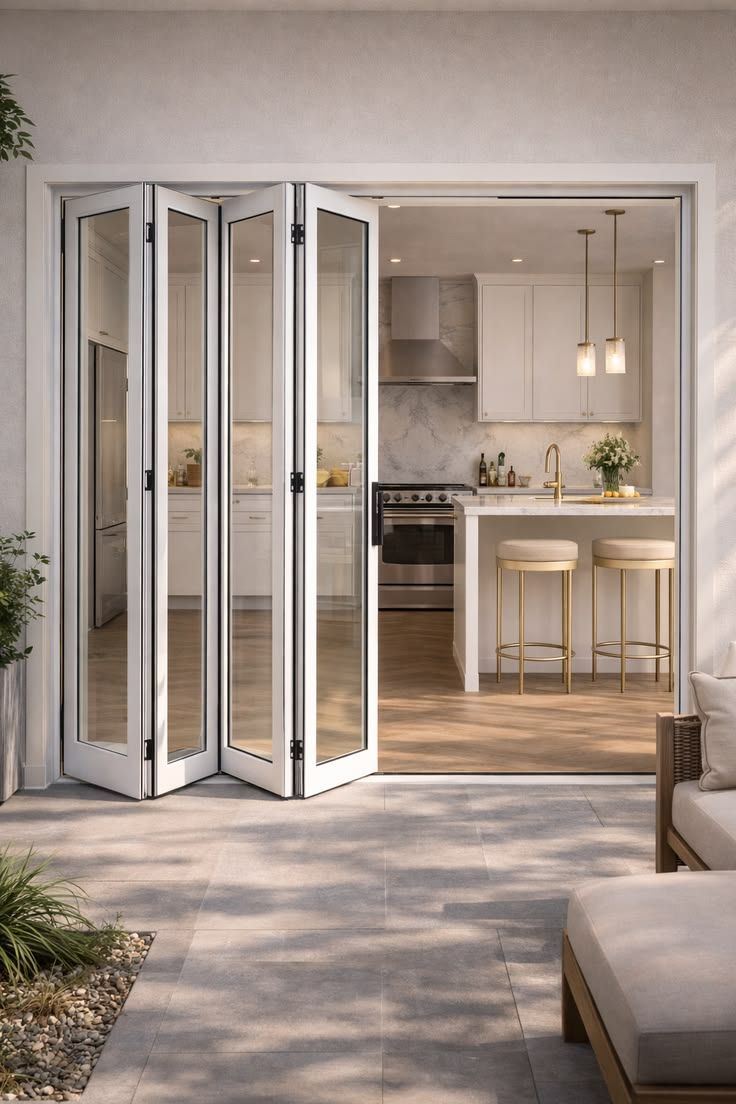
Also known as bi-fold systems, uPVC slide and fold doors are designed for large openings that connect indoor and outdoor spaces. These systems consist of multiple interconnected panels that fold neatly to one side, creating wide unobstructed openings. Some of their security features include multi-point locking on the main panel, reinforced tracks, heavy-duty hinges, secure locking handles and toughened safety glass.
It is perfect to place on the large balconies, garden openings, luxury villas, entertainment areas and patio entrances. Although these systems contain multiple moving panels, modern engineering allows them to deliver excellent security when manufactured with premium components and installed correctly.
Lift and Slide uPVC Doors: Premium Security and Performance
Lift and slide doors are considered one of the most advanced door systems available for modern homes. Unlike standard sliding doors, the operating mechanism lifts the door panel slightly before it slides, reducing friction and creating a tighter seal when locked. This premium design improves security, insulation, and ease of operation, making it an excellent choice for large openings in luxury homes.
Some of their security features include heavy-duty reinforced frames, advanced locking systems, precision-engineered sliding mechanism, superior weather sealing, toughened or laminated safety glass and anti-lift protection. It suits excellently on the luxury villas, large patios, garden-facing living rooms, premium balconies and wide terrace openings. Although they are generally more expensive than conventional sliding doors, lift and slide systems provide excellent long-term security, comfort, and durability.
Comparing Security Across Different uPVC Door Types
Each door style offers different levels of protection depending on its design, locking system, and intended application. The table below compares the security performance of the most common uPVC door options.
| Door Type | Security Level | Best Application | Key Advantage |
|---|---|---|---|
| Casement Door | 5 out of 5 | Main entrance and back entrance | Tight compression seal and multiple locking points |
| Sliding Door | 4 out of 5 | Balcony and patio | Space-saving with reinforced locking systems |
| French Door | 4 out of 5 | Garden and patio | Elegant appearance with full-length locking |
| Slide & Fold Door | 4 out of 5 | Large openings | Wide opening without compromising security |
| Lift & Slide Door | 5 out of 5 | Luxury homes and terraces | Premium locking system with superior sealing |
For most residential applications, the most secure uPVC door is typically a well-manufactured casement or lift and slide system equipped with reinforced frames and quality hardware.
Essential Security Features to Look for Before Buying
Regardless of the door style you choose, certain features are essential for ensuring maximum protection. High-quality secure uPVC doors combine all these features to deliver reliable protection while maintaining excellent energy efficiency and weather resistance.The following checklist can help you evaluate any uPVC door before purchasing.
| Security Feature | Why It Matters |
|---|---|
| Multi-point locking doors | Locks the door at multiple points making forced entry much more difficult |
| Steel Reinforcement | Improves frame strength and rigidity |
| Toughened or Laminated Glass | Increases impact resistance and safety |
| Heavy-Duty Hinges | Supports the door securely and prevents sagging |
| Anti-Lift Mechanism | Stops sliding panels from being lifted off their tracks |
| Secure Glazing Beads | Makes removing the glass from outside more difficult |
| Quality Hardware | Ensures smooth operation and long-term durability |
| Professional Installation | Prevents alignment issues that can compromise security |
Common Security Mistakes Homeowners Make
Avoid these below common mistakes when selecting and installing uPVC doors.
- Choosing Price Over Quality: Low-cost doors may use weaker frames, inferior hardware, and basic locking systems that reduce overall security.
- Ignoring Locking Systems: A strong frame alone isn't enough. Always choose doors with multi-point locking mechanisms.
- Selecting Ordinary Glass: Standard glass is easier to break than laminated or toughened safety glass.
- Poor Installation: Even the highest-quality door can become vulnerable if it isn't installed correctly.
- Skipping Regular Maintenance: Dirty tracks, worn locks, and loose hinges can reduce both performance and security over time.
- Using Balcony Doors as Main Entrances: Patio and balcony doors should be selected based on their intended use and security requirements.
- Ignoring Frame Reinforcement: Internal steel reinforcement significantly improves resistance to forced entry.
Final Thoughts
Selecting the right uPVC door involves balancing security, functionality, aesthetics, and long-term durability. Whether you are installing uPVC entrance doors for your main entry, upgrading patio access, or designing a modern balcony, choosing the most secure uPVC door depends on the door type, locking system, reinforcement, glazing, and installation quality. By investing in high-quality materials and advanced security features, you can enjoy peace of mind while enhancing the beauty and functionality of your home.