



The average house construction timeline in India ranges from 8 to 18 months depending on the project size, design complexity, labour availability, weather conditions, and material procurement. The process typically includes planning and approvals, site preparation, foundation work, structural construction, masonry, plastering, electrical and plumbing installations, flooring, painting, and final finishing. Understanding each construction stage helps homeowners plan budgets, track progress, and avoid costly delays during the building process.
How Long Does It Take to Build a House in India?
One of the most common questions homeowners ask is, how long does it take to build a house? For a standard independent house, the complete house construction timeline generally falls between 8 and 18 months.
For a house of 1,000 to 2,000 square feet on a single plot, the new house construction timeline typically runs between 10 and 14 months from design sign-off to handover. Smaller homes with straightforward designs and experienced contractors can be completed in 8 to 10 months. Larger villas, houses with basements, or projects with complex architectural features can take 18 months or more. The actual average time to build a house in India depends on several project-specific factors.
Factors That Affect House Construction Timelines
Before looking at the construction stages, it is important to understand the various factors that influence the schedule.
Plot Size
Larger plots typically require more excavation, more foundation work, more structural volume, and more construction effort across every stage. A plot on a narrow lane that restricts material vehicle access will add time to every stage that requires bulk material delivery.
House Design Complexity
Simple rectangular homes are generally faster to construct than homes with multiple levels, custom elevations, courtyards, or complex structural features. Architectural complexity in elevations and interiors affects the time for masonry, plastering, and finishing.
Labour Availability
Labour shortages can significantly affect progress. In many Indian cities, skilled masons, carpenters, tilers, and painters work across multiple projects simultaneously. So if one gets delayed, the entire house construction timeline extends.
Weather Conditions
Heavy monsoons, extreme summer temperatures, and unexpected weather events can slow down construction activities as concrete and plastering work cannot proceed in heavy rain. A project that misses the dry season window for slab work may face a three to four month delay.
Material Procurement
Delays in sourcing steel, cement, tiles, windows, doors, or custom finishes often impact the overall house construction timeline. Even a few imported hardware or tiles have to be ordered well in advance to get rid of delay.
The step-by-step residential construction timeline India for a standard independent house is given below.
Stage 1: Planning, Design and Approvals
A strong house construction planning guide starts with proper documentation and approvals before any work begins on-site.
Activities include:
- Architectural design
- Structural drawings
- Budget planning
- Municipal approvals
- Utility approvals
- Contractor selection
Estimated Time: 1 to 3 Months
Stage 2: Site Preparation and Excavation
Once approvals are complete, the site is prepared for construction. Proper excavation is critical for ensuring structural stability.
Work includes:
- Site clearing
- Security fencing
- Boundary marking
- Excavation work
- Soil preparation
- Temporary utility setup
- Water connection
Estimated Time: 1 to 2 Months
Stage 3: Foundation Construction
The foundation supports the entire building and its quality has a direct impact on the long-term durability of the home.
Activities include:
- Footing construction
- Reinforcement placement
- Concrete pouring
- Foundation curing
Estimated Time: 2 to 4 Weeks
Stage 4: Plinth Beam and Ground Floor Structure
After foundation completion, plinth beams are installed to distribute structural loads evenly. This stage directly affects the ease of wall construction, door and window placement later in the house construction timeline.
Work includes:
- Plinth beam casting
- Filling and compaction
- Ground floor preparation
- Damp-proofing measures
Estimated Time: 2 to 4 Weeks
Stage 5: Wall Construction and Masonry Work
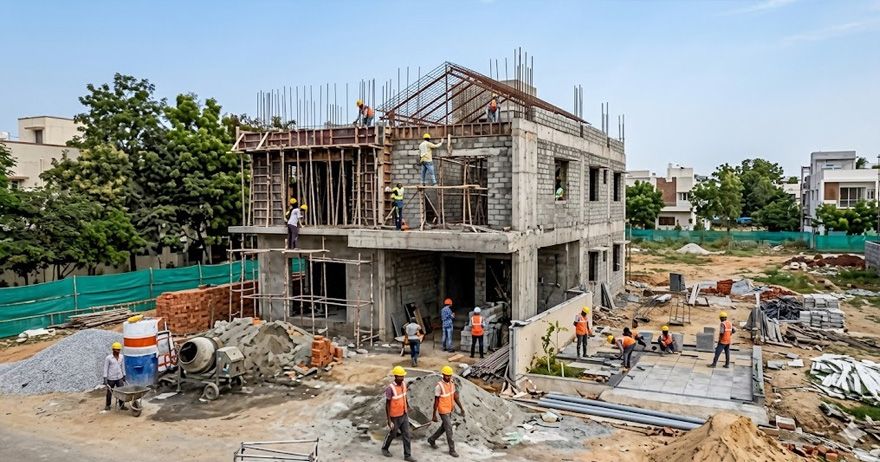
Wall construction is the time-consuming and visible parts of the step by step house construction process. This stage gives homeowners their first real sense of progress.
Activities include:
- Brickwork
- Block masonry
- Internal partition walls
- Door and window openings
Estimated Time: 4 to 8 Weeks
Stage 6: Roof Slab and Structural Completion
Once the walls are completed, the roof structure is constructed. For multi-storey homes, this process is repeated floor by floor.
Work includes:
- Reinforcement work
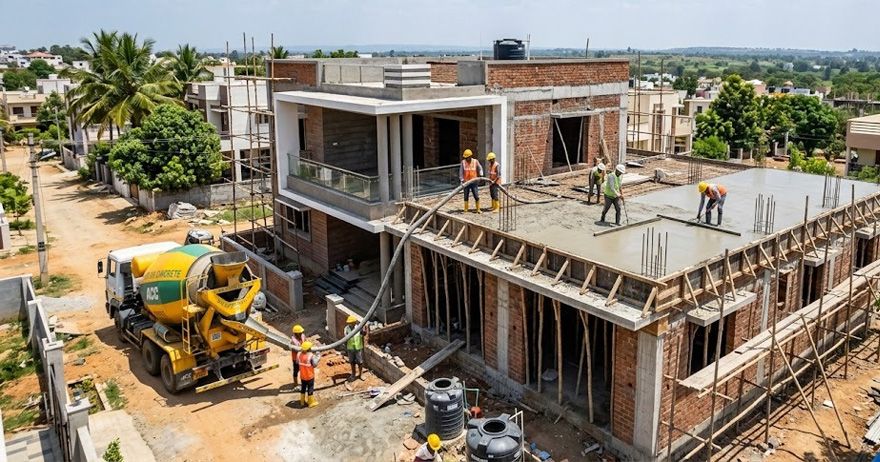
- Concrete slab casting
- Staircase construction
- Structural curing
Estimated Time: 3 to 6 Weeks
Stage 7: Electrical and Plumbing Installation
Before walls are finished, concealed services must be installed. Proper coordination at this stage prevents expensive modifications later.
Activities includes:
- Electrical conduits
- Wiring routes
- Plumbing pipelines
- Drainage systems
- Water supply lines
Estimated Time: 2 to 4 Weeks
Stage 8: Plastering and Waterproofing
Plastering creates smooth wall surfaces and prepares the home for finishing work. Among the house construction stages explained, this is one of the most important for long-term durability.
Work includes:
- Internal plastering
- External plastering
- Waterproofing treatment
- Terrace protection
- Bathroom waterproofing
Estimated Time: 3 to 6 Weeks
Stage 9: Window and Door Installation
After plastering, windows and doors are installed. Proper installation improves security, insulation, weather-tight, and overall aesthetics.
Activities includes:
- Frame installation
- Shutter fitting
- Hardware installation
- Glass fixing
- Sealing and adjustments
Estimated Time: 1 to 3 Weeks
Stage 10: Flooring and Tiling Work
Once major structural work is complete, flooring begins. Material selection can influence both timelines and budgets.
Common activities include:
- Tile installation
- Stone flooring
- Bathroom tiling
- Skirting work
- Grouting
Estimated Time: 2 to 5 Weeks
Stage 11: Painting and Interior Finishes
The painting stage transforms the structure into a livable home and often takes longer because of the number of finishing details involved.
Work includes:
- Wall putty
- Primer application
- Painting
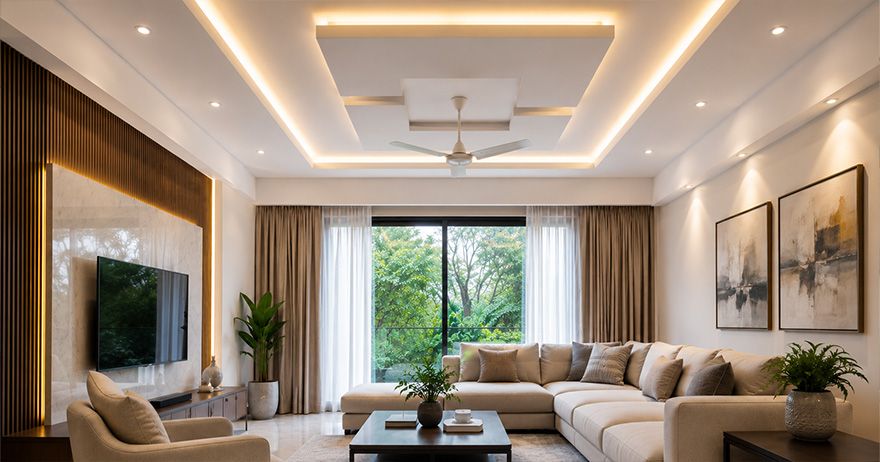
- False ceiling work
- Modular installations
- Fixtures and fittings
Estimated Time: 3 to 6 Weeks
Stage 12: Final Inspection and Handover
The final stage focuses on quality checks and project completion. This marks the completion of the home construction timeline from start to finish.
Inspections typically cover:
- Plumbing functionality
- Electrical systems
- Waterproofing performance
- Door and window operation
- Surface finishes
- Safety compliance
Estimated Time: 1 to 2 Weeks
Common Causes of Construction Delays
Even well-planned projects can also face delays. Some of the common issues are given below.
- Approval delays
- Labour shortages
- Material supply problems
- Design changes during construction
- Weather disruptions
- Cash flow challenges
- Contractor coordination issues
Most delays can be minimized through careful planning and regular site monitoring.
Tips to Complete Construction on Time
When you follow a clear house building process checklist, it keeps projects on schedule.
| Plan | What to Do | Benefits |
|---|---|---|
| Design | Finalise all drawings before breaking ground | Prevents mid-construction design changes that require rework |
| Approvals | Submit building plan early and track status weekly | Approval delays cannot be recovered once construction begins |
| Procurement | Order long lead-time items at design stage | Custom windows imported fixtures and tiles need 4 to 8 weeks lead time |
| Scheduling | Build a milestone schedule with the contractor before work begins | Creates shared accountability and early warning of slippage |
| Monsoon planning | Schedule structural work in dry season | Avoids 2 to 3 month monsoon disruptions to concrete work |
| Payment terms | Link payments to verified milestone completion | Keeps contractor engaged and reduces risk of labour diversion |
| Site visits | Visit at least weekly during active construction | Catches problems early before they become expensive corrections |
| Supervision | Engage a project manager or site supervisor | Daily site presence maintains pace and quality when homeowner is not present |