



Why Accurate Window Measurement Is Important?
Precise calculation of window dimensions is fundamental to both manufacturing and installation processes. Accurate window measurements directly influence the window's fit, frame alignment, hardware operation, and glass sizing. Furthermore, they are critical to key performance factors such as watertightness, airtightness, thermal efficiency, and sound insulation. Proper measurements also play a vital role in minimising site modifications, reducing material waste, preventing delays, and avoiding long-term performance issues related to window-fitting measurements.
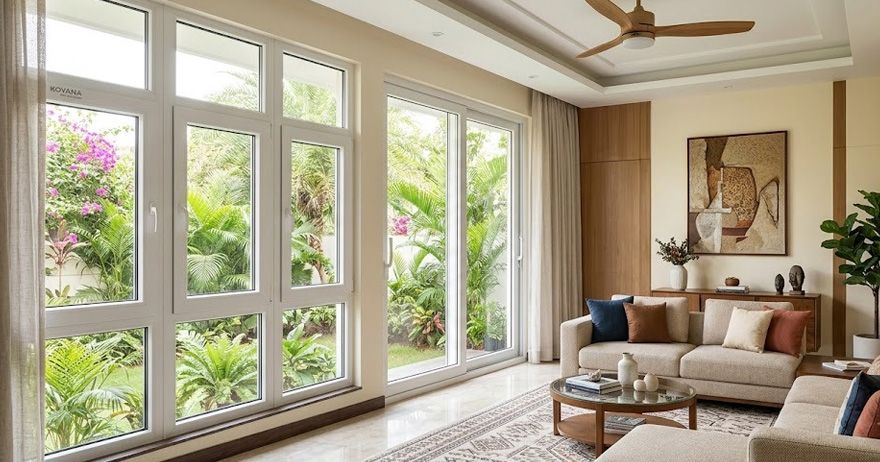
Beyond mere dimensions, the optimal window size and configuration are influenced by factors such as room use, ventilation, daylight requirements, furniture placement, movement within the space, and external site conditions. Considering these elements early in the process helps ensure the chosen window is both functional and perfectly suited to the space's specific needs.
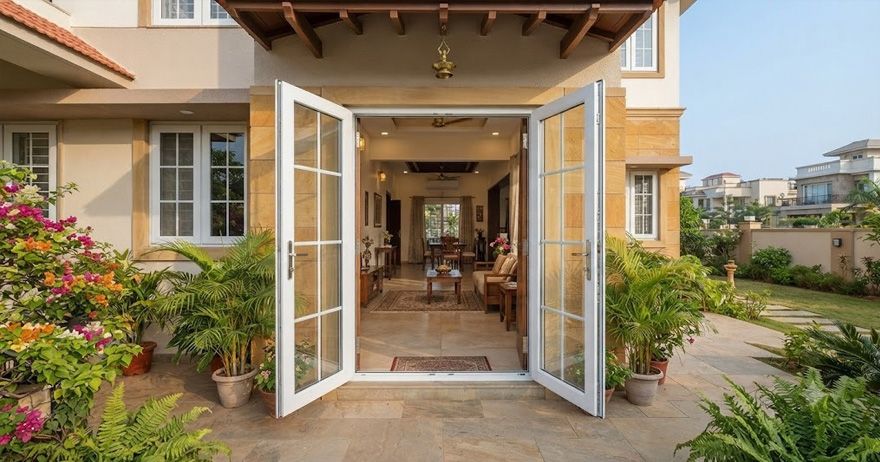
For instance, a casement window positioned beside a bed or wardrobe might have sufficient space for installation but lack the necessary clearance to open fully. Similarly, a living room window might be sized to maximise views and natural light, whereas a bathroom window would prioritise privacy and ventilation.
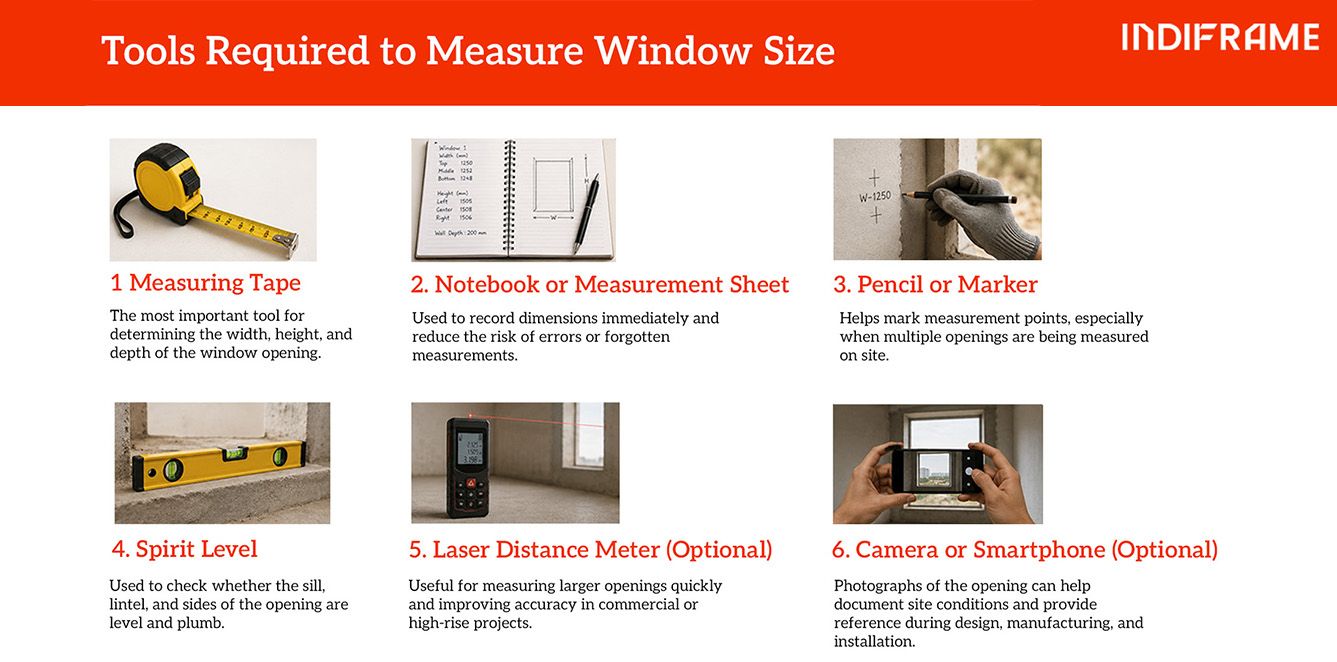
Tools Required to Measure Window Size
How to Measure the Width and Height of a Window Correctly?
Step 1: Understand the Requirements
Before taking any measurements, clearly identify the room's purpose, ventilation and daylight needs, privacy requirements, preferred window type, and any specific performance expectations, such as acoustic insulation or weather resistance.
Step 2: Measure the Opening
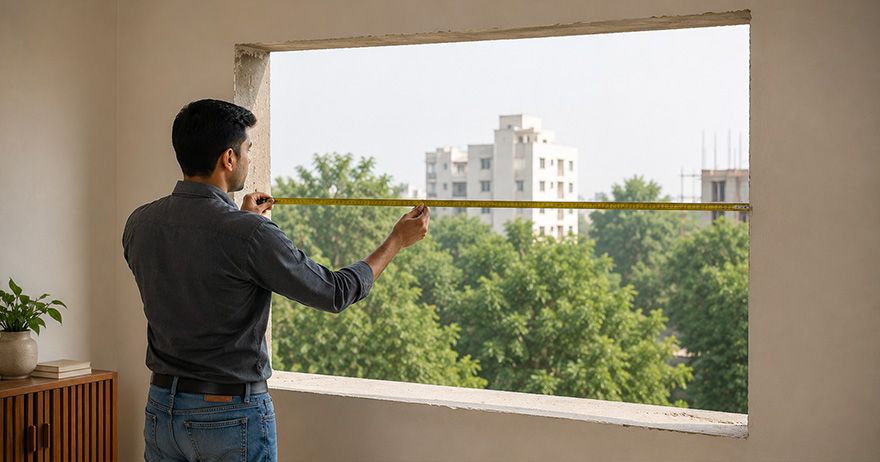
Take three measurements of the window opening’s width—at the top, middle, and bottom. Then measure the height at the left, centre, and right sides. Finally, measure both diagonals to verify if the opening is square.
Step 3: Assess the Wall and Cavity
Measure the wall thickness and inspect the internal and external reveals. This helps determine frame positioning, installation requirements, and finishing details.
Step 4: Inspect the Opening and Surroundings
Check the condition of the sill, jambs, and lintel, and note any structural constraints, furniture layouts, balconies, neighbouring buildings, service lines, or other factors that may affect the window's design and operation.
Step 5: Document and Verify
Record all dimensions, site observations, and photographs. Review the information carefully before finalising window specifications and manufacturing dimensions.
When to Call a Professional for Measurement?
If you are buying a bare-shell home, building, rebuilding, or renovating a house, professional involvement often becomes important well before the windows are manufactured. Drawings, site conditions, wall finishes, structural elements, and the intended use of each space influence window dimensions.
For older buildings, custom or large windows, configuration changes, finished interiors, multi-window projects, or projects with specific performance requirements, a site assessment helps identify factors that may not be apparent from dimensions alone and reduces the risk of manufacturing and installation issues.
Standard Window Sizes in India
Unlike doors, there is no single standard window size universally used across residential projects in India. Window dimensions are typically determined by factors such as room size, ventilation requirements, natural light, building design, and structural constraints.
Modern homes increasingly use custom-sized windows designed around the room's function, architectural intent, façade aesthetics, and performance requirements. As a result, final dimensions should always be based on project-specific needs rather than standard size charts alone.
Common Mistakes to Avoid While Measuring
How to measure window size accurately and avoid costly errors depends on whether you are mindful of these common pitfalls:
1. Assuming All Windows Are the Same Size
Even windows that appear identical can vary in size due to differences in construction, framing, and long-term settlement. Always measure each opening individually.
2. Measuring Old Blinds or Existing Treatments Instead of the Window Opening
Existing blinds, curtains, or other window treatments should not be used as a reference for window measurements. These products may have been adjusted during installation and often differ from the actual opening dimensions. Always measure the window opening itself to ensure accuracy.
3. Not Measuring in Multiple Locations
Window openings are not always perfectly square, and dimensions can vary from point to point. Measuring width and height at multiple locations helps identify these variations and reduces the risk of fitment and installation issues later.
4. Using the Wrong Measuring Tools
The choice of measuring tool significantly impacts accuracy. Fabric tapes, plastic rulers, or promotional tape measures can stretch, bend, or sag, leading to imprecise readings.
5. Bending the Tape Measure Inside the Window
Measurements should always be taken in a straight line across the opening. Bending or curving the tape measure can result in inaccurate readings and may not reflect the true dimensions of the window frame.
6. Rounding Off Fractional Measurements
Precision is critical in window measurement. Even a small amount like 1/8 inch can lead to ill-fitting window treatments. With custom orders, an incorrect measurement can be costlier.
7. Forgetting to Measure Window Depth
While width and height receive most of the attention, wall depth is equally important when selecting a window system. Measuring the available depth helps ensure the chosen frame, hardware, and installation method can be accommodated without requiring modifications to the opening.
8. Mixing Up Width and Height
This seemingly simple mistake can lead to ordering window treatments with incorrect dimensions, resulting in products that are too short and wide, or too tall and narrow.
9. Skipping a Final Measurement Review
After taking all the measurements, it's tempting to place an order right away. However, a final review can catch potential errors before production begins, which is particularly important for custom-made items.
Tips for Measuring Windows for Replacement
The window size measurement tips for window replacement remain the same; however, they require additional attention to the existing window and surrounding conditions.
Identify the Existing Window Type
Determine whether the replacement will follow the same configuration or involve a different window system.
Inspect the Existing Frame Condition
Look for signs of damage, settlement, corrosion, water ingress, or any deterioration that may affect the replacement process.
Check Compatibility with the New Window System
A replacement window may have different frame depths, hardware requirements, or installation methods that need to be accommodated within the existing opening.
Account for Existing Accessories and Obstructions
Consider grills, mosquito mesh, air-conditioning units, countertops, and other elements that may influence the design, installation, or operation of the replacement window.
Final Checklist Before Ordering Windows
Before placing an order, take a final moment to verify that all measurements, specifications, and site conditions have been reviewed. Addressing any discrepancies at this stage is significantly easier than making changes after manufacturing has begun.
A thorough review before ordering helps minimise revisions, avoids installation challenges, and ensures the selected windows align with both the design intent and site conditions.