



Choosing the right uPVC window type for each room can significantly improve ventilation, natural lighting, energy efficiency, and everyday comfort. Different spaces have different requirements like a bedroom needs privacy and noise reduction, a kitchen requires proper ventilation, while living rooms often benefit from larger windows with expansive views.
From sliding and casement windows to fixed, top-hung, combination, and corner windows, each design serves a specific purpose. This guide will help you match every room in your home with the ideal uPVC window type, ensuring the perfect balance of functionality, aesthetics, and long-term performance.
Why Choosing the Right Window Type Matters
Every room in a house has different lighting, ventilation, privacy, and accessibility requirements. So selecting the appropriate window style helps improve comfort at the same time reduce energy consumption and maintenance. Modern homeowners can choose from several types of uPVC windows, each designed for a specific purpose. Understanding where each type works best helps you create a home that is brighter, healthier, and more energy efficient.
Some of the key benefits of choosing the right window are they improve natural ventilation, maximize daylight, enhance energy efficiency, increase indoor comfort, reduce outside noise, improve home security and complement interior and exterior design. The right uPVC window types not only enhance functionality but also increase your home's long-term value.
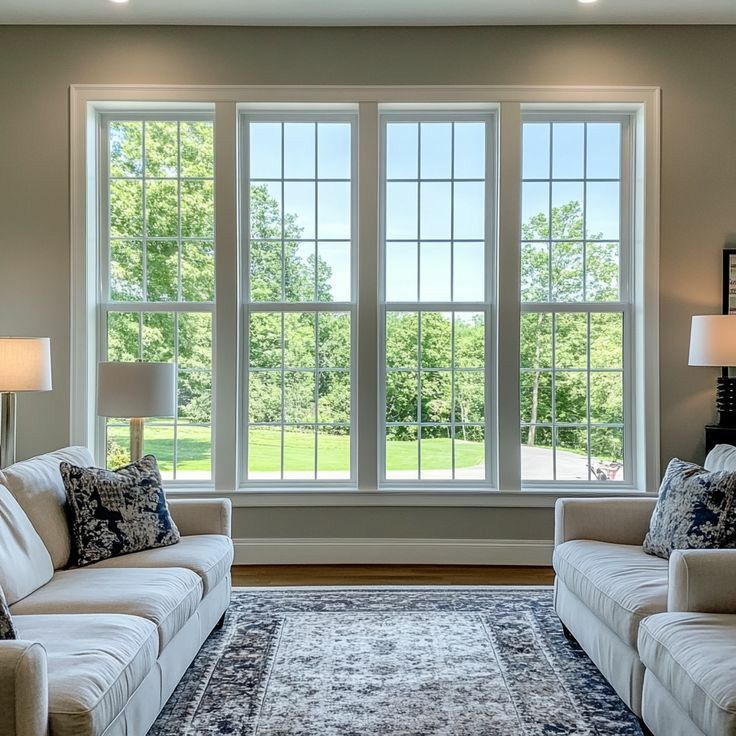
Best uPVC Windows for Living Rooms
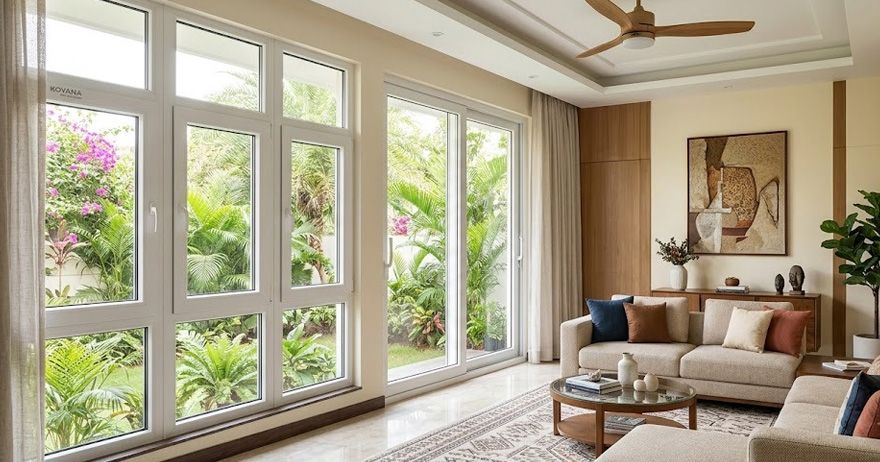
The living room is often the largest and most frequently used space in the house. It benefits from windows that allow abundant natural light. It creates an open and welcoming atmosphere. A uPVC window for living room should provide wide outdoor views, excellent ventilation, and an elegant appearance. Some of the recommended window types are sliding Windows, large Casement Windows, fixed Picture Windows and combination Windows. The key benefits of these window types are given below.
| Window Type | Benefits |
|---|---|
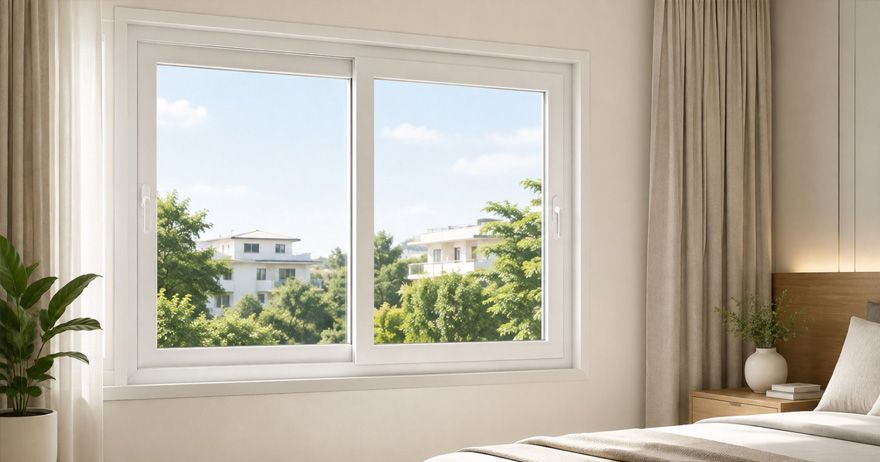
| Sliding Window | Saves space and offers wide views |
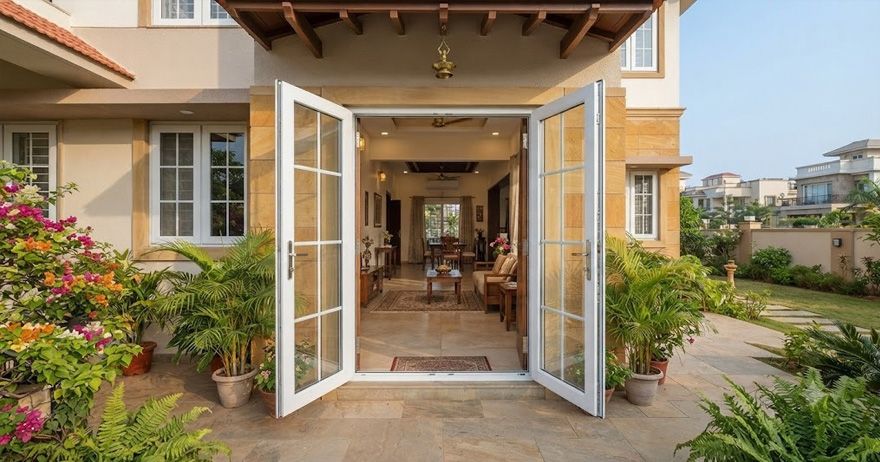
| Casement Window | Excellent ventilation and airtight sealing |
| Fixed Window | Maximizes natural light and scenic views |
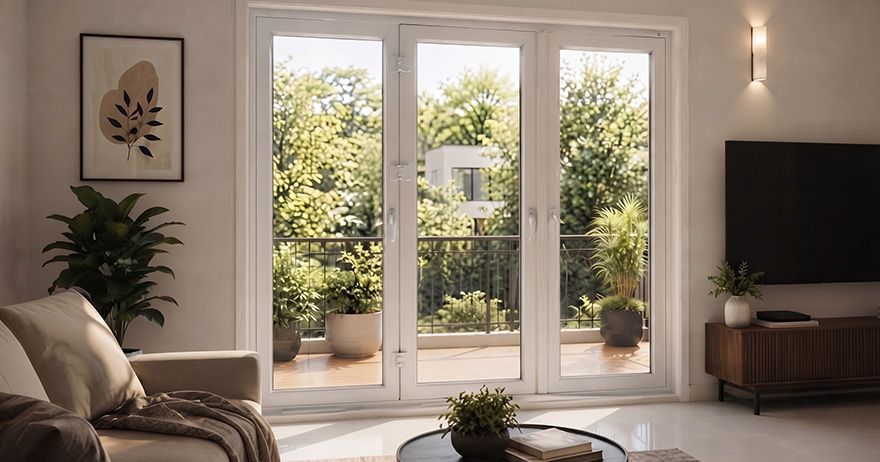
| Combination Window | Combines ventilation with large glass panels |
Large glass areas also make the living room appear brighter and more spacious. Many homeowners prefer modern uPVC windows with slim frames and large glazing panels to create a contemporary look while enjoying other practical benefits.
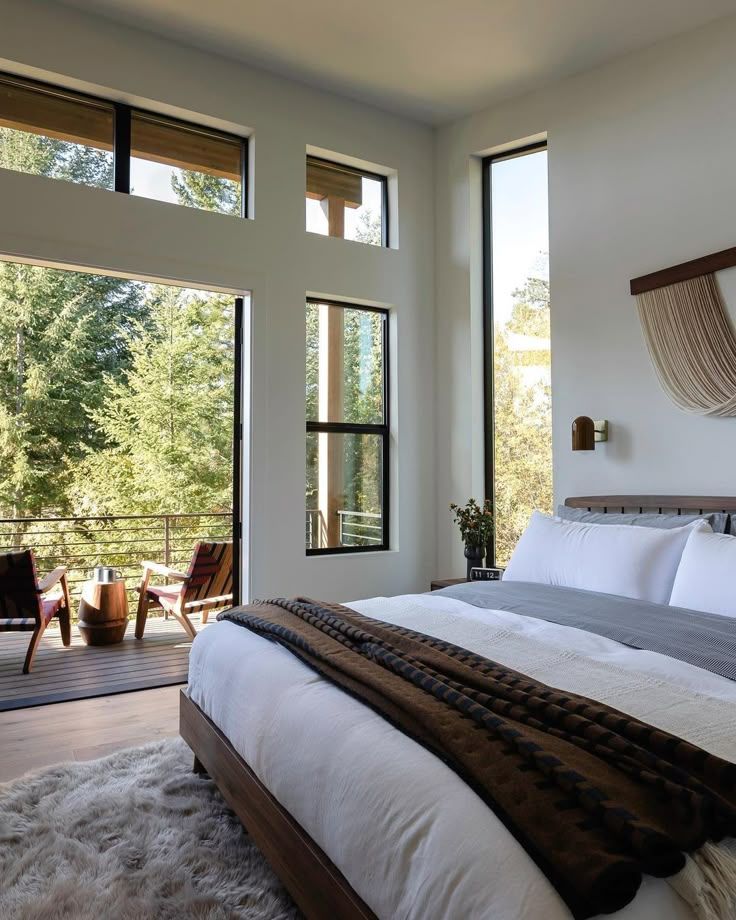
Best uPVC Windows for Bedrooms
Bedrooms require a balance between ventilation, privacy, comfort, and noise reduction. A thoughtfully selected uPVC window for bedroom should allow fresh air to circulate and also minimize outside disturbances. Some of the recommended window types are casement Windows, tilt-and-Turn Windows, sliding Windows and combination Windows.
The important features to look at in these uPVC window types for bedroom are double-glazed glass for sound insulation, secure locking systems, mosquito mesh compatibility, blackout curtain compatibility and energy-efficient glazing.
Proper window placement also improves cross-ventilation, simultaneously helping maintain comfortable indoor temperatures throughout the year. Bedrooms facing busy roads particularly benefit from insulated glazing combined with airtight uPVC frames.
Best uPVC Windows for Kitchens
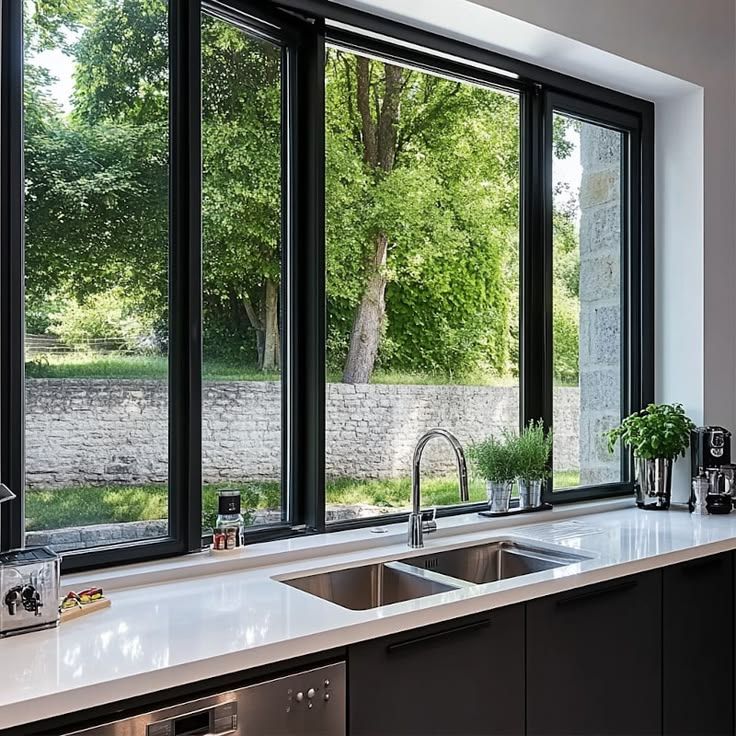
Kitchens generate heat, steam, smoke, and cooking odours throughout the day. It makes ventilation one of the most important considerations. A well-designed kitchen uPVC windows help remove moisture while improving airflow and indoor air quality. Some of the recommended window types are casement Windows, sliding Windows, top-hung windows and combination windows. The key benefits of these window types are given below.
| Window Type | Why It is Suitable |
|---|---|
| Sliding Window | Does not obstruct countertops |
| Casement Window | Maximum ventilation |
| Top-Hung Window | Can remain open during light rain |
| Combination Window | Balances airflow and daylight |
When selecting kitchen windows, consider easy cleaning, heat-resistant hardware, good ventilation, durable locking systems and space-saving operation. Large kitchen windows positioned above countertops create a brighter and more pleasant cooking environment.
Best uPVC Windows for Bathrooms and Utility Areas
Bathrooms and utility rooms require windows that provide privacy while allowing moisture to escape efficiently. Proper ventilation helps reduce condensation, mould growth, and unpleasant odours. The best uPVC bathroom windows generally include top-Hung Windows, tilt-and-Turn Windows, ventilator Windows and frosted Glass Casement Windows. The key benefits of these window types are given below.
| Window Type | Why It is Suitable |
|---|---|
| Sliding Window | Does not obstruct countertops |
| Casement Window | Maximum ventilation |
| Top-Hung Window | Can remain open during light rain |
| Combination Window | Balances airflow and daylight |
Because uPVC is water-resistant and requires very little maintenance, it is an excellent material for bathrooms, laundry rooms, and utility spaces. For maximum privacy, pair uPVC frames with frosted or textured glass instead of clear glazing.
Best uPVC Windows for Balconies and Staircases
Balconies and staircases often receive abundant natural light. Therefore they are considered best for locations for larger windows. However, these spaces also require durability, safety, and weather resistance. The best uPVC windows for balconies and staircases should maximize ventilation while offering unobstructed views and easy operation. Some of the recommended window types are sliding Windows, fixed Picture Windows, combination Windows, corner Windows and top-Hung Windows. The key benefits of these window types are given below.
| Window Type | Best Application |
|---|---|
| Sliding Window | Balconies with limited opening space |
| Fixed Window | Staircases requiring maximum daylight |
| Combination Window | Large balcony openings |
| Corner Window | Modern homes with panoramic views |
| Top-Hung Window | Ventilation without rain entering |
Large windows brighten staircases during the day, reducing the need for artificial lighting and improving overall energy efficiency.
How to Choose the Right Glass and Frame for Each Room
Selecting the right frame and glazing is just as important as choosing the window style. Different rooms have different privacy, insulation, and ventilation requirements. The table below can help homeowners make the right decision.
| Room | Recommended Glass | Recommended Window Type |
|---|---|---|
| Living Room | Clear Double-Glazed Glass | Sliding or Casement |
| Bedroom | Double-Glazed or Laminated Glass | Casement or Tilt-and-Turn |
| Kitchen | Toughened Clear Glass | Sliding or Top-Hung |
| Bathroom | Frosted Toughened Glass | Top-Hung or Casement |
| Balcony | Toughened Safety Glass | Sliding or Combination |
| Staircase | Fixed Toughened Glass | Fixed or Corner Window |
Modern uPVC window designs are available with various glazing options, including laminated, double-glazed, tinted, frosted, and low-E glass. Choosing the right combination of frame and glass improves thermal insulation, sound reduction, safety, and long-term durability.
Common Mistakes to Avoid When Selecting Window Types
Avoid these below common mistakes before finalizing your windows.
- Choosing the Same Window for Every Room: Every room has different ventilation, lighting, and privacy needs. Select window types based on each room's function.
- Ignoring Ventilation Requirements: Insufficient airflow can lead to moisture buildup, poor indoor air quality, and discomfort.
- Selecting the Wrong Glass Type: Clear glass may not provide enough privacy for bathrooms, while single glazing may not offer sufficient insulation for bedrooms.
- Overlooking Window Orientation: Consider sunlight, wind direction, and heat gain before deciding on window placement.
- Compromising on Hardware Quality: Poor-quality hinges, handles, and locking systems can affect both performance and security.
- Ignoring Future Maintenance: Choose window styles that are easy to clean and maintain, especially for upper floors.
- Not Planning for Insect Screens: Including mosquito mesh during installation improves comfort without affecting ventilation.
Room-by-Room uPVC Window Selection Checklist
Before making your final decision, use this checklist to ensure every room receives the most suitable window.
| Room | Recommended Window | Key Priority |
|---|---|---|
| Living Room | Sliding or Combination | Natural light and views |
| Bedroom | Casement or Tilt-and-Turn | Privacy and noise reduction |
| Kitchen | Sliding or Top-Hung | Ventilation |
| Bathroom | Top-Hung | Privacy and moisture control |
| Balcony | Sliding or Combination | Space efficiency |
| Staircase | Fixed Window | Daylighting |
Think of this checklist as your window selection guide when planning a new home or renovating an existing one. Selecting the best window for home depends on how each room is used rather than choosing one style for the entire house. Following these uPVC window types recommendations ensures every room receives the right balance of ventilation, daylight, comfort, and aesthetics.
Final Thoughts
Choosing the right window for each room can significantly improve your home's comfort, energy efficiency, and overall appearance. From spacious living rooms and peaceful bedrooms to functional kitchens and moisture-prone bathrooms, every area has unique requirements. By selecting the appropriate uPVC window types, homeowners can enjoy better ventilation, improved natural lighting, enhanced security, and lower maintenance for years to come.