The monsoon pest surge is not really an increase in pests. It is a relocation. Rain floods the burrows, nests and drains where insects and rodents normally live, and they move into the driest space available your house.
So timing matters more than treatment. Work done in the two weeks before the rains prevents far more than anything sprayed in August.
Why Do Pest Problems Increase During Monsoon?
Three changes happen at once. Flooding displaces them, so ants, cockroaches and rodents lose their outdoor nests and move indoors. Humidity rises, and most household insects breed faster in damp air. Water collects, so every container and blocked gutter becomes a mosquito breeding site within days.
Add floors that stay damp and windows that stay shut, and indoors becomes far more welcoming than usual.
Common Pests That Become Active During the Rainy Season
| Pest | Why monsoon brings them | First sign |
|---|---|---|
| Mosquitoes | Standing water everywhere | Daytime biting; larvae in containers |
| Termites | Swarm after the first rains | Winged insects near lights; mud tubes |
| Cockroaches | Drains flood and push them up | Night activity in kitchen and bathroom |
| Ants | Nests flood | Trails along skirting and counters |
| Flies | Damp waste breeds faster | Sudden numbers near the bin |
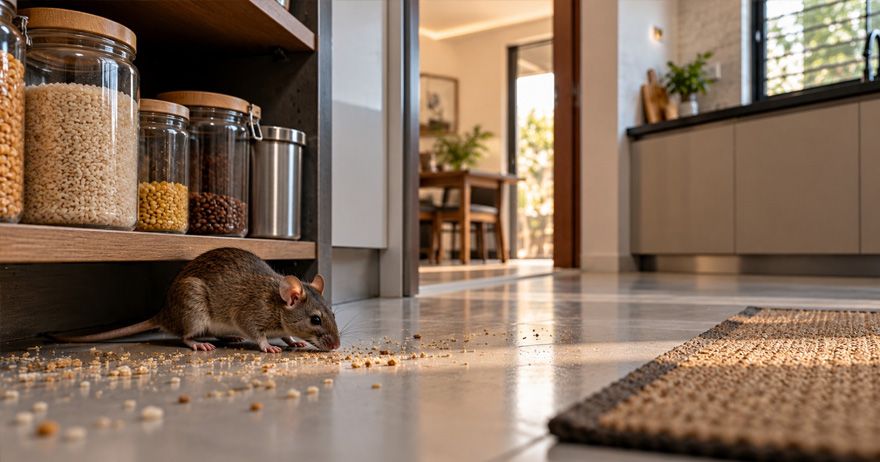
| Rodents | Burrows flood | Droppings; gnaw marks; night sounds |
| Silverfish | Attracted to damp | Bathroom corners; behind cupboards |
How Moisture and Humidity Attract Pests
Insects lose water through their bodies, so damp air lets them stay active longer and range further from their nests. Damp also softens what they feed on — wet timber attracts termites, damp paper feeds silverfish, and wet plaster supports a chain of small insects.
So drying the house is pest control. A room that dries between uses supports far less than one damp for three months, and ventilation does more than any spray.
Standing Water and Mosquito Breeding
Aedes mosquitoes, which carry dengue and chikungunya, breed in clean stagnant water, not dirty drains. A bottle cap is enough, and the cycle from egg to adult takes about a week.
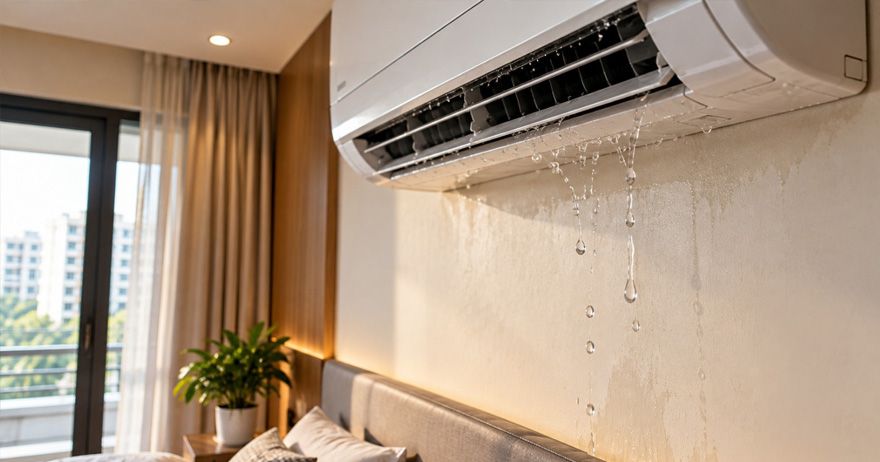
That week is the whole strategy: empty and scrub every water-holding container weekly and the cycle never completes. Check plant saucers, tanks, coolers, buckets, the terrace, blocked gutters, AC drip trays, pet bowls and any containers on the balcony.
Scrub, do not just tip out. Aedes eggs stick to container walls and survive drying for months.
Why Termites Become a Concern During Monsoon
The first heavy rains trigger termite swarming. Winged termites leave the colony, fly towards light, shed their wings and start new colonies wherever it is damp. Small piles of discarded wings near windows or lights after rain mean a colony is establishing nearby.
Subterranean termites need moisture and soil contact. Look for mud tubes running up plinths, walls or door frames, hollow-sounding skirting, and bubbling paint on damp walls.
Termites are not a DIY problem. If you find mud tubes or hollow wood, get a professional inspection — treatment involves soil and barrier work that household sprays cannot replicate.
Cockroaches, Ants and Flies: Preventing Indoor Infestations
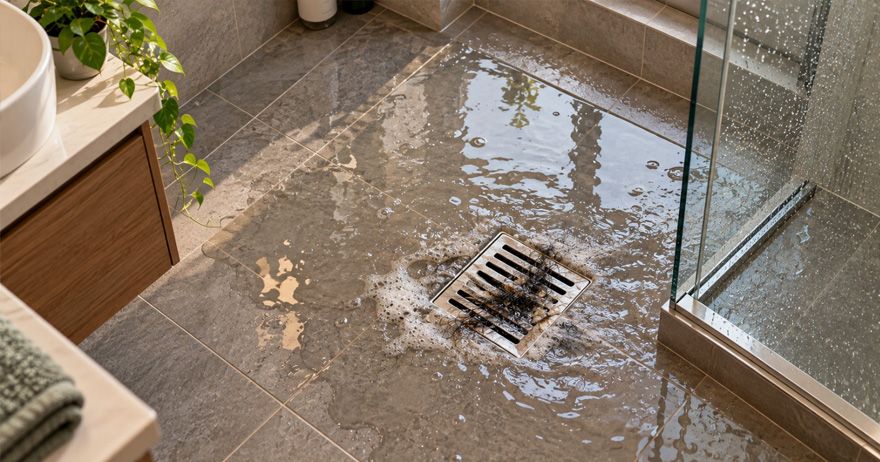
Cockroaches come up through drains when the sewer runs full. Keep floor drain covers in place, fit traps that seal, close kitchen and bathroom drains at night, and fix the gap under the sink where the waste pipe enters the wall.
Ants move indoors when nests flood. Wipe trails with soapy water rather than only killing what you see, since the trail is a chemical marker others follow. Store sugar and jaggery sealed.
Flies breed in damp waste, so use a lidded bin emptied daily and keep the outdoor bin away from the wall.
For all three: remove the food, dry the surface, close the route.
How to Seal Pest Entry Points Around Your Home
Walk the outside of the house before the rains and look for openings: gaps where pipes and cables enter walls, the AC pipe sleeve, exhaust duct outlets without mesh, gaps under external doors, cracks in plaster, and broken floor drain covers.
Seal small gaps with sealant. For anything a rodent might use, pack steel wool in before sealing, since foam alone gets chewed through. Cover ducts and vents with mesh finer than 6mm.
Protecting Windows, Doors and Ventilation Openings
Windows do two opposing jobs in monsoon: stay open enough to dry the house, and closed enough to keep insects and rain out. Three things to check before the season:
- Mesh condition. A torn corner lets in everything the mesh was fitted for. Repair or replace rather than taping.
- Frame gaps. Wooden frames swell and warp with humidity, aluminium corrodes at the joints. Both leave edge gaps that insects use and rain follows.
- Track drainage. Sliding tracks need clear drain holes, or water collects and sits there all season.
Frame material genuinely matters in a wet climate. IndiFrame's uPVC windows do not swell, warp or corrode, seal onto a gasket when shut, and can be supplied with mesh shutters — so you can leave windows open for airflow without opening the house to insects.
Drainage, Leaks and Damp Areas You Should Check
- Terrace and balcony drains clear leaves and debris before the first rain.
- Gutters and downpipes, where blockages overflow onto walls and create the damp termites want.
- Plumbing leaks under sinks, behind the WC and at the geyser.
- Seepage patches on external and shared walls.
- The plinth line, where soil contact plus damp invites termites.
- Under the kitchen sink, the most common damp spot in a flat.
- Fix leaks before the season. A slow leak through three months of monsoon creates conditions that take far longer to undo.
Monsoon Cleaning and Home Maintenance Checklist
Before the rains: clear terrace, balcony and gutter drains; repair window and door mesh; seal wall gaps around pipes and cables; fix plumbing leaks and seepage; empty and store outdoor containers; check the plinth for mud tubes.
During the monsoon: empty and scrub water containers weekly; run the exhaust fan and open windows on dry days; keep bins covered and emptied daily; wipe damp corners and behind furniture; check for wing piles after heavy rain; keep stored items off the floor.
Natural Prevention vs Professional Pest Control
Household methods work for prevention and small problems. Sealing, drying, weekly water changes, lidded bins and intact mesh prevent most of what monsoon brings.
Natural repellents like neem, camphor and lemongrass may deter insects briefly. They will not clear an established infestation, and treating them as a solution wastes the weeks in which it spreads.
Call a professional for termites at any stage, for cockroach or rodent problems lasting beyond a few weeks, and for anything in a shared shaft. Pre-monsoon treatment also lasts longer than mid-season, since surfaces are dry.
Final Thoughts
Almost all monsoon pest work is done before the rains start. Clear drains, repair mesh, seal gaps, fix leaks, remove standing water — those five jobs prevent most of what follows.
During the season, the weekly water check is the highest-value habit, because it breaks the mosquito cycle before it completes. And keep the house dry wherever you can. Dryness is what makes a home unattractive to nearly every pest on the list.