Rat and rodent control at home fails when people focus on killing rodents instead of sealing the gaps they come through. Remove one rat and another follows the same route within weeks.
The numbers worth knowing: a rat passes through a gap of about 12mm, a mouse through about 6mm. Seal first, then remove what is already inside.
Why Do Rats and Rodents Enter Homes?
Three things bring them in: food, water and shelter. Food means anything reachable — open grain, uncovered bins, pet food, scraps behind the fridge. Water means a dripping tap or a leaking pipe. Shelter means somewhere warm, dark and undisturbed, which describes most lofts, ducts and storerooms.
They also move indoors seasonally, when outdoor burrows flood in the monsoon or food runs short in winter.
Common Signs of a Rat or Rodent Infestation
- Droppings, usually along walls, in the loft or behind the kitchen platform.
- Gnaw marks on packets, wooden edges, wires or plastic pipes.
- Dark grease marks low on walls, where they run the same route repeatedly.
- Scratching at night, especially in a false ceiling or loft.
- Nests of shredded paper, cloth or insulation in a quiet corner.
- A sharp ammonia smell in an enclosed space.
- Pets alert at a particular wall or cupboard.
- Droppings are the most reliable sign. Fresh ones are dark and soft; older ones are grey and crumble.
Where Do Rats Commonly Hide Inside a House?
Behind and under the kitchen platform, in the loft, inside false ceilings, behind the fridge and washing machine, inside ducts and shafts, in storerooms with unused cartons, and behind stacked items on a balcony. They stay close to food and water and avoid open floor — anywhere you rarely move things is worth checking.
How to Seal Entry Points and Rodent-Proof Your Home
This is the step that actually solves the problem. Walk the perimeter with a torch and look for gaps of 12mm or more — around water and drainage pipes, the AC pipe sleeve, the exhaust duct, under doors, around window frames, at the meter box, and where cables enter.
To seal them:
- Steel wool or copper mesh packed into the gap, then covered with sealant. Rodents chew through foam alone, but not metal.
- Metal mesh over ducts and vents, openings smaller than 6mm.
- Door bottom seals on external doors.
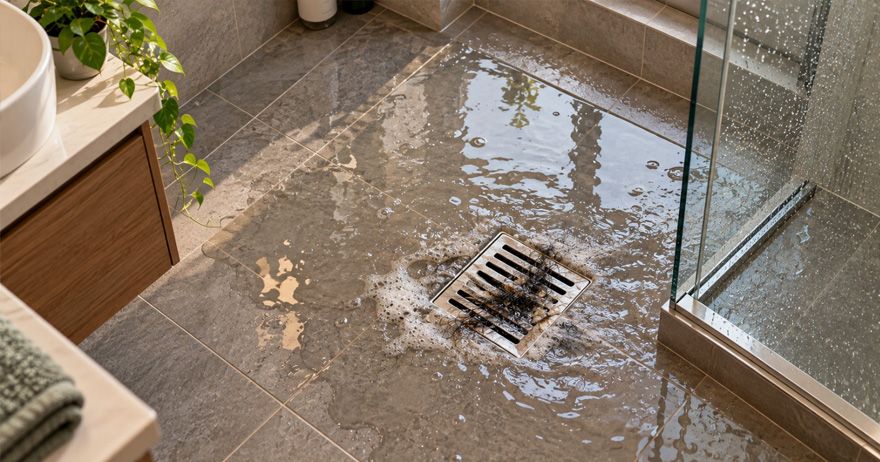
- Drain covers and traps that seal properly, including bathroom floor drains.
- Repair damaged window mesh rather than leaving torn corners.
Windows and doors matter here. Warped wooden frames and corroded aluminium leave edge gaps that widen over the years, and torn mesh is an open door. IndiFrame's uPVC windows and doors close onto a gasket and can be supplied with mesh shutters, removing the gap rather than sealing around a frame each season.
Store Food and Waste Properly to Remove Attractants
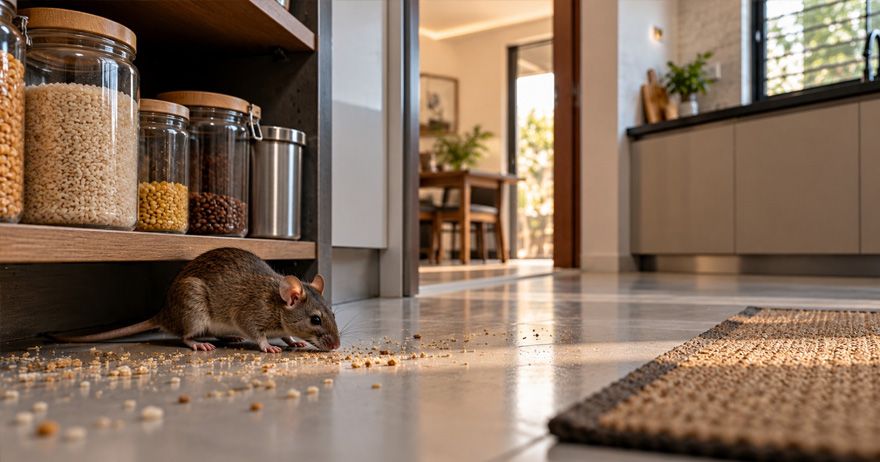
Move grain, flour, pulses and dry snacks into steel or hard plastic containers with tight lids. Rodents chew polythene and cardboard easily.
- Use a bin with a closing lid and empty it nightly.
- Do not leave pet food out overnight, or utensils soaking.
- Clear fallen food from behind the fridge, oven and platform.
- Keep outdoor waste in a closed container, away from the wall.
Keep Kitchens, Storage Areas and Other Spaces Clean
Rodents need cover as much as food, and a storeroom packed with cartons gives them undisturbed nesting space.
Clear old boxes, newspapers and unused bags. Store things off the floor on racks rather than stacked against walls, and move loft items every few months. Wipe the platform and sweep under appliances at night, and fix dripping taps, since water is often harder for rodents to find than food.
How to Deal With Rats Already Inside the Home
Seal the entry points first — trapping without sealing is endless work.
Then set snap traps along the walls they use, identified by droppings and grease marks. Place the trap at right angles to the wall with the trigger end facing it. Peanut butter, groundnut or a piece of chapati works better than cheese. Check traps daily, wear gloves to handle them, and dispose of the rodent in a sealed bag.
When cleaning droppings, never sweep them dry. Dampen the area with disinfectant first, leave it a few minutes, then wipe with paper and bin it — sweeping or vacuuming dry droppings puts particles into the air. Wear gloves and a mask, and wash your hands afterwards.
Common Rat Control Methods: What Works and What to Avoid
| Method | Verdict |
|---|---|
| Sealing entry points | The only permanent fix |
| Snap traps | Effective and quick when placed correctly |
| Rodenticide (poison) | Works; but carries real risks — see below |
| Glue traps | Avoid. The animal dies slowly; large rats often escape |
| Ultrasonic repellers | No reliable evidence they work |
| Camphor; peppermint; naphthalene | May deter briefly; will not clear an infestation |
On poison, use it with care or not at all in a home with children or pets. A poisoned rodent often dies inside a wall or duct, and the smell lasts weeks with no way to reach it. There is also a risk to cats, dogs and birds that eat a poisoned rat. If you use it, follow the label and keep it in tamper-proof bait stations.
Protecting Electrical Wiring, Pipes and Household Items
Rodent teeth grow continuously, so they gnaw constantly to wear them down. Wiring, plastic pipes and insulation are all targets, and chewed wiring is a genuine fire risk — the reason a rodent problem should not be left through a season.
- Run cables in conduit rather than loose along walls or in the loft.
- Check behind the fridge, washing machine and inverter for gnaw marks.
- Store documents and clothes in closed boxes, not cloth bags.
- Have an electrician check any chewed cable.
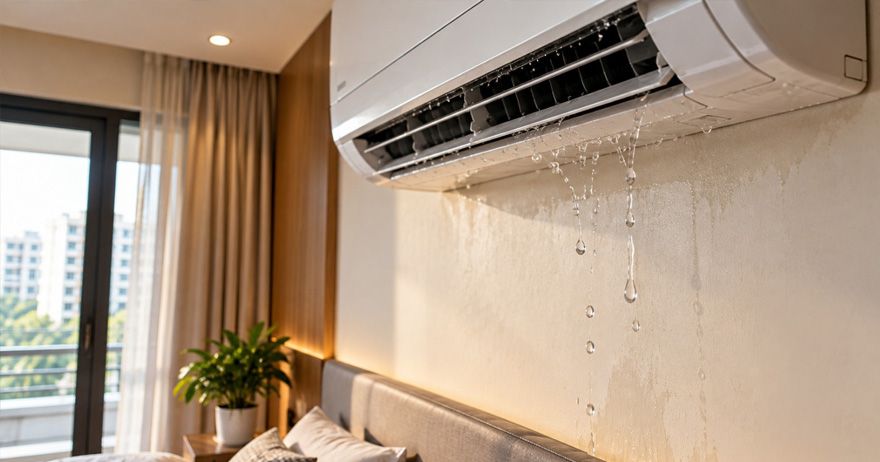
- Inspect water inlet pipes and the AC drain line, which are often chewed.
Rat Prevention Tips for Monsoon and Rainy Seasons
Monsoon pushes rodents indoors, because outdoor burrows flood and drains overflow.
- Check floor drain traps and covers are intact before the season.
- Seal gaps around pipes entering the building, the most common monsoon route.
- Keep the utility and balcony dry and clear standing water.
- Raise stored items off the floor in ground-floor homes.
In an apartment, raise it with the society if you see rodents in shafts or the basement. One flat sealing alone will not fix a building-wide problem.
When Should You Call Professional Pest Control?
Call in help when you see rodents during the day, which usually means a large population; when trapping continues for weeks with no reduction; when droppings appear in several rooms; when you can smell a dead rodent but cannot find it; when wiring has been chewed; or when the problem is in a shared shaft or basement.
Ask what they will use, whether it is safe around children and pets, and whether the service includes sealing entry points or only baiting. Baiting alone is a recurring cost, not a solution.
Final Thoughts
Rodent control is a sealing job supported by cleaning, not a killing job. Close every gap over 12mm, store food in metal or hard plastic, keep storage clear and fix leaks.
Do a perimeter check twice a year, before the monsoon and before winter. Ten minutes with a torch prevents most infestations before they start.