Mosquito control at home has one reliable rule: killing adults is temporary, stopping them breeding is permanent. A mosquito lives a few weeks; its breeding site produces hundreds more.
Three things actually work — removing standing water, screening windows and doors, and using a proven repellent correctly. Most of the rest is marginal or sold on marketing rather than evidence.
Why Do Mosquitoes Enter Your Home?
They come in for three reasons: somewhere to rest, somewhere to breed, and someone to feed on. Mosquitoes are drawn to the carbon dioxide you exhale, body heat, sweat and dark clothing. Once inside they rest in dark, still places by day — under beds, behind curtains, inside wardrobes.
They enter through open windows and doors, torn mesh, gaps at warped frames, ventilators and drain openings. Aedes travels only about a hundred metres, so the ones biting you almost certainly bred within your building or compound.
Where Do Mosquitoes Breed Around the House?
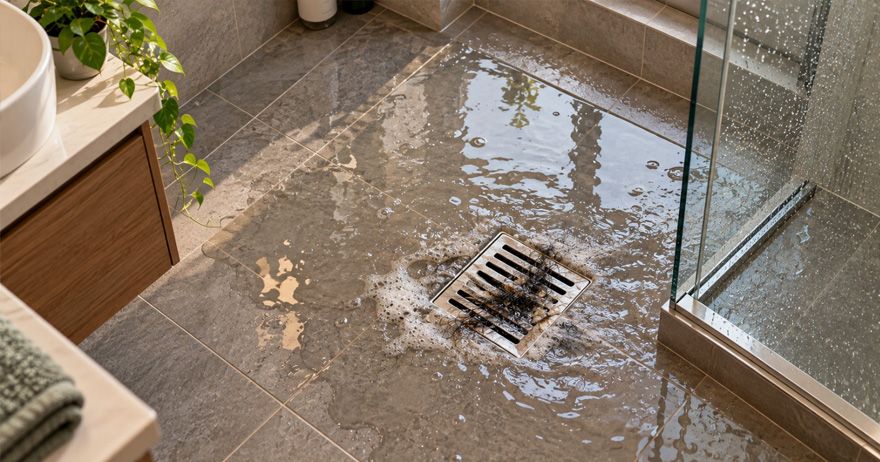
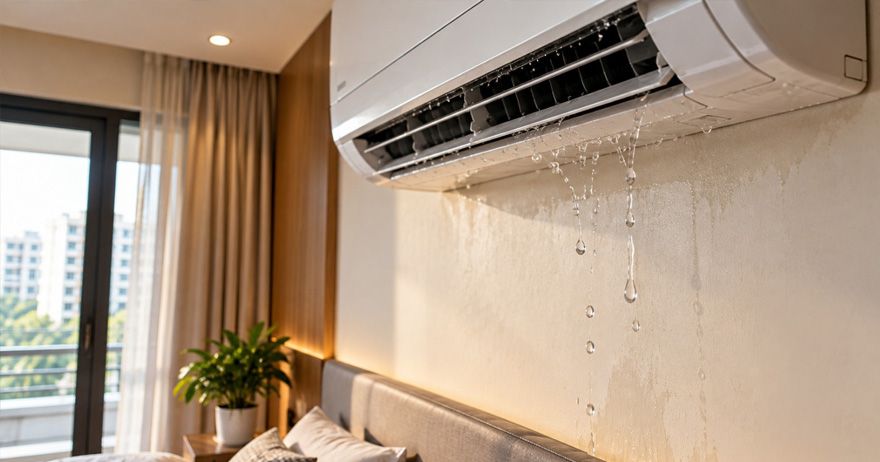
It takes very little water. A bottle cap is enough, and the cycle from egg to biting adult takes about a week to ten days. Check these:
- Plant saucers, pots and self-watering trays
- Overhead and underground tanks with poor lids
- Coolers, AC drip trays and defrost trays
- Buckets and unused vessels in the utility area
- Blocked terrace and balcony drains
- Old tyres, paint tins and construction debris
- Pet bowls, bird baths and money plant bottles
- Clogged gutters and the gap behind the parapet
Aedes, which carries dengue and chikungunya, breeds in clean stored water. Culex, the common nuisance biter, prefers dirty water and drains.
What Works: Eliminate Standing Water
This is the single most effective thing you can do, and it costs nothing.
Empty and scrub every water-holding container once a week. Scrubbing matters because Aedes eggs stick to container walls and survive drying for months, then hatch when water returns — tipping the water out leaves the eggs in place.
Weekly is the interval that works, being shorter than the breeding cycle. Miss a fortnight and a full generation emerges. For water you cannot remove, keep it tightly covered.
What Works: Install Mosquito Screens on Windows and Doors
A physical barrier is the most reliable indoor protection, because it works all night without chemicals, smoke or electricity.
Three things must be right. The mesh must be fine enough — standard fly mesh lets smaller mosquitoes through. The fit must be tight, since a mosquito needs only a loose corner. And the frame itself must seal, because a perfect screen on a warped frame just redirects them to the gap alongside.
That last point is where most homes lose. Wooden frames swell in humidity and shrink in summer, aluminium corrodes at the joints, and both develop edge gaps over the years. IndiFrame's uPVC windows and doors close onto a gasket and can be supplied with mesh shutters in the same unit, so the screen and the seal work together.
Check mesh before every monsoon. One torn corner undoes the whole thing.
What Works: Improve Ventilation and Reduce Damp Areas
Mosquitoes rest in still, humid, dark spaces, so a house with air moving through it and light reaching the corners is less hospitable.
Open windows on dry days, run exhaust fans, and let sunlight into rooms you keep closed. Keep the utility area and bathroom dry between uses. A ceiling fan also makes landing harder. Clear the clutter they rest in — stacked cartons, piles of clothes, corners behind furniture.
What Works: Use Mosquito Repellents Correctly
Skin repellents with proven active ingredients work. Look for DEET, picaridin, IR3535 or oil of lemon eucalyptus (PMD) on the label — these have real evidence behind them.
Apply to exposed skin, not under clothing, and reapply as the label says; protection time depends on concentration, not brand. For children, check the label for minimum age — most oil of lemon eucalyptus products are not recommended under three.
Liquid vaporisers work in a closed room. Coils work too, but produce smoke and fine particulates, so avoid them in a closed bedroom, especially around children, elderly people or anyone with asthma. Bed nets remain among the most effective protections, particularly for infants.
What Doesn't Work Well: Common Home Remedies
Being honest here saves money, and stops people relying on protection they do not have.
| Method | Reality |
|---|---|
| Ultrasonic repellers | No reliable evidence they repel mosquitoes |
| Repellent wristbands | Protect only the skin immediately around them |
| Bug zappers | Kill mostly harmless insects; poor against mosquitoes |
| Citronella candles | Very small effective radius; only downwind |
| Vitamin B1 or garlic tablets | No evidence of repellent effect |
| Camphor burning | No meaningful reduction; smoke indoors |
Some do something at very close range. None protects a room, and none replaces removing breeding sites or screening a window.
Do Mosquito-Repellent Plants Really Help?
Mostly no, at least not as usually sold.
Citronella, tulsi, lemongrass, marigold and neem all contain compounds that repel insects, but those compounds have to be released. Crushing the leaves and rubbing them on skin has some short-term effect. A plant sitting on the windowsill has almost none.
Keep them if you like them, but do not count them as protection — and check the pot saucer, which may be breeding the very mosquitoes you were trying to repel.
How to Keep Mosquitoes Out of Bedrooms
- Screen the window and check the mesh for tears.
- Close up around dusk, when biting activity peaks for several species.
- Use a bed net if the room cannot be screened.
- Run the fan, since moving air makes landing harder.
- Check under the bed and behind curtains during the day — that is where they rest.
- Use a vaporiser rather than a coil in a closed room.
- Keep the bathroom door shut at night if it has an open ventilator.
Common Mosquito Control Mistakes to Avoid
- Treating the symptom — spraying adults while a breeding site sits on the balcony.
- Tipping water out without scrubbing, leaving the eggs behind.
- Checking fortnightly instead of weekly, which lets a full generation through.
- Relying on a screen while the frame leaks at the edges.
- Burning coils in a closed bedroom, trading bites for smoke.
- Ignoring the building. The society's sump matters as much as your balcony.
- Assuming clean water is safe. Aedes prefers it.
- Stopping in winter. In warmer parts of India, breeding continues year-round.
When Should You Consider Professional Mosquito Control?
Consider it when the problem is beyond your own premises, or when there is a health reason to act fast: dengue or malaria cases in your locality; numbers that stay high after you have cleared all standing water; breeding in shared sumps, shafts or terrace tanks; or a large site with a garden or unused pool.
Raise shared-area breeding with your society. One flat cannot solve a building-wide source, and fogging alone kills adults for a day or two without touching the larvae.
Final Thoughts
Weekly water check, good screens on tight frames, and a proper repellent when needed. Those three cover most of what is achievable at home.
Put a reminder in your phone for the weekly container check. It takes ten minutes and does more than any product you can buy, because it stops the next generation rather than the current one.