Keeping your home free from insects doesn't always require harsh chemicals. Natural ways to remove insects from your home can be just as effective while being safer for children, pets, and the environment. Simple methods such as maintaining cleanliness, sealing entry points, improving ventilation, and using natural repellents like neem, citronella, peppermint, and vinegar can help keep common household pests away.
Whether you're dealing with ants, mosquitoes, flies, cockroaches, or spiders, this guide explores safe, eco-friendly solutions to control insects and prevent future infestations without compromising your family's health.
Why Natural Pest Control Is a Better Choice
Natural insect control focuses on removing food sources, moisture, shelter, and entry points rather than immediately reaching for strong chemical products. It is the best way to control pests as it reduces fewer unnecessary chemicals, supports long-term prevention, and is better for everyday household maintenance. Keep homemade repellents away from children and pets, and follow product instructions when using any commercial natural or plant-based product.
Keep Your Home Clean and Dry
One of the simplest home insect removal strategies is to make the home less attractive to pests. Insects are commonly attracted by food residue, standing water, garbage, humidity, and clutter. Follow these below everyday practices for natural pest control.
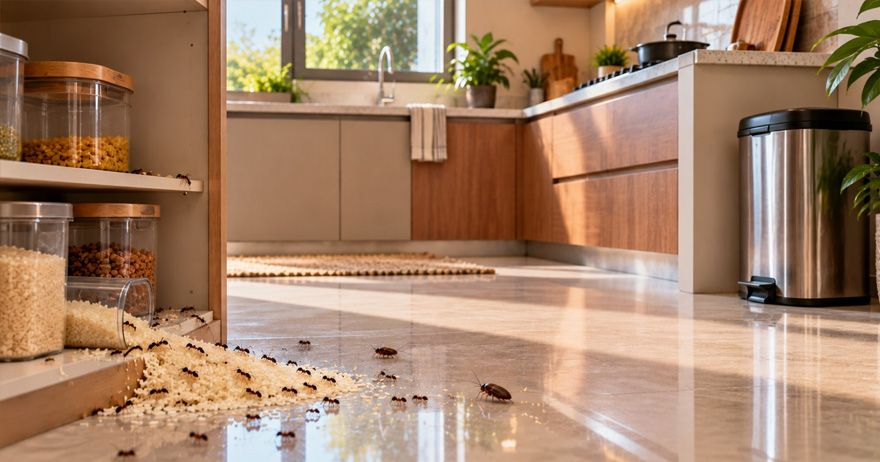
- Keep Food Sealed: Store grains, snacks, fruits, and other food items in tightly closed containers. Don't leave uncovered food on kitchen counters for long periods.
- Clean Food Spills Quickly: Even tiny crumbs and sugary spills can attract ants, cockroaches, and other insects. Wipe countertops, dining tables, and floors regularly.
- Empty Garbage Regularly: Use bins with secure lids and dispose of food waste frequently. Clean the inside of bins periodically to remove lingering odours and residue.
- Don't Leave Dirty Dishes Overnight: Food particles left on plates and utensils can attract insects. Wash dishes promptly and keep sinks as dry as practical.
- Remove Standing Water: Check plant saucers, buckets, trays, drains, and outdoor containers for stagnant water. Removing these sources is particularly important for reducing mosquito breeding opportunities.
- Reduce Clutter: Cardboard boxes, unused containers, piles of paper, and cluttered storage areas can provide hiding places for insects.
Seal Cracks, Gaps, and Entry Points
If you want to get rid of insects naturally combine repellents with physical exclusion. If insects cannot easily enter the home, fewer treatments may be necessary.
- Inspect Common Entry Points: Check window frames, door gaps, pipe openings, wall cracks, plumbing penetrations, vent openings, gaps beneath cabinets, damaged screens and spaces around air-conditioning lines.
- Install or Repair Window Screens: Fine mesh screens can help prevent mosquitoes, flies, and other flying insects from entering while allowing ventilation. Check screens regularly for holes or loose edges.
- Seal Small Cracks: Appropriate sealants can be used to close small gaps around windows, doors, skirting, and service penetrations. Larger structural cracks may require professional assessment rather than simply covering them with sealant.
- Improve Door Sealing: Door sweeps or suitable weather seals can reduce gaps beneath external doors.
- Don't Block Necessary Ventilation: When sealing openings, make sure you don't accidentally obstruct required ventilation systems or drainage paths.
Use Natural Insect Repellents
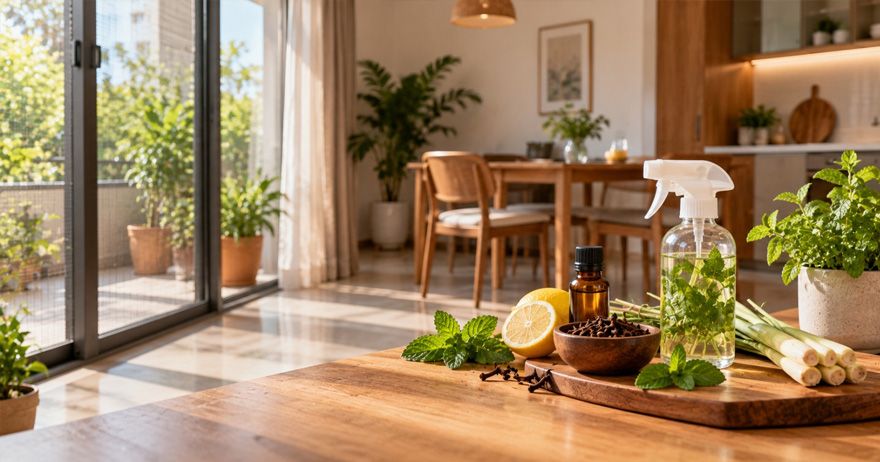
Certain plant-derived substances and common household ingredients are traditionally used as insect repellents. Their effectiveness can vary depending on the insect, concentration, application method, and environment.
- Neem: Neem-based products are commonly used in household pest management. Neem oil should be diluted and used according to the product's directions rather than applied indiscriminately.
- Citronella: Citronella is widely used in mosquito-repellent products. Candles, oils, and other formulations may provide temporary repellent effects, particularly in outdoor areas.
- Peppermint: Peppermint's strong scent may discourage some insects from certain areas. If using essential oil, dilute it appropriately and keep it away from children and pets.
- Vinegar: Vinegar can be useful as a household cleaning ingredient and may help remove scent trails left by some insects such as ants. However, it should not be considered a universal insect killer.
- Citrus Peels: Fresh citrus peels are sometimes used as a household deterrent because of their strong scent. Replace them regularly rather than allowing them to become damp or mouldy.
Indoor Plants That Help Repel Insects
Some plants are popularly associated with insect-repelling properties because of their natural aromas. Do not overwater your indoor plants, because excess moisture in soil can create favourable conditions for some pests.
- Mint: Mint has a strong aroma and can be grown in pots near suitable windows or balconies.
- Basil: Basil is useful as a kitchen herb and is also commonly included among plants associated with mosquito deterrence.
- Lemongrass: Lemongrass has a distinctive citrus scent and can be grown where sufficient sunlight is available.
- Lavender: Lavender's fragrance is commonly used in household products intended to discourage certain insects.
- Marigold: Marigolds can be useful around outdoor areas, although their presence alone is unlikely to control an established pest population.
Improve Ventilation and Reduce Moisture
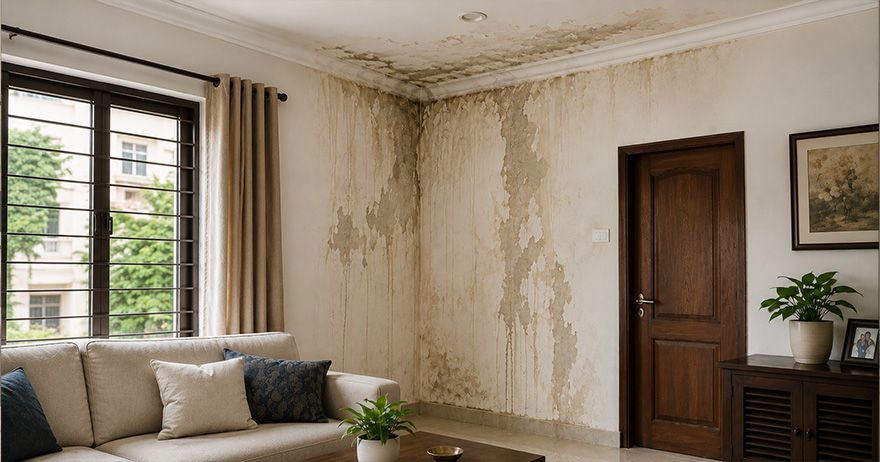
Moisture is one of the biggest factors that can make a home attractive to insects.Improving airflow and controlling humidity can therefore be an important part of home pest prevention.
- Improve Bathroom Ventilation: Use exhaust fans or keep suitable windows open after bathing to allow moisture to escape. Wipe excess water from floors and walls where practical.
- Fix Plumbing Leaks: Inspect taps, pipes, sinks, and drainage connections for leaks.
- Keep Kitchens Dry: Don't allow water to remain around sinks or countertops.
- Allow Damp Areas to Dry: Wet mops, towels, and cleaning cloths should be dried properly rather than left in enclosed spaces.
- Check for Condensation: Poor ventilation around air-conditioning units, windows, or cold surfaces can sometimes result in condensation.
Preventing Insects in Kitchens and Bathrooms
Kitchens and bathrooms require extra attention because they provide two things insects commonly need food and moisture.
- Kitchen Prevention: Keep grains, flour, sugar, spices, and snacks in airtight containers. Don't leave fruit or food waste exposed for extended periods.
- Bathroom Prevention: Keep floors and surfaces as dry as possible, especially overnight. Clean drains regularly and address plumbing leaks promptly.
- Manage Food Waste: Organic waste should be disposed of regularly. If composting at home, use a properly managed container with a secure lid.
- Clean Hidden Areas: Move appliances occasionally to clean behind and underneath them. Dust, food particles, and moisture in hidden corners can encourage pest activity.
Common Mistakes That Attract Insects
A balanced DIY pest control approach should focus on cleaning, exclusion, moisture management, and targeted prevention rather than simply spraying or placing repellents. Avoid these below common mistakes that attract insects.
Leaving Food Uncovered
Open food, especially sweet or oily items, can quickly attract ants, flies, and cockroaches.
Ignoring Small Leaks
A dripping tap or leaking pipe can provide a constant moisture source.
Allowing Garbage to Accumulate
Food waste and overflowing bins provide both food and shelter for insects.
Keeping Windows Open Without Screens
Open windows can improve ventilation but may also provide easy access for mosquitoes, flies, and other flying insects.
Overwatering Plants
Excess water around indoor plants can create damp conditions and may attract small flying insects.
Using Too Much Clutter
Boxes, unused materials, and crowded storage spaces create hiding places and make it harder to spot pest activity.
Relying Only on Homemade Remedies
Homemade solutions may help with minor problems, but they aren't guaranteed to eliminate established infestations.
When to Consider Professional Pest Control
Natural approaches are most appropriate for prevention and minor insect problems. A professional assessment may be necessary when the infestation is persistent, widespread, or difficult to identify. Good eco-friendly pest control should still be based on proper identification and effective treatment rather than assuming that every natural product is automatically safer or better.
Consider professional help when insects continue appearing despite consistent cleaning and exclusion, you notice large numbers of insects repeatedly, you find signs of a hidden nest or colony, there is evidence of termites or other potentially damaging pests, pest activity is occurring inside walls, ceilings, or inaccessible areas, household members are experiencing repeated bites or unexplained reactions and you cannot determine where the insects are coming from.
Final Thoughts
The most effective natural ways to remove insects from home usually involve several simple measures working together rather than relying on one miracle ingredient. Remember that natural bug repellents may discourage some insects but aren't guaranteed to eliminate established infestations. Similarly, "chemical-free pest control" isn't necessarily the right goal in every situation; the priority should be effective, proportionate, and safe pest management. For everyday indoor insect control, home pest prevention is usually the best starting point.