



What Is Pre Delivery Inspection (PDI)?
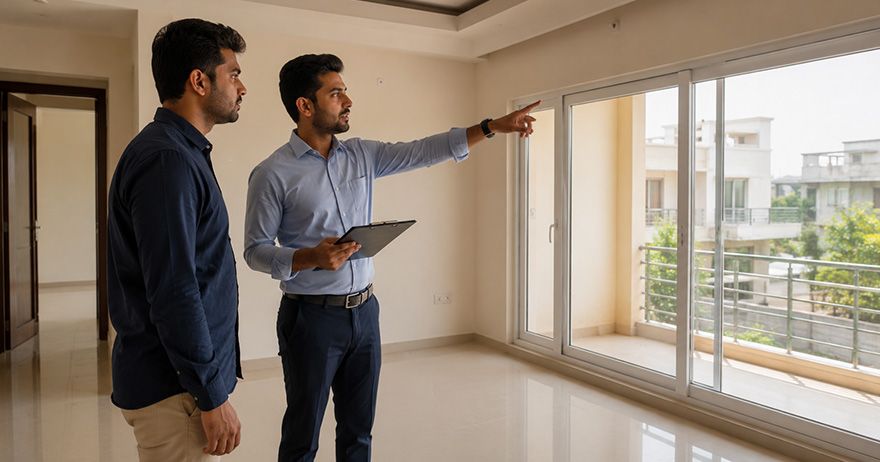
A PDI, or a Pre Delivery Inspection checklist, is a detailed inspection conducted before taking possession of a newly built home or apartment. It helps homeowners identify construction defects, unfinished work, safety concerns, and quality issues before the final handover.
If you are wondering what to check in a newly constructed house, check the walls, flooring, windows, doors, electrical systems, plumbing, ventilation, and overall workmanship and write down every problem you find. That list is called a snag list, and the builder must fix everything on it before they hand over the keys.
Why A Pre-Delivery Inspection Is Important?
Once you sign the possession letter, the flat is your responsibility. Any defect that appears after that is yours to repair at your own cost. A Pre Delivery Inspection checklist creates a written, dated record of problems that existed before you moved in, so the builder cannot deny them later.
Under Section 14(3) of RERA, if you report a structural defect or workmanship issue within five years of possession, the builder must fix it within 30 days at no charge. That protection is strongest when you have a PDI report to back your claim.
When Should You Conduct A Home Inspection?
Conduct the PDI before signing the possession letter and making the final payment. Do not accept the keys first and check later. Once you sign, your window to demand pre-handover repairs closes.
Schedule it between 10 AM and 4 PM so natural light helps you spot defects clearly. Carry a phone charger, a coin, a flashlight, a measuring tape, and a notepad.
Pre Delivery Inspection Checklist For New Home
Below are the things to check before taking possession of a house.
Exterior Inspection Checklist
- Check the building facade for cracks, water stains, or unfinished plaster.
- Look along external walls and drainpipes for dampness or discolouration.
- Confirm your parking space is clearly marked and matches your agreement.
Walls, Paint & Finishing Checklist
- Run your hand across every wall to feel for waviness or rough patches in the plaster.
- Hold a flashlight at an angle against the wall to reveal undulations that daylight hides.
- Check for hairline cracks around door frames and window edges. Paint patches of a slightly different shade usually mean the builder has covered a problem.
- Press on any discoloured patch. A damp wall feels cooler than the surrounding area.
- Check ceilings for water stains or chalking, which point to seepage from above.
Flooring Inspection Checklist
- Tap every tile with a coin. A hollow sound means the tile is not bonded to the floor and will crack under regular use.
- Place a marble on the floor in different spots. If it rolls on its own, the floor is not level.
- Check tile edges and corners for chips or cracks, and grout lines for gaps.
- In bathrooms, pour water to confirm it drains toward the outlet without pooling.
Window & Door Inspection Checklist
- Open and close every door and window fully. They should move smoothly without sticking or dragging.
- Check the gap between the window frame and sill. Even a small gap lets rainwater in during the monsoon.
- Test all door locks, latches, and handles to confirm they work.
- Check window glass for scratches or cracks.
Electrical System Inspection Checklist
- Plug a phone charger into every socket in every room to confirm each socket is live.
- Test every light switch to confirm it controls the correct light point.
- Check the main distribution board for clear circuit labels and any signs of burning or exposed wires.
- Confirm that a separate earthing connection is present. Missing earthing is a fire safety risk.
- Verify that AC points, geyser points, and exhaust fan points are in the locations shown in the floor plan.
Plumbing & Bathroom Inspection Checklist
- Turn on every tap and check pressure. Then turn all the taps on together. A significant pressure drop suggests an undersized supply pipe.
- Flush every toilet multiple times to confirm smooth drainage.
- Check under every sink for drips or damp patches near pipe joints.
- Press on bathroom walls near the shower and toilet. Discolouration or a cool patch indicates poor waterproofing, which causes seepage into the flat below.
- Confirm that CP fittings match the brand specified in your agreement.
Kitchen Inspection Checklist
- Check water pressure and drainage speed at the kitchen sink, and look under the sink for damp patches or loose joints.
- Confirm the correct number of electrical points for the refrigerator, microwave, and chimney.
- Tap kitchen floor tiles with a coin to check for hollow bonding.
Ventilation & Natural Light Checklist
- Open all windows and check that no structural element blocks the airflow.
- Switch on exhaust fans in bathrooms nd the kitchen to confirm they work.
- Confirm that AC duct outlets are placed as per the floor plan.
Balcony & Safety Inspection Checklist
- Push the balcony railing firmly to confirm it does not flex or move. Make sure it is of the minimum height of 1 metre.
- Pour water on the balcony floor to confirm it drains and does not collect near the wall.
- Check that the building has fire extinguishers on each floor and a clean fire escape route.
Follow these new home handover checklists to avoid any surprises in the future.
Common Problems Found During Home Handover
Here are some common problems found during home handover as per the house possession inspection guide.
- Wall seepage and dampness: This is the most reported issue. Poor waterproofing at terraces and bathroom walls is invisible at handover but appears with the first monsoon.
- Hollow tiles: This results from insufficient adhesive during laying. They look fine at handover but crack within a year of regular use.
- Dead electrical sockets and missing earthing: They are more common than you think and can even be found in projects by large builders.
- Plumbing Mishaps: Leaks under kitchen sinks and behind bathroom walls are usually discovered only after the first few uses.
- Carpet area deviation: Measure every room and compare the total to your RERA agreement. Even a small shortfall is crucial at current per-sq-ft rates.
Builder Handover Inspection Checklist: Questions To Ask Before Possession
Though there are many questions to ask your builder, the Pre Delivery Inspection checklist recommends asking the following four questions.
1. Has the occupancy certificate been issued?
Moving in without an OC certificate is illegal, and banks require it for final home loan disbursement.
2. What are the exact specifications of fittings used?
Ask for a written sheet listing tile brands, sanitary ware, CP fittings, and switches to verify during inspection.
3. How long will snag list repairs take?
Get a written timeline before you sign anything.
4. Are all promised amenities ready?
Gym, clubhouse, lifts, power backup, and water supply should be functional before you are asked to take possession.
Pre Delivery Inspection Checklist Mistakes To Avoid
Here are a few mistakes to avoid during home inspection before possession.
- Do not inspect alone. One person cannot check and document at the same time.
- Do not rush. A 2BHK takes at least two to three hours to inspect properly.
- Do not sign the possession letter on inspection day. Sign only after the snag list is fully fixed.
- Do not accept verbal assurances. Every defect must be written down and signed by both parties.
- Do not skip the carpet area check. Measure every room and compare the total to your RERA agreement.
Final Home Handover Checklist For 2026
Before signing the possession letter, here is the pre possession checklist for homeowners.
- Documents from the builder: Occupancy certificate, completion certificate, registered sale deed, approved building plan copy, no-dues certificate, and RERA project registration certificate.
- Physical checks: All snag list items fixed, all sockets and switches working, water supply active, fittings matching the agreement, carpet area matching the RERA agreement, and all common amenities accessible.
- Keys: Main door keys (at least two sets), letterbox key, and any parking access card mentioned in your agreement.
Once every item above from the apartment possession checklist is confirmed, you can sign the possession letter.