


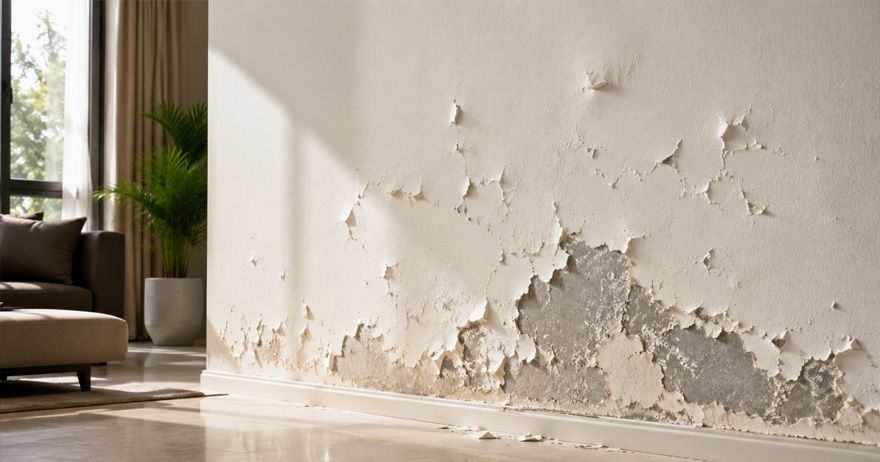
Paint peeling off the walls is a common problem in India. And that can make even a newly painted home look old and poorly maintained. But the root cause behind paint peeling off walls and bubbling, flaking is often moisture, poor surface preparation, low-quality paint, or improper application.
Most homeowners ignore these issues, but it leads to further wall damage and costly repairs in the future. But the good news is that most paint peeling issues are fixable and preventable with the right approach.
In this blog, we'll explore all the common causes of peeling paint, effective wall paint repair methods, and practical tips to keep your walls looking fresh for years.
Why Is Paint Peeling Off Your Walls?
Are you also witnessing paint bubbling and peeling from the walls? This could be due to moisture. Most homeowners face the same issue because they don’t pay much attention to the surface preparation before painting. Another reason is blindly following the trend and not researching the quality of the paint.
Common Causes of Peeling Wall Paint
Peeling off the wall is a common concern. But there are some underlying causes of paint peeling:
- Excess moisture
- Low-quality paint
- Poor surface preparation
- Poor ventilation
- Skipping Primer
- Not using proper materials during home construction
How to Fix Peeling Paint Step by Step?
If you want to fix a peeling paint issue, then follow the below-mentioned steps:
Find Root Cause
The first step to fix the issue of peeling paint is identifying the reason behind peeling. Identify if the peeling is happening due to excess moisture, bad surface preparation, or maybe due to using bad-quality paint.
Scrape the Wall
After identifying the root cause, start fixing the issues. Start by scraping all the peeling residue and swollen putty from the wall. Use a putty knife or paint scraper to remove all loose, flaking paint. This will give you a clean canvas to start.
Sand the Wall
Once you scrape off all the loose paint and flakes, you will be left with an uneven surface. Now, use sandpaper and scrub the wall; this process will remove even the tiniest bit of paint from the wall, and you’ll get a smooth surface.
Properly Clean the Wall
After scrubbing, properly clean the wall with the help of a cleaning brush. You can even use a damp cloth to wipe all the dust, grease, and debris and let it dry for some time.
Patch the Holes
Then apply a thin layer of joint compound or spackle to fill any low spots. Cleaning the wall will show all the spots and holes. Fill them for a better paint finish at last.
Sand the Wall Flat
After patching all the holes, let it dry for some time. And then again sand the wall flat again with the help of sandpaper. This is an important step as it will make sure your paint sticks better and gives a flawless finish.
Apply a Primer
Now it’s time to prime the wall. Primer acts as a preparatory coating and makes sure that your paint grips well with the wall. One thing that you need to take care of is that the primer is of good quality and is specifically moisture-resistant.
Paint Your Wall
The final step is to paint the wall. First, apply a base coat and let it dry properly, and then apply the second coat. The paint should be waterproof, and only hire a professional to apply the paint.
Interior vs Exterior Paint Peeling: What's Different?
Most people think moisture is the only reason behind the interior and exterior paint peeling. But it’s not always the case, and most of the time the reasons could be different for both. Here’s what is different:
| Interior Paint Peeling | Exterior Paint Peeling |
|---|---|
| Humidity | Harsh UV rays |
| Lack of ventilation | Trapped moisture |
| Poor surface preparation | Poor drainage and damaged gutters |
| Lack of proper primer | Weak foundation |
How Moisture and Dampness Affect Wall Paint?
Moisture and dampness are among the biggest reasons why your wall paint gets damaged. During extreme rainfall, water seeps into the walls through small leaks, weakening the bond between the paint and the surface. Over time, excess moisture results in bubbles, blisters, cracks, and peeling of the paint.
Choosing the Right Paint and Primer
Selecting the right paint and primer is essential to prevent peeling and ensure a durable finish. A good-quality primer creates a strong bond between the wall and the paint. The primer also improves adhesion and helps the paint last longer.
While choosing the right paint is equally important. The paint that works well for interiors doesn’t work for exterior walls. Interior walls of bathrooms, kitchens, and laundry areas need moisture-resistant and washable paints, as these areas have high humidity. But exterior walls need weather-resistant, UV-resistant, and waterproof paints that can withstand rain, sunlight, and changing temperatures.
Common Painting Mistakes That Lead to Peeling
Most homeowners make these wall painting mistakes, and eventually these mistakes lead to paint peeling off walls:
- Skipping the surface preparation
- Painting over dirty, dusty, greasy, or loose surfaces
- Not using a primer
- Painting over damp walls
- Using low-quality paint
- Applying thick coats of paint
- Painting in extremely hot, cold, or humid weather
- Not identifying the root cause of peeling
Preventive Tips to Keep Paint Looking New
Follow the paint peeling solutions tips mentioned below if you want your home to look brand new for a long time after painting:
- First, fix all the leaks
- Prepare your surface well
- Use a good quality primer
- Use UV-resistant and weather-resistant paint for exterior walls
- Use washable and moisture-resistant paint for interior walls
- Let the base coat dry completely, then apply the second coat
- If you see any issue, fix it right away before it becomes something serious
When to Repaint Instead of Repair?
Minor paint damage is usually fixable. But some situations may call for a complete repaint, which is often a better solution in terms of cost. If areas of peeling paint are too widespread or keep reappearing regardless of repairs, then spot repair is not a good approach. When 25–30% or more of a wall is peeling away and needs to be repaired, you need to go for a new coat of paint. It will be better than doing spot repairs on that wall.
Final Thoughts
Paint peeling is more than just a cosmetic issue, it often points to underlying problems such as moisture, poor surface preparation, or the use of unsuitable paint. Identifying the root cause and addressing it before repainting is the key to achieving a smooth, durable finish.
You can extend the lifespan of your paintwork and be able to keep your wall shining through proper use of primers for both interior and exterior walls, paint of the right quality, and adequate methods of application.