



Knowing how to prevent cockroach infestation is essential for maintaining a clean, healthy, and hygienic home. Cockroaches and other household pests thrive in areas with food, moisture, and easy hiding spots, making kitchens, bathrooms, and storage spaces particularly vulnerable.
While professional pest control can help eliminate existing infestations, prevention is the most effective long-term solution. By following simple cleaning habits, sealing entry points, and maintaining proper ventilation, homeowners can significantly reduce the risk of cockroaches and other pests invading their living spaces.
Why Cockroaches and Pests Invade Homes?
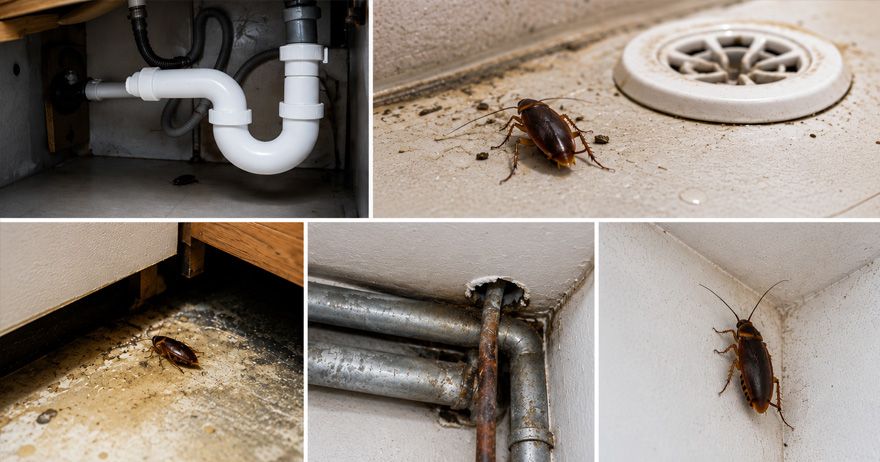
Cockroaches are the common household pests that enter homes primarily in search of food, water, warmth, and shelter. Kitchens are particularly attractive because food and water are readily available. Bathrooms, utility areas, drains, cupboards, cardboard boxes, and spaces behind appliances can also provide dark and undisturbed hiding places.
Ants usually follow food sources, mosquitoes breed around stagnant water, termites are attracted to suitable cellulose-based materials and moisture conditions, while rodents look for food and protected nesting spaces.
That is why effective home pest prevention should address the cause rather than simply removing the pest you can see.
Common Signs of a Cockroach or Pest Infestation
Early detection is the difference between a manageable pest problem and an established infestation that requires intensive professional treatment.
- Droppings: Cockroach droppings are small, dark, and cylindrical in cupboards, under sinks, near appliances, or along wall edges.
- Egg cases (oothecae): Cockroach egg cases are brown, capsule-shaped structures. Finding one behind an appliance or in a cabinet corner indicates an active breeding population.
- Musty or oily odour: You get an oily smell that is perceptible in heavily infested areas.
- Smear marks: Cockroaches leave dark smear marks along the surfaces they travel habitually.
- Daytime sightings: Seeing cockroaches during the day usually indicates a significant population that has run out of shelter space.
- Chewed or damaged packaging: Food packages with small, irregular tears or holes at the corners or base indicate rodent or pest activity within storage areas.
Daily Habits That Help Prevent Cockroaches
If you want to understand how to prevent cockroach infestation, start with everyday habits. Regular cleaning is one of the simplest cockroach prevention tips, but cleaning alone is not enough.
- Clean food spills and crumbs soon after cooking or eating.
- Avoid leaving dirty dishes in the sink overnight, and wipe kitchen counters before going to bed.
- Food, including pet food, should be stored in properly closed containers.
- Take household waste out regularly and use bins with well-fitting lids.
- Clean the bin itself too, as food residue can remain even after the waste bag is removed.
- Do not allow newspapers, unused cartons, paper bags, and other clutter to build up for long periods.
- Moisture leaks, drainage problems, and gaps around the building also need attention.
How to Keep Your Kitchen Pest-Free?
The kitchen is usually the first place to focus when planning pest control at home. It offers nearly everything the pest needs like food particles, water, warmth, and hidden spaces.
Behind and Under Appliances
Start with areas that are easy to miss during routine cleaning. Move small appliances occasionally and clean underneath them. Check behind the refrigerator, around the stove, under the sink, and inside lower cabinets.
Drain and Pipe Maintenance
Dry the sink and surrounding counter at night. Repair leaking taps and plumbing connections instead of allowing moisture to collect inside cabinets.
Cabinet and Shelf Cleaning
Store grains, flour, sugar, snacks, and other dry foods in closed containers. Avoid leaving ripe or cut fruit exposed for long periods, and clean spills inside kitchen cabinets as soon as they happen. Good kitchen pest control also includes checking groceries, cardboard cartons, and packaged goods before storing them.
Many people searching for how to get rid of cockroaches focus immediately on sprays. A spray may kill visible insects, but it will not solve the conditions that allowed them to survive.
Seal Entry Points to Stop Pests from Entering
A pest does not need a large opening to enter a home. Small gaps around doors, windows, utility pipes, vents, drains, and wall joints can become access points. If your goal is to prevent pests at home, remember the fewer openings pests can use, the less dependent you become on repeated chemical treatments.
Inspect the edges of external doors and windows for visible gaps. Check areas where plumbing and electrical lines pass through walls. Cracks around cabinets, skirting, and service shafts should also be examined.
Damaged door sweeps, worn seals, and poorly fitted insect screens should be repaired or replaced. Drain openings also need appropriate covers while still allowing proper drainage and ventilation.
Natural Ways to Prevent Cockroaches and Household Pests
The most reliable form of natural pest control is environmental management such as removing food, reducing moisture, clearing clutter, improving ventilation, and blocking access points.
- Boric acid (borax): Boric acid acts as a slow-acting cockroach control agent.
- Bay leaves: Bay leaves placed in dry pantry items like rice, flour, pulses repel a range of common food storage insects including weevils and moths.
- Oil Sprays: Neem oil, Peppermint oil, eucalyptus oil, and clove oil diluted in water and applied as a spray along cockroach-prone areas acts as a natural repellent.
- Diatomaceous earth: Food-grade diatomaceous earth applied as a powder along baseboards, behind appliances, and at pipe entry points damages the exoskeleton of cockroaches and other crawling insects on contact.
- Cedar blocks and sachets: Cedar repels moths, silverfish, and several other fabric and paper pests when placed in wardrobes, storage boxes, and book storage areas.
When to Call Professional Pest Control Services
Consider professional help if you regularly see cockroaches during the day, find egg cases or droppings in multiple rooms, termite and rodent detection or notice that the problem returns soon after home treatments. A good service provider will help you identify the root cause of infestation.
Professional cockroach control methods may involve inspection, targeted gel baits, traps, exclusion measures, and other treatments depending on the type and severity of the infestation. The frequency of professional treatment depends on the property, pest pressure, climate, building conditions, and previous infestation history.
Common Mistakes That Attract Cockroaches
| Mistake | Why It Attracts Pests | What to Do Instead |
|---|---|---|
| Leaving dishes unwashed overnight | Food residue provides direct nutrition for cockroaches active at night | Wash and dry all dishes before bed or at least rinse them and fill the sink with soapy water |
| Open pantry storage for dry goods | Open packets allow easy access to cockroaches and food storage insects | Transfer all dry goods to airtight containers after opening |
| Ignoring leaking pipes and taps | Standing moisture is the most critical cockroach attractant | Fix all leaks promptly and check under-sink areas monthly for moisture |
| Cardboard boxes stored in kitchen | Cardboard provides food and shelter for cockroaches | Store pantry items in plastic or glass containers and avoid keeping empty cardboard boxes |
| Not cleaning behind appliances | Grease and food debris accumulate in hidden areas for months | Pull out and clean behind the refrigerator oven and microwave every 3 to 4 months |
| Damp mops and cloths left in kitchen | Wet fabric provides moisture and a resting place for cockroaches | Wring mops completely dry hang them to air dry and replace kitchen cloths regularly |
| Gaps around pipes not sealed | Open gaps allow cockroaches to move freely between walls and rooms | Seal all pipe penetrations with silicone sealant and inspect them annually |
| Waste bins without lids | Open bins release food odours and provide direct food access overnight | Use bins with tight-fitting lids and empty them every evening |
How Proper Doors and Windows Help Keep Pests Out
Doors and windows play an important role in how to prevent cockroach infestation because poorly fitted openings can give insects an easy route into the home.
- A visible gap below an external door can allow crawling insects to enter. Damaged mesh screens can let mosquitoes and other flying pests inside. Gaps around window frames may provide smaller insects with access and sheltered spaces.
- Well-fitted doors and windows with proper sealing can reduce these entry points. Insect mesh can provide ventilation while limiting the entry of mosquitoes and larger insects. Door sweeps and properly maintained seals can help close gaps near entrances.
To pest-proof your home, combine good doors and windows with regular maintenance, drainage checks, moisture control, food storage, and proper waste management.
Final Thoughts
Understanding how to prevent cockroach infestation is less about finding one quick remedy and more about removing the conditions that allow pests to settle in your home. If pests continue returning despite these measures, the problem may be larger than what is visible. In such cases, professional inspection can help identify hidden activity and provide a more targeted solution.
The most effective approach combines cleanliness, maintenance, building protection, and early action. With consistent prevention, you can make your home far less attractive to cockroaches and other unwanted pests.