


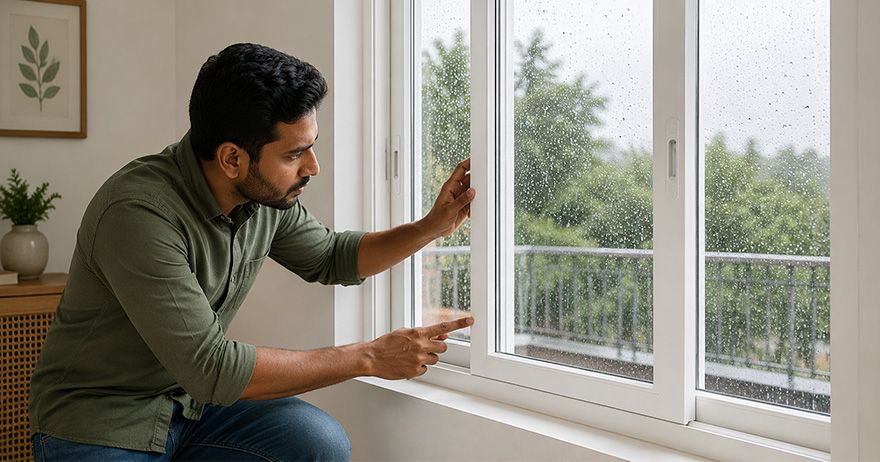
Weatherstripping is a sealing material installed around windows and doors to block rainwater, air leaks, dust, and insects. Before the monsoon season, homeowners should inspect weatherstripping for cracks, gaps, hardening, shrinkage, or signs of wear.
Damaged seals can allow water infiltration, increase energy loss, and reduce indoor comfort. A simple weatherstripping inspection helps identify problems early and ensures windows and doors remain airtight, weatherproof, and efficient during heavy rains and changing weather conditions.
What Is Weatherstripping?
Weatherstripping is a thin strip of material, usually rubber, foam, vinyl, or silicone, that is fitted along the edges of your windows and doors. It is used to close the small gap between the moving part (the door or window panel) and the fixed frame.
When a door or window closes, this strip compresses and creates a seal that blocks water, air, dust, and insects from entering your home.
Why Weatherstripping Is Important Before The Monsoon
Are you wondering how to prevent rainwater entering through windows? The answer is weatherstripping.
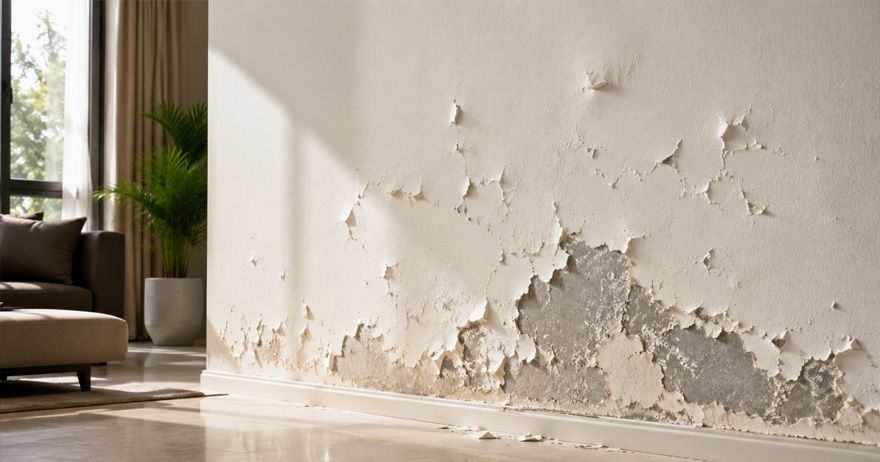
India sees wind-driven heavy rains during the monsoon. The rain doesn’t just fall straight down but hits your windows and doors at an angle. Even a 2 to 3 mm gap in the seal is enough for water to push through into your walls and floor. Once water gets in regularly, you get damp walls, peeling paint, mold growth, and eventually a weakened wall structure.
Gaps in window and door seals also let in moisture-laden air during the monsoon, which raises indoor humidity, makes the rooms feel stuffy, and encourages insects and mosquitoes to enter. Checking and replacing weatherstripping before the monsoon starts is one of the wisest things you can do to protect your home and avoid repair costs later.
Signs Your Window And Door Seals Need Attention
Cracked Or Brittle Seals
Run your finger along the rubber or foam strip on your window and door edges. If the material feels hard, crumbly, or breaks apart when you press it, it has lost its ability to compress and seal.
Visible Gaps Around Frames
Stand close to a closed door or window and look along the edge where the frame meets the wall or where the panel meets the frame. If you can see a sliver of daylight at any point, that gap will let in water during heavy rain.
Water Leakage During Rain
If you notice water on your windowsill, on the floor near the door, or on the inner wall beside a window after rain, your seal has failed. This is one of the clearest signs weatherstripping needs replacement.
Drafts And Air Leaks
Close all your windows and doors on a windy day and place your hand near the edges. If you feel air movement, the seal is not good enough.
Increased Dust Entry
During dry spells, if you find dust on your furniture, mirror, and decor items even when windows are kept shut, the seals have gaps that are letting outside air in. Once the rain starts, the same gaps will carry water.
Step-By-Step Weatherstripping Inspection Checklist
Here is how to inspect weatherstripping step-by-step before the monsoon begins.
- Visual test: Inspect all the window and door edges for cracks, compression, missing sections, or detached strips.
- Light test: At night, stand inside with lights on and ask someone to check from outside if light passes through gaps along the frame.
- Paper test: Close your window or door on a sheet of paper and try to pull it out. If it slides out easily, the seal is not making proper contact.
- Air/smoke test: Hold a lit incense stick near the frame edges. If the smoke bends toward the gap, air is leaking in.
- Water test: Pour a small amount of water along the outer frame and check inside if there is any leakage.
Follow this window seal inspection checklist to find any water or air leaks.
How To Check Window Seals Before Monsoon
Close the window fully and spray water on the outer frame using a hose or bucket. Wait for a minute and check the inner sill and the lower edge of the frame. If any moisture appears inside, it means that the sill has failed. Also, look for old watermarks or salt deposits on the inner wall near the window. These are signs of past water entry that is likely to repeat.
This is how to stop water leakage from windows.
How To Check Door Seals For Damage
To check the door seals for damage, follow these steps.
- Examine the door sweep (the strip at the bottom of the door) first. Check whether it still makes contact with the floor when the door is closed.
- Check the side and top edges where the rubber gasket sits in the frame. Press on the gasket. It should bounce back. If it stays flat or crumbles, you need to replace it.
- Check if your door still closes firmly. A door that has started to stick or feels looser than usual in its frame means the frame seal has worn down.
Common Weatherstripping Materials Explained
These are commonly used weatherstripping materials.
- EPDM Rubber: It is highly durable, handles direct sunlight, heat, and heavy rain without cracking. It can last for 7 to 10 years and is ideal for exterior doors and windows. It is one of the best weather stripping for windows.
- Foam Tape: It is affordable and easy to stick on, but compresses permanently with use. It usually needs replacement in 2 to 3 years and is ideal for windows that are not opened and closed frequently.
- Vinyl: It is moisture-resistant and works well in damp areas. But it can stiffen over time in high heat.
- Silicone: It is flexible, durable, and handles both heat and moisture well. It is slightly expensive, but it is the right choice for high-use windows and doors in coastal or high-rainfall cities.
When Should Weatherstripping Be Replaced?
Here is the window and door seal replacement guide.
Weatherstripping should be replaced every 5 to 7 years. However, in Indian weather conditions, with intense heat followed by a heavy monsoon, foam-based seals may need replacement every 2 to 3 years.
The right time to replace is when you notice any of the signs listed above, or when a seal fails the paper or air test. Do not wait till water enters your home to act.
How Quality uPVC Windows Improve Weather Protection
Wooden and aluminium windows rely entirely on weatherstripping to block water and air. If the strip fails, there is no backup.
Quality uPVC windows are built with multi-chamber profiles that prevent water from leaking inside even if the outer seal has failed. They come with welded leak-free corners, built-in drainage channels, durable rubber seals, and a frame that does not change shape with weather.
uPVC windows are the best weatherproof windows for monsoon season, as their built-in protection goes beyond what adhesive weatherstripping alone can offer.
Monsoon Weather Stripping Maintenance Guide For Windows And Doors
Here are some monsoon maintenance tips for windows and doors.
- Check and replace weatherstripping at least 4 to 6 weeks before the monsoon starts in your city.
- Clean the window tracks and door channels because clogged tracks allow water to pool and push past seals.
- Apply silicone sealant on visible cracks at the outer frame-to-wall junction before the first rain.
- Lubricate hinges and sliding mechanisms so they do not jam due to monsoon humidity.
- After heavy rain, wipe inner windowsills dry to stop mold from forming in standing moisture.
- Do a second check mid-monsoon, as the first few weeks of heavy rain usually expose the gaps that a dry inspection missed.