




Have you ever wondered what gives concrete its strength? Concrete is one of the most widely used construction materials because of its exceptional durability and compressive strength. Its performance depends on several factors, including the quality of cement, aggregates, water-cement ratio, proper mixing, compaction, and curing. Even small mistakes during preparation or curing can significantly reduce its strength and lifespan.
Whether you're building a home, planning a renovation, or simply curious about construction, this guide explains the science behind concrete strength and the best practices for achieving long-lasting, high-quality concrete.
What Is Concrete Made Of?
To understand what gives concrete its strength, first understand what concrete contains. Concrete is essentially a composite material made by combining a cementitious binder, water, fine aggregate, coarse aggregate, and, when required, chemical or mineral admixtures. The interaction between cement and concrete is particularly important because cement is an ingredient and binder, while concrete is the finished composite material.
Water is necessary for cement hydration and also makes the mixture workable enough to place and compact. Fine aggregate, usually sand, fills spaces between larger aggregate particles and contributes to the overall structure of the concrete. Coarse aggregate, such as crushed stone or gravel, forms a significant portion of the concrete volume.
How Concrete Gains Strength
The major factors affecting concrete strength include water-cement ratio, cement quality and type, aggregate quality and grading, mix proportions, mixing quality, compaction, curing conditions, temperature, workmanship and use of appropriate admixtures.
Concrete does not achieve its final performance immediately after it is poured. Its strength develops over time as cement reacts chemically with water. This process is known as hydration. When cement comes into contact with water, chemical reactions begin. These reactions form binding products that gradually connect the aggregate particles and create a hardened cementitious matrix. As hydration continues, the concrete generally becomes stronger.
The Importance of the Water-Cement Ratio
The water cement ratio is one of the most important factors influencing hardened concrete performance. It refers to the ratio of the weight of water to the weight of cement in the concrete mixture. For example, if a mixture contains 180 kg of water and 360 kg of cement, the water-cement ratio by weight would be 0.50.
Why Too Much Water Can Be a Problem
Adding excessive water can make fresh concrete easier to work with, but it can also leave more capillary pore space after the excess water eventually leaves the hardened concrete. Greater porosity can reduce strength and durability.
Does Less Water Always Mean Stronger Concrete?
No, too little water can make the mixture difficult to place and compact properly. Poor workability can lead to inadequate compaction and trapped air, which can also reduce performance.
Role of Aggregates in Concrete Strength
Aggregates make up a large proportion of concrete and play an important role in its mechanical and physical properties. The quality and characteristics of both fine and coarse aggregates influence the mixture's performance.
- Aggregate Strength: Weak or unsuitable aggregates can limit the performance of the finished concrete, particularly where high-strength concrete is required.
- Aggregate Size and Grading: A properly graded combination of aggregate sizes can reduce unnecessary voids and help produce a more compact mixture.
- Aggregate Shape: The shape and surface texture of coarse aggregate can influence bonding, workability, and the amount of cement paste required.
- Cleanliness: Aggregates should be appropriately clean and free from harmful quantities of materials that could interfere with cement hydration or bonding.
- Aggregate-to-Paste Relationship: Concrete performance depends on how the aggregate skeleton interacts with the cement paste surrounding it.
Why Proper Mixing and Compaction Matter
Even a carefully designed concrete mixture can fail to achieve its intended performance if it is not mixed and placed correctly.
Proper Mixing
Mixing should distribute cement, water, aggregates, and admixtures uniformly throughout the batch. Poor mixing can create areas with different proportions, resulting in inconsistent concrete quality. The required mixing method and duration depend on the concrete production system and project requirements.
Compaction
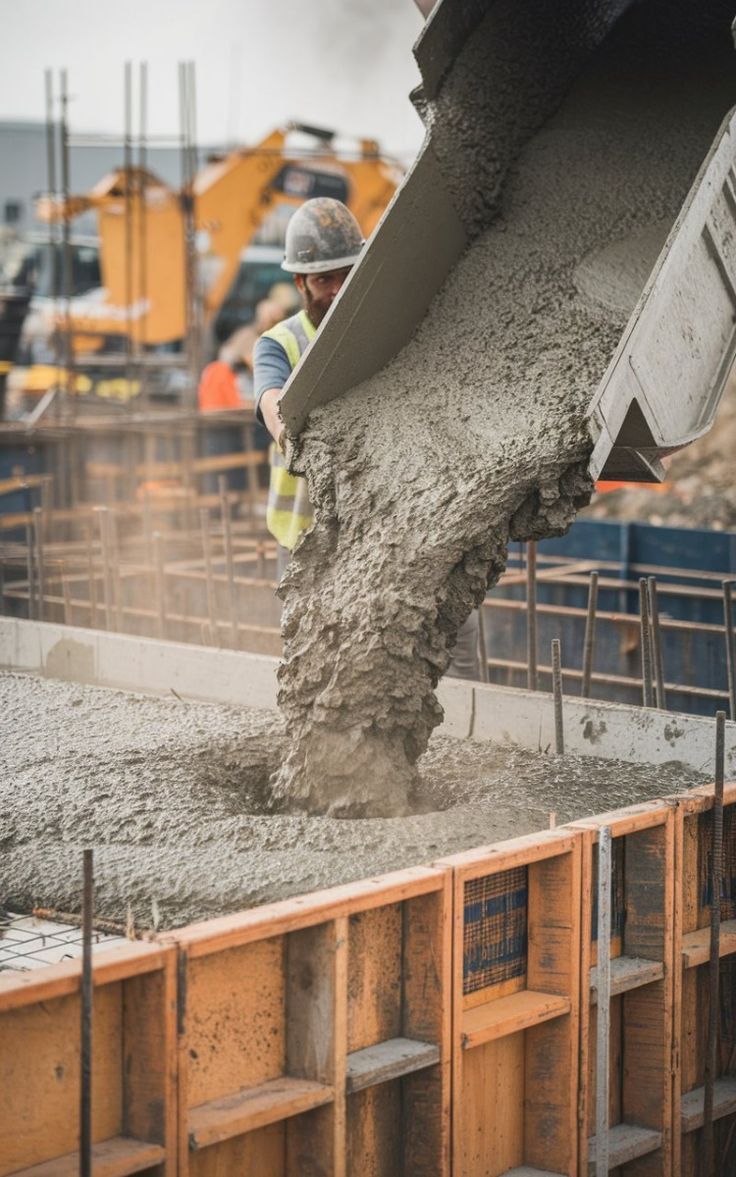
Fresh concrete contains entrapped air. Proper compaction helps remove unwanted air voids and ensures that the concrete surrounds reinforcement and fills the formwork properly.
Methods can include appropriate vibration or other approved compaction techniques.
The Importance of Concrete Curing
Concrete curing is one of the most important stages after concrete placement. Curing helps provide the moisture and temperature conditions needed for cement hydration to continue. Proper curing can support strength development, reduce excessive moisture loss, improve surface quality, reduce the risk of early-age cracking, improve long-term durability and help concrete achieve its specified performance
If freshly placed concrete loses moisture too quickly, hydration may be interrupted before the cement has developed its intended properties. This can contribute to weaker surfaces, shrinkage-related cracking, dusting, and reduced durability.
Depending on the project, curing may involve keeping the surface continuously moist, using wet coverings, ponding or other controlled water-curing methods, applying suitable curing compounds and using other approved curing systems appropriate to the concrete and environmental conditions.
Common Mistakes That Reduce Concrete Strength
Avoiding the below basic workmanship errors.
- Adding Excess Water: Extra water may make fresh concrete easier to work with but can increase porosity and reduce hardened performance.
- Poor Mixing: Inadequate mixing can result in uneven distribution of cement, aggregates, water, and admixtures.
- Insufficient Compaction: Trapped air and voids can reduce the effective density and strength of concrete.
- Skipping or Shortening Curing: Allowing concrete to dry too quickly can interfere with hydration and strength development.
- Using Dirty Aggregates: Harmful contaminants can interfere with bonding and concrete performance.
- Improper Placement: Excessive segregation or delays during placement can create weak or inconsistent areas.
- Ignoring Weather Conditions: Very hot, dry, windy, or cold conditions can affect setting, moisture loss, and strength development.
- Poor Reinforcement Placement: Incorrect reinforcement positioning can affect structural performance even when the concrete itself is adequately mixed.
- Using an Uncontrolled Mix: Guessing ingredient quantities instead of following the specified mixture proportions can produce inconsistent results.
Tips to Improve Concrete Durability and Performance
The goal of concrete durability is to ensure that the material can withstand expected environmental exposure and continue performing over its intended service life.
Use Appropriate Mix Proportions
The Concrete mix ratio should be established according to the required strength, workability, exposure conditions, materials, and applicable project specifications rather than relying on arbitrary proportions.
Control Water Addition
Avoid adding water at the site simply to make concrete easier to place. If additional workability is required, an appropriate admixture or approved adjustment to the mixture should be considered.
Use Quality Materials
Cement, aggregates, water, and admixtures should meet the required specifications and be stored properly.
Compact Properly
Ensure that concrete completely fills the formwork and surrounds reinforcement without leaving significant voids.
Cure Correctly
Maintain suitable moisture and temperature conditions during the specified curing period.
Protect Fresh Concrete
Protect newly placed concrete from excessive heat, strong winds, rain, freezing conditions, and physical disturbance where necessary.
Follow the Design Specification
Structural concrete should be produced and placed according to the structural design, mix specification, applicable standards, and qualified engineering guidance.
How Concrete Strength Is Tested
Concrete strength is generally assessed through standardized testing rather than by simply looking at the finished surface. One of the most widely used measures is the compressive strength of concrete.
| Test or Assessment | What It Indicates | Typical Purpose |
|---|---|---|
| Compressive strength test | Resistance to compressive loading | Assess specified concrete strength |
| Slump test | Workability of fresh concrete | Check consistency before placement |
| Visual inspection | Surface and workmanship condition | Identify visible defects |
| Density-related checks | Concrete compactness and composition | Quality-control applications |
| Other specialized tests | Specific performance characteristics | Durability or structural investigation |
Final Thoughts
So, what gives concrete its strength is a combination of chemical reactions, carefully selected materials, appropriate proportions, and good construction practices. For concrete construction, quality control should continue from material selection through mixing, placement, curing, and testing. Cutting corners at any stage can compromise the final result. The quality of other building materials, reinforcement, workmanship, design, drainage, and environmental protection all contribute to the long-term performance of a structure.