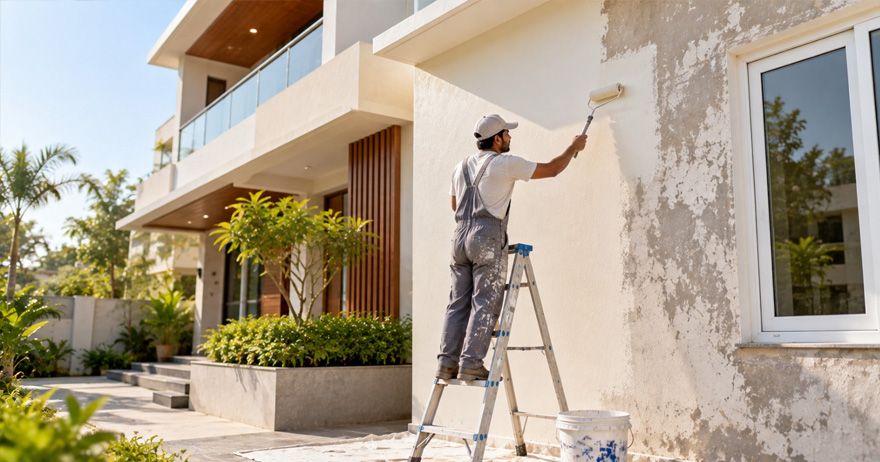
Repainting your home is not only about refreshing its appearance. It also helps maintain walls and exterior surfaces that are exposed to sunlight, humidity, dust, rain, and everyday wear. Knowing when to repaint your home can help you avoid waiting until paint has already started peeling, cracking, fading, or developing stains. There is no single repainting cycle that suits every Indian home because the ideal frequency depends on whether the surface is indoors or outdoors, the quality of the paint, preparation, ventilation, local climate, and level of use.
Homes in humid, coastal, dusty, or high-sunlight regions may need more frequent maintenance. Regular inspection can help determine when repainting is actually necessary.
How Often Should You Repaint Your Home?
A house repainting cycle should be treated as a range rather than a fixed deadline. A well-prepared surface with suitable paint may last considerably longer than a poorly prepared wall exposed to moisture.
For homeowners asking how often should you repaint your house, the better approach is to inspect the condition of each area rather than repainting the entire property automatically at the same interval.
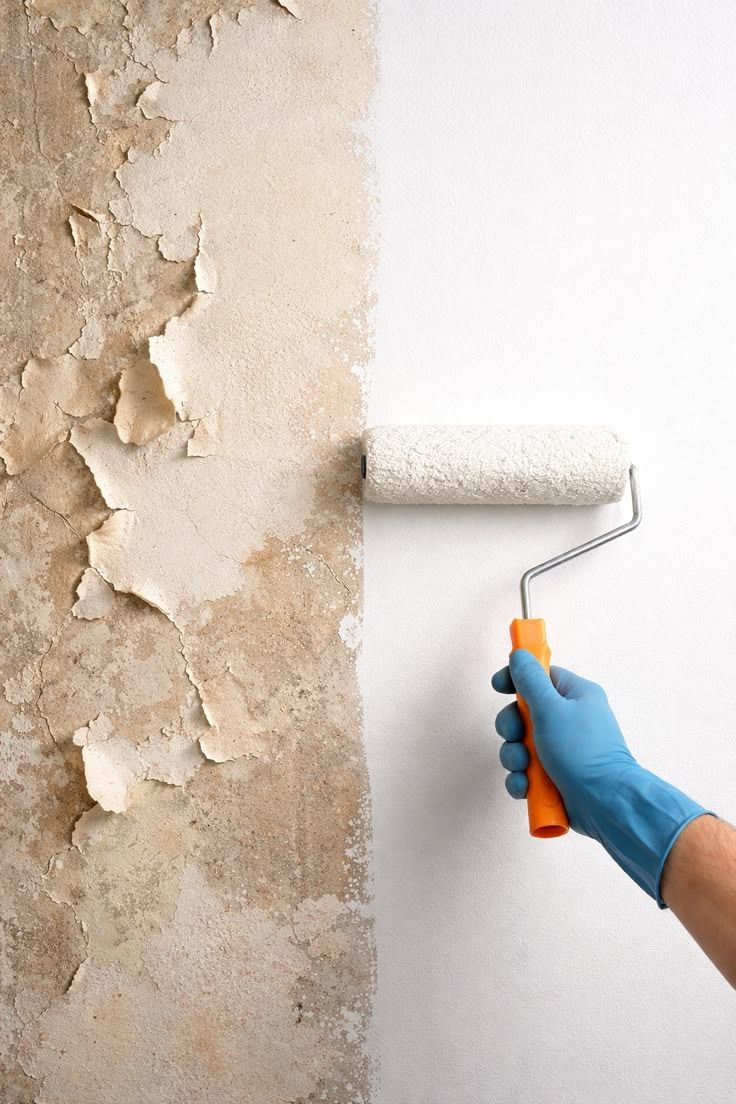
What Determines the Life of Interior and Exterior Paint?
Paint life depends on several factors, and two rooms in the same house can require repainting at different times. Major factors to consider are surface preparation, paint quality, environmental exposure, ventilation and usage.
A realistic repainting frequency in India therefore depends on the specific room, wall, paint system, and environmental conditions rather than simply the age of the existing paint.
Interior Wall Repainting Cycles for Different Rooms
The interior wall repainting cycle can vary significantly between rooms. A clean, lightly used bedroom may need attention much later than a heavily used kitchen or hallway.
- Living Room: Fading, stains, scuff marks, and changes in décor may eventually make repainting worthwhile.
- Bedrooms: A good-quality paint can remain in acceptable condition for several years when the room is well ventilated and free from moisture problems.
- Children's Rooms: Children's rooms may require more frequent maintenance because walls can collect fingerprints, marks, drawings, and stains.
- Kitchen: Kitchen walls are exposed to cooking vapour, grease, heat, and stains. Even when the paint remains intact, cleaning and moisture exposure can affect its appearance.
- Bathrooms: Bathrooms require particular attention to moisture and ventilation. Peeling or bubbling paint may indicate a moisture problem rather than simply old paint.
Exterior House Repainting: When Is It Usually Needed?
Exterior paint is exposed to much harsher conditions than interior paint. Sunlight can gradually fade colours, while rain and humidity can affect the coating and the underlying surface. Dust and pollution can also make exterior walls look dull. A typical exterior house repainting cycle is often shorter than the interior cycle, but the exact timing depends heavily on the local climate and paint system. You should inspect south-west facing walls, check around windows and doors, look at boundary walls and address cracks before painting.
How Indian Climate Affects Paint Lifespan
India has diverse climatic conditions, so paint performance can vary considerably between regions. Painting is frequently required for hot and sunny areas, coastal regions, high-rainfall areas, humid regions, dusty and polluted areas. The paint lifespan in Indian climate is therefore influenced by both the paint system and the conditions surrounding the building.
Signs That Your Home Needs Repainting
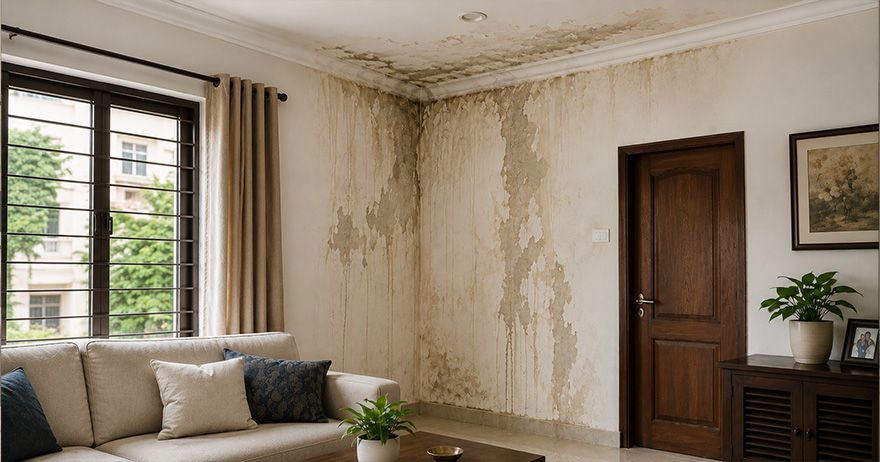
Waiting until the paint is severely damaged can make the eventual maintenance job more complicated. Some common signs your house needs repainting include fading or noticeably uneven colour, peeling or flaking paint, cracking or blistering, persistent stains, chalking on exterior surfaces, visible patches from repeated touch-ups, scuff marks that no longer clean easily, mould or mildew associated with surface moisture and exposed or deteriorating underlying material.
How Humidity, Rain, Sunlight, and Dust Affect Painted Surfaces
Weather exposure can gradually change the appearance and performance of painted surfaces. Good wall paint maintenance includes regular inspection, cleaning where appropriate, repairing surface problems, and addressing moisture before it damages the coating.
Humidity
Moisture in the air can slow drying and contribute to mould or mildew in poorly ventilated areas.
Rain
Repeated wetting can affect exterior coatings, especially where water remains on walls or enters through cracks and poorly sealed joints.
Sunlight
UV exposure can cause colours to fade over time. Strongly exposed walls may deteriorate faster than shaded surfaces.
Dust
Dust accumulation can make painted surfaces appear dull. Regular cleaning can help maintain appearance, particularly on exterior walls.
Temperature Changes
Repeated expansion and contraction of building materials can contribute to surface movement and cracking. Paint alone cannot prevent structural movement.
Does Paint Quality Change the Repainting Cycle?
Yes, paint quality and the suitability of the product for its intended application can influence durability. However, choosing a premium product does not guarantee that the paint will last if the surface is damp, poorly prepared, or exposed to an unresolved building defect. Use the correct paint for the surface, don’t skip primer, prepare the surface properly and follow application instructions.
Best Time of Year to Repaint a House in India
The best time to repaint a house depends on the local climate and the type of work being carried out. For exterior painting, a period with relatively dry weather and moderate temperatures is good. Repaint before monsoon, avoid persistent rain and consider extreme heat climate. Interior painting is more flexible because controlled indoor conditions can reduce exposure to weather.
Repainting vs Touch-Up: When Do You Need Each?
Not every damaged wall requires complete repainting. A touch-up may be sufficient when the damage is small and isolated, while full repainting is more appropriate when deterioration is widespread.
| Situation | Touch-Up | Full Repainting |
|---|---|---|
| Small isolated scuff | ✓ | |
| Minor nail holes | ✓ | |
| Small local stain after fixing the cause | ✓ | |
| Widespread fading | ✓ | |
| Extensive peeling | ✓ | |
| Multiple visible patches | ✓ | |
| Major colour change | ✓ | |
| Large-area cracking | ✓ |
Common Repainting Mistakes That Reduce Paint Life
- Painting over damp walls: Fresh paint may peel or blister if moisture remains underneath.
- Skipping surface preparation: Dust, grease, loose paint, and damaged surfaces can reduce adhesion.
- Ignoring cracks: Painting over an active crack does not fix the underlying cause.
- Using interior paint outdoors: Exterior surfaces require products designed to withstand outdoor exposure.
- Skipping primer where required: The correct primer can improve adhesion and surface preparation.
- Painting during unsuitable weather: Rain, excessive humidity, or unsuitable temperatures can interfere with drying and finish quality.
- Applying paint over mould without treatment: The underlying moisture and mould problem should be addressed first.
- Choosing colour without considering sunlight: Strong sunlight can change how colours appear and may accelerate fading.
- Ignoring drainage and leaks: Repainting will not solve water entering through roofs, pipes, joints, or poorly drained areas.
- Using incompatible products: Paint systems should be compatible with the existing surface and previous coating.
Final Thoughts
Knowing when to repaint your home is less about following a fixed number of years and more about understanding the condition of the painted surfaces. Interior and exterior walls experience different levels of wear. Climate also matters. A practical home painting maintenance tips routine should include cleaning surfaces where appropriate, checking for moisture, repairing cracks, inspecting exterior walls, and addressing leaks promptly.