


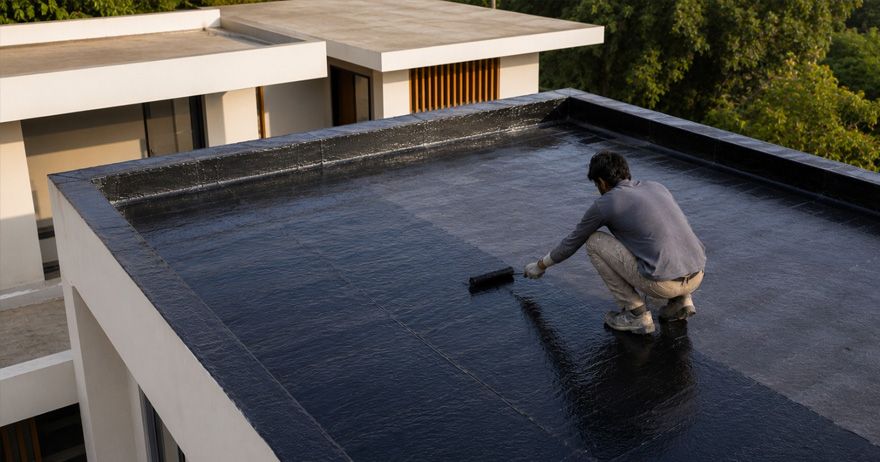
The monsoon brings challenges such as leaks, dampness, seepage, and structural damage. And the only solution to deal with these issues is to waterproof the house. While waterproofing can be applied both during and after construction, implementing it during the construction phase is generally more effective and cost-efficient.
Early waterproofing helps in preventing moisture penetration, even before problems develop. Whereas post-construction waterproofing involves repairs, surface treatments, and higher costs. And, in this blog, we will understand the difference in waterproofing cost before and after construction, the best time for waterproofing that can help homeowners make better construction and maintenance decisions.
Why Waterproofing Is Essential for Every Home?
Waterproofing is an essential step for every home. Whether you do it at the time of construction or after completion of your home construction, you must invest in good waterproofing solutions to protect your home from water damage. Waterproofing increases the lifespan of your house, and it doesn’t let the water seep inside. Also, you can avoid issues like mould growth in your house if you have done waterproofing in your house.
What Is Construction-Stage Waterproofing?
Construction-stage waterproofing means taking protective measures for your house while it’s being constructed. Waterproofing your house during the initial construction is also more cost-effective and makes your structure stronger. You can use different waterproofing materials for different stages, and this way you know you’ve built a safe and strong house.
The construction stage waterproofing guide involves:
- Assessing soil conditions
- Preparing the surface
- Applying liquid barriers to foundations, roofs, and other wet areas.
- Mixing waterproofing chemicals with construction materials
What Is Post-Construction Waterproofing?
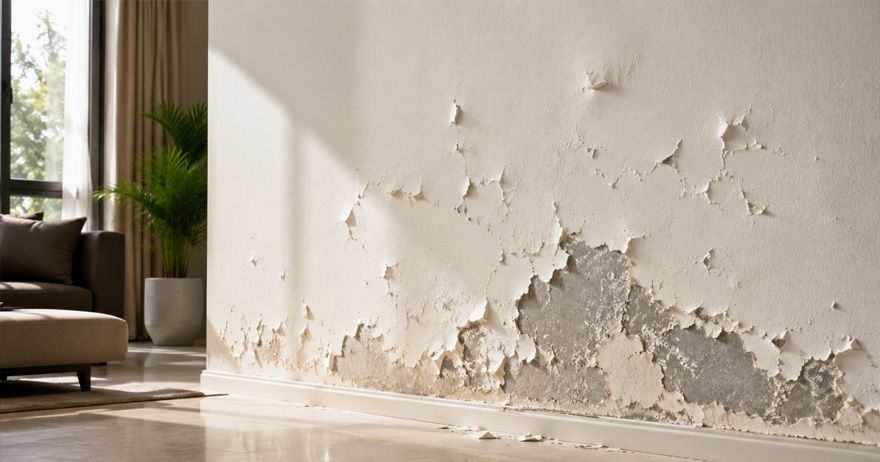
Post-construction waterproofing means applying waterproofing solutions after the construction of the house. This method can be equally effective if the damage is minor. But if you are doing waterproofing of your house when the roof is leaking, moulds are present in the walls, or the plaster is peeling off, showing the bricks, then you need to spend alot more.
Post-construction waterproofing involves:
- Applying a waterproofing solution on the roof
- Filling active leaks in walls or floors
- Spraying clear, hydrophobic sealants onto the exterior walls
- Applying cementitious coatings to the inside walls of a basement
Waterproofing During Construction vs After Construction
Waterproofing is one of the most important steps, and whether you do it during construction or after construction depends on the homeowners. Both are effective, but also have some differences.
Check out the table mentioned below to know the best answer:
| Features | During Construction | After Construction |
|---|---|---|
| Cost Comparison | The cost of waterproofing is low | The cost of waterproofing is high |
| Effectiveness Comparison | Highly effective | High to moderate |
| Durability Comparison | Highly durable | Moderately durable |
| Maintenance Requirements | Some parts require maintenance from time to time | Needs maintenance every 3 to 4 years |
| Ease of Application | Easy | Moderate |
Areas That Need Waterproofing During Construction
Certain areas in our homes surely need waterproofing during construction. And if you fail to do that, then there is a high chance that those areas will create a bigger and more expensive problem in the future. So, here’s the list of some areas that do need waterproofing during construction:
Roofs and Terraces
Roofs and terraces are the most vulnerable areas of your home. They deal with direct heat from the sun, heavy monsoon rains, and other environmental factors. So, it’s important to use waterproofing solutions like Polyurethane liquid membranes or APP modified bituminous membranes from the very start to protect your home from environmental damage.
Bathrooms
The bathroom is a high-moisture area with continuous water usage and a plumbing system. If you don’t waterproof your bathroom, then over time that moisture from the ground will shift on the walls, and after a few years there’s a high chance of structural damage as well. Hence, using a two-component Acrylic Polymer-Modified Cementitious Coating during construction is the only solution to prevent moisture damage.
Balconies
Balconies are another element of your house that is directly exposed to environmental effects. Extreme summer heat or excessive rain can damage balconies and pose a high risk of structural damage. To prevent that, it’s important to use durable waterproofing materials during construction.
Basements
Your basements need dual protection as they sit below the water table, getting pressure from the surrounding wet soil. And if this problem is ignored, then a flood-like situation can happen. So, for that, using crystalline chemicals mixed into the concrete is a good solution, as it reacts with moisture to permanently plug pores from within.
External Wall Waterproofing Before Painting
External walls are the first line of defense for your home. Constant exposure to heat and rain creates issues like cracks, chipping of paint, and even damage to the walls, and for that, waterproofing during construction becomes a shield against all those issues.
Water Tanks
Waterproofing prevents leaks, seepage, and contamination in overhead and underground water tanks. It also ensures a safe water supply and increases the tank's lifespan.
Common Problems Caused by Delayed Waterproofing
Most homeowners postpone waterproofing, thinking they can do it after the monsoon or a few years later. However, this is one of the biggest mistakes you can make as a homeowner. Delaying waterproofing can lead to several costly problems, including:
- Delaying waterproofing can lead to damp walls.
- If you delay the waterproofing of your home, then it might cause mold growth that can lead to several health issues.
- Delayed waterproofing is the common cause of structural cracks, paint damage, and weakened concrete.
- Delayed waterproofing will be more costly.
Signs Your Home Needs Waterproofing
If you have these signs, then it’s the best time for house waterproofing:
- Damp patches
- Peeling paint
- Musty odors
- Mold growth
- Water stains
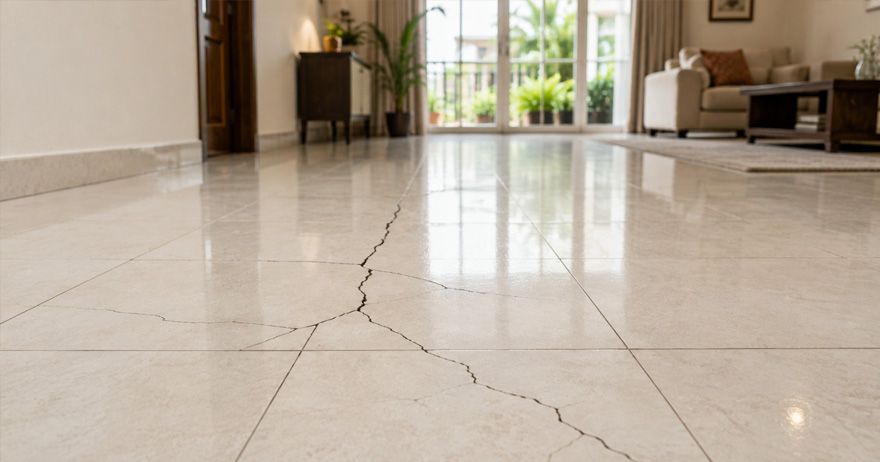
- Wall cracks, and recurring leaks
Best Waterproofing Practices for New Homes
Here’s the list of best waterproofing practices that all new homeowners should follow:
- Use waterproofing materials during construction
- Before starting the construction, make sure the surface is properly prepared
- Waterproof all wet areas and roofs
- Conduct quality inspections before finishing the construction work.
How does waterproofing protect property value?
The value of a home is determined by more than just its design, interiors, or the size of the plot it is built on. A home free from water leakage, dampness, and swollen walls holds greater property value. Waterproofing not only protects the structural integrity of the house but also reduces maintenance costs, enhances its appearance, and increases its long-term resale value.