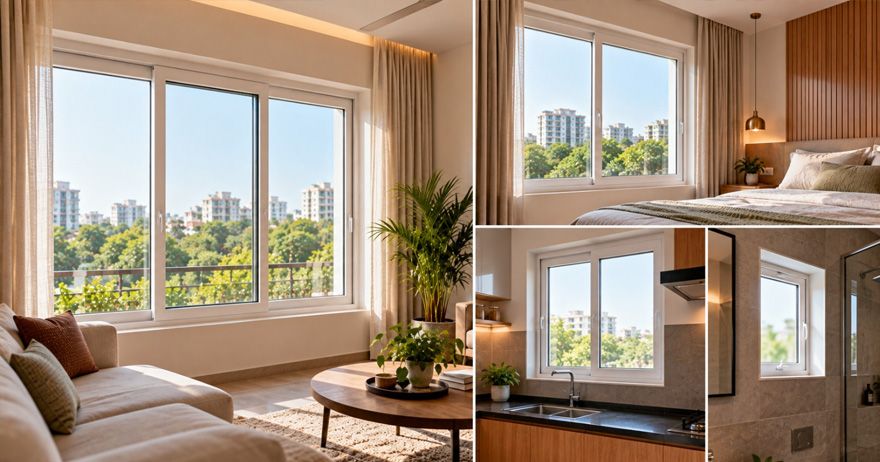
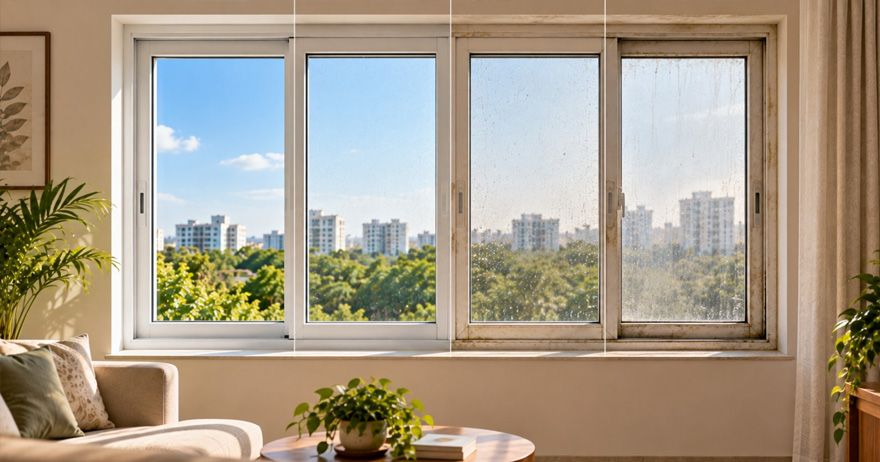
Windows provide ventilation, natural light, insulation, security, and weather protection, but their condition can gradually change with age. Knowing what to expect at each stage can help you spot routine maintenance needs before they become expensive problems. A practical window lifespan and maintenance approach includes periodically checking frames, seals, hardware, drainage, glass, and overall operation. Around the first few years, most windows may only require routine cleaning and hardware checks. As they get older, seals, moving components, and finishes may show signs of wear. By understanding the typical changes at Years 1, 5, 10, and 20, homeowners can make informed decisions about maintenance, repair, or replacement.
What Determines the Lifespan of a Window?
Material, Glass & Hardware
The quality of the profile, glass and hardware determines how well the window handles weather, daily use and long-term wear.
Manufacturing & Installation
Precise fabrication, reinforcement, assembly, alignment, fixing and sealing all affect how reliably the window performs over time.
Exposure & Usage
Heat, rain, coastal conditions, and how often you operate the window can all affect its rate of wear.
Maintenance & Upkeep
Regular cleaning, hardware checks and timely attention to seals or operating issues can help prevent small problems from becoming bigger ones.
Year 1: Check the Installation & Let the Windows Settle
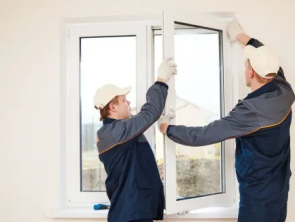
Look for alignment, smooth operation, proper sealing and any water or air leakage that may point to an installation issue.
Year 5: Maintenance & Early Signs of Wear
Check the hardware, seals, drainage and moving parts, and address small issues before they affect everyday operation.
Year 10: Recheck Performance, Seals & Hardware
Look for changes in opening and closing, worn seals, hardware performance, water tightness and overall window condition.
Year 20: Repair, Upgrade or Replace?
Assess whether repairs can restore performance or whether ageing profiles, glass, hardware or changing requirements make replacement more practical.
How uPVC, Aluminium, and Wooden Windows Age Differently
| uPVC Windows | Aluminium Windows | Wooden Windows | |
|---|---|---|---|
| What changes with age? | Hardware; gaskets and seals wear; profiles need little upkeep. | Coatings may weather; hardware and seals may need maintenance. | Wood may swell; shrink; crack or change colour with moisture. |
| Maintenance over time | Mostly cleaning; hardware checks and replacing worn seals or hardware. | Cleaning; hardware checks and attention to the finish where required. | Regular sealing; painting or polishing and checking for moisture damage. |
| What affects lifespan most? | Profile; reinforcement; hardware; installation and weather exposure. | Finish; corrosion; hardware; installation and environment. | Wood quality; moisture; surface protection; installation and maintenance. |
| When problems appear? | Harder operation; worn gaskets; leaks or hardware issues. | Worn hardware; deteriorating seals or changes to the surface finish. | Peeling finish; swelling; cracks; sticking shutters or signs of moisture damage. |
Glass, Seals, Hardware, and Frames: What Wears Out First? Warning Signs That Your Windows Need Attention
Hardware: often the first component you notice wearing out
Because they move every day, handles, rollers, hinges, and locking points face repeated mechanical stress. How often you use them and the quality of the hardware make a big difference.
Seals: often the first to lose performance
A gasket may still look intact while becoming harder or less flexible. Once that happens, sealing around the opening can gradually deteriorate.
Glass: usually the glass itself lasts, but the glass unit can develop issues
For insulated glass, the edge seal and spacer system are important. With coated glass, the coating also needs protection from abrasive cleaning and unsuitable chemicals.
Frame: generally the slowest to wear
A good-quality uPVC profile is designed to remain stable for years. Focus on the surface finish, welds, reinforcement, drainage, and installation joints, rather than expecting the whole frame to "wear out."
How Regular Maintenance Can Extend Window Life
Prevents small problems from becoming major failures
Catching worn seals, loose hardware, or early alignment issues reduces the chance of damage spreading to other window components.
Reduces stress on hardware and moving parts
When tracks, hinges, rollers and locks remain in good working condition, they operate with less resistance, reducing premature wear.
Preserves sealing performance
Keeping seals and drainage paths in working condition helps prevent prolonged exposure to water and moisture, which can accelerate deterioration around the window.
Protects the frame and finish
Removing accumulated dirt, moisture, and contaminants helps prevent surface deterioration and keeps the frame in better condition over the years.
When Is It More Cost-Effective to Replace Older Windows?
- 3+ major repairs in 5 years → Frequent hardware, seal, glass or frame-related repairs can indicate that several components are ageing together.
- 20+ years old → Once a window reaches this age, assess its overall condition rather than replacing components indefinitely.
- 30–40% of replacement cost spent on repairs → If cumulative repair costs approach roughly one-third to two-fifths of a new window's cost, get a replacement quote and compare the two options.
- 5–10 years of expected use remaining vs a new window's longer service life → Consider whether another major repair makes sense when the existing window has relatively little useful life left.
Final Thoughts
uPVC windows can remain functional for decades when their frames, seals, glass and hardware are kept in good condition. Regular maintenance helps slow wear, while timely repairs prevent small issues from affecting other components. As windows age, compare repair costs and frequency with their remaining useful life to decide when replacement makes more financial sense. Check with our experts at IndiFrame on how you should maintain your uPVC windows.