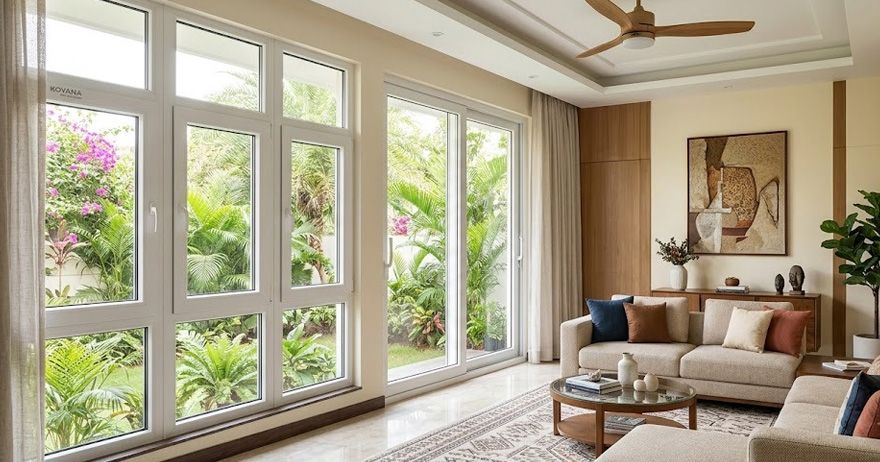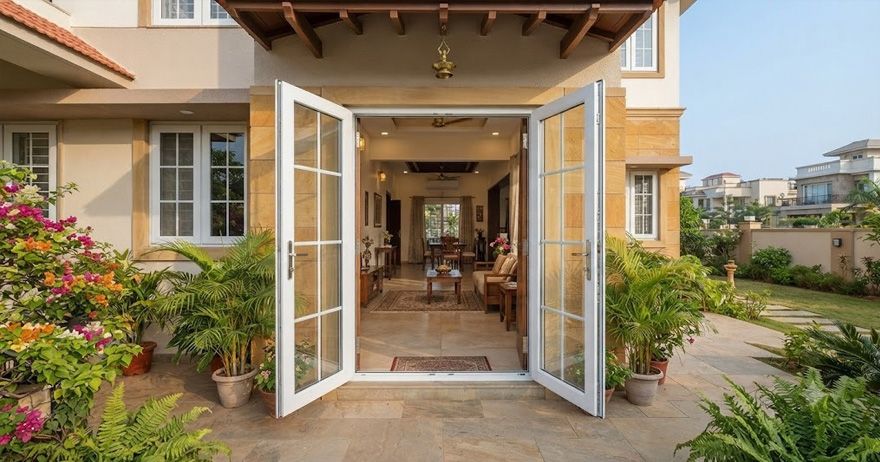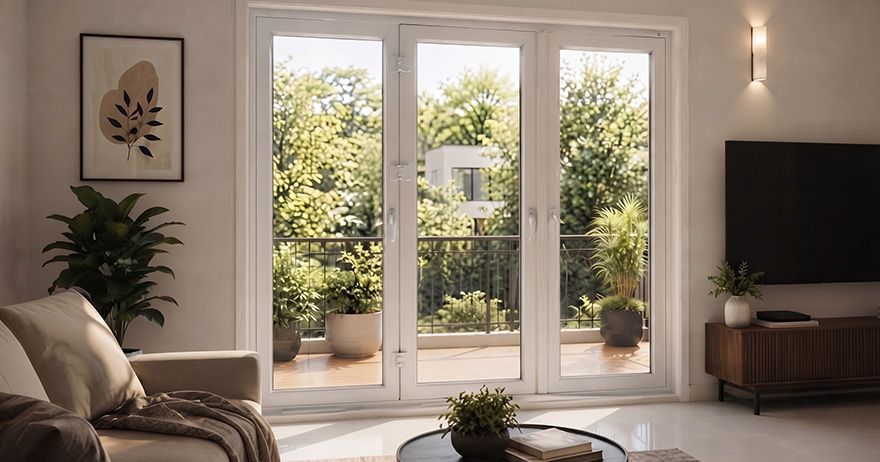




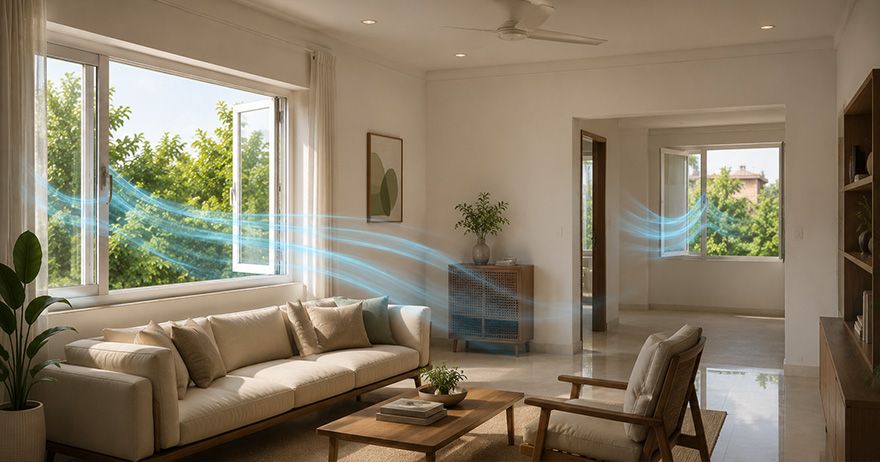
In order to improve ventilation and airflow within your home, window placement is quite important. A natural cooling effect is produced by properly positioned windows, which let in fresh air while forcing out hot, stale air. One of the best ways to increase indoor comfort is by cross ventilation, which is the flow of air between opposing windows. Heat accumulation, inadequate air circulation, and increased energy use can result from poor window location. In this guide, we explain how window positioning affects airflow and share practical tips to improve ventilation in your home.
Why Window Placement Matters for Ventilation
The concept of window placement or fenestration, as 19th-century architects elegantly dubbed it, has existed for thousands of years. Ancient civilizations may not have used technical terms like airflow optimization or building performance, but they understood how placing openings in a building directly affects how people live inside it and influences airflow in house design.
Traditional homes in India were often designed to harness natural breezes and maintain cooler indoor temperatures without mechanical cooling. Back then, homes were more open and less densely surrounded by buildings, making cross ventilation in homes easier to achieve. Today’s urban homes and apartments face tighter layouts, nearby towers, limited open space, and increasing dependence on air conditioning. This makes window placement for ventilation more important than ever.
In a bid to safeguard health by flushing out indoor pollutants and preventing "Sick Building Syndrome," enhance psychological well-being by fostering a sensory connection to the outdoors, and drive sustainability through natural ventilation house design, there is often a battle between Vastu Shastra and aerodynamics. Proper window placement for ventilation helps create healthier, cooler, and more energy-efficient living spaces.
What Is Cross Ventilation and How It Works
Cross ventilation is a natural cooling method where fresh air enters through one window or opening and exits through another on the opposite or adjacent side. This creates continuous airflow that removes heat, humidity, and stale indoor air. Cross ventilation in homes works best when windows are positioned across from each other, wind can move freely through the space, and surrounding structures do not block airflow. Good ventilation design helps keep homes cooler and reduces dependence on fans and air conditioning.
Best Window Positions for Maximum Airflow
| Direction | Associated Element | Primary Benefit | Recommended Window Size | Window Placement Recommendation |
|---|---|---|---|---|
| North (Uttara) | Water | Wealth and Energy | Large | Best direction for large windows and openings |
| North-East (Ishan) | Water | Prosperity | Large | Ideal for maximum openings and natural light |
| East (Purva) | Sun and Air | Health and Well-being | Large | Excellent direction for larger windows |
| South-East (Agneya) | Fire | Energy | Small to Moderate | Keep openings controlled and avoid oversized windows |
| South (Dakshina) | Fire | Stability | Small to Moderate | Use smaller windows and adequate shading |
| South-West (Nairitya) | Earth | Protection and Security | Small | Minimize the window area in this direction |
| West (Paschim) | Water and Space | Gains | Small to Moderate | Limit openings and provide shading solutions |
| North-West (Vayavya) | Air | Movement and Ventilation | Moderate | Suitable for ventilation-focused openings |
Common Mistakes in Window Placement
Poor window placement for ventilation can restrict airflow, trap heat, and reduce indoor comfort. Common mistakes include single-sided openings, ignoring sun direction, blocked airflow paths, nearby obstructions, and prioritizing aesthetics over ventilation, climate response, and practical airflow performance.
How Window Size Affects Airflow
Window size directly affects airflow in house design and indoor comfort. Larger windows improve ventilation by allowing more air movement, while very small openings can make spaces feel warmer and stuffier. Balanced inlet and outlet window sizes help maintain smooth cross ventilation in homes, whereas oversized west or south-facing windows may increase heat gain if not properly shaded. Window height also matters, as combining lower and higher openings helps hot air escape more efficiently.
Tips to Improve Ventilation in Existing Homes
If you are wondering how to improve airflow in house layouts with limited ventilation, using windows that open wider can significantly increase air movement. Adding ventilators or exhaust fans helps remove trapped heat and humidity, while keeping interiors open by avoiding heavy curtains or blocked openings improves airflow naturally. These home ventilation tips India homeowners commonly use can help create fresher and more comfortable indoor spaces.
Designing a Well-Ventilated Home
Designing a well-ventilated home is less about adding more windows and more about using smart window placement tips to improve airflow, reduce heat buildup, and create healthier living spaces. In Indian homes especially, climate, monsoon exposure, sunlight direction, and surrounding buildings all influence window placement for ventilation. When window placement, size, direction, and type work together effectively, homes can stay naturally cooler, brighter, and more energy-efficient while reducing dependence on artificial cooling systems.