


What Is a Window Warranty?
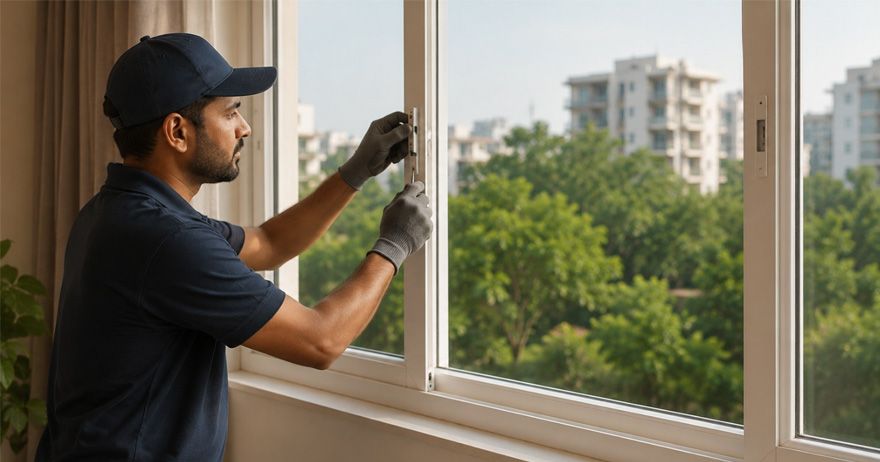
A window warranty is a manufacturer's or supplier's written promise to repair, replace, or rectify specific defects in a window if they occur within a defined period and under stated conditions. It outlines what is covered, how long the coverage lasts, and what exclusions apply, giving homeowners confidence in the quality and durability of their windows.
A warranty is different from a guarantee. While a guarantee is often a general assurance of product quality, a warranty is a formal, legally defined commitment that clearly specifies the duration, coverage, claim process, and exclusions.
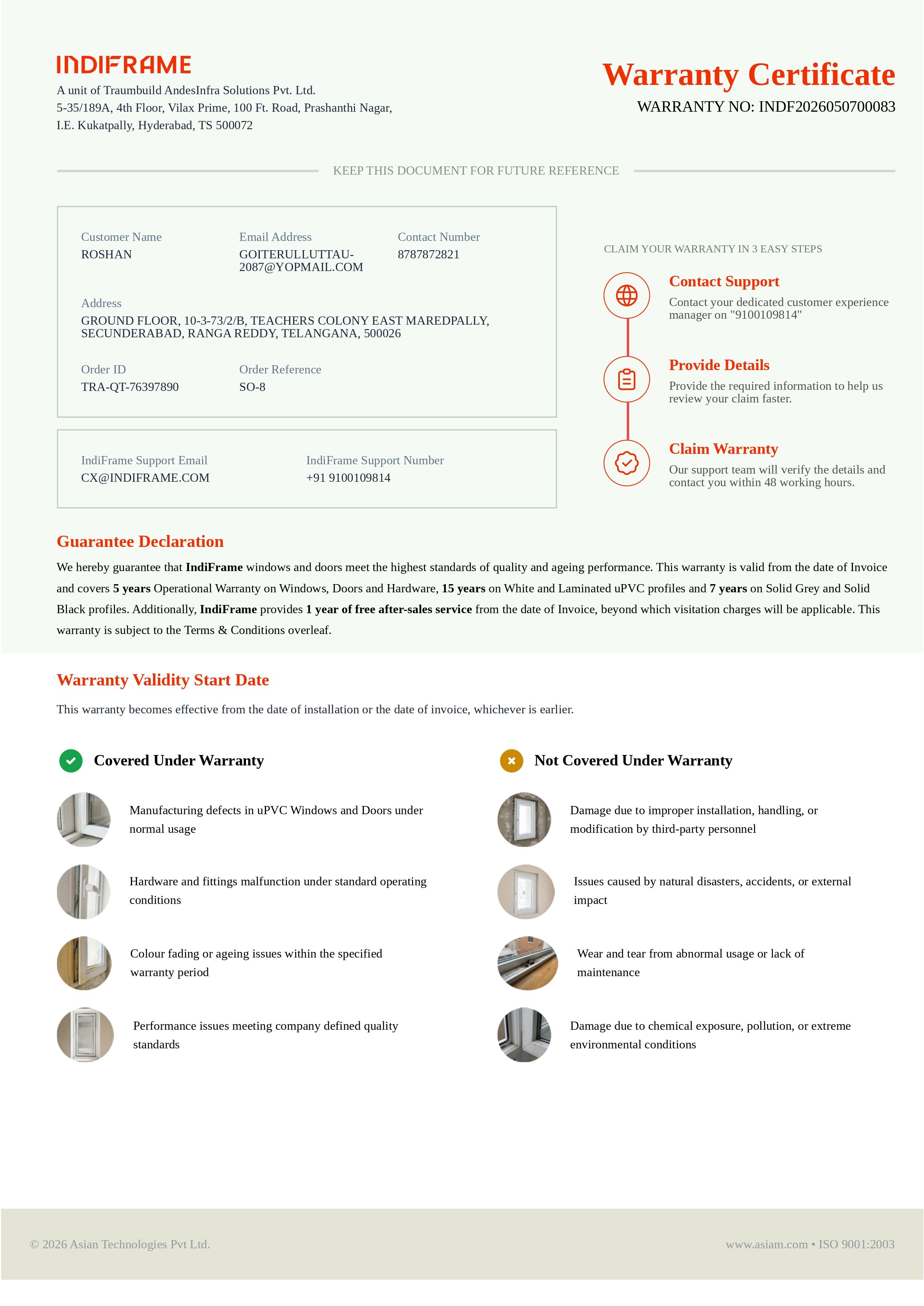
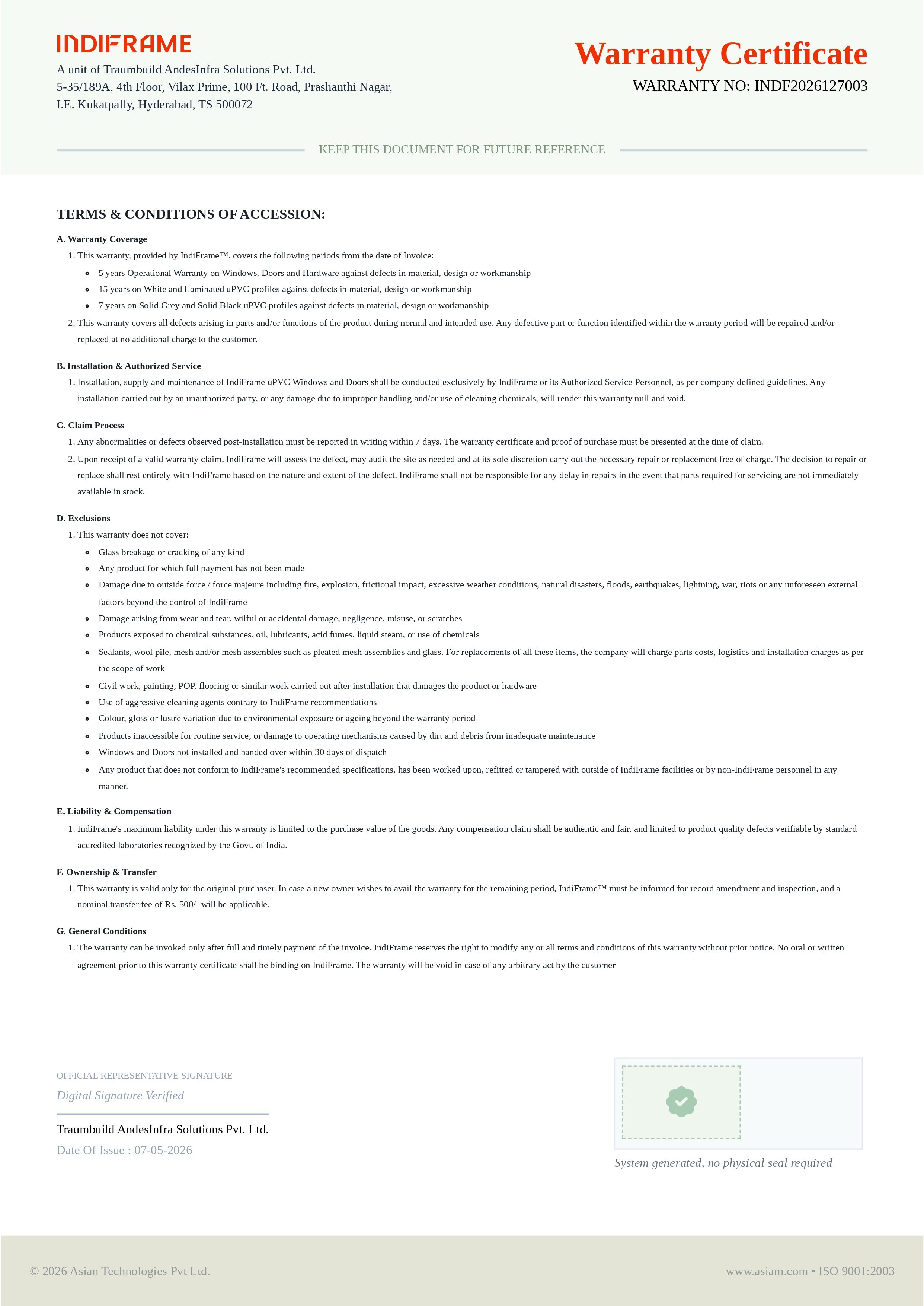
What Does IndiFrame’s Warranty Look Like
What Is Typically Covered Under a Window Warranty?
The following problems/services are officially covered under IndiFrame’s warranty. For further clarification, contact our experts from IndiFrame.
- Manufacturing defects in uPVC Windows and Doors under normal usage
- Hardware and fittings malfunction under standard operating conditions
- Colour fading or ageing issues within the specified warranty period
- Performance issues meeting company-defined quality standards
What Is Usually Not Covered by a Window Warranty?
The following problems/services are officially not covered under IndiFrame’s warranty. For further clarification, contact our experts from IndiFrame.
- Damage due to improper installation, handling, or modification by third-party personnel
- Issues caused by natural disasters, accidents, or external impact
- Wear and tear from abnormal usage or lack of maintenance
- Damage due to chemical exposure, pollution, or extreme environmental conditions
Why Regular Window Maintenance Matters
Regular window maintenance helps ensure your windows continue to perform as intended for years. Like any moving system, windows are exposed to dust, moisture, changing weather, and daily use, all of which can affect their operation over time if left unattended.
Key benefits of regular window maintenance include:
- Smooth operation: Cleaning and lubricating moving parts helps windows open, close, and lock effortlessly.
- Longer lifespan: Routine maintenance reduces wear on hardware and other components, helping extend the life of your windows.
- Better weather protection: Inspecting seals and drainage channels helps prevent water leakage, air infiltration, and moisture-related damage.
- Improved energy efficiency: Well-maintained seals and hardware minimise air leaks, helping maintain indoor comfort and reduce energy loss.
- Enhanced security: Regular checks ensure locks, handles, and hinges remain secure and function properly.
- Lower repair costs: Identifying and addressing minor issues early can prevent more expensive repairs or component replacements later.
- Preserved appearance: Cleaning frames, glass, and tracks helps maintain your windows' appearance and prevents the buildup of dirt and debris.
Tips for Choosing the Right Window Warranty and AMC
- Choose a reputable service provider: Look for a supplier with a strong track record, experienced technicians, genuine replacement parts, proper service infrastructure, and responsive after-sales support. Reading customer reviews and checking their experience with similar projects can also help.
- Review the coverage carefully: Don't compare warranty periods alone. Check what is covered for the profiles, hardware, glass, installation, and maintenance. Also review the exclusions, maintenance requirements, and conditions that could void the warranty.
- Consider your property's maintenance needs: The ideal service frequency depends on your location and environmental conditions. Homes in coastal, dusty, humid, or high-pollution areas may benefit from more frequent servicing than the standard annual visit.
- Evaluate the long-term value: Compare the cost to the potential expenses of repairs, hardware replacement, or reduced window performance due to inadequate maintenance. The best choice is one that offers comprehensive coverage, reliable service, and lasting value, not simply the lowest price.
Common Mistakes That Can Void Your Window Warranty
- Not reading the warranty carefully: Coverage, exclusions, maintenance requirements, and claim procedures vary between manufacturers. Understanding these terms is the first step to protecting your coverage.
- Failing to complete the required documentation: Ensure you receive the warranty certificate, invoices, and any other required documents. Register the warranty or acknowledge the terms if the supplier requires it.
- Not following the prescribed maintenance requirements: Most warranties require windows to be maintained according to the manufacturer's recommendations. Ignoring the maintenance schedule or care instructions may affect your coverage.
- Using unauthorised service or making modifications: Repairs, replacements, or alterations carried out without the supplier's approval may impact warranty eligibility, depending on the terms of the agreement.
- Delaying the reporting of issues: If you notice a defect or operational issue, inform the supplier promptly and follow the claim process outlined in the warranty instead of waiting for the problem to worsen.
Final Thoughts
A window warranty is often misunderstood as a promise that every future problem will be repaired free of cost. In reality, it is a defined agreement that covers specific manufacturing and performance-related defects for a specified period, while excluding damage caused by misuse, external factors, or unauthorised modifications.
That is why homeowners should focus less on the headline warranty number and more on the actual coverage terms—which components are included, what conditions apply, and what documentation is required for a claim. Understanding these details at the time of purchase is far easier than trying to interpret them after a problem occurs.
For uPVC windows and doors, the combination of quality manufacturing, proper installation, regular upkeep, and transparent warranty terms is what ultimately determines long-term performance and ownership experience. For more clarity, feel free to talk to our experts at IndiFrame today.